Choosing the right conveyor belt is crucial for efficiency in any operation. Understanding how to choose the right conveyor belt requires careful consideration. It’s not just about price; it's about matching the belt to your specific needs.
Consider the material you will be conveying. Different materials need different belts. The weight and size of your products matter too. A lightweight product may require a different belt than a heavy or bulky item. You must also think about the environment. Will the belt face heat, cold, or moisture?
After evaluating these factors, you might feel overwhelmed. It's common to second-guess yourself. Researching and consulting with experts can provide clarity. Reliable suppliers can offer invaluable advice. You can work together to avoid costly mistakes. So, reflect on your unique requirements before making a decision. This will lead you towards the right choice.
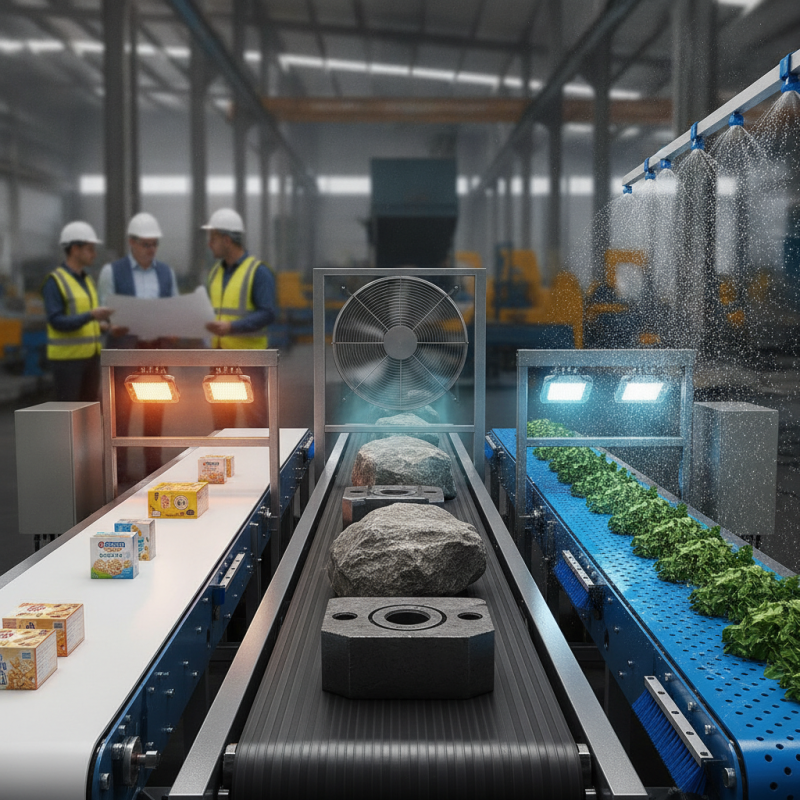
Understanding your material handling requirements is crucial when selecting a conveyor belt. Different materials demand specific belt properties. For example, heavy-duty items require stronger belts. Delicate materials may need softer surfaces to avoid damage. The nature of the material—whether dry, wet, or abrasive—also impacts your choice.
Consider the weight and size of your materials. A belt that is too weak may fail under pressure. Meanwhile, a belt that is overly robust might be unnecessary, adding extra costs. It’s essential to evaluate your load capacity carefully. Also, think about the environment where the conveyor will operate. High temperatures, moisture, or chemicals can degrade some belts over time.
Pay attention to maintenance requirements. Some belts demand frequent checks and adjustments. Others are more straightforward and user-friendly. Find a balance between reliability and ease of use. Engaging with experts in material handling can shed light on the best options. Seek advice, but always cross-check recommendations. Not every suggestion may align with your unique situation.
When evaluating conveyor belt types and styles, it’s crucial to consider the specific requirements of your application. Different materials and environments call for different belt designs. For example, a flat belt is ideal for transporting light loads, while a modular belt may offer greater versatility. Thick, heavy-duty belts often withstand rough conditions, but they also take up more space.
Another factor to consider is the surface texture of the belt. Smooth surfaces are sufficient for certain products, while textured ones can prevent slippage. Additionally, the width and length of the belt matter significantly. A belt that’s too narrow might lead to load spillage. However, an overly wide belt can complicate the system and increase costs unnecessarily.
Don't overlook the importance of compatibility with existing machinery. Some belts may not integrate well with your current setup. Regular maintenance is also essential for maximizing belt life. Even the best choices can fail without proper care. Balancing these considerations ensures that you choose a conveyor belt that truly meets your operational needs while also adhering to safety standards.
When choosing a conveyor belt, assessing durability is crucial. A report by the Conveyor Equipment Manufacturers Association (CEMA) states that the right belt can reduce operational costs by up to 20%. This savings comes largely from fewer repairs and downtime. Tough environments, like mining or heavy manufacturing, demand belts that withstand extreme wear and tear. Selecting materials like polyurethane or reinforced rubber can significantly enhance lifespan.
Performance is another key factor. The load capacity of conveyor belts varies widely. A study showed that belts designed for specific loads can perform better. For instance, those rated for heavy loads may not function optimally if used for lighter tasks. This mismatch can lead to premature failure. Experts recommend analyzing the material being transported. Different materials can cause different rates of wear. Using belts that match the specific application helps in maximizing efficiency.
The choice of belt design also affects durability. Flat belts might be suitable for some applications, while modular systems might offer better longevity in others. Additionally, the operational environment, like temperature and exposure to chemicals, can affect performance. A poorly matched belt can fail under such conditions, leading to costly delays and replacements. It’s vital to invest time in assessing these factors before making a choice; otherwise, it may lead to regret later.
When looking to select a conveyor belt, cost and budget considerations play a vital role. Begin by identifying the specific requirements of your application. Calculate the total cost of ownership, not just the initial price. Include installation expenses, maintenance costs, and expected lifespan in your analysis.
Consider the material type and thickness that suits your needs. Different materials contribute to varying costs and durability. For example, belts made from high-strength materials may have a higher upfront cost but prove more reliable in the long run. Assess the weight capacity and speed requirements against your budget constraints.
Discuss potential financial impacts with your team. Gather insights from industrial experts or colleagues who have past experience with conveyor systems. This collective knowledge can help you avoid common pitfalls. Reflect on your previous experiences and reconsider earlier decisions that might not have aligned with your long-term goals. In doing so, you are not only making a wise financial choice but also ensuring operational efficiency.
When selecting a conveyor belt, ensuring compliance with industry standards is crucial. Various sectors, such as manufacturing and food processing, have specific regulations. The Food and Drug Administration (FDA) provides guidelines for materials that come into contact with food. This ensures safety and prevents contamination, which can lead to severe health issues.
According to a recent report by the International Organization for Standardization (ISO), over 30% of conveyor failures are linked to non-compliance with safety standards. Regular inspections and adherence to ISO certifications can significantly reduce risks. Organizations often overlook the importance of these standards, focusing only on belt price or material. This short-sightedness can result in costly downtimes.
Moreover, regulatory compliance includes environmental considerations. Conveyor systems can contribute to waste if not properly managed. Sustainable practices can minimize this impact. Many companies strive for eco-friendly materials. However, they may neglect to verify their compliance with both local and international eco-regulations. Balancing cost, compliance, and operational efficiency remains a key challenge in the industry.
: Assess specific application needs, materials, and environment. Different requirements call for different belt designs.
Smooth surfaces work for some products. Textured surfaces can prevent slippage effectively.
Some belts may not integrate well, causing operational delays or inefficiencies. Check compatibility with your current setup.
Regular maintenance is essential. Even good belts can fail without proper care and timely inspections.
Tough environments demand durable belts. Materials like polyurethane or reinforced rubber enhance lifespan significantly.
Mismatched load ratings can lead to premature failures. Always analyze the transported material’s requirements.
Non-compliance with safety standards can lead to failures. Regular inspections help reduce risks associated with operation.
Sustainable practices are key. Companies must verify compliance with both local and international eco-regulations.
Yes, belts not suited for conditions may fail. Analyze the operational environment before making a choice.
Focusing solely on price may lead to higher downtimes. Balancing cost and compliance is crucial for success.
When considering how to choose the right conveyor belt for your needs, it's essential to thoroughly understand your material handling requirements. This involves assessing the type of materials being transported, their weight, and any environmental factors that may affect performance. Evaluating different conveyor belt types and styles will help you identify the best fit based on your operational demands.
Durability and performance factors are critical in ensuring the longevity and efficiency of your conveyor system. Additionally, calculating costs and staying within budget is vital, as is verifying that your choices comply with industry standards and regulations. By following these guidelines, you can make informed decisions that enhance the productivity and reliability of your material handling processes.

Trakkx Tech