Explore our initial suite of agricultural belts, heavy-duty mobile machinery, and food-grade post-harvest handling modules.
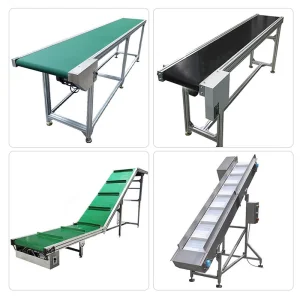
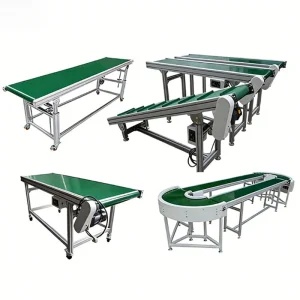
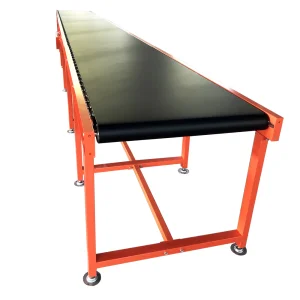
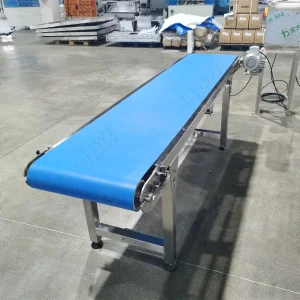
A Technical Overview of Materials, Tensile Resilience, and Structural Designs Tailored for Challenging Agrarian Environments.
Modern global agriculture operates on thin margins and massive volumes. The transport of wheat, corn, rice, soybeans, and heavy agrochemicals requires mechanical equipment that functions without interruption under intense environmental loads. Standard industrial conveyors fail when subjected to the dynamic stresses of agricultural processing. In contrast, Agricultural Conveyor Belts must be specifically engineered to resist extreme UV exposure, fluctuating humidity, soil abrasion, and chemical contact with crop oils and fertilizers.
Understanding user intent and search quality indicators requires looking beyond basic nomenclature to the engineering reality of belt design. An efficient system operates at the intersection of raw material science and physical layout. The choice of carcass material—such as EP (Polyester-Nylon) fabrics, Nylon-Nylon (NN), or steel cord reinforcement—determines the load-carrying capacity and elongation parameters of the belt. Here, we outline the fundamental design aspects that provide information gain for procurement teams searching for high-performance transmission components.
Different agricultural stages require specialized chemical formulations. While grain terminals need static-dissipative and flame-retardant polymers, sugar beet processing relies on high abrasion resistance to withstand soil and gravel washing.
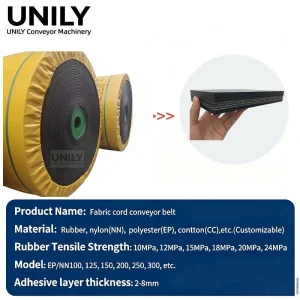
Multi-ply EP (Polyester warp and Polyamide weft) fabrics ensure low elongation under load. This prevents tracking issues and sagging on long conveyor spans, reducing maintenance downtime during harvest season.
Continuous UV radiation degradation causes micro-cracking in standard rubbers, leading to water ingress and ply separation. Our advanced compounding integrates carbon black additives to guarantee UV stability.
When selecting agricultural conveyor belts, engineers focus on tensile rating (e.g., EP 400/3 vs. EP 800/4) and cover grades. Cover thickness (typically 3mm top and 1.5mm bottom for general agricultural work, or 5mm/2mm for heavy rock-mixed crop processing) dictates the system's operational lifespan. Below is a specification matrix outlining the mechanical profiles of agricultural belting configurations:
| Belt Specification Type | Carcass Base Material | Tensile Strength Rating | Elongation at Max Load | Optimal Crop/Application | Features & Compliance |
|---|---|---|---|---|---|
| Heavy Grain Flat Rubber | EP Polyester / Polyamide | 200 N/mm – 1000 N/mm | ≤ 1.5% | Wheat, Corn, Barley, Soybeans | Oil-resistant (MOR), Antistatic (ISO 284) |
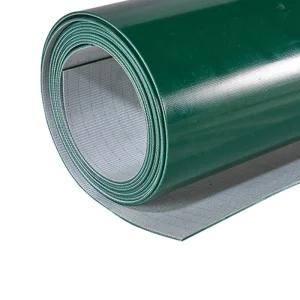
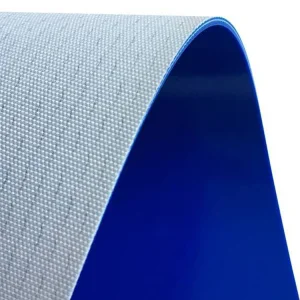
| Food-Grade Clean TPU | Solid Woven Polyurethane | 80 N/mm – 250 N/mm | ≤ 1.0% | Fruits, Vegetables, Olive Pulp | FDA Compliant, EU Food Grade, Oil-resistant |
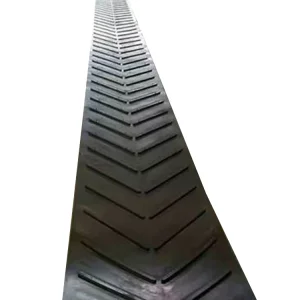
| High Grip Cleated / Rough | Reinforced SBR / NBR Rubber | 150 N/mm – 500 N/mm | ≤ 2.0% | Inclined Crop Transport, Silage | High friction profiles, 100N/mm adhesion |
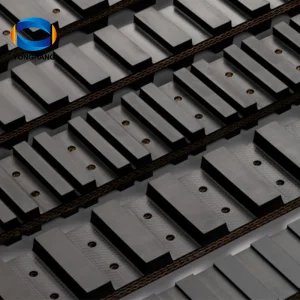
| Harvester Crawler Tracks | Steel Cord & High Strength Fabric | 800 N/mm – 1600 N/mm | ≤ 0.5% | Paddy Combine Harvesters | Cut & gouge resistant, heavy traction cleats |
Our commitment to global engineering benchmarks, high production capacity, and strict quality control protocols.
Global logistics and supply chain optimization require evaluating the regional manufacturing ecosystems of suppliers. China remains the primary hub for conveyor belt manufacturing due to several distinct factors:
Dongguan Trakkx Tech Co., Ltd. stands out within this landscape. Specializing in advanced industrial material handling systems, Trakkx Tech integrates mechanical R&D, modern manufacturing, and global export infrastructure. The company specializes in bespoke configurations tailored to specific operational requirements, reducing total cost of ownership (TCO) for international distributors, system designers, and food processor operators alike.
Agricultural logistics is divided into bulk post-harvest handling, farm machinery operation, and packaging line automation. Selecting the correct conveyor technology is critical for operational efficiency at each stage:
Grain storage facilities process thousands of tons of wheat, corn, and oilseeds daily. These dry materials generate volatile dust, creating a risk of combustion. Standard belts pose safety risks in these environments. The solution requires antistatic, flame-retardant (DIN Standard) rubber belts combined with high-capacity enclosed drag or deep-trough installations. This configuration ensures safe operation within enclosed spaces like silo galleries and vertical elevator legs.
Harvesters, combine systems, and field balers operate directly in challenging field conditions. Mud, crop residues, rock fragments, and high mechanical loads put significant stress on transmission parts. Heavy-duty rubber flat crop belts and reinforced combine rubber crawler tracks are designed to handle these demands, ensuring steady grip and transmission reliability.
From potato sorting lines to fresh fruit packaging, agricultural products must be handled gently to prevent bruising while meeting food hygiene standards. Here, food-grade PVC and PU conveyor systems are required. They feature oil-resistant covers that prevent contamination from crop oils and are easy to clean, resisting bacterial buildup.
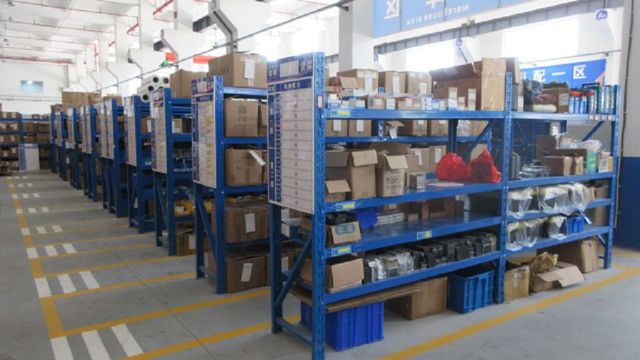
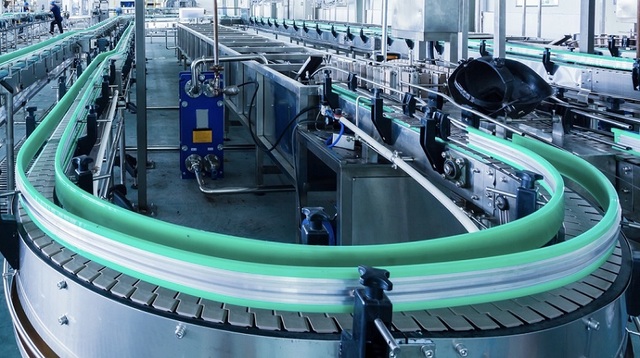
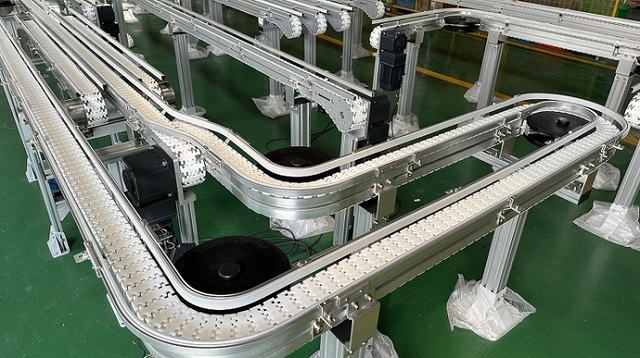
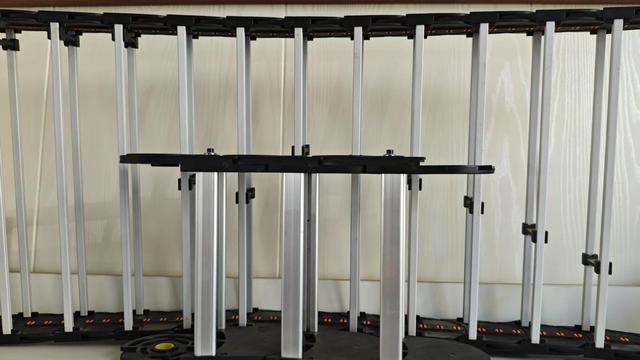
Take a virtual tour of Dongguan Trakkx Tech Co., Ltd.'s processing facility, testing labs, and assembly workshops.
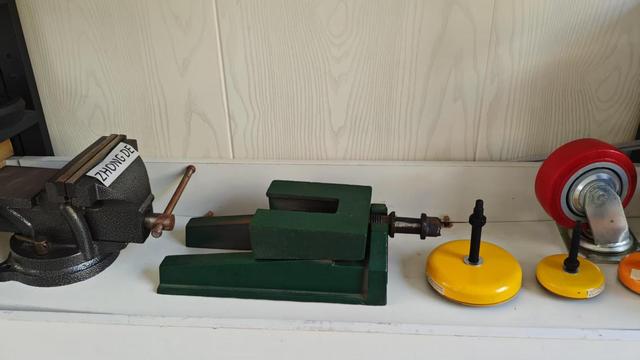
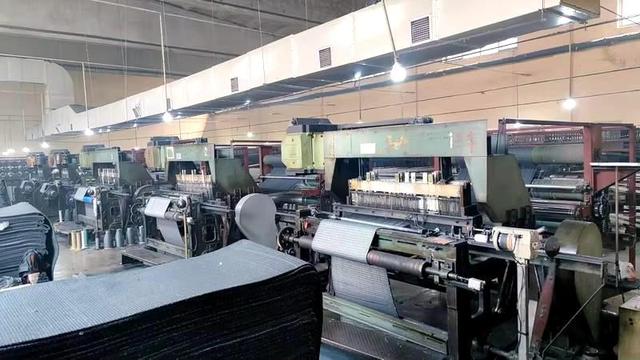
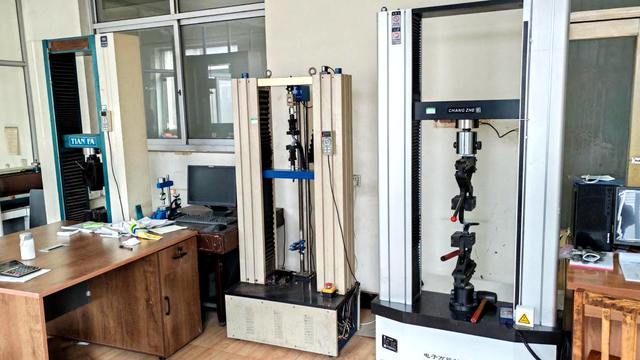
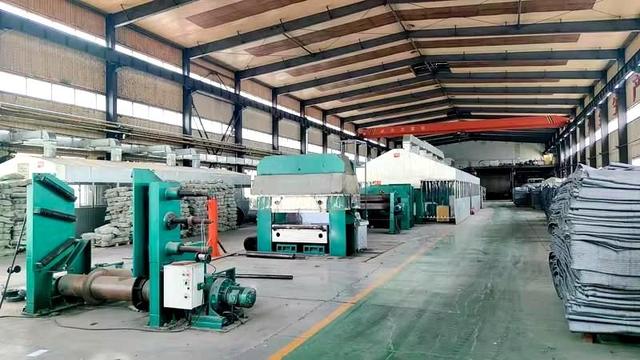
Procurement departments at global firms face the challenge of sourcing components that comply with local regulatory and safety frameworks. When selecting agricultural belt systems, purchasers must review several performance specifications:
As the industry shifts toward smart farming, conveyor systems are evolving to integrate digital and eco-friendly features:
Large-scale processing plants are increasingly adopting belts with embedded RFID chips and magnetic sensors. These detect real-time belt splice failures, lateral tracking offsets, or localized cover gouging, preventing unexpected downtime and expensive crop loss.
To reduce carbon footprints, manufacturers are developing conveyor belts using bio-based urethanes and recycled PET fabrics. These offer the same tensile capacity as traditional materials while supporting corporate sustainability goals.
Review how our technical designs perform across different regional climates and applications.
Southeast Asia: Saturated soils in humid environments require crawler tracks with deep mud-shedding tread patterns. High-tensile steel cord structures prevent elongation in waterlogged conditions, extending component service life.
North America: Large export terminals require continuous vertical and horizontal grain transport. Here, antistatic EP multi-ply belts run at high speeds, offering flame retardancy to ensure safe operation under heavy loads.
Mediterranean Europe: Mechanical harvesting of olives and wine grapes requires equipment that resists high fruit acidity and crop oils. FDA-approved PU belts resist oil absorption and swelling, maintaining food safety standards.
Technical answers to common engineering, maintenance, and sourcing questions.
Tracking issues typically stem from uneven structural loading, improper belt splicing, or tension loss. In agricultural applications, sticky residues can build up on pulleys and return rollers, leading to tracking offsets. To prevent this, design systems with self-cleaning return idlers, install belt scrapers, and select a belt with a high-modulus EP carcass to minimize stretching.
Standard Styrene-Butadiene Rubber (SBR) swells and loses its physical properties when exposed to vegetable oils. This leads to cover softening, cracking, and eventual belt failure. Oil-resistant rubber belts use Nitrile (NBR) or specialty synthetic compounds. These resist oil absorption, maintaining the belt's tensile strength, tracking stability, and mechanical joints.
PU (Polyurethane) belts offer superior resistance to vegetable oils, fats, and chemical cleaning agents, and provide better abrasion resistance than PVC. PVC belts are cost-effective for general crop transport but can degrade faster when exposed to oils or low temperatures. PU is preferred for high-abrasion, direct-contact applications like olive oil extraction or sugar beet sorting.
Extreme cold (down to -30°C) causes standard rubber to become brittle, leading to surface cracking and splice failures. High heat (up to 80°C) from sun exposure speeds up oxidation. Our belts are formulated with specialized EPDM and rubber compounds that maintain flexibility in cold climates and resist cracking in high heat.
Grain dust is highly explosive. As a belt moves over pulleys and idlers, it can build up static charge. If this charge discharges as a spark in a dust-heavy environment, it can trigger an explosion. Antistatic belts (complying with ISO 284) have a conductive cover that safely dissipates static charges to the conveyor frame, protecting the facility.
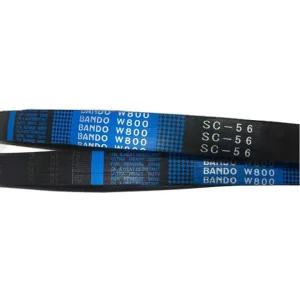
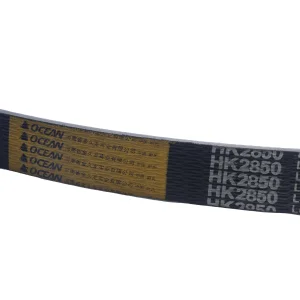
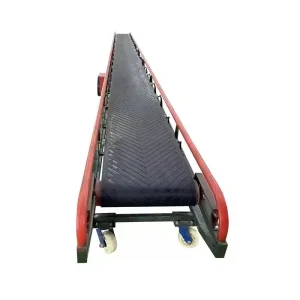
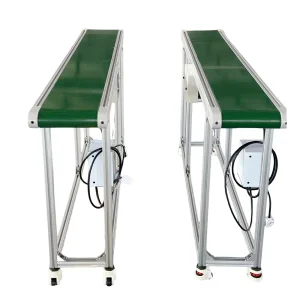
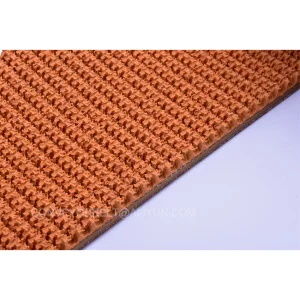
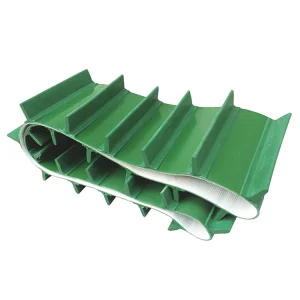
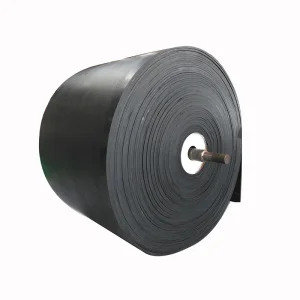
Browse our selection of agricultural V-belts, specialty crop transmission parts, high-grip rubber flat belts, and multi-layer sorting conveyors.
 Trakkx Tech