In the era of hyper-automated distribution networks, cross-border e-commerce, and high-throughput warehousing, Dongguan Trakkx Tech Co., Ltd. stands as a premier global partner. As a highly specialized China conveyor belt manufacturer, our core focus lies in engineering robust, smart, and optimized material handling solutions. By synthesizing advanced polymeric materials science with precise structural engineering, we design conveyor systems that radically improve operational throughput while lowering the Total Cost of Ownership (TCO). Our production adheres strictly to strict international standards including FDA, CE, ISO 9001, and DIN EN specifications, ensuring that our exporters can deliver reliability in every project.
Whether you are optimizing a high-velocity sorting hub in Germany, upgrading a heavy-duty mining system in Australia, or setting up a cleanroom sterile processing line in North America, Trakkx Tech provides structural integrity and material durability. Our comprehensive OEM and ODM support guarantees customized configuration, allowing seamless integration with modern Warehouse Control Systems (WCS) and automation protocols.
Explore our elite collection of engineering-grade rubber, PVC, and stainless steel conveying systems designed for rugged industrial use.
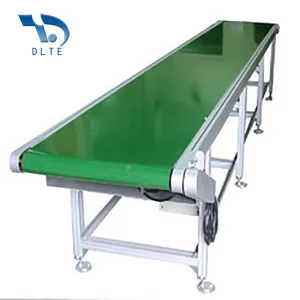
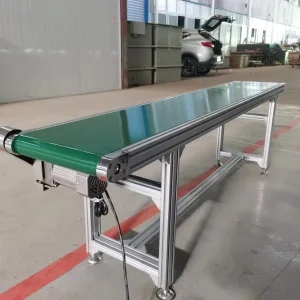
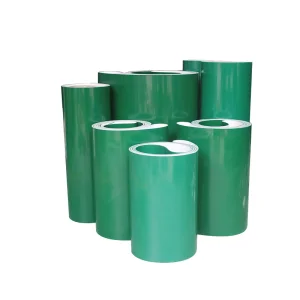
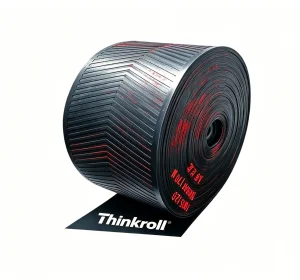
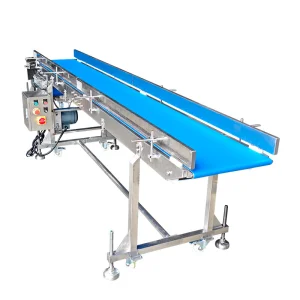
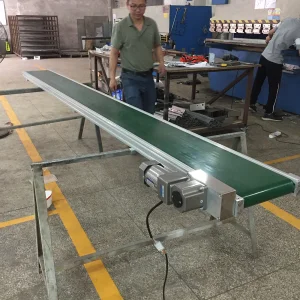
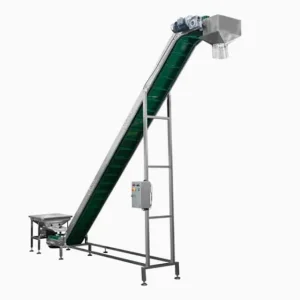
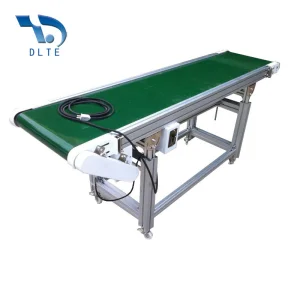
Unveiling the molecular engineering and compounding layers that guarantee durability under continuous mechanical loads.
Our conveyor belts are engineered using highly cross-linked polymers. PVC (Polyvinyl Chloride) formulations include advanced plasticizers that prevent cracking in cold conditions and maintain dynamic flexibility. For environments involving high chemical exposure or oils, our polyurethane (PU) formulations offer superior surface energy properties, preventing sticky substances from adhering to the surface and resisting degradation.
The structural core of Trakkx Tech conveyor belts is comprised of layered EP fabric (Polyester Warp, Polyamide Weft). This matrix provides high tensile strength, exceptionally low elongation under tension, and outstanding impact resilience. For heavy-duty variants, we weave longitudinal steel cords and transverse reinforcement layers to stop rip propagation and manage heavy bulk volumes.
To satisfy demanding logistics and sorting environments, we integrate specialty additives. These include anti-static chemical layers to mitigate electrostatic discharge (ESD) in electronic parcel systems, flame retardants conforming to ISO 340 and UL94 V-0 safety standards, and noise-damping fabric backing layers to reduce warehouse decibel levels.
How specialized logistics belt engineering drives throughput across diverse industrial environments.
Modern distribution facilities require rapid linear velocities exceeding 2.5 m/s. The low-coefficient-of-friction backing on Trakkx Tech belts minimizes sliding resistance on slider beds, resulting in significant motor power savings. High stability prevents tracking issues, ensuring that cross-belt sorting, shoe sorters, and merge modules function with millimeter accuracy, reducing package jam rates and sorting errors.
Conveying items inside sub-zero environments, such as quick-freezing food processing or pharmaceutical cold chains, demands elastic integrity down to -40°C. Standard PVC stiffens and cracks in these settings, causing conveyor failure. Trakkx Tech cold-resistant PU and silicone formulations remain highly flexible, preventing micro-fracturing and structural cracking under heavy loads, ensuring hygiene compliance and operational safety.
Transporting dynamic load materials like coal, mineral ores, and crushed stones exposes surfaces to extreme abrasion. Our heavy-duty rubber conveyor belts are equipped with dense carcass structures (e.g., EP200 to EP400) and thick, abrasion-resistant rubber covers. These systems resist continuous gouging, tearing, and high impact from vertical material drops, maximizing product life in severe outdoor conditions.
Sanitation and anti-microbial surfaces are critical in food packaging and pharmaceutical processing lines. Our specialized white and blue PU and silicone belts are FDA and EU food-contact approved. They feature sealed edges to prevent fluid absorption and micro-organism growth, and resist chemical washdowns, maintaining clean operations.
Aligning belt technology with industrial IoT, green energy mandates, and automated intelligence.
Reducing power consumption is a key objective for modern logistics facilities. High-efficiency conveying lines utilize low-drag fabrics that reduce sliding resistance against steel bed plates. Using these systems can lower motor energy demands by up to 15%, contributing to corporate sustainability goals and lowering operational expenses.
By incorporating RFID tags, dynamic sensors, and smart thickness indicators within the belt carcass, operators can monitor wear rates and identify tear hazards automatically. This telemetry integrates directly with warehouse control software, enabling predictive maintenance schedules and preventing catastrophic failures.
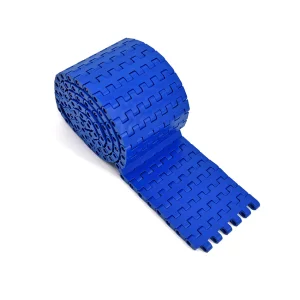
Modern high-speed sorting requires rapid modular reconfigurability. Flat-top and flush-grid modular plastic belts offer quick, tool-free installation and repairs. Broken sections can be replaced in minutes rather than splicing whole belts, reducing maintenance overheads and keeping logistics hubs running smoothly.
Why sourcing from Dongguan Trakkx Tech Co., Ltd. delivers maximum value, precision, and reliable delivery.
Located in Dongguan, the manufacturing capital of the Pearl River Delta, Dongguan Trakkx Tech Co., Ltd. leverages China's industrial ecosystem. This geographical positioning gives us access to advanced raw material suppliers, high-tensile fabric weavers, and specialized logistics corridors, allowing us to source materials efficiently and pass those cost benefits on to our customers.
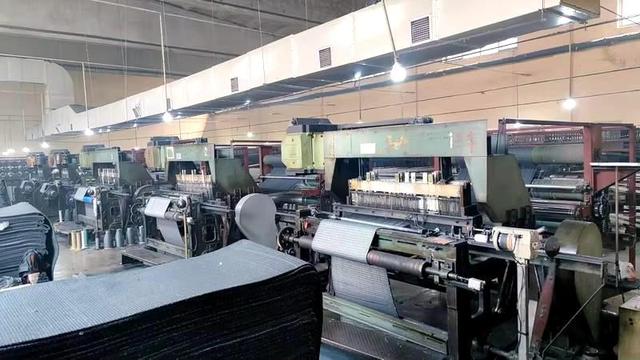
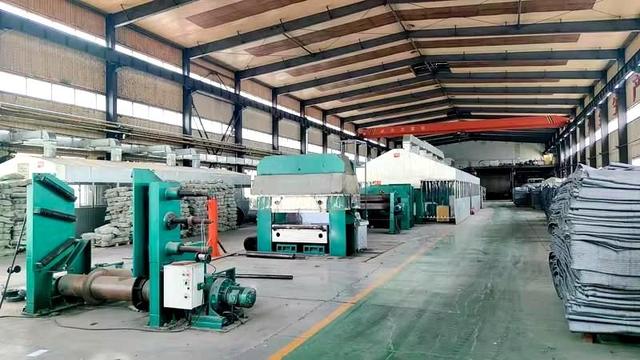
Our facility utilizes large-scale, automated vulcanizing presses and high-precision extrusion machinery. This machinery ensures uniform pressure and temperature control during manufacturing, guaranteeing consistent belt thickness, flawless layer adhesion, and eliminating structural weaknesses.
We provide comprehensive OEM and ODM support. Our engineering team designs custom belt profiles, tracking guides, sidewall profiles, and splicing mechanisms to match unique machinery specifications, taking projects from initial drawing to functional prototype rapidly.
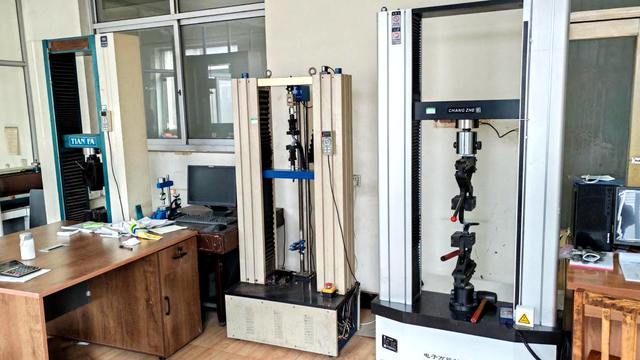
Every production batch undergoes comprehensive testing in our quality facility. We measure tensile strength, wear resistance (DIN abrasion test), flame retardancy, and pull-out resistance to verify performance before shipment, ensuring reliable operation.
Key considerations for procurement managers, logistics consultants, and systems integrators.
Procuring logistics conveyor belts requires balance between initial investment, operational costs, and lifespan. Sourcing decisions must prioritize compliance, chemical properties, mechanical specs, and joining methods.
For manufacturing plants supplying pharmaceuticals and food processing, belts must comply with FDA Title 21 CFR and EU 10/2011 regulations. In sorting warehouses and airport baggage terminals, safety mandates require flame-retardant (DIN EN ISO 340) and anti-static (ISO 284) performance to mitigate fire risks.
Joint strength is critical, as over 80% of conveyor failures occur at connection points. We offer multiple splicing solutions, including thermoplastic finger-splicing for PVC/PU belts to ensure smooth tracking, cold chemical bonding for rubber systems, and heavy-duty steel mechanical fasteners for high-speed replacement.
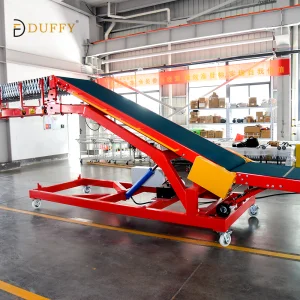
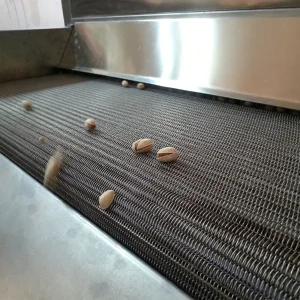
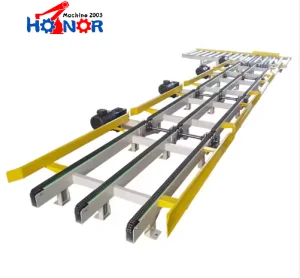
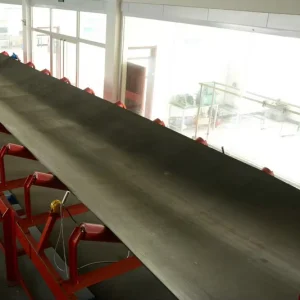
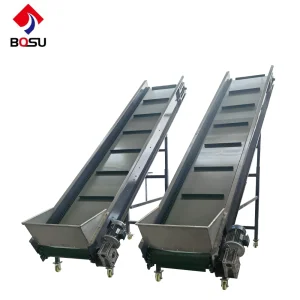
Discover our customized range of industrial mesh, corrugated sidewalls, adjustable climbing rollers, and specialized food turntables.
Expert technical answers to common integration, maintenance, and specification questions.
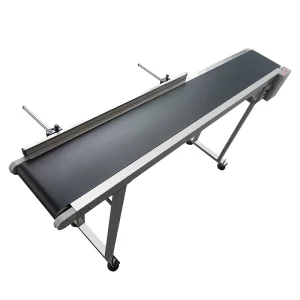
PVC (Polyvinyl Chloride) belts are suitable for standard warehouse logistics, box transport, packaging lines, and general handling. They offer good wear resistance, high cost efficiency, and are easy to splice.
PU (Polyurethane) belts are designed for demanding applications. They offer high flexibility, chemical resistance to oils and fats, and can handle tighter pulley diameters (e.g., knife-edge transfers). PU is highly resistant to low temperatures, making it suitable for food packaging and cold chain logistics.
Continuous friction between a conveyor belt and the slider bed generates electrostatic charge. If not grounded, this static can discharge into sensitive electronic packages, causing device damage, or build up on workers, presenting a shock risk.
Our anti-static belts are woven with conductive carbon fibers or formulated with anti-static agents to dissipate electrostatic charge safely, meeting ISO 284 standards.
Mistracking can damage belt edges and components. To prevent this, we offer several alignment solutions:
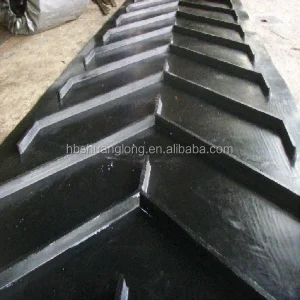
Chevron Profiles (U-shapes or Herringbone): Best for steep inclines up to 35 degrees where bulk materials or packages might slide backward on a flat surface.
Corrugated Sidewalls: Required for steep or vertical pocket elevators (up to 90 degrees). The sidewalls contain bulk materials, preventing product spillage and maximizing vertical conveying space.
 Trakkx Tech