Engineered for high load capacities, longevity, and structural integrity across food processing, recycling, and heavy industrial facilities.
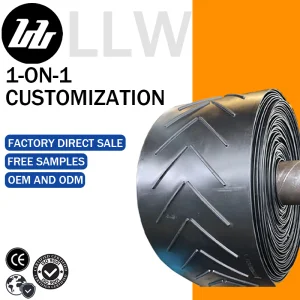
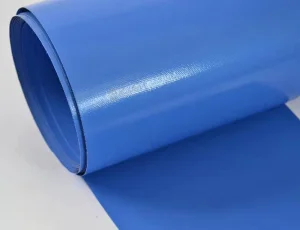
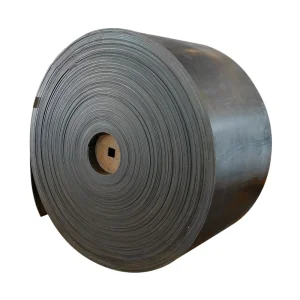
Understanding how molecular structure and polymer selection dictate conveyor lifespan in hydrocarbon-aggressive applications.
Standard industrial conveyor belts typically utilize SBR (Styrene-Butadiene Rubber) or natural rubber covers. When exposed to mineral oils, vegetable oils, animal fats, or synthetic solvents, these standard elastomers absorb the hydrocarbons. This absorption triggers a molecular-level swelling, leading to the breakdown of vulcanized polymer networks. Over time, operators witness belt distortion, edge curling, ply separation (delamination), and a severe reduction in tensile strength.
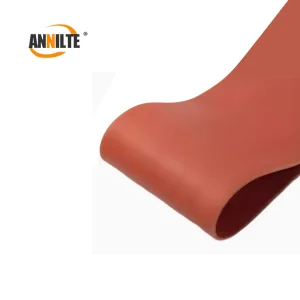
To counteract this destructive mechanism, Dongguan Trakkx Tech Co., Ltd. utilizes high-grade synthetic polymers, including NBR (Nitrile Butadiene Rubber), Neoprene (CR), and specialized thermoplastic compounds like PU (Polyurethane) and PTFE (Polytetrafluoroethylene). The high acrylonitrile (ACN) content in NBR creates a highly polar barrier that repels non-polar oils and hydrocarbons, maintaining structural integrity and dimensional stability even under constant immersion.
A reference guide to specifying the appropriate international ISO and DIN standards for oil and grease conveying.
| Cover Grade (ISO 284 / DIN 22102) | Polymer Base | Oil Resistance Level | Primary Industrial Applications |
|---|---|---|---|
| MOR (Medium Oil Resistant) | NBR/SBR Blend | Moderate (Veg/Animal Fats) | Wood chips, recycling plants, municipal solid waste, compost facilities. |
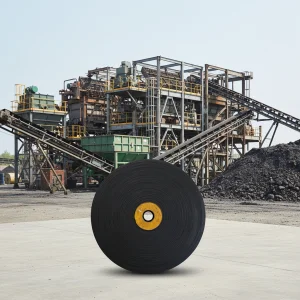
| OR (Oil Resistant / Class G) | High Nitrile (NBR) | Excellent (Mineral Oils, Fuels) | Metal stamping scrap, coal containing petroleum residues, oil well drill cuttings. |
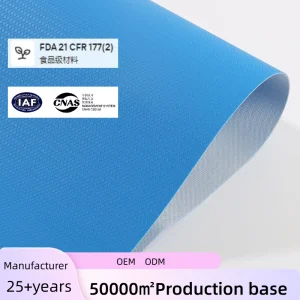
| FDA Clean Food Grade | Specialized PU/PTFE | Full Resistance (Saturated Fats) | Industrial baking, confectionery, fish processing, poultry packaging. |
| Super OR (Class K / Premium) | Hydrogenated NBR / CR | Maximum (Hot Oils & Solvents) | Asphalt plants, chemical sludge transport, heavy automotive recycling. |
How investing in custom-formulated oil-resistant belts minimizes TCO (Total Cost of Ownership).
By preventing oil penetration into the inner fabric carcass (EP or NN plies), our belts retain their linear tracking. This prevents conveyor frame damage caused by mistracking and minimizes edge fraying.
We leverage advanced hot-vulcanizing techniques using skim-coat layers optimized for oil resistance. This ensures that the bond strength between the rubber cover and the reinforcement fabric exceeds 4.5 N/mm, preventing delamination.
Our research and development team consistently updates our rubber formulations to defend against specialized synthetic oils, organic esters, and acidic chemical agents that are common in modern industrial recycling.
As a leading Chinese manufacturer, Dongguan Trakkx Tech Co., Ltd. specializes in delivering fully customized material handling systems tailored for global projects. We do not just sell standard dimensions; we engineer solutions that match the precise mechanical and chemical profiles of your operation.
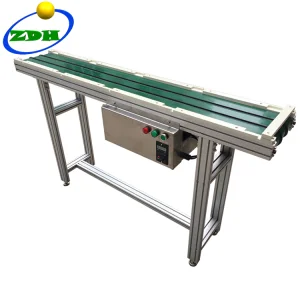
Our solutions range from micro sushi conveyor systems to heavy-duty rubber belts for oil well drill cuttings recovery. Whether you require specific antistatic capabilities (ESD), anti-bacterial surfaces, textured diamond patterns for food processing, or multi-ply EP carcasses for high-tensile quarry operations, our engineering team manages the design, prototyping, and performance verification to guarantee trouble-free integration.
Our systems optimize workflow efficiency across multiple international regions, ensuring compliance with both local environmental and safety requirements.
Compliance with DIN, ISO, and FDA specifications for manufacturing, heavy recycling, and direct food contact lines.
Providing robust, heat-resistant, and high-tensile oil-resistant belts for offshore drilling platforms and intensive mineral mining operations.
Integrated anti-static (ESD) and flame retardant properties combined with low friction properties for high-speed parcel sorters.
Developing next-generation elastomeric compounds for high-performance and green manufacturing.
We are engineering sustainable PU and PVC formulations derived from bio-based plasticizers, matching the high oil resistance of petroleum-derived polymers while reducing the environmental impact.
Integrating micro-electronic sensor elements directly into the belt carcass allows operators to track belt thickness, temperature, and joint integrity in real time, preventing sudden belt breakdowns.
As modern machining lines shift toward fire-resistant synthetic hydraulic fluids and biodegradable oils, our chemical labs are optimizing custom NBR formulations to handle these complex esters.
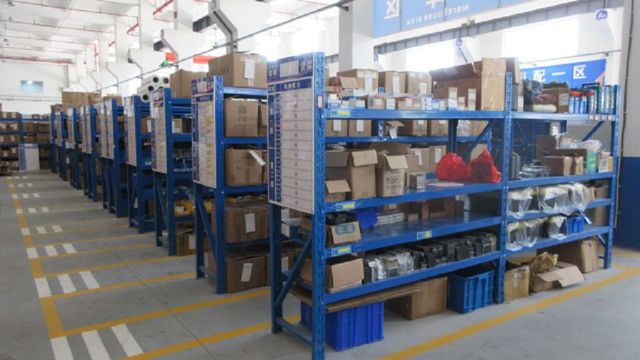
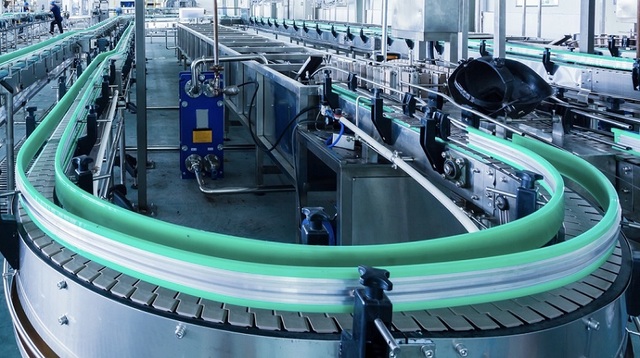
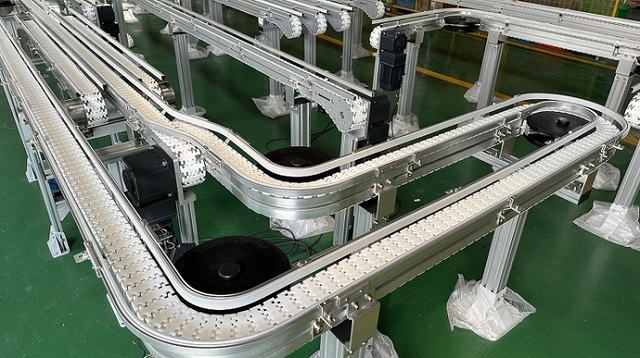
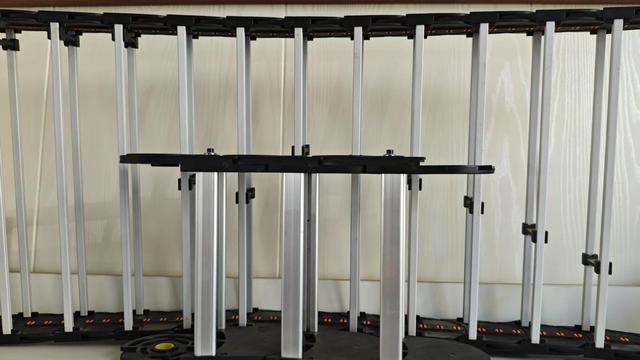
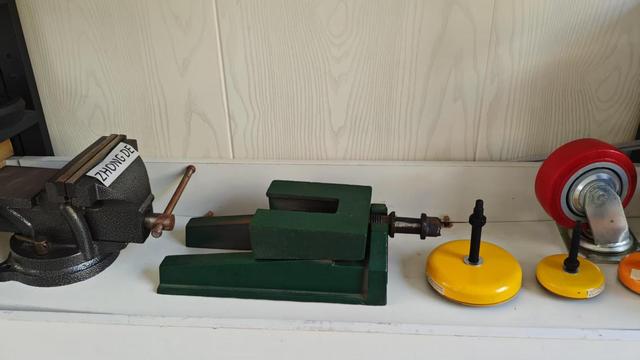
A closer look at our advanced production lines, vulcanization machinery, and testing facilities.
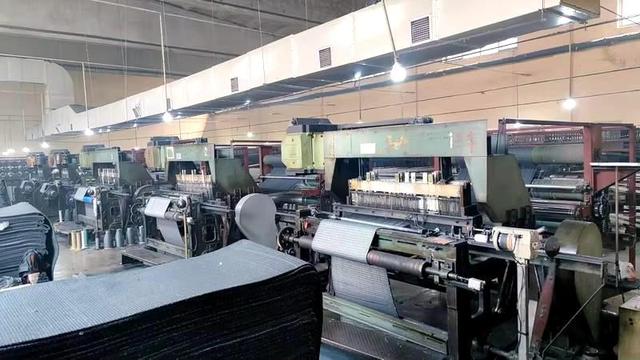
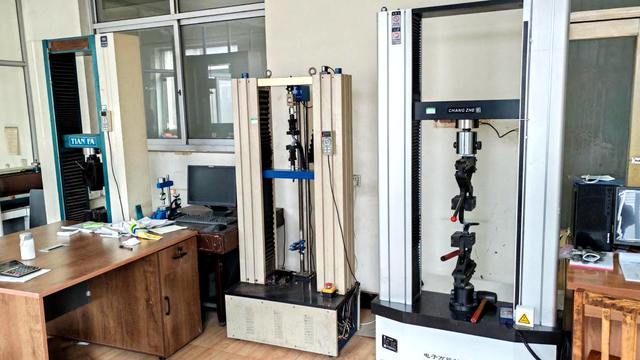
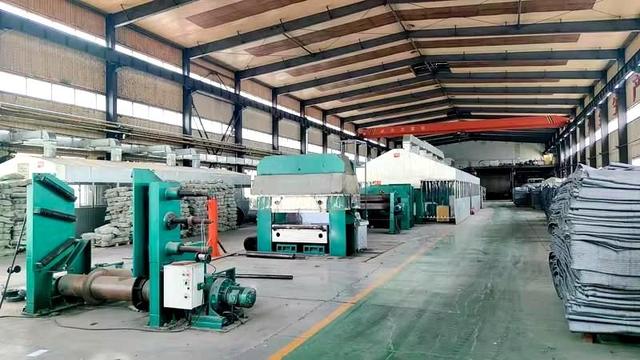
Direct answers from our senior chemical and mechanical engineering team to assist in your procurement choices.
NBR (Nitrile Butadiene Rubber) is a polar polymer, which gives it inherent chemical resistance against non-polar hydrocarbons like mineral oils and fuels. SBR (Styrene Butadiene Rubber) is non-polar and quickly absorbs oil, resulting in swelling, curling, and belt mistracking. Utilizing NBR ensures that the belt's physical dimensions and mechanical properties remain stable during oil exposure.
High temperatures speed up chemical reactions. When a belt is exposed to hot oil (e.g., above 80°C in asphalt or metal processing), the oil penetrates the elastomer much faster. In these situations, we recommend using hydrogenated nitrile (HNBR) or specialized EP/NN carcasses with high thermal resistance ratings to prevent rapid structural degradation.
Yes, all food-processing belts (such as our PU, PVC, and PTFE products) meet FDA (Food and Drug Administration) regulations and EU Regulation 10/2011 requirements. They are formulated to resist animal fats and vegetable oils without leaching harmful plasticizers, ensuring safe direct contact with food products.
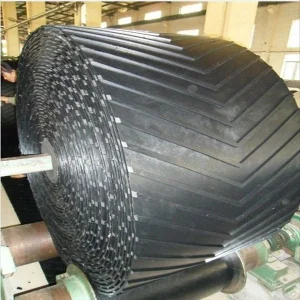
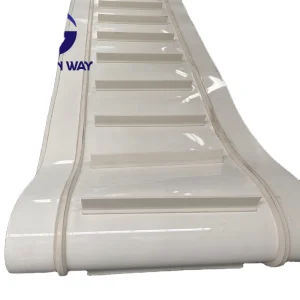
As a direct manufacturer, Dongguan Trakkx Tech Co., Ltd. provides extensive OEM and ODM solutions. We manufacture conveyor belts in various widths (up to 3000mm), construct cleated profiles, supply v-shaped chevron patterns, and integrate structural reinforcements such as steel cord, antistatic threads, and custom sidewalls to fit your conveyor systems.
For high-performance applications, we advise using hot vulcanized splicing with matching oil-resistant tie gum and cover compound. This ensures that the spliced joint provides the same chemical and physical resistance as the rest of the belt, preventing premature joint failure under tension.
Explore our high-performance solutions for mining, logistics, recycling, and manufacturing plants worldwide.
 Trakkx Tech