Dongguan Trakkx Tech Co., Ltd. stands as a premier global leader among China's conveyor belt manufacturers and specialized factories, engineering advanced industrial material handling systems and polymer solutions. Combining material science with state-of-the-art mechanical design, we provide highly integrated conveyor system architectures that maximize yield, streamline manual workflows, and optimize operational margins across five continents.
Our research and engineering initiatives tackle the bottleneck dynamics of modern automated production lines. Whether processing food, sorting high-frequency e-commerce parcels, transporting minerals, or operating cleanroom electronics lines, Trakkx Tech integrates robust synthetic covers with durable woven tension members to deliver components that thrive under harsh industrial stresses.
Our modern factory setup supports robust OEM/ODM manufacturing partnerships. We design and deliver custom fabrications, optimized guide rails, cleats, and tracking layers to meet the strict technical standards of the world's most demanding machine builders and industrial buyers.
Industrial procurement agents face several key challenges when sourcing components: balancing initial unit costs against operational lifespan, managing tracking stability under load, and ensuring absolute adherence to local safety and health regulations.
Using standard grade PVC on high-fat food lines or high-oil machinery leads to premature chemical breakdown, plasticizer migration, and belt cracking. B2B procurement strategies must specify oil-resistant, FDA-compliant, or flame-retardant PVC blends based on the target application.
Unplanned downtime is often caused by poor structural tensioning. Using low-grade fabrics leads to permanent stretching, edge curling, and tracking errors. Our high-tensile polyester (EP) carcass structures provide excellent dimensional stability, keeping belt stretch under 1% at normal working loads.
Cheap, unbranded belts often require frequent replacements, resulting in lost production time. Investing in durable components with balanced wear covers, strong vulcanized splices, and integrated tracking guides improves long-term reliability and lowers total operating costs.
| Application Scenario | Recommended PVC Belt Profile | Thickness Range | Tensile Strength (1% Elongation) | Key Properties & Compliance |
|---|---|---|---|---|
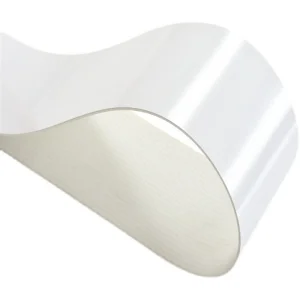
| Direct Food Processing | White PVC (Smooth / Matte Finish) | 1.0 mm – 3.0 mm | 8 – 15 N/mm | FDA, EU 10/2011, Oil & Grease Resistant, Anti-Microbial |
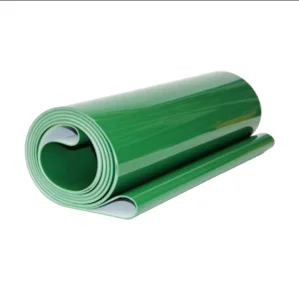
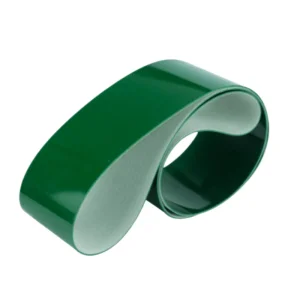
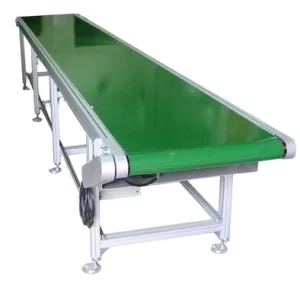
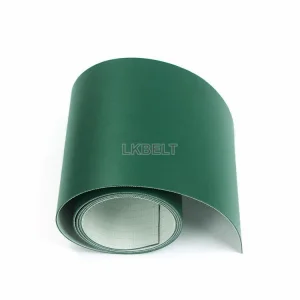
| High-Speed Logistics Sorting | Dark Green / Black Flex-PVC (Low Noise) | 1.5 mm – 2.5 mm | 10 – 20 N/mm | ISO 284 Anti-Static, Low Coefficient of Friction Bottom, Noise-dampening |
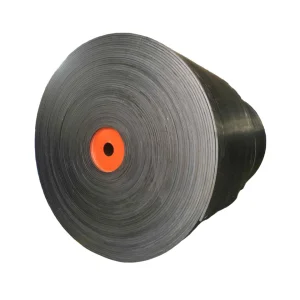
| Heavy-Duty Quarrying & Mining | Solid Woven Woven Core Flame-Retardant PVC | 4.0 mm – 8.0 mm | 80 – 200 N/mm | ISO 340 Self-extinguishing, Extreme Abrasion Proof, Cut Resistant |
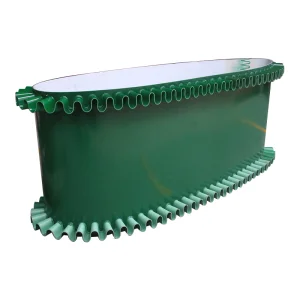
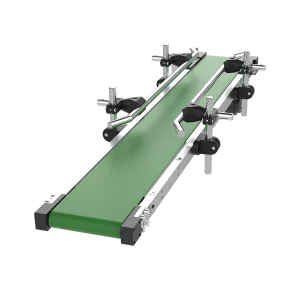
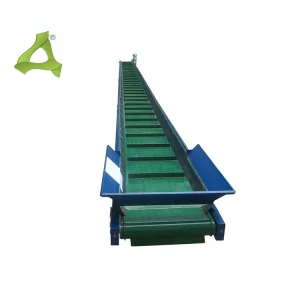
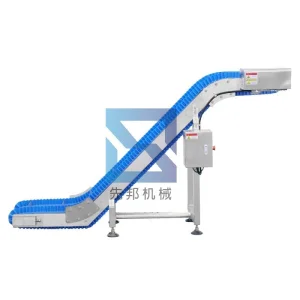
| High-Angle Inclined Conveying | Green PVC with Cleats & Sidewalls | 2.0 mm – 5.0 mm | 12 – 24 N/mm | Custom Cleat Profiles (T, C, TC styles), Wave-shaped Sidewalls |
Every manufacturing sector presents unique mechanical challenges. Our customizable PVC conveying solutions are engineered to integrate seamlessly into diverse industrial environments.
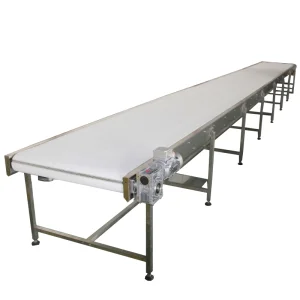
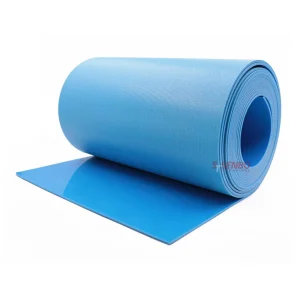
In food production, sanitation is the top priority. Our white food-grade PVC belts feature smooth, non-porous surfaces that prevent bacteria buildup and easily wash clean of oils and organic residues.
Modern distribution facilities demand reliable performance and quiet operation. Our low-noise, anti-static PVC belts are built for high-speed automated sorting, scanning, and long-distance transport lines.
Assembly lines require durable materials that resist cuts, oil, and continuous mechanical wear. Our thick industrial PVC belts handle heavy parts, sharp edges, and chemical exposure without losing tension.
The performance of a PVC conveyor belt depends directly on polymer chemistry. Our engineering roadmap focuses on molecular-level innovations to improve thermal stability, extend wear life, and lower environmental impact.
We incorporate high-molecular-weight plasticizers and heat stabilizers into our PVC formulations. This helps the belts resist hardening, heat aging, and cracking, keeping them flexible even in tough environments.
By blending conductive carbon black particles directly into the bottom fabric matrix, we establish a reliable, continuous path to ground, safely neutralizing static charges before they build up.
Using rigid polyester monofilaments in the transverse direction keeps the belt flat under load. This prevents transverse bending and edge curling, ensuring smooth tracking across wide conveyors.
We are actively developing bio-based PVC compounds and phthalate-free plasticizers. These green materials reduce emissions during production and support long-term circular economy initiatives.
Our modern production facility is equipped with automated calendar lines, high-frequency splicing presses, and strict quality control stations to ensure consistent product performance.
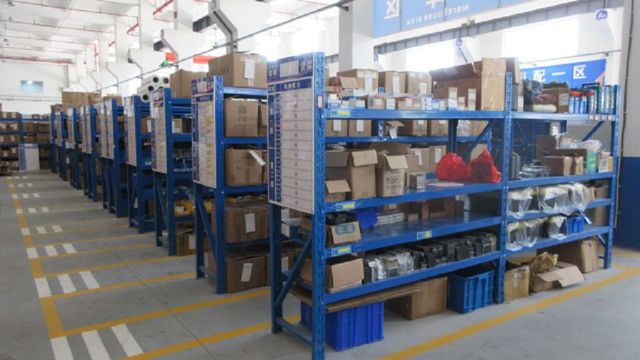
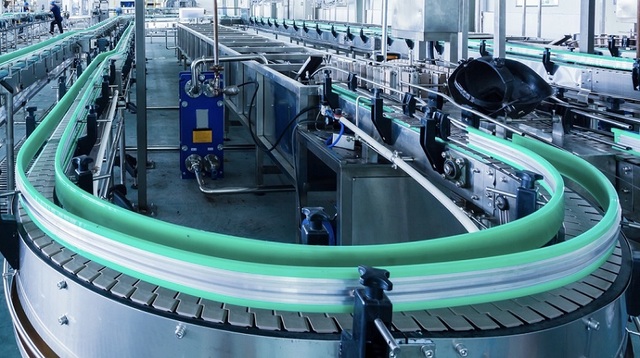
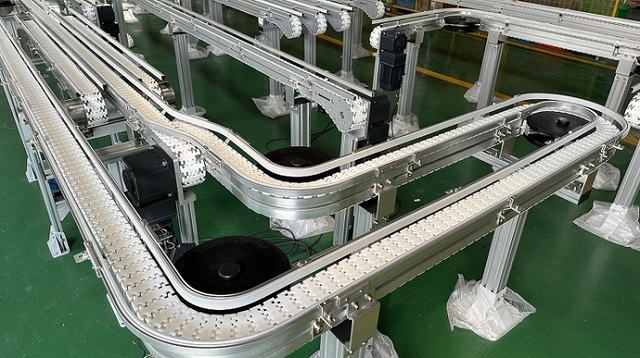
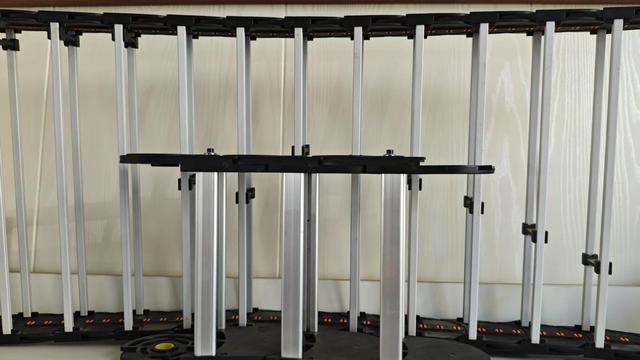
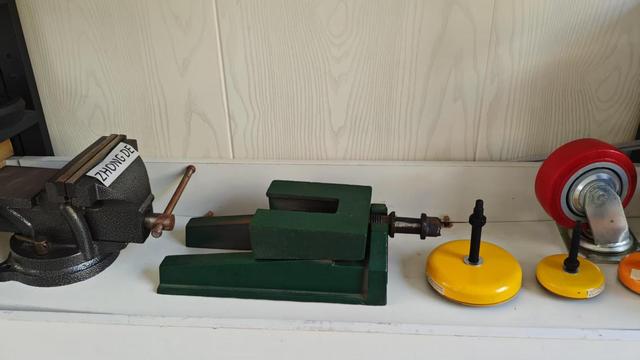
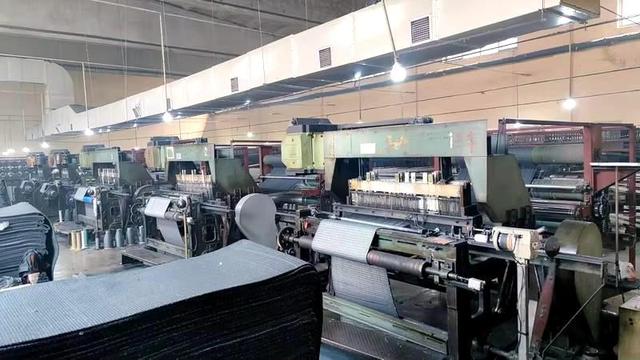
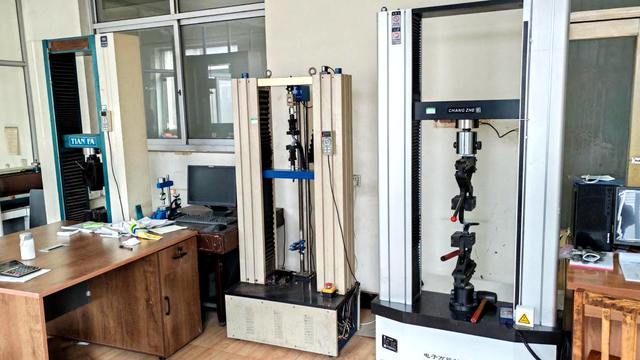
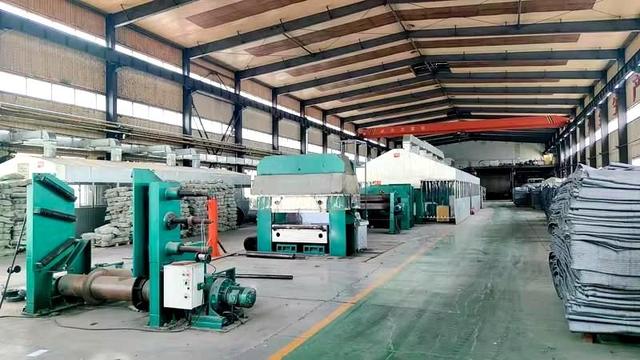
Every roll of conveyor belt we produce undergoes rigorous quality control to ensure long-term durability in real-world industrial environments. Before shipment, all materials are subjected to comprehensive mechanical tests, including tensile load profiling, elongation limits, cover abrasion resistance (ISO 4649), and static charge dissipation checks (ISO 284).
Our quality assurance program is built around several key benchmarks:
We work closely with global distribution networks, engineering groups, and system builders to offer localized technical support. We assist with on-site system audits, belt joint design, mechanical tracking setup, and quick troubleshooting to keep your production running smoothly.
Ensures material safety for direct contact with dry, aqueous, and fatty food products.
Compliance with European plastics directives for food-contact materials.
Certifies anti-static properties and flame-retardant safety for explosive or high-risk industrial zones.
Answers to common engineering and procurement questions regarding material properties, system designs, and maintenance strategies.
 Trakkx Tech