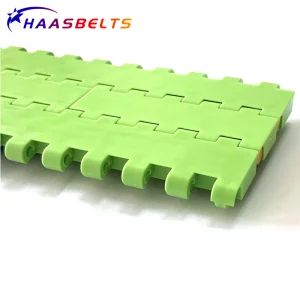
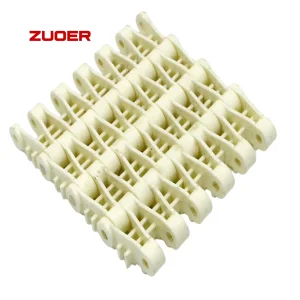
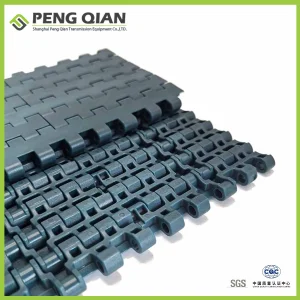
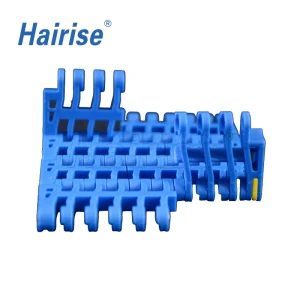
In the modern landscape of high-throughput industrial manufacturing, material handling is no longer a peripheral utility; it is the vital nervous system of the smart factory. Dongguan Trakkx Tech Co., Ltd. stands at the forefront of this industrial transformation. As a professional, leading-edge China conveyor belt manufacturer, Trakkx Tech specializes in high-fidelity industrial material handling and conveying solutions tailored for a vast, demanding spectrum of global industries.
By integrating advanced engineering protocols with precision polymer fabrication, Trakkx Tech designs and delivers conveying systems that directly optimize manufacturing processes, minimize line friction, and dramatically reduce operational overhead. Our extensive product portfolio includes specialized plastic modular belts, full belt conveyor configurations, advanced roller systems, inclined heavy-duty modules, and bespoke assembly solutions engineered to withstand the rigorous standards of international logistics, food hygiene, and heavy industrial automation.
The performance of a modular plastic belt is fundamentally defined by the polymer compounds used in its molding. At Trakkx Tech, our technical teams work closely with premium, certified global chemical suppliers to source raw materials that exhibit exceptional mechanical properties, chemical inertness, and structural stability. Understanding the chemical profiles of our main material groups is critical for selection:
| Polymer Material | Working Temp Range | Tensile Strength (MPa) | Chemical Resistance Profile | Typical Applications |
|---|---|---|---|---|
| Polyethylene (PE) | -73°C to +66°C | Low to Medium | Excellent resistance to acids, bases, and organic solvents. | Blast freezing, spiral cooling towers, meat processing, cold storage logistics. |
| Polypropylene (PP) | +5°C to +104°C | Medium | High chemical resistance. Brittle at very low temperatures. | Sterilization lines, chemical washing, vegetable blanching, elevated-temp packaging. |
| Polyacetal (POM) | -40°C to +90°C | Extremely High | Superior wear resistance, low coefficient of friction. Susceptible to strong acids. | High-speed canning, bottling lines, heavy-duty logistics, long-distance packaging. |
| PA / Nylon (Specialized) | -40°C to +120°C | High | High abrasion resistance. Absorbs moisture (hygroscopic). | Automotive stamping lines, electronic assembly, glass container handling. |
Each material has dedicated stress limits. For instance, POM offers the highest mechanical pull strength, meaning longer conveyor runs can be driven by a single motor. However, PP remains the material of choice for highly acidic food environments. Trakkx Tech’s state-of-the-art injection molding facilities allow us to dynamically inject these polymers with customized additives, creating specialized belts that are flame-retardant, anti-static (ESD), or metal-detectable for maximum downstream food safety.
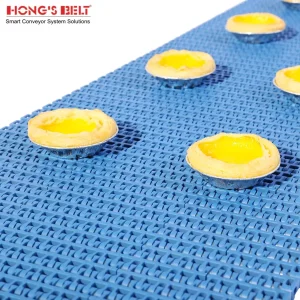
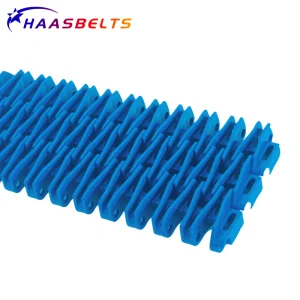
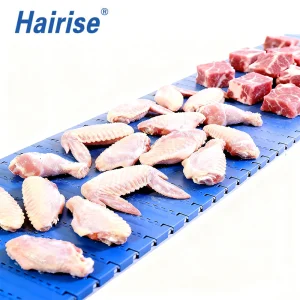
Modern assembly lines and automated processing factories cannot rely on generic, one-size-fits-all conveyor belts. Different segments of a production line require tailored physical structures, ranging from open-area mesh for water drainage to flat-top profiles for tiny parts stability. Below are the macro industry solutions we deliver globally:
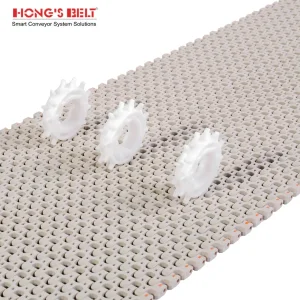
Unlike traditional friction-driven belt systems that rely on continuous tension to prevent slippage (a mechanism prone to stretching and edge-fraying), modular plastic belts utilize a positive-drive sprocket engagement. Molded teeth inside the belt profile align precisely with machined or molded drive sprockets. This positive mechanical interlock ensures:
At Trakkx Tech, we recognize that procurement managers do not merely purchase belts; they purchase supply chain reliability and engineering support. Industrial facilities operate on tight schedules where even one day of unplanned downtime translates into thousands of dollars in lost productivity. This is why we have engineered our business structure to act as a seamless OEM/ODM manufacturing partner for global distributors, machinery system integrators, and industrial brands alike.
We provide custom engineering, dimensional variations (pitch options ranging from 12.7mm to 50.8mm), and specific flight attachments to handle inclined elevation. Every step is backed by strict compliance protocols including ISO 9001:2015 manufacturing standards, FDA-compliant base polymers, and European Union food contact certifications. We serve international markets across North America, Europe, Southeast Asia, and the Middle East, ensuring that our products meet or exceed the performance benchmarks set by legacy global competitors.
Dongguan Trakkx Tech Co., Ltd. operates a highly automated, advanced manufacturing facility. Our production floor features heavy-duty, high-speed plastic injection molding machinery equipped with robotized pick-and-place arms. This high degree of automation ensures perfect dimensional consistency across millions of individual plastic modules. A single structural defect in a modular pin or link could cause a full belt failure, which is why we enforce a zero-defect quality policy.
Every production run undergoes intensive testing protocols, including:
One of the greatest benefits of modular plastic belts is their ease of maintenance. Unlike traditional rubber belts that require professional vulcanization equipment and hours of downtime to repair a simple tear, a modular belt can be repaired in minutes. By removing a single hinge rod (pin), a technician can swap out a damaged module and restore the line to full operation.
To facilitate smooth local operations, Trakkx Tech provides detailed installation guides, technical shaft drawings, and recommendations for sprocket placement. We recommend checking sprocket alignment at regular intervals and maintaining a slight catenary sag on the return run of the conveyor to accommodate polymer expansion and contraction. Our global distributors and engineers are always ready to assist with custom calculations for tension, friction factors, and temperature-related adjustments.
Modular plastic belts offer significant advantages over flat rubber or PVC belts. They are positive-driven (driven by sprockets rather than friction), eliminating slippage, tracking problems, and the need for high tension. Additionally, their segmented design allows for localized repair—if a portion of the belt is damaged, only that specific module needs to be replaced, minimizing downtime. They also offer excellent chemical resistance, easy cleanability, and can handle complex geometries like curves and spirals.
The choice depends heavily on your application environment. Polyacetal (POM) is best for high-strength, low-friction applications (e.g., bottling, heavy packaging) but has limited resistance to strong acids. Polypropylene (PP) is ideal for wet chemical environments and high temperature processing (up to 104°C), but it becomes brittle at very low temperatures. Polyethylene (PE) is the premium choice for low-temperature environments (down to -73°C), such as blast freezing and cold-room logistics, because it retains its impact strength and flexibility.
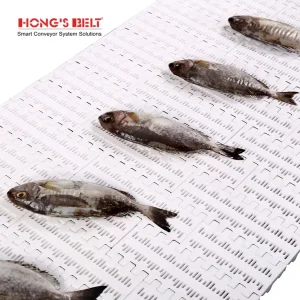
The "Open Area" represents the percentage of open space relative to the solid surface. High open area percentages (such as 30% to 50% found in Flush Grid designs) allow maximum airflow for cooling or freezing applications and rapid drainage for washing systems. Flat-top belts (0% open area) are designed to provide maximum product support and prevent small items from falling through.
Yes, absolutely. We offer fully integrated OEM and ODM services. Our engineering team can design custom molds, adjust belt pitch, add special flights or side guards, and incorporate advanced additives (such as anti-static, flame-retardant, or metal-detectable polymers) to fit your exact system configurations. We work with global system builders to supply custom-length modules and complete conveying structures.
Food safety is our top priority. Our food-grade modular conveyor belts are manufactured using high-quality raw polymer resins certified by the FDA and EU food contact regulations (such as EU 10/2011). Our manufacturing facility enforces strict quality control, producing belts with ultra-smooth surfaces to prevent bacterial buildup and ensure compatibility with standard Clean-in-Place (CIP) cleaning regimes.
Maintenance is straightforward due to the modular design. Simply shut down the conveyor system, relieve belt tension slightly, and extract the connector pin using a standard rod removal tool or screwdriver. Replace the damaged module or link, slide the pin back in, and secure it. This process can typically be completed in under 10 minutes without dismantling the conveyor frame or structure.
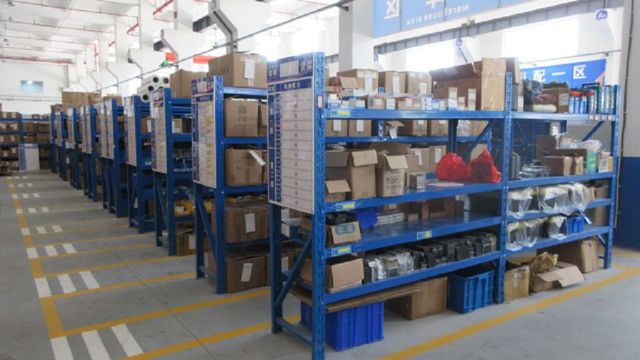
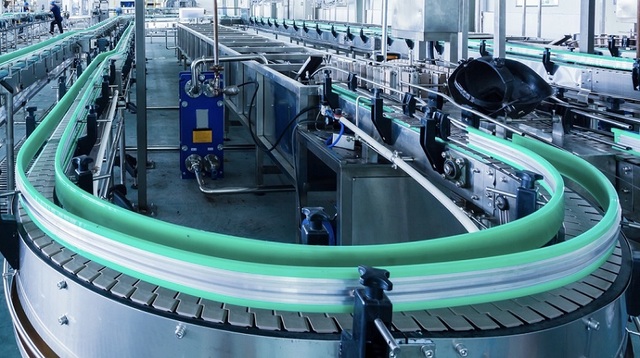
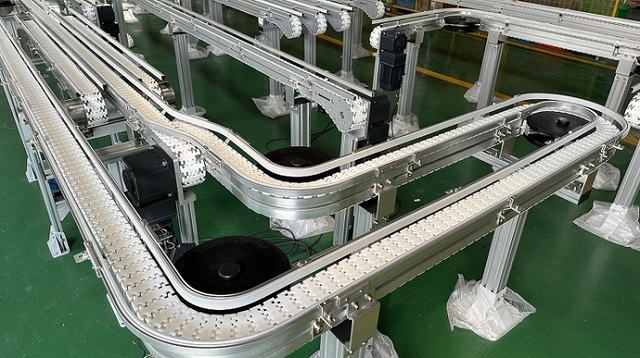
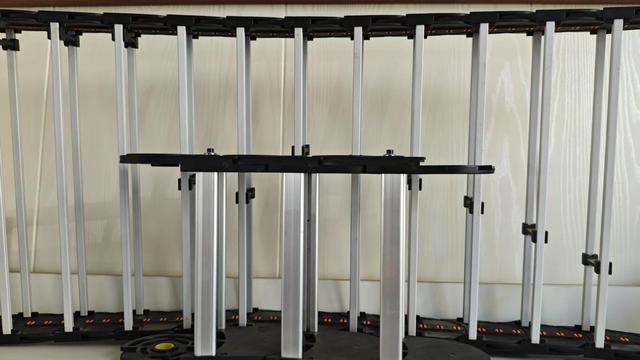
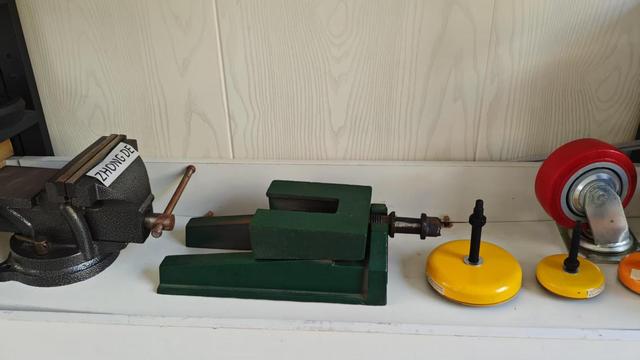
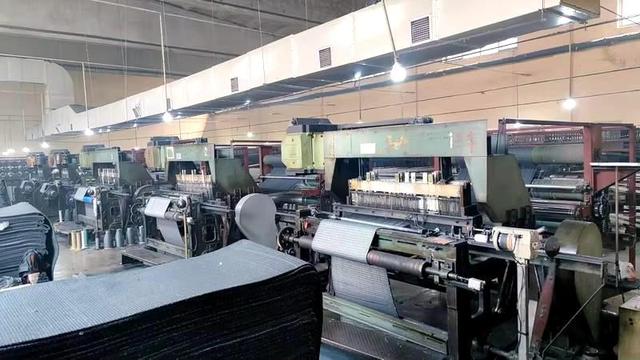
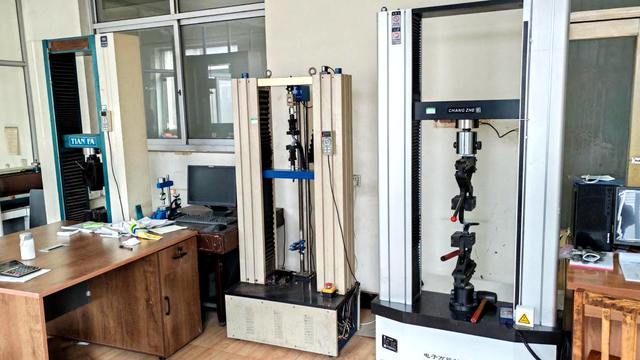
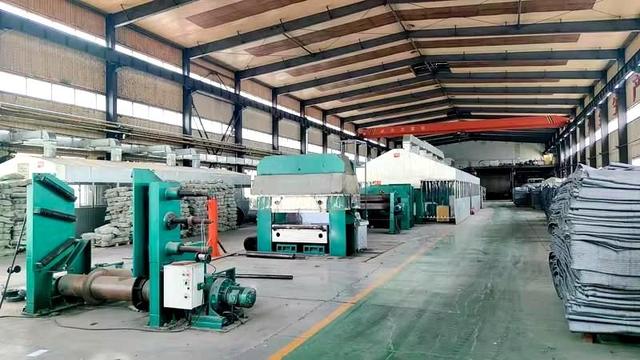
Take an inside look at Dongguan Trakkx Tech Co., Ltd.'s modern manufacturing infrastructure. Equipped with high-precision injection molding, rigorous inspection stations, and optimized logistics warehouses, we guarantee top-tier industrial quality.
 Trakkx Tech