When exploring production or mining facilities, one question often arises: why does a conveyor belt slip? Understanding the factors behind this issue is crucial for maintaining efficiency. Slip can lead to costly downtimes and may damage materials.
Several common causes contribute to conveyor belt slippage. One major reason is inadequate tension. If the belt isn’t properly adjusted, it can lose grip. Another factor is the material being transported; if it’s too heavy or sticky, slippage occurs. Additionally, environmental conditions like moisture can impact friction levels.
Recognizing these issues is vital for operations. Slipping can disrupt workflows, leading to financial losses. Organizations need to prioritize maintenance checks to identify and correct potential slip causes. Awareness and proactive measures can significantly enhance productivity, yet mistakes often happen in the monitoring process. In the end, addressing why does a conveyor belt slip is essential for optimal operation.
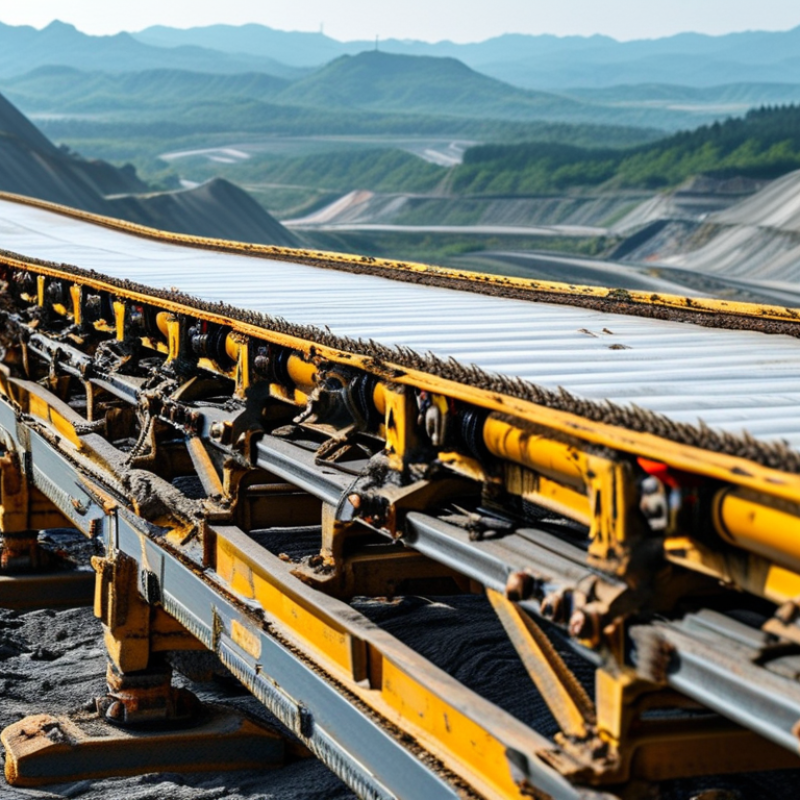
Common Causes of Conveyor Belt Slipping
Conveyor belt slipping can significantly impact productivity. Understanding the common causes helps in troubleshooting. One major reason is improper tension. If a belt is too loose, it may not grip the pulleys effectively. This leads to slippage, creating delays in operations.
Another common cause is wear and tear. Over time, belts can wear down, reducing their grip. Regular inspections are crucial. Look for signs of fraying or thinning. These can indicate that the belt needs replacement. Additionally, contamination from oil or debris can affect traction.
Tips: Regularly clean the belt area. This keeps the surface free from materials that can cause slipping. Maintain proper tension at all times. Adjustments may be needed as belts stretch over time. Always refer to the manufacturer's recommendations for maintenance schedules. Implementing these strategies can help minimize slippage and enhance workflow efficiency.
Insufficient Tension in the Conveyor System
Insufficient tension in a conveyor system can lead to significant operational challenges. When the tension is too low, the conveyor belt may fail to grip the pulley properly. According to industry studies, approximately 40% of conveyor belt slippage issues stem from inadequate tension. This can cause material spills and equipment wear, increasing maintenance costs.
A well-maintained tensioning system should adjust to changes in load and wear. Insufficient tension also reduces the belt’s lifespan, which can result in larger replacement expenses over time. Reports indicate that belts may last up to 30% longer when adequately tensioned. Yet many facilities overlook this aspect during maintenance, leading to costly production delays.
Regular inspections and proactive adjustments can mitigate slippage caused by low tension. Proper training of maintenance staff is essential. Employees should recognize signs of improper tension. Reliance solely on automated systems may not address human errors that occur. An investment in employee education might yield dividends by improving system reliability and safety.
Wear and Tear of Conveyor Belt Surfaces
Conveyor belts are vital in many industries. Over time, wear and tear on belt surfaces can lead to significant issues. It’s crucial to understand the causes of this deterioration. Regular inspection is key to maintaining optimal performance.
One common reason for surface wear is friction. Repeated contact with materials can cause the belt to wear thin. This issue can escalate, leading to slippage. Additionally, environmental factors like temperature and humidity can impact belt durability. Exposure to chemicals can also weaken the surface, making it less effective.
Another contributor is misalignment. A misaligned conveyor system places uneven stress on the belt. This can lead to premature wear in specific areas. Operators must ensure that the system is well-calibrated. Keeping an eye on these details can prolong the belt’s lifespan. Regular maintenance checks should focus on surface condition and alignment issues to prevent unexpected failures.
Improper Alignment of Conveyor Components
Improper alignment of conveyor components is a major cause of belt slippage. When components such as pulleys, rollers, and idlers are not aligned properly, the belt can run off track. This misalignment can lead to uneven wear and significant mechanical issues. According to industry reports, misalignment accounts for nearly 60% of all conveyor system failures. Such misalignments create tension variations, making the belt more prone to slipping.
Regular maintenance is essential to prevent alignment issues. Operators should check the alignment of all components frequently, especially after installation or adjustment. A simple inspection can save time and costs. It can help identify potential problems before they escalate. Ensure pulleys are square to the frame. Also, verify that belt tension is appropriately set.
Tip: Using laser alignment tools can significantly enhance accuracy. These tools help to identify misalignments quickly, ensuring timely corrections. This proactive approach minimizes downtime and enhances efficiency. Keeping a detailed log of maintenance checks can track changes over time. It provides insights into recurring problems, prompting needed adjustments.
Contamination on the Conveyor Belt Surface
Contamination on the conveyor belt surface is a common issue for many industries. Dirt, grease, and debris can accumulate over time. This buildup affects the belt’s traction and may lead to slippage. When the surface is not clean, the friction between the belt and the materials can decrease. This causes items to misalign during transport.
Additionally, certain materials can be more prone to contamination. For example, powders and granules often create dust. This dust settles on the belt, leading to an oily or gritty surface. Regular cleaning protocols are essential to maintain optimal conditions. Neglecting this can result in increased repairs and operational downtimes.
Friction must be consistently monitored. It’s crucial to inspect the belt for contaminants frequently. Even minor debris can cause bigger problems down the line. Operators should also evaluate the environment where the conveyor operates. Humidity and temperature can worsen contamination. Regular training on maintenance is key, yet often overlooked. Missteps can lead to costly consequences in production processes.
Common Causes of Conveyor Belt Slip
This chart illustrates the common causes of conveyor belt slip based on recent incident analyses. Contamination is the leading cause, followed by misalignment and worn belts. Understanding these factors can help in preventative maintenance and reducing operational downtime.
Loading Overload and Its Impact on Belt Performance
Loading overload on a conveyor belt can lead to significant performance issues. When the belt carries more weight than it is designed for, it strains the entire system. This can result in slippage, reducing efficiency and increasing wear on components. It is crucial to understand the maximum load capacity of your conveyor system to avoid these pitfalls.
Excessive loading often occurs in high-demand environments. A busy warehouse may rush to keep up with order fulfillment. Operators might overlook loading limits to speed up processes. This mindset can lead to costly downtime and repairs. Regular training and awareness can help mitigate these risks. By fostering a culture of load awareness, teams can enhance performance while ensuring equipment longevity.
Monitoring and adjusting load conditions is essential. Operators should regularly check for signs of wear on the belt. If slippage occurs, it is vital to reassess loading practices. Reflecting on workflow efficiency can further minimize the risk of overloading. Ultimately, understanding and addressing loading overload can significantly improve belt performance and operational success.
Why Does a Conveyor Belt Slip? 5 Common Causes Explained
| Cause |
Description |
Impact on Belt Performance |
| Loading Overload |
Exceeding the maximum load capacity can lead to slippage. |
Increased wear on the belt, leading to potential failure. |
| Improper Tension |
Inadequate or excessive tension setting can affect grip. |
Inconsistency in belt movement and increased risk of slippage. |
| Belt Misalignment |
Improper alignment can cause uneven wear and slippage. |
Reduced efficiency and potential damage to the belt. |
| Surface Contamination |
Oil, dirt, and other materials can reduce friction. |
Increased chances of slipping during operation. |
| Wear and Tear |
Over time, belts naturally degrade and lose effectiveness. |
Higher risk of slippage and overall system failure. |
FAQS
: Improper tension is a major cause. A loose belt fails to grip the pulleys.
Over time, belts wear down. Reduced grip can lead to slippage and delays.
Inspections reveal signs of fraying or thinning. These indicate the need for belt replacement.
Dirt, grease, and debris can accumulate. This buildup reduces traction and leads to slippage.
Regularly check the alignment after installation or adjustments. Misalignment can cause significant issues.
Laser alignment tools enhance accuracy. They quickly identify misalignments, preventing downtime.
A clean surface maintains optimal traction. Neglecting this can increase repairs and downtime.
Humidity and temperature can worsen contamination. Monitoring the environment is essential for maintenance.
Training on maintenance protocols is frequently neglected. Missteps can lead to costly production issues.
Keeping a detailed log helps identify recurring problems. This allows for timely adjustments and improvements.
Conclusion
Understanding "why does a conveyor belt slip" is crucial for maintaining efficient operations in any conveyor system. Several common causes contribute to this issue, starting with insufficient tension within the conveyor system, which can prevent the belt from gripping properly. Additionally, wear and tear on the surfaces of the conveyor belt can reduce friction, leading to slippage over time.
Improper alignment of conveyor components can also hinder the belt’s performance, resulting in uneven wear and increased risk of slipping. Another factor to consider is contamination on the conveyor belt surface, which can create slippery conditions that further disrupt movement. Lastly, loading overload can place excessive strain on the belt, impacting its ability to function correctly and increasing the likelihood of slippage. By addressing these factors, operators can significantly reduce the chances of conveyor belt slippage and enhance overall system reliability.

 Trakkx Tech