Conveyor belts play a crucial role in various industries, ensuring smooth operations and efficiency. However, many overlook the importance of regular maintenance. Why is conveyor belt maintenance important? Neglecting this essential aspect can lead to costly downtimes and reduced productivity. Effective maintenance ensures that belts function optimally, preventing unexpected failures.
Routine checks can catch wear and tear early. This proactive approach minimizes the risk of accidents. An unmaintained conveyor belt may not only malfunction but can also pose safety hazards to workers. Regular maintenance helps extend the life of the conveyor system, saving companies significant repair costs in the long run.
Moreover, a well-maintained belt enhances product flow and minimizes wastage. On the contrary, businesses that ignore these practices may face inefficiencies. The consequences might be unseen initially, but they grow over time. In conclusion, understanding why is conveyor belt maintenance important is vital for success and safety in the workplace.
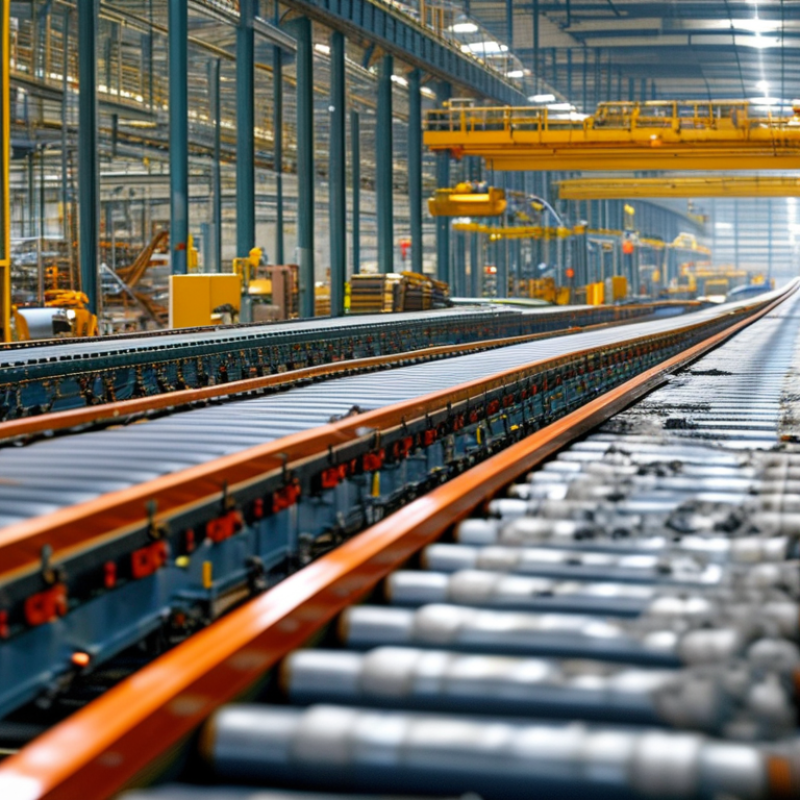
Conveyor belt maintenance plays a critical role in ensuring operational continuity. A well-maintained conveyor belt minimizes downtime, allowing operations to run smoothly. Regular inspections can identify wear and tear early. This proactive approach saves time and money in the long run. Failing to address minor issues can lead to major breakdowns. In a busy facility, unexpected failures can halt production entirely.
Effective maintenance also enhances safety in the workplace. A malfunctioning conveyor belt can pose hazards to employees. Regular maintenance helps reduce these risks. It ensures that belts operate within safe limits. Engaging trained personnel for maintenance tasks can improve reliability. Their expertise brings attention to overlooked components. This specialized knowledge can catch problems that general maintenance might miss.
Investing in maintenance is not just about efficiency; it reflects a commitment to quality. Companies that prioritize this often see better overall performance. However, some organizations overlook this crucial aspect. They may have limited budgets or focus on immediate needs. These short-sighted decisions can have long-term consequences. Continuity relies on consistent effort, and maintenance is a fundamental part of that equation.
This bar chart illustrates the importance of conveyor belt maintenance across ten critical factors, rated on a scale from 1 to 10. Regular maintenance is vital to enhance operational efficiency and minimize disruptions in the workflow.
Neglecting conveyor belt maintenance can significantly impact productivity levels in various industries. A comprehensive study by the Conveyor Equipment Manufacturers Association indicates that inadequate maintenance can lead to a 20% reduction in system efficiency. This figure highlights the serious consequences of overlooking routine maintenance tasks. When conveyor belts operate at lower efficiency, it directly translates to delays in production cycles and increased downtime.
Scheduled maintenance can prevent costly breakdowns. For instance, lubricating moving parts and checking for wear can save companies from $20,000 to $50,000 annually on repairs. Regular inspections also help identify potential issues before they escalate, reducing unexpected disruptions in operations. Many experts agree that frequent, minor adjustments are far more effective than infrequent, major overhauls.
**Tips:** Train your staff on proper maintenance protocols. Use checklists to ensure all tasks are completed. Monitor belt performance regularly to identify and address minor issues early. Engage with industry reports to stay updated on best practices and technologies. Prioritizing these strategies fosters a culture of care and attention that enhances overall productivity.
| Reason | Impact on Productivity | Maintenance Frequency (Months) | Consequences of Neglect |
|---|---|---|---|
| Reduces Downtime | Increased operational hours | 1 | Higher risks of unexpected failure |
| Enhances Safety | Fewer accidents on the floor | 3 | Increased liability and injury costs |
| Improves Product Quality | Consistent production quality | 2 | Quality control issues |
| Extends Equipment Lifespan | Reduced replacement costs | 6 | Increased capital expenditure |
| Optimizes Energy Use | Lower operational costs | 4 | Higher energy bills |
| Facilitates Smooth Operation | Smoother workflow | 1 | Increased conveyor jams |
| Promotes Predictive Maintenance | Data-driven decisions | 6 | Reactive rather than proactive issues |
| Enhances Workflow Efficiency | Higher throughput | 2 | Slow production rates |
| Improves Employee Morale | Increased job satisfaction | 3 | Low morale and productivity |
| Strengthens Compliance | Regulatory adherence | Monthly | Fines and penalties |
Neglecting conveyor belt maintenance can lead to significant cost implications for businesses. A worn-out or poorly maintained conveyor belt may cause frequent breakdowns. These breakdowns result in costly downtime. When production halts, profits can quickly dwindle. Repairing or replacing a damaged belt can also strain budgets. Furthermore, labor costs increase as workers wait for repairs.
Regular maintenance can seem like an added expense, but it pays off in the long run. Small issues, if left unattended, can escalate into major problems. The cost of a simple alignment issue can multiply if it leads to belt damage. Investing in routine checks and replacements can prevent expensive surprises. It’s an investment in efficiency and reliability.
Moreover, ignoring maintenance can impact product quality. A malfunctioning belt may misalign goods or increase wear and tear. This can lead to higher rejection rates and wasted materials. Ultimately, the financial repercussions of neglecting conveyor belt care can far exceed the costs of proper maintenance. The question remains: is short-term savings worth the long-term expense?
Conveyor belt maintenance is crucial for any operation relying on material handling. Regular preventive maintenance can significantly enhance efficiency. For instance, a report from the Conveyor Equipment Manufacturers Association states that proper maintenance can reduce downtime by 25%. With reduced downtime, operations can meet demands more reliably.
Implementing predictive maintenance techniques is vital. Utilizing vibration analysis, for instance, can detect wear before it leads to failure. This technique allows teams to schedule repairs proactively. According to a study published in the Journal of Quality in Maintenance Engineering, predictive maintenance can lower maintenance costs by 20% on average. Regular inspections and lubrication also play a key role. They help identify small issues before they escalate into costly repairs.
However, many organizations overlook these practices. Often, they react only after a failure occurs. This reactive approach can lead to unplanned shutdowns, which cost time and money. Investing in training for maintenance staff is essential. Knowledgeable staff can spot issues that others might miss. This can enhance the longevity of the conveyor system, ultimately improving operational efficiency. In the end, integrating preventive measures can create a more reliable and efficient workflow.
Recognizing signs that indicate the need for immediate conveyor belt attention is crucial for maintaining efficiency. One common signal is unusual noises. Grinding or squeaking sounds often mean misalignment or wear. According to a report by the Conveyor Equipment Manufacturers Association (CEMA), these noises can indicate underlying issues that may worsen if ignored.
Another significant warning sign is visible wear and tear. This can include fraying, cracking, or splitting of the belt. Research indicates that belts showing such damage can lead to a 20% decrease in operational efficiency. Additionally, improper tracking is a clear indicator. If the belt is not aligned correctly, it can cause excess friction and increase wear. CEMA data suggests that regular checks for proper alignment can extend equipment life.
Vibrations during operation are also a red flag. Increased vibrations often indicate an imbalance or loose components. Industry studies show that these vibrations can result in significant downtime. Monitoring the conveyor system diligently helps in early detection. Addressing these issues promptly can save 30% on maintenance costs over time. Regular inspections are not just a good practice but an essential part of operational efficiency.
: It minimizes downtime and keeps operations running smoothly.
It can lead to major breakdowns and halt production entirely.
Regular maintenance reduces hazards from malfunctioning equipment.
Unusual noises, visible wear, and improper tracking indicate issues.
Proper maintenance can save companies $20,000 to $50,000.
Short-sighted decisions can have long-term consequences on productivity.
Inadequate maintenance can reduce system efficiency by 20%.
Their expertise catches issues that general maintenance might overlook.
Training staff and using checklists can improve routine upkeep.
Increased vibrations often mean an imbalance or loose components.
Maintaining conveyor belts is crucial for ensuring operational continuity and maximizing productivity levels in any facility. Poor conveyor belt maintenance can lead to significant downtimes, hampering productivity and negatively impacting overall efficiency. This raises the question: why is conveyor belt maintenance important? Neglecting proper care can also result in high cost implications, from increased repairs to potential replacement, ultimately affecting the bottom line.
Implementing preventive maintenance techniques not only enhances conveyor efficiency but also prolongs the lifespan of the equipment. Recognizing common signs that indicate the need for immediate attention—such as unusual noises, misalignment, or wear and tear—can prevent costly disruptions and ensure smooth operations. Therefore, investing time and resources into conveyor belt maintenance is essential for maintaining a seamless production flow and achieving optimal performance.

Trakkx Tech