Understanding Conveyor Belt Tracking for Efficient Operations

Time:2026-07-06 Author:Ethan
0%

In the realm of industrial operations, understanding conveyor belt tracking is crucial. But what is conveyor belt tracking? It refers to the method of aligning a conveyor belt to prevent it from drifting. Proper tracking ensures smooth and efficient material handling. Misalignment can lead to wear and tear on both the belt and the equipment.

Effective tracking mechanisms are essential for optimal performance. When belts operate outside their designated paths, the consequences can be costly. It can cause product damage, increased maintenance, and downtime. Companies may overlook these issues until they escalate, emphasizing the need for proactive tracking solutions. A deep comprehension of tracking principles can lead to a more streamlined operation.

Industries today prioritize reliability and efficiency. Implementing effective tracking techniques can enhance productivity. However, organizations often face challenges. As equipment ages or operational conditions change, adjustments are necessary. A continuous evaluation of conveyor belt systems can uncover hidden inefficiencies. This calls for expertise to navigate the complexities of tracking. Knowing what conveyor belt tracking entails is the first step towards achieving operational excellence.
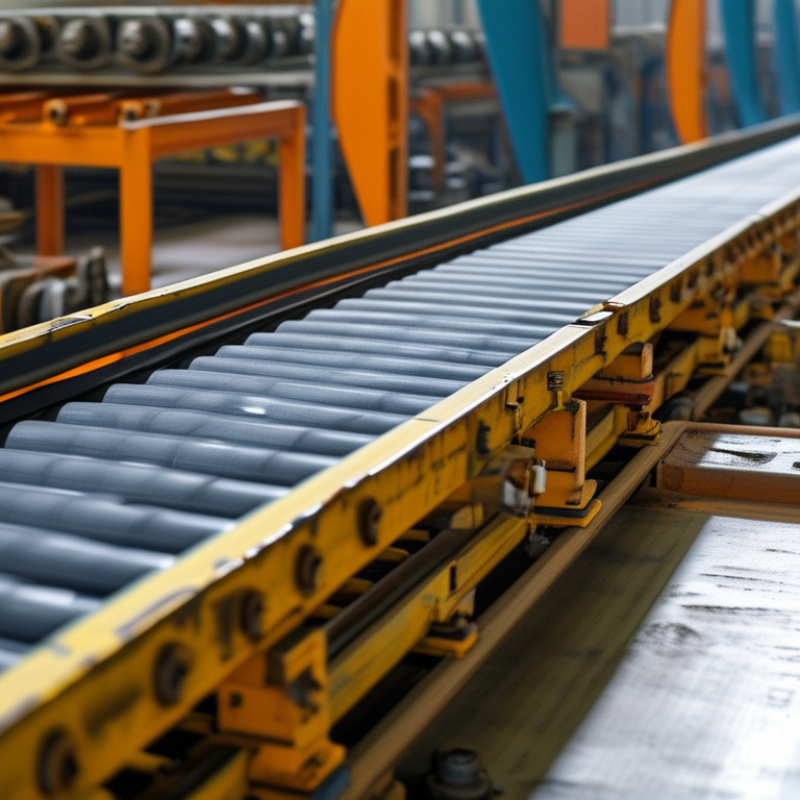
Understanding Conveyor Belt Tracking for Efficient Operations

Types of Conveyor Belt Tracking Systems and Their Applications

Conveyor belt tracking systems are essential for maintaining operational efficiency. There are several types of tracking systems, each suited to specific applications. For example, mechanical tracking systems use rollers to guide the belt. These systems are simple and effective but require regular manual adjustments.

Another approach is the use of electronic tracking systems. These systems employ sensors to detect misalignment and adjust the belt automatically. While they offer precise control, their complexity can lead to higher maintenance costs. Understanding the right system for a specific environment is crucial.

Another noteworthy method is the use of crowned pulleys. These pulleys help keep the conveyor belt centered. However, they can wear out over time and may need replacement more frequently. Companies must weigh the pros and cons of each system. Each choice can impact overall efficiency and cost-effectiveness. Choosing the right system demands careful consideration and a willingness to adapt to unique operational needs.

Key Factors Affecting Conveyor Belt Tracking Efficiency

Conveyor belt tracking is essential for smooth operations in various industries. However, many factors affect its efficiency. One notable factor is the alignment of the belt. If the belt is not correctly aligned, it can lead to uneven wear. This uneven wear can create maintenance challenges and shorten the belt’s lifespan.

Another crucial aspect is the tension of the belt. Insufficient tension may cause slippage, while excessive tension can strain components. Both scenarios create operational inefficiencies. Additionally, environmental conditions play a significant role. Dust, moisture, and temperature can impact the tracking capabilities of the belt. Regular monitoring and adjustments are vital for optimizing performance.

User training is often overlooked but is essential. Employees must understand how to check and adjust belt tracking. Misunderstandings can lead to operational issues. Regular training can enhance the team’s awareness and skill level. Investing time in training pays off with fewer disruptions and improved efficiency. It's necessary to constantly evaluate tactics for tracking, focusing on both successes and failures.

Common Issues in Conveyor Belt Tracking and Their Solutions

Conveyor belt tracking is vital for maintaining operational efficiency. Misalignment can lead to various issues, including belt wear and material spillage. According to industry studies, up to 30% of conveyor downtime is caused by tracking problems. This not only affects productivity but also increases maintenance costs significantly.

Common tracking issues include improper belt tension, misaligned pulleys, and worn-out rollers. For instance, a belt with insufficient tension can slip off, leading to unplanned shutdowns. To address these problems, regular inspections are essential. Approximately 70% of companies report improved performance after implementing systematic tracking evaluations. Identifying misalignment early helps prevent costly repairs.

Visual indicators like tracking guides can also help. These guides are simple yet effective in providing real-time feedback. However, many facilities overlook their importance. Adequate training for personnel on tracking techniques can enhance efficiency as well. Research indicates that well-trained staff can decrease tracking errors by 25%. Keeping these aspects in mind enables businesses to streamline their conveyor operations effectively.

Best Practices for Maintaining Proper Conveyor Belt Alignment

Proper conveyor belt alignment is crucial for efficient operations. Misalignment can lead to excessive wear and costly downtime. Regular inspections are essential to identify issues early. Understanding how to track belts effectively helps minimize problems later on.

One best practice involves monitoring the tracking process frequently. Minor adjustments can make a significant difference. It's important to inspect the side rollers and pulleys regularly. Ensure they are clean and functioning well. Lubrication can prevent friction, which often causes misalignment.

Training personnel is equally vital. Employees should recognize signs of tracking problems. This knowledge empowers them to act quickly. It's a continuous learning process, and mistakes may happen. Reflecting on past issues can improve future performance.

Understanding Conveyor Belt Tracking for Efficient Operations

This bar chart illustrates the relationship between the proper alignment of conveyor belts and their operational efficiency. The dimensions include alignment angle (in degrees) and operational efficiency (measured in percentage). Maintaining the correct alignment of a conveyor belt is crucial for minimizing wear and tear and maximizing productivity.

The Role of Technology in Enhancing Conveyor Belt Tracking Performance

Conveyor belt tracking is crucial for efficient operations. Technology plays a significant role in improving this process. Advanced sensors and monitoring systems can detect misalignments in real-time. This immediate feedback helps operators make necessary adjustments. Improved tracking minimizes material losses and enhances workflow. Efficiency is key in industries relying on conveyor systems.

Automation simplifies tracking processes. Automated systems can adjust belt tension and alignment without human intervention. For instance, a self-adjusting roller can correct the belt's path. These innovations reduce downtime and maintenance costs. However, technology isn't foolproof. Misalignments can still occur due to wear and tear. Regular inspections remain essential for optimal performance.

Data analytics offers insights into conveyor belt performance. By analyzing operational data, operators can identify patterns. Recognizing potential issues before they escalate is vital. Still, relying solely on technology may lead to oversight. Human experience and intuition are important companions to tech solutions. Balancing these elements fosters an efficient operational environment.

FAQS

: What are conveyor belt tracking systems?

: Conveyor belt tracking systems help maintain belts in proper alignment. They ensure operational efficiency and reduce downtime.

How do mechanical tracking systems work?

Mechanical systems use rollers to guide the belt. They are simple, but require manual adjustments regularly.

What advantages do electronic tracking systems provide?

Electronic systems use sensors for real-time adjustments. They offer precision but can be costly to maintain.

What role do crowned pulleys play in conveyor systems?

Crowned pulleys help keep belts centered. However, they can wear quickly and need frequent replacement.

Why is proper conveyor belt alignment essential?

Misalignment causes wear and leads to costly downtime. Proper alignment keeps operations smooth and efficient.

What are some best practices for maintaining alignment?

Regular inspections are crucial. Monitor side rollers, pulleys, and ensure lubrication to prevent friction issues.

How can employee training benefit conveyor operations?

Training enables employees to spot tracking problems early. Quick action can reduce misalignment and downtime.

Can mistakes in tracking procedures be avoided?

Mistakes may occur, but reflecting on them aids improvement. Continuous learning is necessary for better performance.

What impact do tracking systems have on operations?

The right tracking system influences efficiency and costs. Each option has its pros and cons to consider carefully.

Conclusion

Conveyor belt tracking is a crucial aspect of ensuring efficient operations in various industries. It refers to the methods and systems used to align and maintain the correct positioning of conveyor belts during their operation. Different types of conveyor belt tracking systems are utilized based on specific applications, with key factors such as belt tension, surface friction, and mechanical adjustments playing significant roles in their effectiveness.

Common issues include misalignment and wear and tear, which can lead to operational inefficiencies. However, implementing best practices, such as regular maintenance and monitoring, can significantly improve alignment and performance. Additionally, advancements in technology, including sensors and control systems, are enhancing conveyor belt tracking performance, making it easier to address challenges and optimize operations. Understanding what conveyor belt tracking entails is essential for organizations aiming to maximize productivity and reduce downtime.

Ethan

Ethan

Ethan is a seasoned marketing professional with a deep expertise in our company's innovative product line. With a passion for sharing knowledge and insights, he takes the lead in regularly updating our corporate blog, where he explores industry trends, product features, and effective marketing......