What Factors Impact Conveyor Belt Performance in 2026?

Time:2026-07-26 Author:Amelia
0%

In the evolving landscape of logistics, understanding what factors affect conveyor belt performance is crucial for operational efficiency. As industries advance into 2026, the demand for high-speed and reliable conveyor systems grows. Businesses rely on these systems for transporting materials, and any failures can lead to significant delays and costs.

Environmental conditions are a primary consideration. Temperature fluctuations can impact the material properties of conveyor belts. Additionally, the type of materials transported plays a vital role in performance. For instance, abrasive materials may cause more wear and tear than lighter, non-abrasive ones. Furthermore, improper installation can lead to premature failure.

Technology is also shaping conveyor belt performance. Automation and smart sensors help monitor belt conditions, yet many companies still struggle with maintenance scheduling. This can be a point of reflection, as neglecting regular checks can compromise systems. Understanding these diverse factors is essential for optimizing conveyor performance in the years ahead.
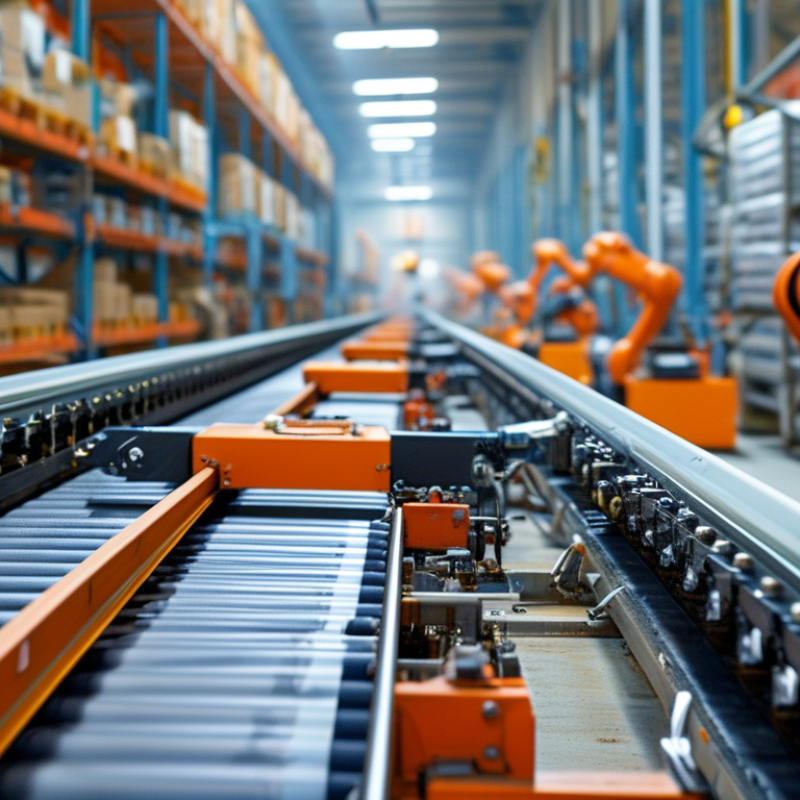
What Factors Impact Conveyor Belt Performance in 2026?

Current State of Conveyor Belt Technology in 2026

The landscape of conveyor belt technology in 2026 reflects both advancements and ongoing challenges. Innovations have emerged, focusing on materials that enhance durability and flexibility. This evolution supports increased efficiency in various industries, from manufacturing to logistics. Yet, reliability remains a concern. Many systems still face breakdowns, impacting productivity.

Today’s conveyor belts utilize lightweight composites and smart sensors. These features allow for real-time monitoring and maintenance alerts. However, not all installations adopt these technologies. Some facilities still rely on outdated systems, leading to higher operational costs and inefficiencies. The gap between tech adoption and practical use raises questions about training and investment.

As sustainability becomes a priority, environmentally friendly materials gain traction. However, manufacturers grapple with balancing eco-friendliness and performance. Some solutions may compromise durability, causing potential setbacks. In the quest for progress, it’s essential to revisit the basics. Regular assessments of performance metrics and employee training programs can bridge these gaps.

Key Material Innovations Influencing Conveyor Belt Performance

In 2026, conveyor belt performance will heavily rely on material innovations. Recent advancements in polymers and composites promise enhanced durability and flexibility. Environmentally-friendly materials are gaining traction, offering sustainable options without compromising strength. These innovations can significantly reduce operational costs over time.

Tips: Always evaluate the specific requirements of your application. Each material comes with strengths and weaknesses. Consider the environmental conditions and load types for optimal performance.

Besides materials, design plays a critical role in performance. Modular designs make upgrades easier and cheaper. They also allow for quick adjustments to the system as needs change. We should reflect on how often systems are updated and ensure maintenance strategies evolve too.

Tips: Regular training for operators can enhance efficiency. A well-informed team can identify issues before they escalate. Invest in training to maximize your belt performance.

What Factors Impact Conveyor Belt Performance in 2026?

This chart illustrates the various factors impacting conveyor belt performance in 2026, with scores representing their relative influence. Material strength and load capacity are emphasized as critical for optimal functionality.

Environmental Factors Affecting Conveyor Belt Efficiency

Conveyor belts play a crucial role in various industries, but their performance can be significantly impacted by environmental factors. Temperature fluctuations, for instance, can affect the elasticity and durability of the materials used for these belts. Studies indicate that extreme temperatures can lead to a decrease in lifespan by up to 30%. This is particularly concerning in regions with severe weather conditions.

Humidity is another important factor. High levels of moisture can cause the belts to absorb water, leading to increased weight and reduced efficiency. A report by the International Conveyor Systems Association highlights that wet conditions can reduce belt efficiency by approximately 15%. Conversely, dry environments can result in static buildup, potentially causing safety issues.

Extreme outdoor conditions, such as dust and debris, can also disrupt conveyor system operations. Dust accumulation can lead to friction and overheating, which may halt production. Understanding these factors is essential for optimizing conveyor belt systems. Companies need to regularly assess and adapt their operational strategies to mitigate environmental impacts.

Operational Parameters and Their Role in Belt Performance

Conveyor belt performance is influenced by multiple operational parameters. Factors such as tension, alignment, and load impact overall efficiency. Industry reports indicate that misalignment alone can reduce belt life by up to 50%. Regular checks on belt tension and alignment help mitigate risks.

Temperature also plays a crucial role. Optimal performance typically occurs between 20°C to 30°C. Deviations from this range can lead to reduced flexibility and increased wear. A study found that every 10°C increase can cut rubber lifespan by 30%. Understanding thermal effects is essential for maintaining peak performance.

**Tips:** Regular monitoring of operational conditions is vital. Invest in alignment tools to prevent misalignment. Keep track of temperature fluctuations in work environments to prolong belt life. A proactive approach can save time and reduce costs in the long run.

What Factors Impact Conveyor Belt Performance in 2026? - Operational Parameters and Their Role in Belt Performance

Operational Parameter Impact on Performance Optimal Range Measured Units
Belt Tension Critical for maintaining proper tracking and reducing wear 1000 - 1500 N/m Newton per meter
Speed Influences material handling efficiency and energy consumption 0.5 - 5 m/s Meters per second
Load Capacity Affects structural integrity and operational efficiency 500 - 2000 kg/m Kilograms per meter
Temperature Critical for preventing material and belt degradation -10 to 60 °C Degrees Celsius
Belt Material Determines durability and wear resistance Polyester, Nylon, Steel cord Material Type

Future Trends and Predictions for Conveyor Belt Systems

As we move into 2026, the landscape of conveyor belt systems is evolving. Innovations are shaping the way these systems function, emphasizing efficiency and sustainability. Smart technology integration is a key trend. Sensors and automation are making systems more responsive. This allows for real-time monitoring and adjustments, reducing downtime.


Sustainability is becoming a vital factor. Companies are now seeking eco-friendly materials. These new materials help reduce the environmental impact of conveyor systems. Recyclable components and energy-efficient motors are at the forefront. However, the balance between cost and sustainability remains a challenge. Businesses must reflect on their choices, as eco-friendly options can sometimes be more expensive upfront.


Reliability continues to be essential in material transport. Regular maintenance practices evolve as technology does. Predictive maintenance tools enhance system longevity. However, these systems can falter if not implemented correctly. Training employees on new technologies is crucial. Without proper knowledge, even the best systems can underperform.

FAQS

: What are the advancements in conveyor belt technology in 2026?

: Innovations focus on durability and flexibility, enhancing efficiency in industries like manufacturing and logistics.

Why is reliability a concern for conveyor belt systems?

Many systems still experience breakdowns, negatively impacting productivity and leading to operational challenges.

How do smart sensors contribute to conveyor performance?

Smart sensors enable real-time monitoring and alerts, but not all facilities have adopted this technology.

What happens when factories use outdated conveyor systems?

Relying on outdated systems can increase operational costs and create inefficiencies in production processes.

What role do operational parameters play in conveyor belt performance?

Factors like tension and alignment significantly affect efficiency; misalignment can reduce belt life by up to 50%.

Why is temperature important for conveyor belts?

Optimal performance occurs between 20°C to 30°C; higher temperatures can drastically reduce rubber lifespan.

What should facilities do to maintain conveyor belts effectively?

Regular monitoring, alignment checks, and temperature tracking can enhance longevity and performance.

Are environmentally friendly materials effective for conveyor belts?

While eco-friendly options are gaining attention, they may not always match performance needs, requiring careful balance.

How can training programs impact conveyor system efficiency?

Investing in employee training ensures proper use and maintenance, which is crucial for maximizing operational efficiency.

What can undermine the progress in conveyor belt technology?

Compromises between eco-friendliness and durability can potentially slow advancements and impact reliability.

Conclusion

The article "What Factors Impact Conveyor Belt Performance in 2026?" examines the various elements that influence conveyor belt effectiveness in modern industrial applications. It highlights the current advancements in conveyor belt technology, showcasing key material innovations that enhance durability and functionality. Additionally, the article delves into environmental factors such as temperature fluctuations and humidity levels that can significantly affect conveyor belt efficiency.

Furthermore, operational parameters such as speed, load capacity, and maintenance routines are discussed as critical determinants of belt performance. As industries continue to evolve, the article anticipates future trends in conveyor belt systems, suggesting that an understanding of what factors affect conveyor belt performance will be essential for optimizing operations and enhancing productivity in the years to come.

Amelia

Amelia

Amelia is a seasoned marketing professional with a wealth of expertise in our company’s core offerings. With an unwavering passion for driving growth and innovation, she plays a pivotal role in shaping our marketing strategies and enhancing brand visibility. A key aspect of her responsibilities......