Choosing the right conveyor belt is rarely a matter of selecting the strongest option. It requires a clear view of the material, route, speed, loading method, and working environment. A belt carrying sharp limestone behaves differently from one moving warm food products or damp sand. Small details matter.
R. Todd Swinderman, a respected conveyor safety and reliability specialist, has often stressed this practical principle: “The belt is only one part of the conveyor system.” His point deserves attention. A technically strong belt can still fail when the pulley diameter is unsuitable, the loading zone is poorly designed, or spillage remains unmanaged. Experience shows that premature wear often begins with an overlooked operating detail.
This guide explains how to choose the right conveyor belt through seven practical considerations. It examines belt construction, cover grade, tensile strength, width, tracking, temperature resistance, and maintenance needs. Each factor affects uptime, safety, and total cost. Not every recommendation fits every plant. That is the difficult part.
A careful selection process starts at the loading point. Observe the material falling onto the belt. Notice impact, dust, moisture, and buildup. Then compare those conditions with the manufacturer’s specifications and relevant industry guidance. Guesswork may save time today, but it can create repeated failures tomorrow. Fit beats guesswork.
The aim is not to promote the most expensive belt. It is to identify the belt that performs reliably under real conditions, including the imperfect ones most catalogues cannot show.
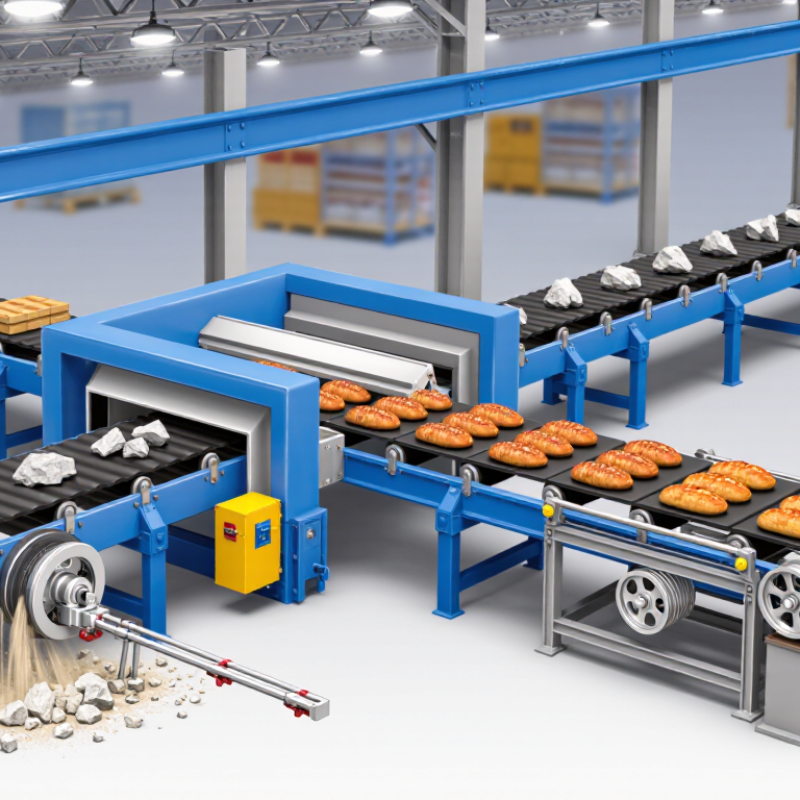
Define the Conveyor Belt’s Application and Operating Conditions
A conveyor belt should be selected from its real duty, not from width alone. Identify the material, throughput, belt speed, incline, loading method, and transfer-point impact. CEMA’s Belt Conveyors for Bulk Materials, 7th Edition, calculates capacity using belt width, speed, trough angle, and material density. A 10% density error can create roughly a 10% capacity error.
Environment matters just as much. Measure temperature, moisture, oil exposure, dust, sunlight, and chemical contact. ISO 14890:2013 sets requirements for rubber and plastic conveyor belts used for bulk materials. However, compliance does not guarantee correct performance. A belt may meet the standard yet fail under sharp rock, repeated impact, or severe misalignment.
Inspect the loading zone in person. Record drop height, chute angle, particle size, and scraper pressure. For example, raising belt speed from 2 to 3 metres per second can increase theoretical capacity by 50%, based on CEMA’s capacity relationship. Real capacity may remain lower because of spillage or poor loading. This is often overlooked. I would not trust a spreadsheet without field observations, because dust patterns and impact marks reveal problems that specifications can miss. Schedule a trial inspection after installation, then compare actual throughput, tracking, temperature, and wear against the original operating conditions.
| Tip | Application | Operating Conditions | Material Characteristics | Recommended Belt Features | Critical Selection Criteria | Main Risks to Check |
|---|---|---|---|---|---|---|
| 1 | General material handling | Indoor or sheltered −10°C to 60°C Moderate speed | Dry, non-abrasive products such as cartons, packaged goods, bags, and light bulk materials. | Standard rubber or PVC cover, suitable tensile strength, stable tracking, and a low-maintenance surface. | Belt width, conveyor length, load per metre, belt speed, pulley diameter, and splice method. | Belt mistracking, insufficient tension, excessive sag, and loading beyond the rated capacity. |
| 2 | Mining and aggregate conveying | Outdoor exposure Heavy impact Dust and moisture | Sharp, heavy, and abrasive materials such as crushed stone, coal, ore, gravel, and sand. | High-tensile carcass, abrasion-resistant covers, impact-resistant construction, and reinforced loading zones. | Breaker rating, cover thickness, impact energy, trough angle, belt speed, and operating temperature. | Cover gouging, longitudinal tearing, edge damage, material impact, and accelerated abrasion. |
| 3 | Food and hygienic processing | Frequent washdown Wet environment −20°C to 80°C | Food products, ingredients, packaged foods, and materials that may contain oil, moisture, salt, or sugar. | Non-porous, easy-to-clean surface; oil-resistant or antimicrobial-grade material where required; sealed edges and hygienic design. | Regulatory requirements, cleanability, chemical resistance, temperature range, surface grip, and release properties. | Bacterial accumulation, swelling, hydrolysis, surface cracking, and contamination from unsuitable materials. |
| 4 | High-temperature conveying | Hot product contact Above 80°C Radiant heat | Hot clinker, castings, mineral products, ash, baked goods, or other materials with elevated temperatures. | Heat-resistant cover compound, heat-stable carcass, suitable splice materials, and allowance for thermal expansion. | Continuous and peak temperature, contact duration, cooling time, belt speed, and pulley temperature. | Cover hardening, cracking, delamination, loss of tensile strength, and premature splice failure. |
| 5 | Oil, grease, and chemical exposure | Oil or solvent contact Indoor or outdoor Variable temperature | Products containing mineral oils, animal fats, vegetable oils, solvents, acids, or alkaline residues. | Oil-resistant or chemical-resistant cover compound, compatible carcass, and protected or sealed belt edges. | Exact chemical type, concentration, exposure time, temperature, and whether contact is continuous or intermittent. | Swelling, softening, hardening, loss of adhesion, reduced friction, and deterioration of the belt carcass. |
| 6 | Inclined or declined conveying | Incline or decline Variable loading Possible rollback | Dry bulk materials, packaged products, granules, powders, and materials requiring controlled movement. | High-grip or profiled top cover, cleats where needed, adequate transverse flexibility, and suitable side containment. | Incline angle, material flowability, cleat height and spacing, belt speed, loading stability, and return-side design. | Product rollback, spillage, belt slippage, uneven loading, and interference between cleats and components. |
| 7 | Heavy-duty, long-distance, or high-speed conveying | High tension Long centre distance Continuous operation | Large-volume bulk materials transported over long distances or at high throughput rates. | Correct tensile rating, low-elongation carcass, energy-efficient cover option where appropriate, and reliable mechanical or vulcanized splicing. | Effective tension, starting tension, take-up travel, belt mass, speed, pulley diameter, and dynamic loads. | Excessive stretch, belt flap, splice fatigue, overheating, resonance, and inadequate take-up capacity. |
Start with product details, not the conveyor frame. Record density, lump size, moisture, temperature, and abrasiveness. Small details matter.
Abrasive stone needs a rubber compound resisting cuts and wear. Oil-coated materials need oil-resistant rubber or suitable thermoplastics. Otherwise, softening and slipping may occur.
Choose cleanable surfaces and suitable polymers. Confirm applicable food-contact compliance. Inspect seams and hidden gaps, where residue can collect.
Run a short trial with real moisture and temperature conditions. Check stretch, tracking, surface wear, and residue after several shifts. The first choice may be wrong.
Use peak load, starting tension, incline, impact, and belt length. Include a practical safety margin. Too little strength causes stretching or failure; too much adds cost.
Width depends on density, lump size, surcharge angle, and hourly capacity. Speed affects dust, impact, energy use, and stopping distance. Faster is not always better.
Ask for material specifications, test data, warranty terms, splice guidance, and installation experience. Vague answers are warning signs. Evidence beats confident promises.
Include freight, installation, spare parts, cleaning, energy, repairs, and replacements over three to five years. Check local repair capability. Small delays can stop production.
Measure load weight, speed, incline, temperature, operating hours, tracking, and abrasion. Compare results with the original assumptions. Field conditions rarely match the spreadsheet.
Choosing the right conveyor belt starts with understanding how and where it will be used. Define the application, operating temperature, load type, moisture level, incline, and working environment before comparing options. The belt material should match the conveyed product, especially when handling abrasive, oily, sharp, wet, hot, or delicate items. Proper selection helps prevent contamination, product damage, and premature wear.
To determine how to choose the right conveyor belt, also evaluate the required belt strength, width, and speed according to load capacity and production flow. Consider durability, cleaning needs, maintenance access, tracking performance, and operator safety. Finally, compare suppliers based on material quality, technical support, delivery reliability, total ownership cost, and expected service life rather than focusing only on the initial price. A well-matched belt can improve efficiency, reduce downtime, simplify maintenance, and deliver better long-term performance.

 Trakkx Tech