Conveyor belts are a backbone of modern manufacturing and logistics. According to a 2022 report by the National Institute of Standards and Technology, inefficient conveyor systems can account for up to 30% of operational downtime. Understanding how to improve conveyor belt efficiency is essential for companies aiming to boost productivity and reduce costs.
In the competitive landscape, 70% of businesses recognize the correlation between efficient systems and enhanced operational performance. Moreover, outdated technology and maintenance practices are often culprits behind diminished efficiency. Implementing proactive maintenance schedules can mitigate unexpected failures.
Additionally, integrating advanced technologies, such as IoT sensors, can provide real-time data on conveyor performance. This insight allows companies to make informed decisions that optimize workflows. However, not all organizations leverage these advancements. Reflecting on the gaps in understanding how to improve conveyor belt efficiency is crucial for seizing growth opportunities.
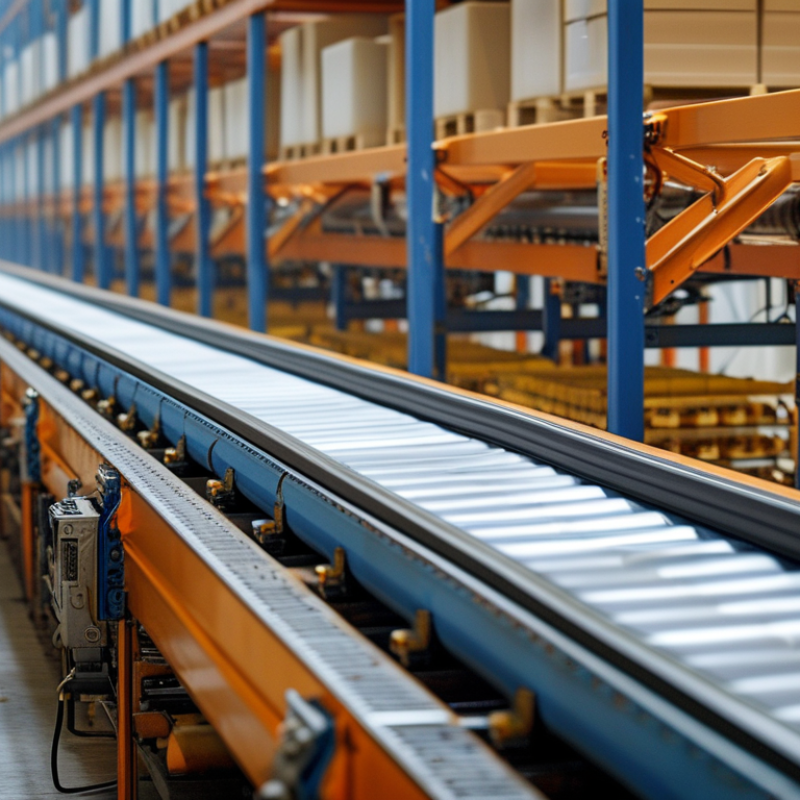
Conveyor belt systems play a crucial role in various industries. They ensure smooth and efficient transportation of materials. Understanding these systems can significantly impact production outcomes. A well-functioning conveyor belt system minimizes delays and improves workflow. This leads to increased productivity and cost savings.
Maintenance is vital for maximizing efficiency. Regular inspections can identify potential issues before they escalate. Workers should be trained to recognize signs of wear and tear. A small problem can escalate quickly, causing downtime. Not all systems are created equal, and some may require unique adjustments.
Every industry faces its own challenges. The needs of a manufacturing plant differ from those of a food processing facility. Taking the time to assess specific requirements can be beneficial. It’s essential to have a clear understanding of the workflow and material types. Ultimately, improvements in conveyor belt systems can lead to better outcomes, but it takes effort and continuous evaluation.
Conveyor belt efficiency significantly affects overall productivity in manufacturing and logistics. Common issues that reduce efficiency include misalignment, wear, and improper loading. According to a report by the Conveyor Equipment Manufacturers Association, equipment downtime can reduce production by as much as 10-20%. This downtime often stems from inadequate maintenance practices.
Misalignment can lead to increased friction and premature wear on the belt. If left unchecked, this can result in costly repairs or replacements. A study found that nearly 30% of conveyor systems experience alignment issues regularly. Operators should routinely check alignment and adjust it to maintain optimal function. Additionally, consistent monitoring of belt wear can help in early detection of potential failures, saving time and resources.
Improper loading, such as overloading or uneven weight distribution, can also impact performance. Research indicates that improperly loaded belts can decrease efficiency by up to 25%. Regular training for staff on best loading practices can mitigate this risk. Identifying and addressing these common issues is crucial for improving conveyor belt effectiveness and boosting overall productivity in operations.
Regular maintenance practices are vital for optimizing conveyor belt performance. A well-maintained conveyor system can significantly enhance productivity. Inspections should occur weekly. During these checks, look for wear, misalignment, and damage. Small issues can escalate quickly if left unaddressed. Addressing them early can prevent costly downtime.
Lubrication is another essential practice. Proper lubrication reduces friction and wear on moving parts. It’s important to follow guidelines for the types of lubricant used. Incorrect lubrication can cause unexpected failures. Tracking lubrication schedules helps maintain consistency.
Training your team is equally crucial. Educating staff about maintenance protocols ensures everyone is on the same page. Scenario-based training can prepare them for unexpected challenges. Each member should understand their role in the maintenance process. Mistakes are part of learning, but repeated errors in maintenance can lead to serious consequences.
The bar chart illustrates the impact of various maintenance frequencies on conveyor belt efficiency. Regular maintenance practices lead to significantly higher efficiency levels, demonstrating the importance of scheduled upkeep for optimal performance.
Implementing technology and automation can significantly enhance conveyor operations, leading to better productivity. Smart sensors can monitor the load on the belt. They help in adjusting the speed based on real-time data. For example, if the load is heavy, the belt can slow down to avoid jams. This minimizes downtime and optimizes workflow.
Another effective approach is using conveyor management software. This software can track performance and maintenance schedules. By analyzing data trends, managers can identify bottlenecks that may need attention. Regularly scheduled maintenance can prevent costly breakdowns. Reliability in operations can be improved through predictive analytics, giving teams advance warnings about potential issues.
However, simply adopting technology isn't a cure-all solution. It requires training for staff to adapt to new systems. There may be resistance to change, hindering efficiency. Encouraging a culture of continuous improvement is essential. Leaders need to foster an environment where feedback is valued. By doing so, teams can refine their processes, ensuring that technology truly serves its purpose.
Effective handling and monitoring of conveyor belts starts with proper training of personnel. A recent report from the Conveyor Equipment Manufacturers Association indicates that up to 30% of productivity loss can be attributed to inadequate employee training. Workers trained in the specific operation of conveyor systems can better anticipate issues and respond effectively. This knowledge helps reduce downtime and maintenance costs.
Additionally, regular training refreshers can address evolving technologies within the industry. Many employees may feel comfortable with standard operations but lack awareness of advanced monitoring systems. Over 40% of equipment failures arise from operator error, highlighting the need for ongoing education. Including simulations and hands-on practice in training can enhance engagement and retention of critical skills.
Furthermore, fostering an environment that encourages team feedback can lead to continuous improvement. Employees are often aware of inefficiencies that go unnoticed by management. Seeking their input can lead to innovative solutions. However, organizations must acknowledge that not all suggestions will yield positive outcomes. Testing and refining these ideas is essential for ensuring the most effective practices are implemented.
: Conveyor belt systems are crucial for efficient material transportation. They enhance workflow and productivity significantly.
Regular maintenance is key. Inspections should identify wear, misalignment, and damage early on.
Small problems can escalate quickly, leading to costly downtime. It’s essential to address them as soon as possible.
Weekly inspections are recommended. This schedule helps catch minor issues before they worsen.
Proper training reduces productivity loss. Well-trained workers can better anticipate and respond to conveyor system issues.
Proper lubrication reduces friction on moving parts. Incorrect types or schedules can cause unexpected failures.
Incorporating simulations and hands-on practice in training increases engagement and skill retention.
Encourage team feedback for improvements. However, not all suggestions will work; testing ideas is essential.
Yes, manufacturing and food processing facilities have distinct challenges. Training should reflect these differences.
Operator error accounts for over 40% of failures. Ongoing education is crucial to minimize these mistakes.
In the pursuit of enhanced productivity, understanding how to improve conveyor belt efficiency is crucial for industries relying on these systems. By comprehensively identifying common issues that affect performance, such as misalignment, wear, and material buildup, businesses can take proactive measures to mitigate downtime. Implementing regular maintenance practices, including inspections and timely repairs, contributes significantly to the optimal functioning of conveyor belts.
Moreover, leveraging technology and automation can streamline operations and increase efficiency by minimizing human error and maximizing throughput. Training personnel to effectively handle and monitor conveyor belts ensures that employees are equipped with the necessary skills to maintain smooth operations, further supporting the goal of boosting productivity. By focusing on these areas, industries can significantly enhance conveyor belt efficiency and achieve better overall performance.

Trakkx Tech