Conveyor belts play a crucial role in various industries globally. They are essential for efficient production and distribution. According to industry expert Dr. James Hart, “Understanding what industries use conveyor belts can revolutionize supply chain management.” This statement emphasizes the significant impact of these systems on modern logistics.
Many sectors utilize conveyor belts. The manufacturing, food processing, and logistics industries rely heavily on them. For example, in manufacturing, conveyor belts streamline assembly lines, reducing labor costs and time. In food processing, they ensure hygiene and speed. Remarkably, the transportation industry also benefits from them, enhancing package sorting and delivery.
However, the adoption of conveyor belts is not without challenges. Integration into existing systems can be complex. Additionally, maintenance is critical to avoid downtime. Industries must reflect on their practices to ensure efficiency. Understanding what industries use conveyor belts reveals not only their benefits but also the areas needing improvement.
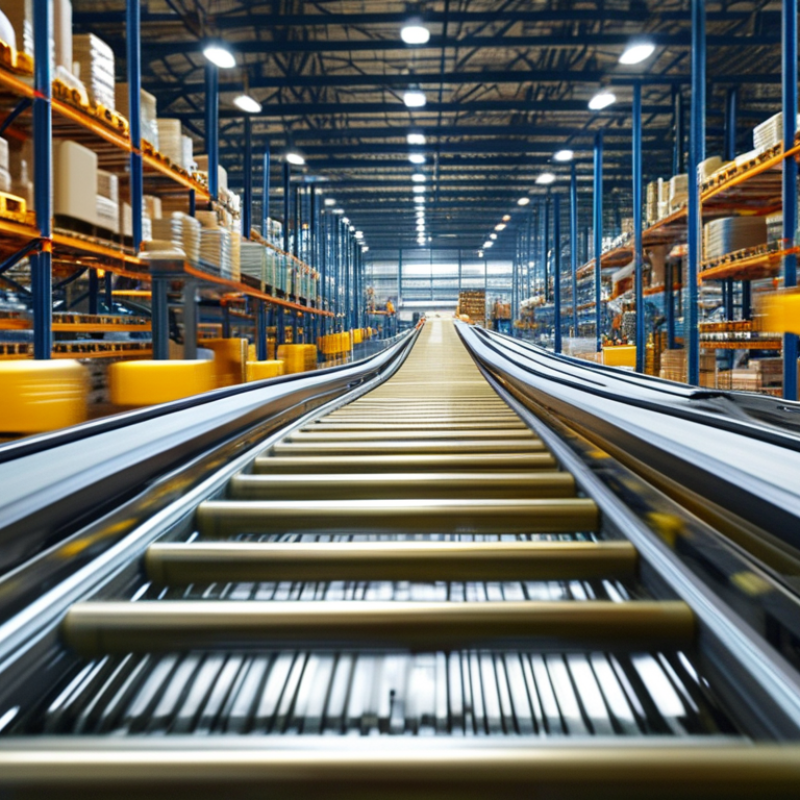
Industries Relying on Conveyor Belts in Manufacturing Processes
Conveyor belts play a vital role in various manufacturing processes. They efficiently transport materials and products, ensuring a smooth workflow. In industries like automotive, conveyor belts help assemble complex vehicles. Each part moves seamlessly from one station to the next, reducing the risk of delays. The precision in these processes is crucial for maintaining quality and performance.
Food manufacturing also heavily relies on conveyor belts. They are used to move ingredients, cut products, and package goods. This system enhances food safety by minimizing human contact. However, maintaining hygiene can be challenging. Regular cleaning and proper handling are essential to prevent contamination. Mistakes in this area can lead to significant health risks.
Warehouse and logistics sectors utilize conveyor systems for sorting and shipping products. They streamline operations and save time. However, relying too much on automation can lead to missed errors. Human oversight is necessary to catch mistakes in inventory management. Balancing automation with human interaction is key to operational success.
The Role of Conveyor Belts in Food and Beverage Supply Chains
Conveyor belts play a vital role in food and beverage supply chains. They facilitate the movement of products throughout processing plants. From raw ingredients to packaged goods, efficiency is key. These belts streamline operations, reducing the time food stays in transit.
In beverage production, conveyor belts transport bottles and cans for filling and labeling. The precision of this process is crucial. A minor error can lead to waste or contamination. Regular maintenance of these systems is essential to ensure safety and reliability.
While conveyor belts improve overall efficiency, challenges still exist. For example, belt wear can affect performance. Staff must be trained to identify signs of wear and tear. This expertise helps prevent costly downtime and ensures the integrity of the products. Good management practices are needed to maintain a smooth supply chain.
Warehouse and Distribution Centers: Conveyor Belt Applications
Warehouse and distribution centers rely heavily on conveyor belts to optimize operations. According to a report by the Material Handling Industry of America, these systems can improve process efficiency by up to 30%. This enhancement is crucial in an era where speed impacts customer satisfaction.
Conveyor belts have various applications in these environments. They transport items quickly from receiving areas to storage or packing stations. Automated systems can sort packages based on size or destination, reducing manual labor. This technology minimizes potential errors, enhancing reliability in the supply chain. Yet, not all warehouses have adopted these systems. Some still struggle with outdated methods, risking inefficiencies.
In recent years, global demand for conveyor systems has surged. The global conveyor belt market is projected to grow by 4.6% annually through 2027. Despite this growth, many distribution centers face challenges. Integrating new systems with existing infrastructure can be daunting. Adaptability is essential for long-term success, prompting operators to rethink traditional processes.
Conveyor Belt Applications Across Industries
This chart illustrates the application frequency of conveyor belts across various industries involved in the global supply chain. The warehouse and distribution centers lead in usage with 35%, followed by automotive and food processing industries.
Conveyor Belts in Mining and Resource Extraction Industries
In the mining and resource extraction industries, conveyor belts play a crucial role in optimizing efficiency. According to a report by MarketsandMarkets, the conveyor systems market is projected to reach $9.2 billion by 2026. This growth reflects the importance of these systems in transporting minerals, ores, and other materials from remote sites to processing facilities.
Conveyor belts enhance productivity by reducing manual labor and minimizing material loss. For instance, a study from the International Journal of Mining Science and Technology highlights that automated conveyor systems can increase transport efficiency by up to 30%. However, maintenance is a constant challenge. Equipment wear and tear can lead to unexpected downtimes. A consistent maintenance schedule is vital to prevent significant disruptions.
Environmental impacts are another aspect that deserves attention. The mining sector is under scrutiny for its ecological footprint. Using energy-efficient conveyor systems can help reduce emissions, as noted by the World Resources Institute. Balancing operational efficiency with environmental sustainability remains a complex issue. Companies are now exploring innovative solutions to address these challenges while maintaining productivity levels.
Innovations in Conveyor Belt Technology for Global Logistics Efficiency
Innovations in conveyor belt technology are reshaping global logistics. Modern conveyor systems are more efficient and reliable. They incorporate advanced materials and smart sensors, boosting productivity. For instance, a recent report from the Material Handling Industry of America states that automated conveyor solutions can enhance operational efficiency by up to 30%. This increase translates to significant cost savings for companies.
In addition, the rise of e-commerce is driving innovation. Conveyor belts are now designed for faster package handling. Some systems can adjust speed in real-time based on demand. However, integration of these technologies isn’t without challenges. Many companies struggle to standardize across all operations. Misalignment in technology can lead to inefficiencies.
Improved monitoring systems utilize artificial intelligence. AI can predict maintenance needs, minimizing downtime. According to a Logistics Management survey, 72% of firms have adopted some form of predictive maintenance. This shows a commitment to continuous improvement. Yet, not every company has the resources to implement these systems fully. The gap between leading firms and others is widening.
What Industries Use Conveyor Belts for Global Supply Chain?
| Industry |
Application |
Benefits |
Innovations |
| Food and Beverage |
Transporting raw materials and packaged goods |
Efficiency in moving products, reducing manual labor |
Hygienic designs, smart sensors for monitoring |
| Automotive |
Assembly line processes |
Streamlined production flow, reduced cycle times |
Modular belts for flexibility, real-time tracking |
| Mining |
Transporting ore and minerals |
Enhanced safety, reduced operational costs |
Durable materials, remote monitoring capabilities |
| Retail |
Sorting and transporting products in warehouses |
Faster order fulfillment, improved inventory management |
Automated sorting systems, integration with e-commerce |
| Pharmaceutical |
Packaging and transporting medications |
Precision handling, compliance with regulatory standards |
Smart technology for tracking and tracing |
Conclusion
Conveyor belts play a crucial role across various industries, significantly enhancing operational efficiency in global supply chains. Industries relying on conveyor belts in manufacturing processes include automotive, electronics, and textiles, where they streamline the assembly and production lines. The food and beverage sector employs conveyor belts for seamless processing and packaging, ensuring hygiene and speed in delivery.
Additionally, warehouse and distribution centers utilize conveyor systems for effective sorting and transporting of goods, optimizing logistics. In mining and resource extraction, conveyor belts facilitate the movement of heavy materials, reducing labor costs and improving safety. Innovations in conveyor belt technology continue to drive advancements in global logistics efficiency, highlighting the diverse applications of these systems. Understanding what industries use conveyor belts underscores their importance in modern supply chains and manufacturing practices.

 Trakkx Tech