How to Prevent Conveyor Belt Misalignment Effectively?

Time:2026-07-11 Author:Sienna
0%

Conveyor belt alignment is critical for efficient operations in various industries. Misalignment can lead to significant downtime and costly repairs. Industry expert John Smith, a leading engineer in conveyor systems, emphasizes, "Proper alignment is vital for maximizing productivity and minimizing wear." Understanding how to prevent conveyor belt misalignment is essential for anyone managing these systems.

To effectively tackle misalignment, regular inspections are a must. Monitoring belt tension and tracking is crucial. Simple adjustments in roller positioning can also make a substantial difference. Operators often underestimate these steps, yet they can significantly prolong the life of the conveyor.

However, even with preventive measures, issues may arise. Human error in initial setup can lead to ongoing problems. A reflective approach is crucial. When misalignment occurs, evaluating the situation allows for better corrective actions in the future. Ultimately, knowledge about how to prevent conveyor belt misalignment empowers teams to maintain operational efficiency and reduce costs.
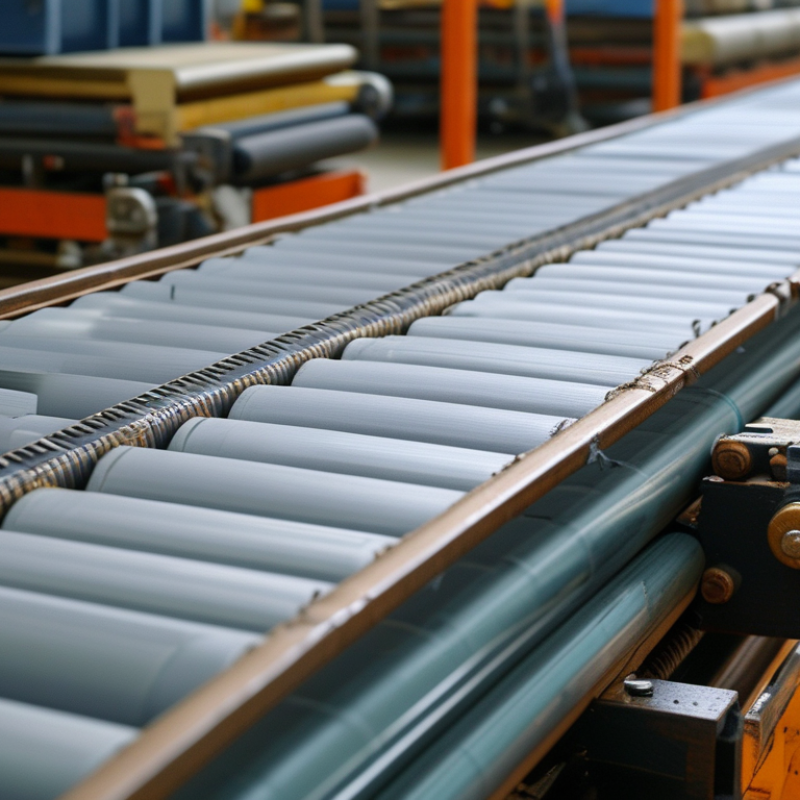
How to Prevent Conveyor Belt Misalignment Effectively?

Understanding Conveyor Belt Alignment: Key Concepts and Importance

Understanding conveyor belt alignment is crucial for maintaining efficient operations. Proper alignment minimizes wear and tear on the belts and extends their lifespan. Industry reports show that misalignment can lead to a 20-30% reduction in efficiency, significantly impacting productivity. According to a study from the Conveyor Equipment Manufacturers Association, conveyor systems without proper alignment face increased operational costs.

Misaligned belts can cause operational disruptions. These disruptions could lead to unexpected downtimes. A study found that 75% of companies experience belt misalignment at some point. This issue often stems from factors such as poor installation or environmental influences. Suboptimal alignment can increase energy consumption by as much as 15%, affecting overall plant performance.

Regular maintenance and inspections are key. Professionals suggest implementing alignment checks every 1,000 operating hours. This proactive approach can prevent costly repairs and lost production time. Operators should use laser alignment tools for precise adjustments. Yet, many overlook this critical responsibility, leading to frequent issues. This ongoing challenge in industrial settings highlights the need for better training and awareness regarding conveyor belt maintenance.

Common Causes of Conveyor Belt Misalignment and Their Impact on Operations

Conveyor belt misalignment can stem from several factors. One common cause is improper installation. If the belt is not aligned during setup, it will frequently derail. This can damage the belt and other components, slowing down production.

Another issue can arise from worn-out rollers. As these parts wear, they fail to guide the belt effectively, leading to misalignment. Additionally, environmental factors like temperature changes can cause materials to expand or contract, affecting the belt's positioning.

Tips: Regular maintenance is crucial. Inspect alignment frequently and adjust as needed. Ensure that rollers are in good condition, as they play a vital role. Training staff on the importance of monitoring belt alignment can prevent issues before they escalate.

Keeping a clean workspace prevents debris from impacting the conveyor belt's operation. An organized area promotes safety and efficiency. Regular checks and adjustments help maintain optimal performance, reducing downtime and operational costs significantly.

Effective Monitoring Techniques for Conveyor Belt Alignment Issues

Conveyor belt misalignment can lead to severe operational inefficiencies and increased maintenance costs. Monitoring techniques are crucial in preventing these issues before they escalate. Using infrared thermography is one such method. It detects temperature differences in the conveyor parts, helping identify misaligned components early. Research indicates that thermography can reduce unplanned downtime by up to 30%. This efficiency not only saves time but also minimizes repair costs.

Another technique is visual inspection combined with video surveillance. Studies show that nearly 40% of conveyor issues stem from misalignment. Regularly scheduled inspections can help catch small problems before they become significant setbacks. Adding video monitoring can enhance this process. Operators can review footage for real-time adjustments, ensuring continual alignment. These proactive measures can lead to a 20% increase in overall conveyor performance.

Lastly, vibration analysis plays a role in monitoring conveyor belts. Sensors can detect irregularities in vibration patterns, signaling potential alignment issues. According to industry data, as much as 25% of machinery failure is linked to misalignments. By prioritizing these monitoring techniques, companies not only cut costs but also significantly improve safety and productivity in their operations. A thorough approach may reveal areas of improvement still needing attention.

Monitoring Conveyor Belt Alignment Issues

This chart displays the frequency of conveyor belt misalignment reported over the last year across different sectors. The data highlights the importance of effective monitoring techniques to prevent alignment issues, showcasing the need for regular maintenance and inspection.

Preventive Maintenance Strategies to Minimize Belt Misalignment Risks

Preventive maintenance is essential for minimizing conveyor belt misalignment risks. Regular inspections can identify potential issues before they escalate. Check alignment frequently to ensure the belt runs straight. Misalignment can cause uneven wear, leading to decreased efficiency. It also increases energy costs over time. A small change in the belt's position can result in significant problems.

Training staff on proper operation techniques is crucial. Educated employees can spot early signs of misalignment. They can also ensure that loads are distributed evenly. This attention to detail prevents stress on the belt. It's vital to have written procedures in place. These should outline corrective actions for misalignment issues. This helps maintain consistency in responses.

Incorporating advanced monitoring systems may also be beneficial. Sensors can provide real-time feedback on belt position. This technology allows for proactive adjustments. However, reliance on technology should be balanced with human oversight. Regular mechanical checks are still necessary. Every system can face unexpected challenges, and being prepared is key.

Utilizing Technology for Real-Time Conveyor Belt Alignment Management

Conveyor belt systems are vital in various industries, yet misalignment remains a common issue. Utilizing technology for real-time alignment management can significantly enhance performance. According to a report by the Conveyor Equipment Manufacturers Association, misalignment can increase maintenance costs by up to 30%. Effective monitoring systems can help mitigate this.

Utilizing sensors and imaging technology brings remarkable benefits. These solutions provide continuous feedback about the belt's position. An integrated system can alert maintenance teams to misalignments instantly. When alignment deviations occur, immediate interventions can reduce downtime. A study from the International Journal of Engineering Research indicates that real-time monitoring can decrease repair needs by as much as 40%.

However, it is essential to consider the cost of implementing such technologies. Not all facilities may find it feasible to invest heavily upfront. This is where a cost-benefit analysis becomes crucial. Monitoring systems require regular updates and maintenance. Balancing these factors can be tricky, but long-term gains often outweigh short-term expenses. With appropriate planning, technology can drive substantial efficiencies in conveyor belt operations.

FAQS

: What is conveyor belt alignment?

: Conveyor belt alignment is the proper positioning of the belt in the system. It ensures smooth operation and reduces wear.

Why is proper alignment important?

Proper alignment minimizes wear, extends lifespan, and maintains system efficiency. Misalignment can reduce efficiency by 20-30%.

What causes conveyor belt misalignment?

Common causes include improper installation, worn-out rollers, and environmental factors like temperature changes.

How can misalignment affect operations?

Misalignment can lead to downtimes, increased operational costs, and reduced productivity. It impacts overall efficiency significantly.

How often should alignment checks be done?

Alignment checks should occur every 1,000 operating hours. Regular inspections can prevent costly repairs and lost time.

What tools can be used for alignment adjustments?

Professionals recommend using laser alignment tools for precise adjustments. Many overlook this, leading to ongoing issues.

What monitoring techniques can prevent misalignment?

Techniques include infrared thermography, visual inspection, and vibration analysis. These help identify issues before they escalate.

How does regular maintenance help?

Regular maintenance keeps the conveyor system running smoothly. It reduces downtime and operational costs when done properly.

Can environmental factors affect conveyor performance?

Yes, temperature changes can cause materials to expand or contract, impacting the belt's alignment and performance.

What role does staff training play?

Training staff on monitoring belt alignment is essential. Lack of awareness can lead to missed issues that escalate into problems.

Conclusion

Effective management of conveyor belt alignment is crucial for maintaining operational efficiency in any facility that utilizes conveyor systems. Understanding key concepts of conveyor belt alignment helps in recognizing its importance, particularly in avoiding common causes of misalignment that can lead to costly downtime and increased maintenance. By employing effective monitoring techniques, operators can identify alignment issues in real time, allowing for prompt corrective actions.

To answer the question of how to prevent conveyor belt misalignment, preventive maintenance strategies should be implemented regularly, focusing on routine inspection and adjustments. Additionally, leveraging modern technology can enhance real-time management of belt alignment, significantly reducing the risk of misalignment-related disruptions and ensuring smooth operations. With these approaches, businesses can protect their investments and enhance productivity.

Sienna

Sienna

Sienna is a skilled marketing professional with a deep expertise in our company’s core products and services. With a passion for innovation and detail, she plays a pivotal role in crafting insightful blog posts that not only highlight the unique features of our offerings but also provide valuable......