Reduce Conveyor Belt Downtime in 2026 Top Strategies?

Time:2026-07-03 Author:Oliver
0%

In the fast-paced world of manufacturing, minimizing conveyor belt downtime is crucial for operational efficiency. As industry expert Dr. James Carter, a leading figure in conveyor systems management, states, "Every minute of downtime costs businesses time and money." This profound observation highlights the importance of understanding how to reduce conveyor belt downtime effectively.

Focusing on innovative strategies can significantly impact production flow. Regular maintenance, staff training, and timely replacements of worn components often emerge as essential practices. However, some companies neglect these simple yet critical actions. They may overlook preventive measures, leading to unexpected equipment failures and costly delays.

Furthermore, data analysis can offer insights into performance patterns. Without this analysis, opportunities for improvement may be missed. It’s pivotal for companies to consider technology's role in predictive maintenance. Overall, embracing a proactive approach will pave the way for lasting efficiency. Addressing these challenges effectively leads to sustainable growth.
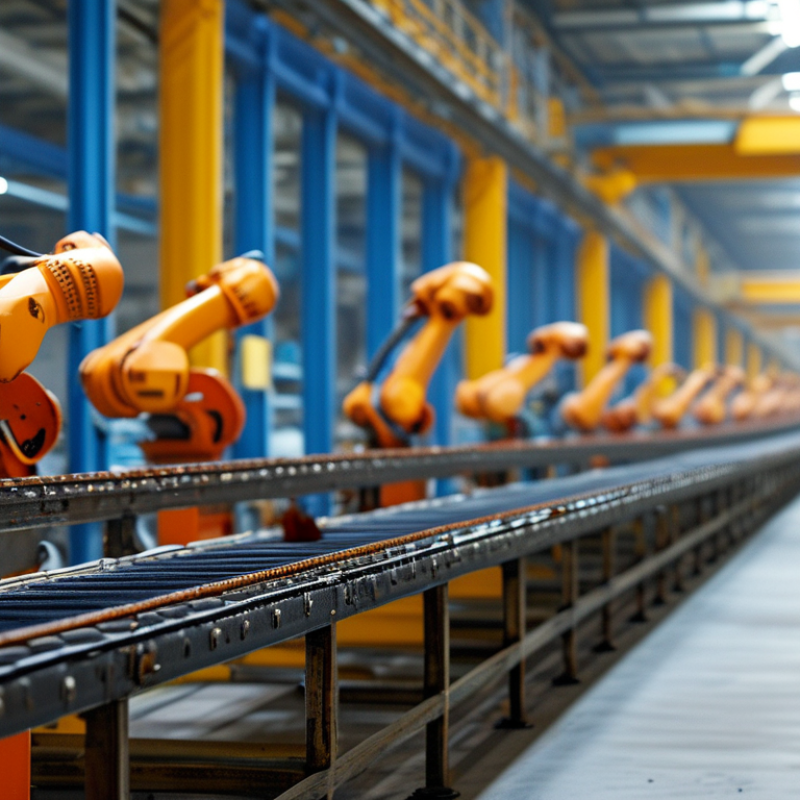
Reduce Conveyor Belt Downtime in 2026 Top Strategies?

Understanding Conveyor Belt Downtime and Its Impact on Operations

Conveyor belt downtime can significantly disrupt manufacturing and logistics operations. Understanding its implications is crucial for maximizing efficiency. Idle equipment leads to lost productivity and revenue. Each minute a conveyor belt is down can cost companies thousands of dollars. Operators need to recognize the signs of potential failure early. Observing wear and tear can help in preventing breakdowns.

Consider implementing a regular maintenance schedule. This proactive approach can catch issues before they escalate. Regular inspections can identify misalignments or worn-out components. Keeping a log of maintenance activities enhances reliability.

Another tip is to invest in employee training. Well-trained staff can troubleshoot minor issues quickly. They will be equipped to handle unexpected failures efficiently. Establishing a culture of continuous improvement will focus your team on reducing downtime. Encourage open communication about equipment performance. It often leads to valuable insights and quicker solutions.

Reduce Conveyor Belt Downtime Strategies (2026)

Key Metrics for Measuring Conveyor Belt Performance and Downtime

Measuring conveyor belt performance is crucial for improving efficiency and reducing downtime. Key metrics can provide insights into operational efficiency. One essential metric is the belt speed. This indicates how fast the materials move. A slow belt can lead to bottlenecks. Regularly monitor this speed to identify potential issues early.

Another important metric is uptime percentage. It reveals how often the conveyor system is operating. An ideal uptime is over 90%. If downtime exceeds this, analysis is needed. Short downtime can be acceptable, but frequent occurrences signal a larger problem. Also, consider monitoring maintenance frequency. High maintenance rates might indicate inefficiencies. This could reflect on the overall reliability of the system.

It's essential to track downtime reasons as well. Is it due to mechanical failures or operator errors? Understanding the root cause helps in addressing the problem effectively. Documenting these incidents can guide future improvements. Remember, not all metrics will have perfect numbers. A careful assessment of data can lead to better strategies.

Proactive Maintenance Strategies to Minimize Conveyor Belt Failures

Downtime in conveyor systems can be costly. Implementing proactive maintenance strategies is key to reducing failures. Regular inspections can prevent unexpected breakdowns. A detailed checklist for maintenance can help identify wear and tear early. Keeping a log of performance issues enables teams to spot patterns over time.

Vibration analysis is a practical method to detect issues. It can provide insights into the health of conveyor components. Thermal imaging can reveal overheating parts before they fail. These techniques require training, but the investment pays off. Staff should be trained to understand alarm signals. However, human error still occurs. Sometimes, critical signs may be overlooked, highlighting the need for ongoing training.

Creating a robust maintenance schedule is crucial. Communication among team members is also essential. Regular meetings can ensure everyone is aligned on maintenance goals. However, not all teams sustain this practice. Distractions and workload may lead to lapses. This inconsistency can prove detrimental when aiming for optimal performance. Striving for improvement is an ongoing process.

Leveraging Technology for Real-Time Monitoring of Conveyor Systems

In 2026, the quest to reduce conveyor belt downtime will rely heavily on real-time monitoring technologies. According to a report by the International Society of Automation, predictive maintenance strategies can reduce downtime by up to 30%. Implementing real-time monitoring allows companies to identify issues before they escalate. Sensors can detect wear and tear early, providing invaluable data to maintenance teams.

Integrating Internet of Things (IoT) technology transforms traditional conveyor systems. By analyzing data from multiple sensors, operators can gain insights into performance. A study from the American Society of Mechanical Engineers highlighted that about 80% of conveyor failures can be predicted. However, many companies still lack the infrastructure needed for effective real-time monitoring. Investing in data analytics tools is essential to harness the full potential of this technology.

Despite the advances, challenges remain. Data overload can lead to analysis paralysis. Teams may struggle to interpret the wealth of information available. Developing focused strategies and actionable insights is critical. Continuous training and education for staff can bridge this gap. Emphasizing data-driven decision-making could enhance operational efficiency and reduce downtime significantly.

Employee Training and Awareness in Reducing Conveyor Belt Downtime

Employee training is a critical factor in minimizing conveyor belt downtime. A 2022 report from the Manufacturing Institute found that 62% of downtime can be traced back to human error. This emphasizes the need for comprehensive employee training programs. Operators must understand the machinery and its maintenance needs. Such knowledge directly affects productivity and equipment longevity.

Awareness is not just beneficial but essential. Studies show that companies investing in training reduce downtime by up to 30%. Regular workshops and refresher courses can enhance skills. They also foster a culture of safety and proactive maintenance. Employees who are well-informed are more likely to report issues before they escalate.

Moreover, it is vital to regularly assess training effectiveness. Relying on outdated training materials can lead to gaps in knowledge. Reflecting on past incidents can identify areas needing improvement. Companies must remain adaptable and committed to ongoing education. The goal is not only to prevent mistakes but to create a knowledgeable workforce that prioritizes machine integrity.

FAQS

: What is the impact of conveyor belt downtime?

: Downtime can significantly disrupt operations, causing lost productivity and revenue. Each minute of downtime can cost thousands.

How can operators prevent conveyor belt breakdowns?

Operators should observe wear and tear signs early. Regular inspections can help catch potential issues before they escalate.

What role does maintenance scheduling play?

A regular maintenance schedule helps identify problems early, enhancing equipment reliability and reducing unexpected failures.

How important is employee training in minimizing downtime?

Training staff to troubleshoot minor issues quickly can reduce downtime. Well-prepared employees handle unexpected failures more efficiently.

What techniques can detect potential conveyor issues?

Vibration analysis and thermal imaging can reveal problems before they cause failures. These require training but are worthwhile investments.

Why is communication essential among team members?

Regular communication ensures everyone aligns with maintenance goals. However, distractions may hinder this, impacting overall performance.

What should be included in a maintenance checklist?

A checklist should identify wear, tear, and misalignments. It helps teams recognize patterns and improve response times.

How can logs of maintenance activities benefit operations?

Keeping logs enhances reliability and aids in identifying recurring performance issues. Patterns can reveal underlying problems.

Why is continuous improvement important in operations?

Establishing a culture of continuous improvement focuses efforts on reducing downtime. It encourages open discussions about equipment performance.

How can human error affect conveyor maintenance?

Despite training, critical signs may be overlooked. Ongoing training and communication are necessary to minimize mistakes.

Conclusion

To effectively address the issue of how to reduce conveyor belt downtime, it's essential to understand the impact of downtime on overall operations. Key metrics for measuring conveyor belt performance include uptime percentages and failure rates, which help identify areas needing improvement. Implementing proactive maintenance strategies, such as regular inspections and timely repairs, can significantly minimize the frequency and severity of failures.

Additionally, leveraging technology for real-time monitoring allows for immediate detection of potential issues, enabling quicker responses and reducing unplanned outages. Finally, enhancing employee training and awareness is crucial; knowledgeable operators can spot early warning signs of problems, which can lead to prompt corrective actions and further decrease downtime. By focusing on these strategies, organizations can enhance their operational efficiency and productivity in 2026 and beyond.

Oliver

Oliver

Oliver is a seasoned marketing professional with a wealth of expertise in driving brand awareness and engagement. With a deep understanding of our company's product offerings, he consistently delivers high-quality content that enriches our professional blog. His insights not only shed light on......