How to Reduce Conveyor Maintenance Costs Effectively?

Time:2026-08-30 Author:Henry
0%

In the bustling realm of industrial operations, understanding how to reduce conveyor maintenance costs is a pressing issue. Conveyor systems are vital for efficiency, yet their upkeep can significantly impact budgets. Many companies discover that unchecked maintenance can lead to unforeseen expenses and downtime. This reality emphasizes the need for effective strategies.

Investing in regular inspections can prevent major failures that are costly and disruptive. However, finding the right balance between frequency and thoroughness is crucial. Some organizations may over-inspect, leading to unnecessary expenses. On the other hand, neglecting maintenance can cause significant breakdowns. This paradox illustrates the importance of an informed approach to conveyor care.

Innovative technologies also play a role. Monitoring systems can track performance and alert operators about potential issues early. Yet, adoption of these solutions requires research and investment. Companies must weigh the costs against potential savings. Reflecting on these aspects can lead to substantial improvements in both efficiency and cost management.
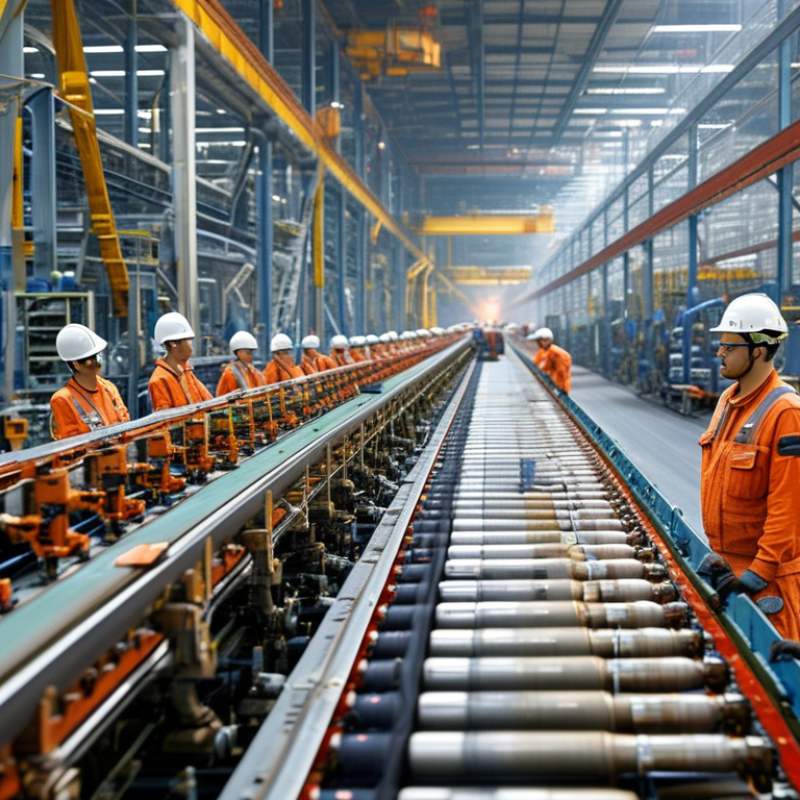
How to Reduce Conveyor Maintenance Costs Effectively?

Identifying Common Conveyor Maintenance Challenges

Conveyor systems play a vital role in many industries. However, their maintenance presents various challenges. One common issue is wear and tear on components. Over time, belts, rollers, and motors can degrade. This degradation leads to costly repairs and potential downtime. Regular inspections can help identify these worn parts early, preventing larger issues down the line.

Another challenge is unplanned downtime. Unexpected failures can disrupt operations, causing delays. Employees may rush through maintenance tasks, which can lead to oversights. It's essential to create a structured maintenance schedule. This allows teams to address minor problems before they escalate. Training staff on proper maintenance procedures also adds value. Knowledgeable employees can recognize issues quickly.

Environmental factors also affect conveyor systems. Dust, moisture, and temperature fluctuations can impact performance. These elements may accelerate wear on components. Regular cleaning and monitoring of operating conditions are necessary. Neglecting these factors can result in short equipment lifespan. Balancing cost and efficiency in maintenance planning is critical. Continuous improvement is key in this area.

How to Reduce Conveyor Maintenance Costs Effectively? - Identifying Common Conveyor Maintenance Challenges

Maintenance Challenge Estimated Cost Impact (%) Common Causes Recommended Solutions
Wear and Tear of Belts 20% Incorrect tension, abrasive materials Regular inspections, proper tension adjustment
Bearing Failure 15% Lack of lubrication, misalignment Routine lubrication, alignment checks
Electrical Failures 10% Overloading, short circuits Regular electrical inspections, overload protection
Misalignment Issues 25% Improper installation, wear over time Periodic realignment, training for staff
Conveyor Belt Slippage 5% Poor tension, contamination Adjusting tension, keeping surfaces clean

Implementing Preventive Maintenance Strategies

Preventive maintenance strategies are essential for reducing conveyor maintenance costs effectively. By scheduling regular inspections, businesses can detect issues early. This proactive approach minimizes unexpected breakdowns. Minor adjustments can save time and resources. A well-maintained conveyor runs more efficiently and lasts longer.

Training staff on maintenance best practices is crucial. Employees should identify potential problems during daily operations. They can learn to perform routine checks. Simple actions, like cleaning and lubricating parts, can make a big difference. It is important to create a maintenance culture in the workplace.

However, not all strategies may yield immediate results. Some maintenance tasks may seem unimportant at first. Regular evaluation of these practices is needed. Businesses must adapt their tactics based on experiences. Continuous improvement is vital in maintaining efficiency.

Utilizing Technology for Predictive Maintenance

In today’s fast-paced industrial environment, reducing conveyor maintenance costs is crucial. One effective strategy involves leveraging technology for predictive maintenance. Predictive maintenance uses data analytics and sensors to monitor conveyor systems in real-time. This approach helps identify potential issues before they escalate into costly repairs. By implementing vibration analysis, thermography, and oil analysis, organizations can detect anomalies. For example, unusual vibrations may indicate misalignment or wear, prompting timely interventions. However, these technologies require skilled personnel to interpret the data accurately. Without knowledgeable staff, companies may misinterpret alerts, leading to unnecessary downtime. Reliability also hinges on the integration of these technologies. Many businesses struggle to utilize existing systems seamlessly. Poor integration can result in ineffective monitoring and wasted resources. It’s essential to strike a balance between technology and human expertise. Continuous evaluation of both the systems and the team's performance is necessary. This reflection ensures that maintenance practices evolve, driving down costs sustainably.

Training Staff for Proper Conveyor Operation

Effective conveyor operation is crucial for minimizing maintenance costs. A significant factor in achieving this is the training of staff. Industry reports indicate that over 30% of conveyor downtime is due to operator errors. Proper training can drastically reduce these mistakes and enhance operational efficiency.

Training programs should be tailored to specific equipment and processes. Employees must understand not only how to operate conveyors but also how to troubleshoot minor issues. For example, a well-trained staff can identify misalignments or control issues before they escalate into costly repairs. Studies show that effective training can reduce maintenance costs by up to 25%.

Moreover, fostering a culture of continuous learning is vital. Regular refresher courses help staff stay updated on best practices. Despite the investment in training, some companies still overlook its importance. This can lead to recurring issues and increased operational costs. Balancing training and practical experience is key. Staff should have hands-on opportunities to apply their knowledge in real-world situations. This way, they develop confidence and skills to maintain equipment effectively.

Evaluating and Optimizing Spare Parts Inventory

Effective management of spare parts inventory is crucial for reducing conveyor maintenance costs. Companies often face challenges in balancing supply and demand. Too much stock can tie up capital, while too little may lead to unexpected downtime. Carefully evaluating the usage patterns of spare parts can highlight which items are essential for routine operations and which ones are rarely needed.

Analyzing historical data helps in making informed decisions about inventory levels. Companies should adopt a systematic approach to track the failure rates of components. Identifying the most frequently replaced parts allows for strategic ordering. On the other hand, less critical items can be ordered only as needed, reducing waste and storage costs.

It's also important to regularly review the spare parts inventory strategy. Changes in production processes or new technology can affect spare parts requirements. Regular audits help keep inventory aligned with actual needs. Creating an open dialogue with maintenance teams can uncover hidden issues. This feedback loop is vital for adapting to changing circumstances and optimizing inventory effectively.

Cost Comparison of Different Spare Parts Inventory Strategies

FAQS

: What are preventive maintenance strategies?

: Preventive maintenance strategies help reduce costs through regular inspections. They identify issues early and minimize breakdowns.

How can staff contribute to maintenance?

Staff training is vital. Employees can spot potential problems and perform routine checks. Simple tasks like cleaning help significantly.

Why is creating a maintenance culture important?

A maintenance culture encourages proactive behavior. It engages employees in preserving equipment efficiency and longevity.

Do all maintenance strategies work immediately?

No, some methods may not show instant results. Regular evaluation and adaptation based on experiences are necessary.

What role does technology play in predictive maintenance?

Technology helps monitor conveyor systems in real-time. It uses data analytics to detect potential issues before they worsen.

What challenges come with using predictive maintenance?

Skilled personnel are needed to interpret data accurately. Misinterpretation can lead to unnecessary downtime and losses.

How does integration affect maintenance effectiveness?

Poor integration of technology can waste resources. Companies need a balance between tech and human expertise for effective monitoring.

Why is continuous evaluation essential?

Continuous evaluation helps improve maintenance practices. It ensures adaptations are made for better long-term efficiency and cost savings.

Conclusion

In the quest to learn how to reduce conveyor maintenance costs effectively, it's essential to first identify common maintenance challenges that can lead to increased downtime and expenses. By implementing preventive maintenance strategies, businesses can address potential issues before they escalate, ensuring smoother operations and reduced repair costs.

Additionally, utilizing technology for predictive maintenance helps in anticipating equipment failures, allowing for timely interventions. Training staff in proper conveyor operation is equally important, as knowledgeable workers can prevent many costly mistakes. Lastly, evaluating and optimizing spare parts inventory can streamline maintenance processes and reduce overhead costs, contributing significantly to an overall strategy aimed at lowering conveyor maintenance expenses.

Henry

Henry

Henry is a dedicated marketing professional with a profound expertise in the company's offerings. With years of experience in the industry, he possesses an impressive understanding of the market dynamics and consumer behaviors that drive success. Henry is committed to sharing his insights through......