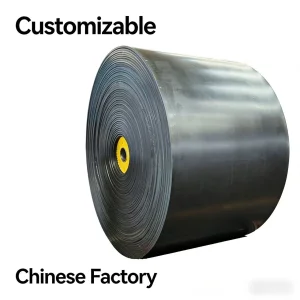
In the global conveyor system landscape, belt width is not merely a dimensional attribute but the core structural parameter that determines volumetric flow rate, localized stress distribution, mechanical drive configuration, and overall systemic efficiency. Operating under the stringent requirements of CE Certification, belt width variations must align systematically with European Machinery Directive 2006/42/EC and harmonized safety standards.
Selecting the appropriate belt width involves complex mechanical engineering metrics. Material cross-sectional area, surcharge angles, bulk density, and belt velocity dictate the operational envelope. For instance, a conveyor handling iron ore at high speeds requires a wide, heavy-duty elastomer belt to mitigate spillages and control localized wear points, while precision electronic assembly lines require narrow, anti-static belts (such as ESD PVC or PU) to ensure smooth piece-flow transport.
At Dongguan Trakkx Tech Co., Ltd., our engineering division approaches belt width variations as a multivariable equation:
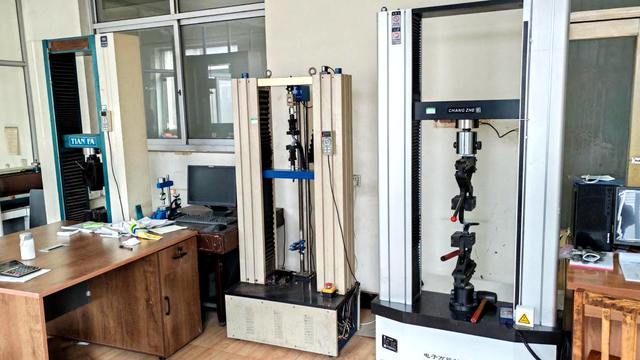
Trakkx Tech standard testing protocols under CE & CEMA specifications.
Conveyor belts cannot follow a one-size-fits-all manufacturing process. Depending on the targeted sector, the requirements of width, tensile reinforcement, thermal tolerances, and polymer profiles vary dramatically. Below is the technical breakdown of how Trakkx Tech addresses these global macro industries:
| Industry Verticals | Common Width Envelopes | Key Material Formulations | CE Standards & Requirements |
|---|---|---|---|
| Heavy Duty Mining & Quarrying | 800mm to 2200mm | Nylon, Steel Cord, High-Tensile EP Rubber | EN ISO 15236 (Steel Cord), DIN 22102 |
| E-Commerce & Smart Logistics | 500mm to 1000mm | Low-Noise PVC, Elastic PU, Modular Grid | EN 619 (Continuous Handling Equipment Safety) |
| Food & Pharmaceutical Processing | 300mm to 800mm | FDA PU, Antibacterial PVC, Monolithic Elastomers | EC 1935/2004, EU 10/2011 Compliance |
| High-Temperature Heavy Industry | 600mm to 1600mm | EPDM, Solid Woven Whole Core Rubber | ISO 4195 (Heat-Resistant Test Methods) |
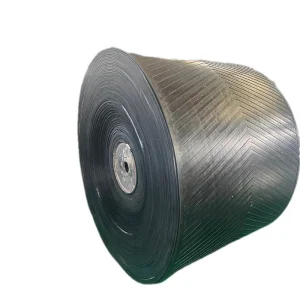
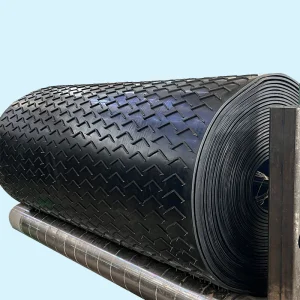
For example, in subsurface coal mining, standard installations depend on safety-compliant fire retardant rubber compounds matching MSHA and EN 12882 certifications. Our Adjustable Stainless Steel Reinforced Flame-Resistant Rubber Conveyor Belt represents a major technological step, integrating structured steel reinforcement within flexible rubber frameworks to sustain continuous high-load transportation across variations of 800mm, 1000mm, and 1200mm.
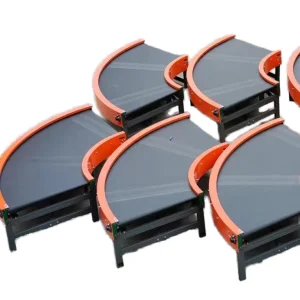
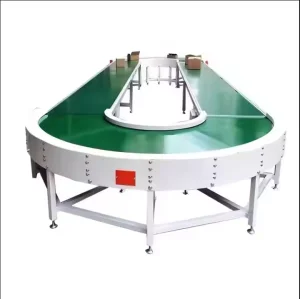
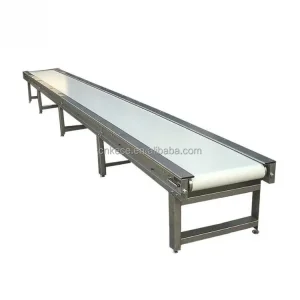
Conversely, food systems require modular, high-turn flexibility. Turning configurations, such as the PVC PU Curved Turning Belt Conveyor, employ tapered structural profiles designed to prevent structural micro-fractures in the conveyor frame while maintaining strict hygiene parameters during rapid sorting and packing.
Navigating international regulatory frameworks is one of the most critical aspects of global supply chain management. European markets enforce strict compliance for bulk material handling installations. Trakkx Tech addresses these needs through comprehensive certification pathways and specialized localized support, establishing high levels of authority and trustworthiness.
Our manufacturing plants operate according to localized compliance regulations. For instance, any belt width variation used in hazardous atmospheres (such as underground mining operations) is rigorously tested for electrostatic discharge safety according to EN ISO 284, ensuring surface resistance does not exceed 300 MΩ. Additionally, our flame retardancy testing matches the criteria of ISO 340, ensuring that combustion ceases within seconds of ignition-source removal.
Trakkx Tech provides localized field-engineering services globally. Our local technical partners assist with:
Operating from the industrial manufacturing hub of Dongguan, Dongguan Trakkx Tech Co., Ltd. represents the integration of China’s Factory 4.0 evolution. By merging advanced automation with intelligent logistics management, we provide global markets with high-precision manufacturing solutions that minimize delivery lead times and maximize cost efficiencies.
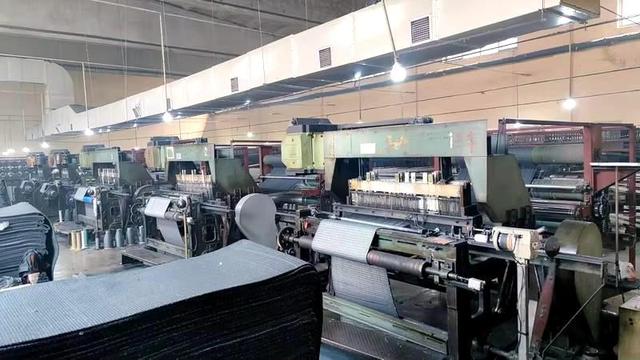
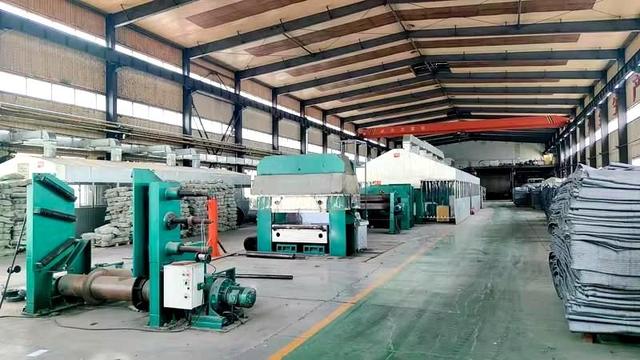
Our production plant utilizes high-output vulcanizing lines, automated calendering systems, and laser-guided cutting stations that ensure dimensional accuracy for custom belt widths. With automated width-trimming and slitting systems, we guarantee width tolerances within ±1%, preventing the typical tracking anomalies caused by irregular belt edges.
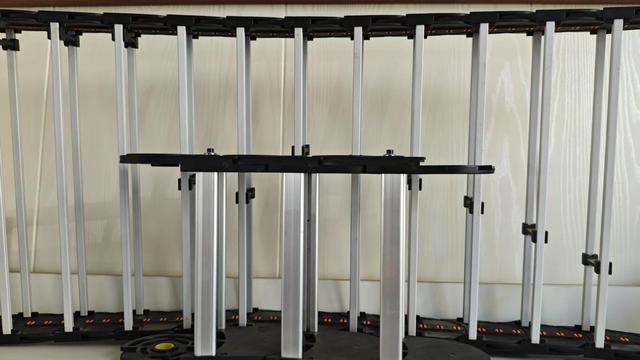
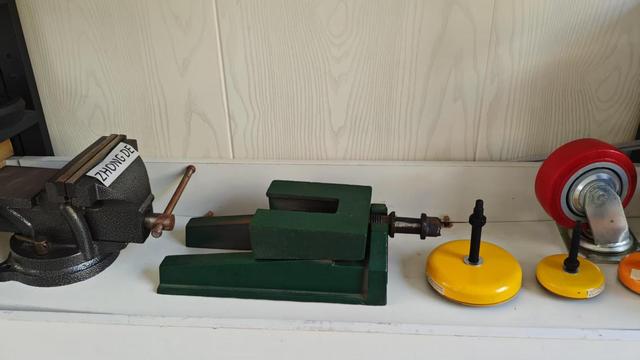
Direct snapshots from our dynamic workshop Floor, testing laboratories, and automated assembly systems.
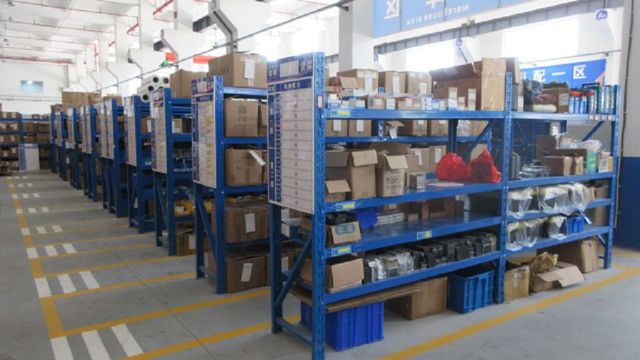
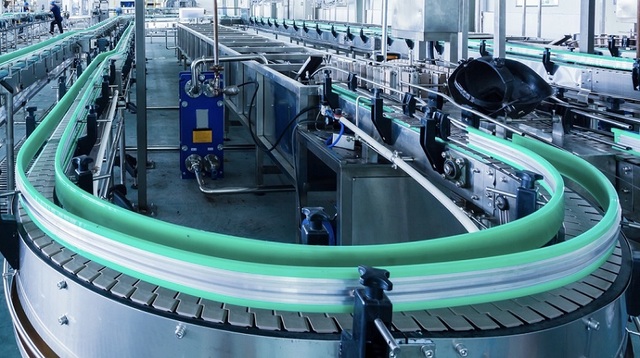
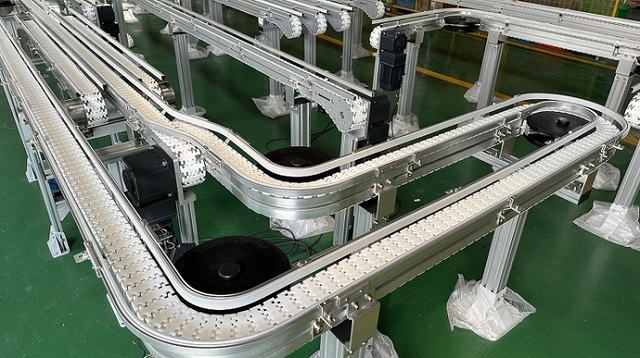
Our commitment to supply chain resilience means we maintain direct strategic sourcing agreements with top-tier raw material suppliers, including high-tensile polyester/nylon (EP/NN) manufacturers and specialty chemical companies. This ensures that even during global logistical disruptions, Trakkx Tech maintains consistent production schedules and competitive raw material cost baselines, delivering significant savings directly to our customers.
For industrial procurement directors, purchasing a conveyor system is not simply an upfront capital expense; it is a long-term operational commitment. Evaluating the Total Cost of Ownership (TCO) requires analyzing multiple factors: belt life expectancy, maintenance requirements, power consumption at the drive pully, and downtime costs.
Standardizing belt widths across an entire processing facility or warehouse complex can significantly reduce TCO. By aligning various conveyor systems to standard widths (e.g., 650mm, 800mm, or 1000mm), operators can reduce their required spare parts inventory, lowering storage costs and simplifying replacements.
Trakkx Tech supports procurement optimization through:
The material handling industry is undergoing a digital transformation. The next generation of belt width design focuses on smart systems and adaptive features. Trakkx Tech's research and development division is actively working on several key initiatives:
1. Embedded Sensor Technology: We are testing next-generation conveyor belts with embedded RFID chips and micro-tensile sensors. These modules monitor real-time tracking, local temperature, and ply separation, sending performance data directly to cloud-based monitoring systems.
2. Eco-Friendly Compounds: In response to international carbon reduction goals, our laboratory is developing eco-friendly rubber compounds that reduce rolling resistance against conveyor idlers. This technology can lower system power consumption by up to 12% on long-distance overland conveyors.
3. Modular Adaptive Systems: The future of logistics relies on flexibility. We are designing conveyor platforms that allow quick adjustments to side-guide panels and drive pulleys, enabling rapid reconfiguration of belt widths to meet shifting seasonal demand.
 Trakkx Tech