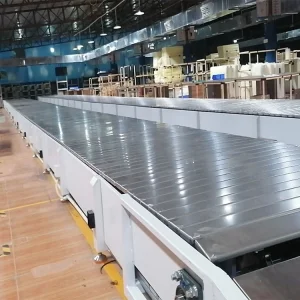
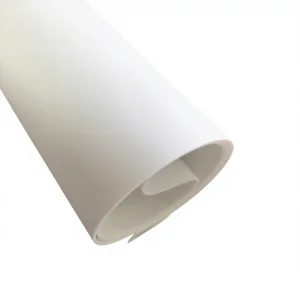
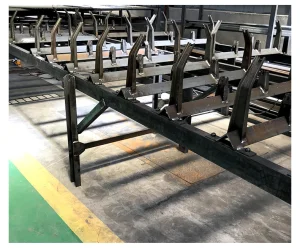
Pre-engineered heat resistant conveying structures designated for primary thermal processing units in Barcelona and the European Union.
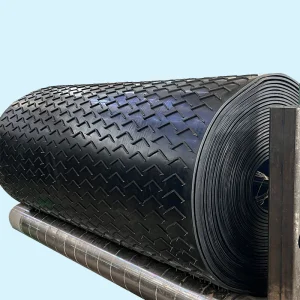
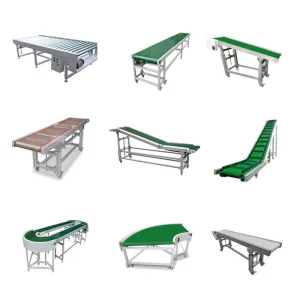
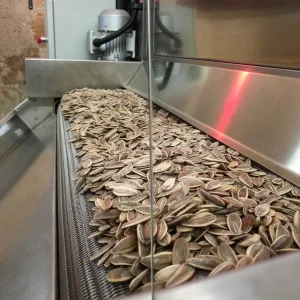
An in-depth analysis of Catalonia's manufacturing corridors and their demanding technical standards.
The Metropolitan Area of Barcelona and the broader Catalonia region represent one of Southern Europe’s most dynamic industrial hubs. From the automotive assembly lines in Martorell to the chemical complexes of Tarragona and the food-processing clusters in the Vallès Oriental, manufacturing is the economic foundation. In these environments, material handling systems are subjected to extreme conditions. Conveying hot clinker in cement plants, moving cast metals in foundries, or drying food items in processing tunnels all require specialized, high-temperature-resistant conveyor belts.
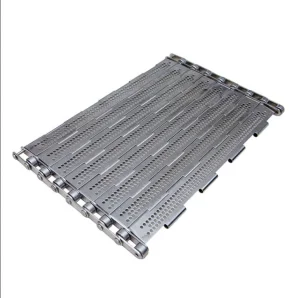
For Barcelona-based factory managers, selecting thermal conveyor equipment is governed by strict compliance frameworks, including EU machinery directives and regional ATEX workplace safety standards. The local maritime climate of Barcelona introduces additional variables, where high coastal humidity accelerates the oxidation of sub-structures if low-grade elastomers are used. This makes the procurement of advanced EPDM, PTFE, and high-tensile stainless steel belt systems a technical priority for engineers seeking to avoid costly downtime.
In the modern global supply chain, regional factories in Barcelona rely heavily on a hybrid procurement model that combines localized technical support with global manufacturing scale. While local distributors provide rapid installation and splice vulcanization services, the primary manufacturing of premium compounds occurs in dedicated facilities worldwide. This division of labor optimizes cost structures and ensures that European industries receive components built using advanced chemical synthesis methods.
Sourcing from advanced manufacturing zones in China, such as Dongguan, allows European factories to leverage significant economies of scale. High-temperature rubber compounding requires specialized vulcanization presses and precision curing lines that are cost-prohibitive to operate at low volumes. By partnering with global manufacturing leaders, Barcelona firms secure access to custom formulations—including specialty flame-retardant covers and carbon-fiber reinforced backings—that meet stringent European CE requirements at competitive price points.
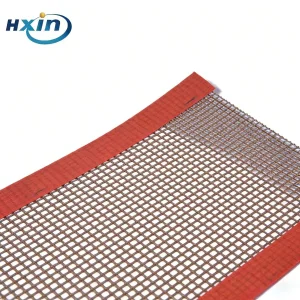
Advanced synthetic polymer belts designed to withstand continuous thermal exposure without cracking or losing tensile strength.
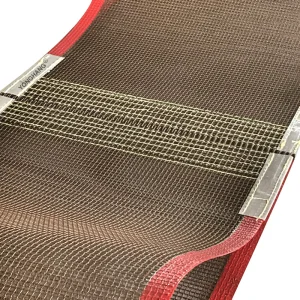
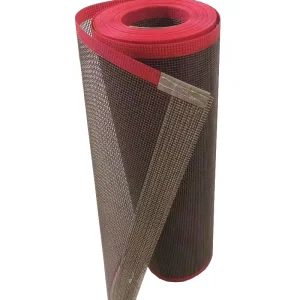
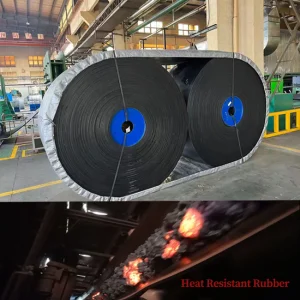
A closer look at Dongguan Trakkx Tech Co., Ltd., a professional manufacturer specializing in advanced industrial material handling systems.
Dongguan Trakkx Tech Co., Ltd. is a professional China conveyor belt manufacturer specializing in industrial material handling and conveying solutions for a wide range of industries worldwide. With years of experience in conveyor technology, we provide reliable, efficient, and customized conveyor systems that help businesses optimize production processes, improve workflow efficiency, and reduce operational costs.
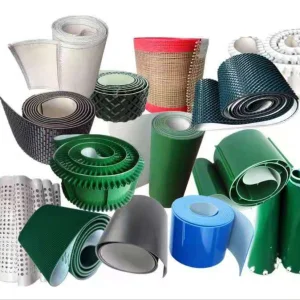
Our product portfolio includes conveyor belts, belt conveyor systems, modular conveyors, roller conveyors, inclined conveyors, assembly line conveyors, packaging conveyors, and customized material handling equipment. Designed to meet the demanding requirements of modern manufacturing environments, our solutions are widely used in logistics, food processing, electronics, automotive, warehousing, packaging, pharmaceuticals, and industrial production facilities.
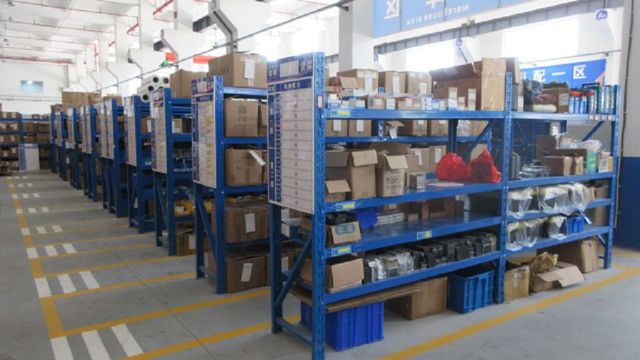
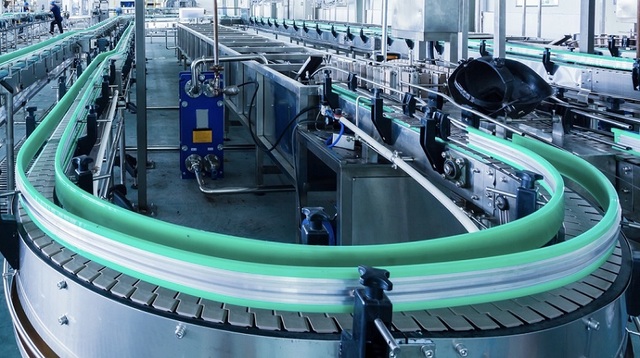
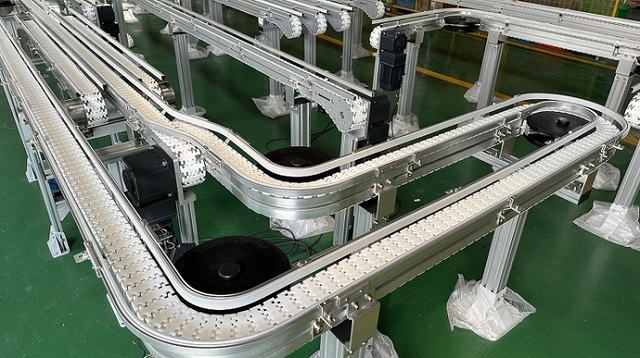
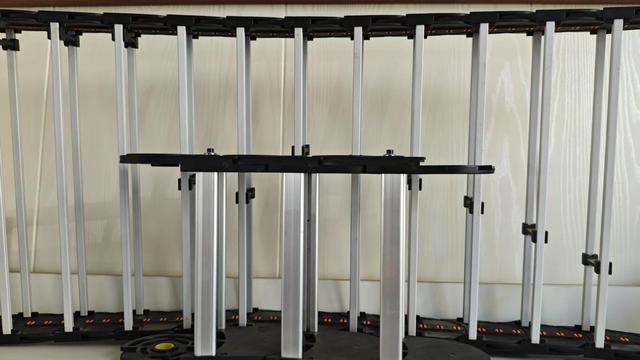
At Trakkx Tech, we combine engineering expertise with advanced manufacturing capabilities to deliver high-performance conveying systems tailored to specific customer applications. Our experienced technical team works closely with clients throughout the entire process, from project consultation and system design to prototyping, production, installation support, and after-sales service.
Our manufacturing facility is equipped with modern production equipment and strict quality control systems to ensure durability, reliability, and consistent performance. Every conveyor solution undergoes comprehensive testing and inspection before delivery, helping customers achieve smooth and uninterrupted material handling operations.
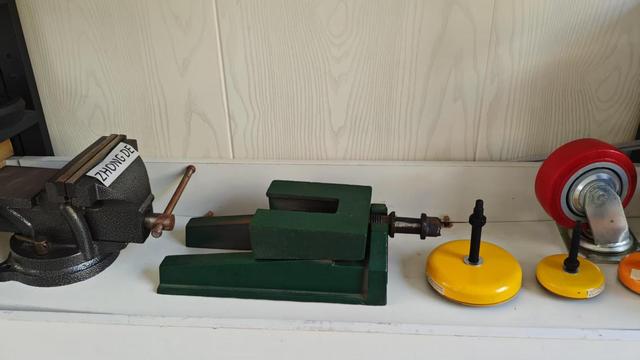
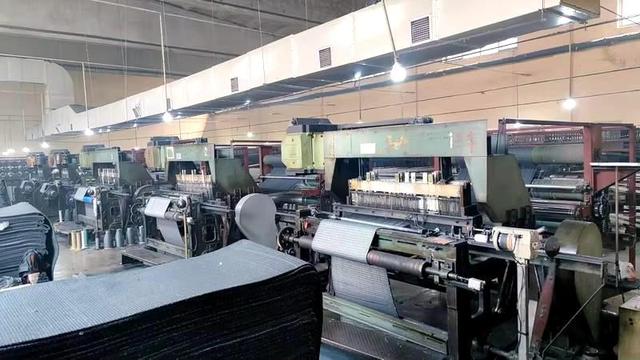
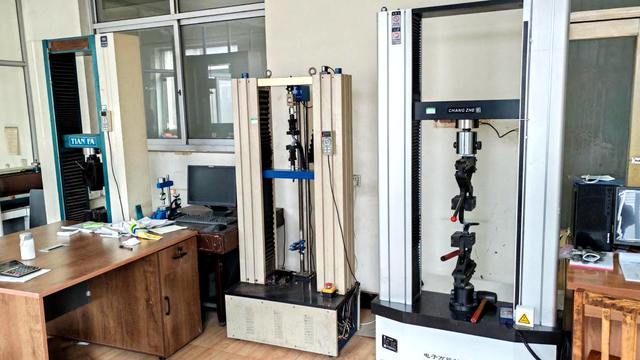
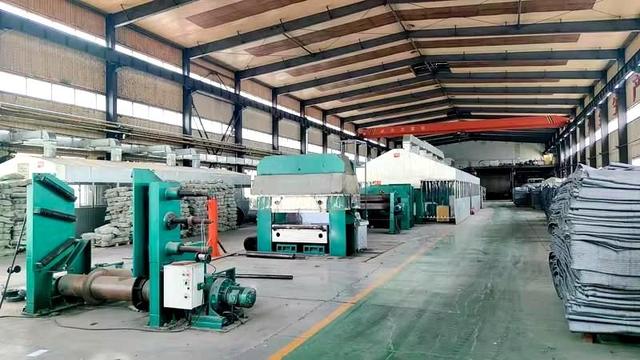
In addition to standard products, Dongguan Trakkx Tech Co., Ltd. offers flexible OEM and ODM services for global distributors, system integrators, equipment manufacturers, and industrial brands. We are committed to providing innovative conveying solutions that adapt to evolving industry needs and support long-term business growth.
Serving customers across North America, Europe, Southeast Asia, the Middle East, and other international markets, Trakkx Tech has established a reputation for quality, efficiency, and customer-focused service. Our mission is to become a trusted global partner for advanced conveyor belt systems and intelligent material handling solutions.
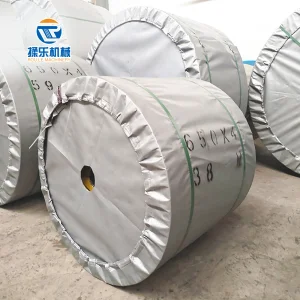
The service life of a heat-resistant conveyor belt is fundamentally determined by the chemical composition of its cover rubber and the structural integrity of its internal carcass. Standard rubbers (such as Styrene-Butadiene or Natural Rubber) undergo rapid oxidation and post-vulcanization hardening when exposed to temperatures exceeding 100°C. This causes the surface to crack, leading to carcass exposure and sudden failure. To combat this, advanced compounding utilizing Ethylene Propylene Diene Monomer (EPDM) is employed.
EPDM possesses a fully saturated polymer backbone, which provides exceptional resistance to heat, ozone, and oxygen. The vulcanization chemistry must be precisely controlled—using sulfur-donor or peroxide-curing systems—to establish stable cross-links that do not break down under continuous thermal stress. For applications where materials exceed 200°C (such as hot clinker or sintering lines), textile carcasses (EP or NN fabrics) are often replaced with steel cord plies to prevent thermal shrinkage and structural deformation. This chemical and physical engineering ensures that Barcelona's high-output industrial operations run continuously without unscheduled interruptions.
When evaluating suppliers for the Barcelona market, purchasing directors must look beyond the initial price per meter. Total Cost of Ownership (TCO) calculation is the standard framework for evaluating thermal conveying systems. The primary factors include compound wear rate, maintenance labor costs, downtime losses, and energy consumption. High-efficiency belts featuring low-rolling-resistance backing rubbers can reduce system power requirements by up to 15%, representing significant savings over the lifetime of the installation.
Furthermore, local technical support remains a key component of the sourcing matrix. Having a partner who can quickly respond to splice failures, perform thermal imaging inspections, and advise on tracking adjustments is crucial. By combining the cost advantages of global production with local engineering expertise, Barcelona operations can build a highly resilient, low-maintenance material handling infrastructure.
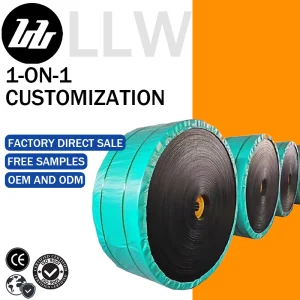
Premium grade belts built for maximum service life in high-temperature environments, catering to mining, logistics, and processing applications.
Addressing key engineering inquiries regarding heat resistant belt selection, compounding, and deployment in Spain.
 Trakkx Tech