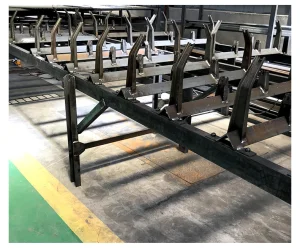
Designed to withstand extreme operating temperatures, corrosive atmospheres, and heavy mechanical stresses.
Industrial manufacturing, mining, and chemical processing in Israel present unique physical challenges that demand highly specialized material handling solutions. As a globally recognized manufacturer and exporter of heat resistant conveyor belts, Dongguan Trakkx Tech Co., Ltd. is at the forefront of providing custom engineered solutions designed specifically to address these challenges.
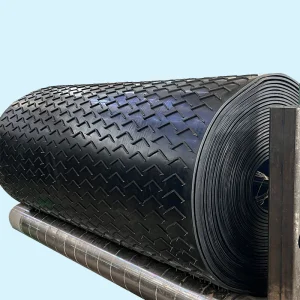
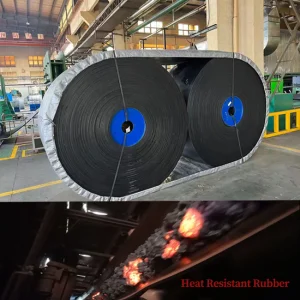
Israel's chemical industry, driven by major global conglomerates such as ICL Group (Israel Chemicals Ltd), operates massive mining and processing complexes in the Negev Desert and around the Dead Sea. The extraction and processing of potash, phosphate ore, bromine, and magnesium involve high-temperature thermal drying, calcining, and sintering processes. Raw phosphate rock, after leaving thermal processing kilns, retains core temperatures of 150°C to 200°C. Standard rubber conveyor belts subjected to these loads suffer rapid thermal aging, hardening, cracking, and eventual ply-separation. Our specialized EPDM and heat-resistant steel cord conveyor belts are formulated to resist premature oxidation and maintain structural integrity under persistent dry heat.
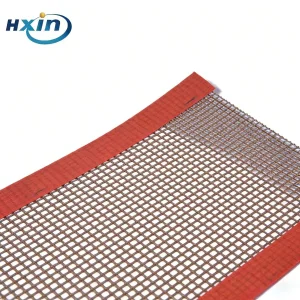
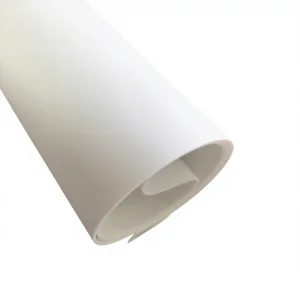
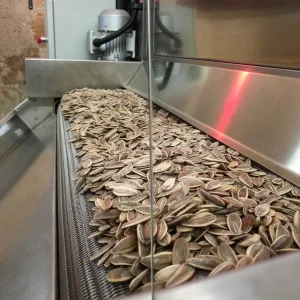
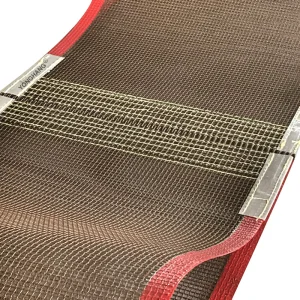
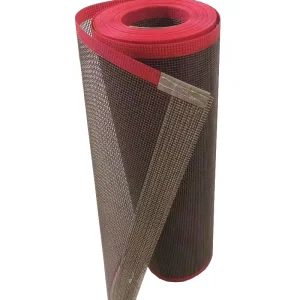
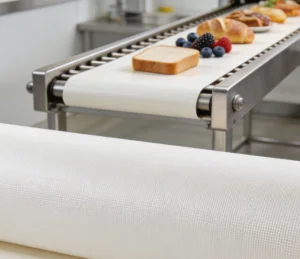
Israel is globally renowned as a hub for advanced agri-food technologies, alternative protein development, and automated food production lines. From automated baking lines in coastal regions to dehydrated agricultural exports in the Arava Valley, heat resistant, food-grade belting is crucial. Our FDA-compliant PTFE (Teflon) coated fiberglass and stainless steel wire mesh belts run seamlessly through continuous roasting tunnels, high-speed drying lines, and industrial baking ovens. These systems must support not only high temperatures up to 260°C but also rapid cleaning cycles, resistance to aggressive food acids, fats, and high humidity.
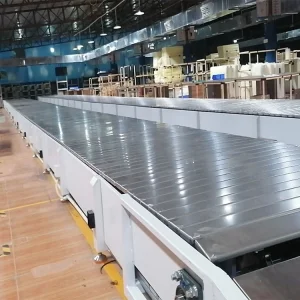
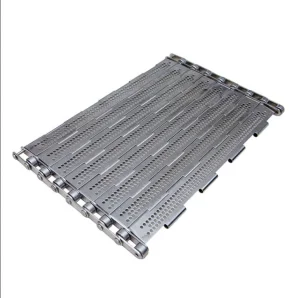
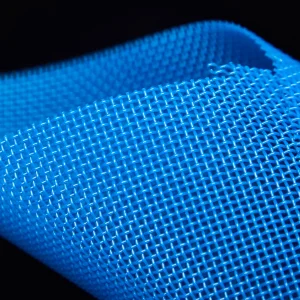
Precision container glass manufacturing, pharmaceutical glass ampoule production, and metallurgy plants in industrial zones like Haifa and Ashdod require belts capable of handling materials at incandescent temperatures. Metal mesh belts and perforated stainless steel plates (Grade 310S/314) are utilized to transport materials through annealing lehrs and heat treatment furnaces where temperatures exceed 600°C. These applications demand exceptional creep resistance, low thermal expansion coefficients, and structural stability under extreme cycles of heating and cooling.
Heavy-duty steel cord belts, mesh, and fire-resistant materials engineered for continuous high-temperature exposure.
The durability of a heat resistant conveyor belt depends on two primary elements: the thermal stability of the base polymer/elastomer compound (the cover) and the mechanical strength of the structural carcass under heat. Over time, heat degrades elastomers by causing cross-linking (hardening) or chain scission (softening). Our R&D division has established a rigorous material selection roadmap to match specific Israeli operational conditions.
| Elastomer / Material Type | Max Continuous Temp (°C) | Max Peak Temp (°C) | Primary Industrial Application (Israel Context) | Key Performance Standard |
|---|---|---|---|---|
| T1 Cover (SBR/Premium Rubber) | 125°C | 150°C | Clinker, foundry sand, limestone processing | DIN 22102 Class T1, ISO 4184 |
| T2 Cover (High EPDM Content) | 150°C | 180°C | Phosphate mines, chemical fertilizers (Negev) | DIN 22102 Class T2, ISO 14890 |
| T3 Cover (Pure EPDM / Shield) | 200°C | 400°C (short-peak) | Cement plants, hot sintered minerals, iron ore pellets | DIN 22102 Class T3, ASTM D2240 |
| PTFE Coated Fiberglass Mesh | 260°C | 300°C | Food drying tunnels, roasting machines, textile curing | FDA Compliance 21 CFR 177.1550 |
| Stainless Steel Mesh (310S/314) | 800°C | 1150°C | Industrial annealing, metallurgy sintering, glass ovens | AISI / ASTM Standard, ISO 9001 |
When selecting a heat-resistant belt, it is vital to distinguish between product temperature and the belt surface temperature. The thermal dissipation rate of the conveyed material, belt speed, cycle time, and ambient airflow all play crucial roles in determining actual thermal loading. For example, in the dry Negev environment, natural convective cooling of the belt on its return run is slower than in humid climates. This demands a higher rating cover polymer (like EPDM) to prevent premature rubber embrittlement.
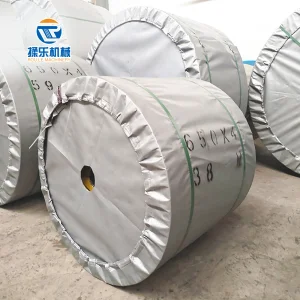
Standard nylon (NN) or polyester-nylon (EP) fabrics can lose up to 30% of their tensile strength when heated continuously above 120°C. For extreme heavy-duty applications, we recommend Steel Cord Reinforcement or specifically treated heat-stabilized EP fabrics. These materials undergo a rigorous thermo-mechanical stretching process during manufacture to ensure low elongation and high dimensional stability, preventing belt sagging or mistracking on site.
Supplying certified, reliable conveyor solutions to logistics, food tech, and heavy industrial operations worldwide.
Custom layouts, compound adjustments, edge protections, and profiling tailored to the precise blueprints of automated system integrators in Tel Aviv, Haifa, and Ashdod.
Full compliance with ISO 9001:2015, DIN standards, FDA food contact regulations, and European REACH requirements for chemical safety.
Anti-abrasive and anti-static compounds maximize life expectancy, reducing maintenance downtime and improving total cost of ownership (TCO).
Dongguan Trakkx Tech Co., Ltd. is a professional China conveyor belt manufacturer specializing in industrial material handling and conveying solutions for a wide range of industries worldwide. With years of experience in conveyor technology, we provide reliable, efficient, and customized conveyor systems that help businesses optimize production processes, improve workflow efficiency, and reduce operational costs.
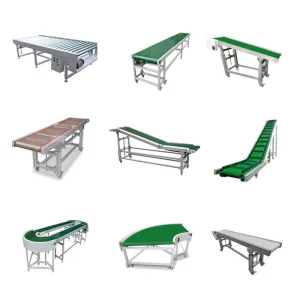
Our product portfolio includes conveyor belts, belt conveyor systems, modular conveyors, roller conveyors, inclined conveyors, assembly line conveyors, packaging conveyors, and customized material handling equipment. Designed to meet the demanding requirements of modern manufacturing environments, our solutions are widely used in logistics, food processing, electronics, automotive, warehousing, packaging, pharmaceuticals, and industrial production facilities.
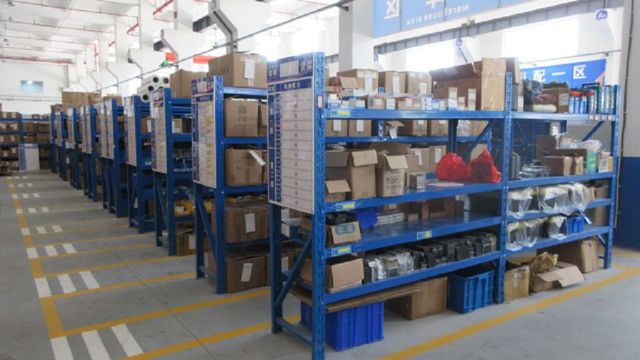
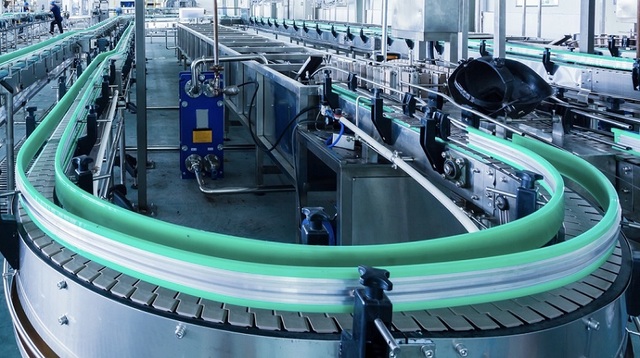
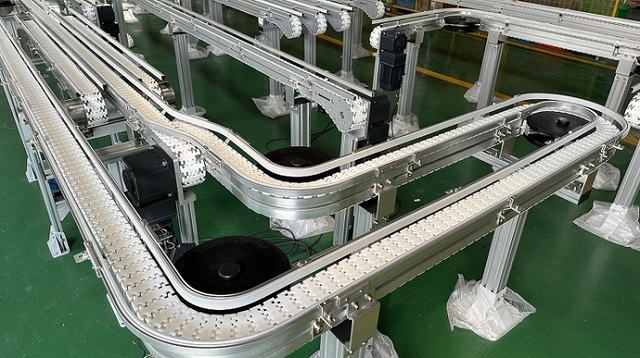
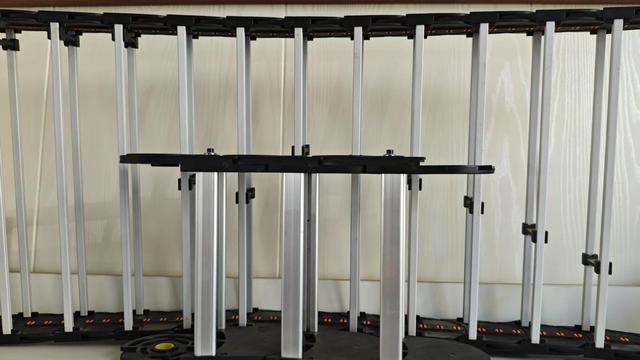
At Trakkx Tech, we combine engineering expertise with advanced manufacturing capabilities to deliver high-performance conveying systems tailored to specific customer applications. Our experienced technical team works closely with clients throughout the entire process, from project consultation and system design to prototyping, production, installation support, and after-sales service.
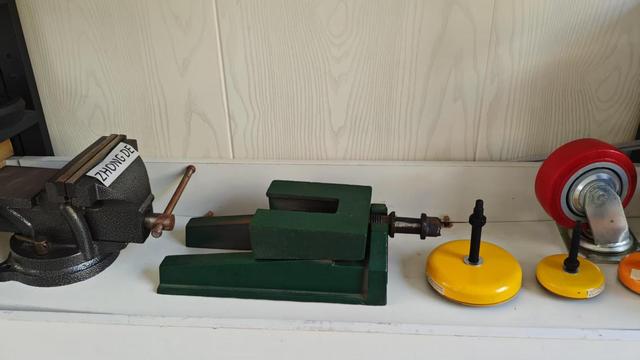
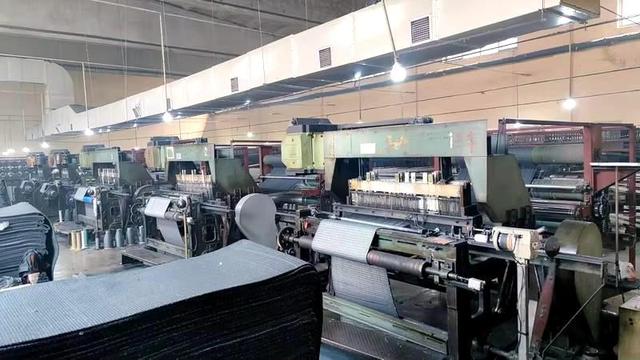
Our manufacturing facility is equipped with modern production equipment and strict quality control systems to ensure durability, reliability, and consistent performance. Every conveyor solution undergoes comprehensive testing and inspection before delivery, helping customers achieve smooth and uninterrupted material handling operations.
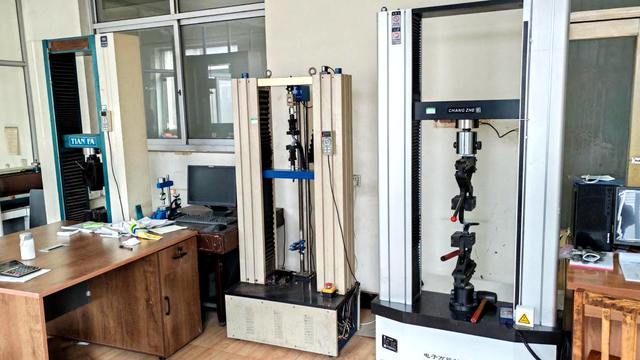
In addition to standard products, Dongguan Trakkx Tech Co., Ltd. offers flexible OEM and ODM services for global distributors, system integrators, equipment manufacturers, and industrial brands. We are committed to providing innovative conveying solutions that adapt to evolving industry needs and support long-term business growth.
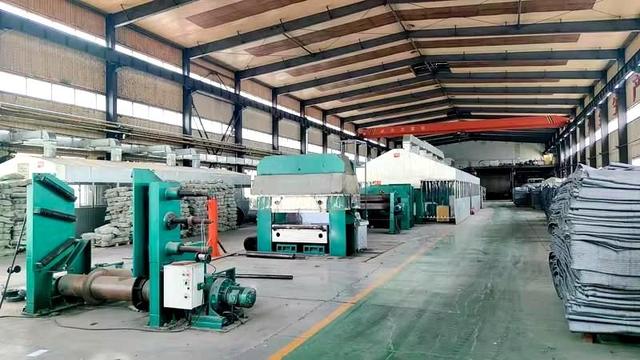
Serving customers across North America, Europe, Southeast Asia, the Middle East, and other international markets, Trakkx Tech has established a reputation for quality, efficiency, and customer-focused service. Our mission is to become a trusted global partner for advanced conveyor belt systems and intelligent material handling solutions.
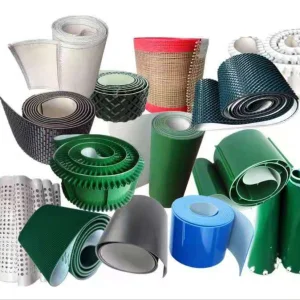
High quality EPDM, food-grade PU, and high-temperature PTFE / mesh belts with customized sizes for Israeli distributors.
Detailed technical advice on selecting, installing, and maintaining heat resistant conveyor systems.
Whether managing a chemical plant in Negev, a food facility in Haifa, or a high-tech electronics warehouse in Tel Aviv, our engineers can design a conveyor system that maximizes runtime and performance.
Send Inquiry Now Trakkx Tech