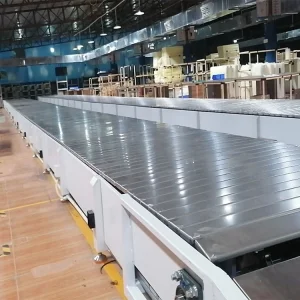
Engineered to excel in high-heat environments. Explore our top four advanced material handling solutions optimized for Ethiopia's industrial infrastructure.
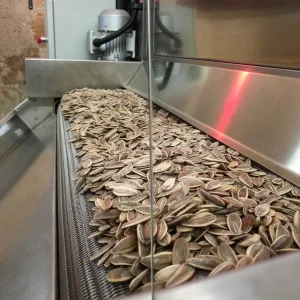
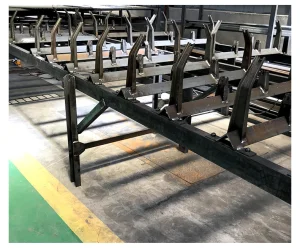
Ethiopia’s macro-economic trajectory is characterized by rapid industrial expansion, catalyzed by targeted infrastructure projects and the growth of integrated industrial parks such as Hawassa, Bole Lemi, and Adama. Key domestic industries—ranging from large-scale cement manufacturing (crucial for local infrastructure like the Grand Ethiopian Renaissance Dam) to intensive agro-processing, textile fabrication, and gold mining—rely heavily on robust mechanical handling infrastructure. In locations like Dire Dawa and the Awash valley, extreme ambient heat coupled with highly abrasive raw materials places massive thermal stress on standard materials handling equipment.
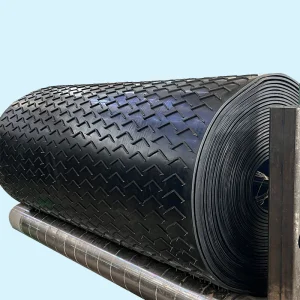
The cement industry, led by plants like Dangote Cement, Derba MIDROC, and Mugher Cement, uses sintering processes that produce clinker at temperatures exceeding 1000°C. Standard conveyor belts would crack, de-vulcanize, and fail under these conditions. Consequently, high-performance heat-resistant conveyor belts are essential. These specialized belts utilize advanced EPDM (Ethylene Propylene Diene Monomer) and SBR (Styrene-Butadiene Rubber) compounds. This prevents structural degradation, ensures minimal carcass elongation, and maintains system integrity over extended continuous operation cycles.
Globally, the industrial conveying industry is shifting towards sustainability, high-temperature resistance, and smart wear monitoring. Standard multi-ply fabric belts are increasingly being replaced by high-tensile steel cord structures and specialty fiberglass meshes for applications involving direct flame contact or extreme high-temperature ovens.
Modern heat-resistant rubber compounds are categorized under precise international ISO 4195 standards, which evaluate constant running temperatures versus peak contact temperatures. To provide long-lasting solutions, manufacturers like Dongguan Trakkx Tech Co., Ltd. formulate specialized cross-linked polymer matrices. These matrices slow down the thermal aging process, preventing the rubber from hardening and cracking. Additionally, incorporating anti-static (ISO 284) and flame-retardant elements ensures safety in highly explosive environments, such as coal feeding lines in cement kilns and underground mining shafts.
Thermal degradation in conveyor belts typically begins with the hardening of the cover rubber, followed by a loss of tensile strength in the reinforcement carcass. By integrating localized, micro-cellular EPDM structures with high-grade synthetic fibers, Trakkx Tech belts create a protective char layer during brief, high-temperature spikes. This thermal barrier prevents the heat from reaching the structural fabric, extending the operating life of the belt by up to 45% compared to standard rubber compounds.
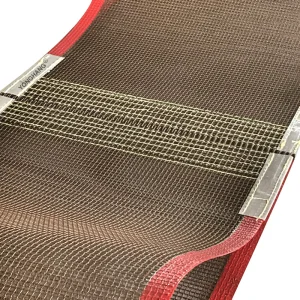
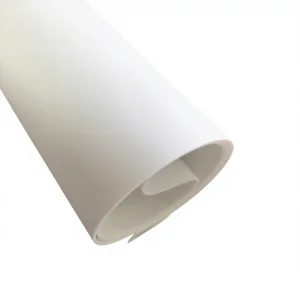
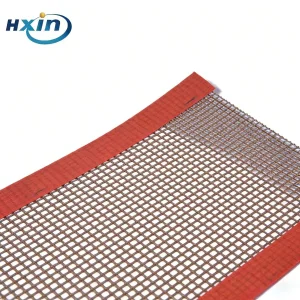
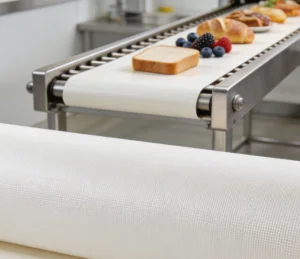
Specialized PTFE, EPDM, and polyurethane compounds designed for food drying, roasting, and thermal processing in Ethiopia.
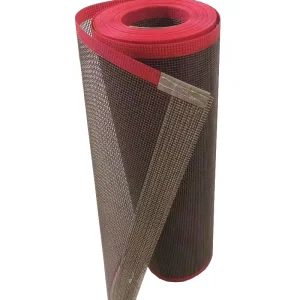
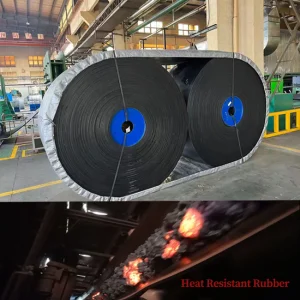
Selecting the correct heat-resistant conveyor belt requires evaluating the physical state of the material being conveyed, the constant working temperature, and the maximum peak exposure temperatures. Below is our engineering guide designed for industrial systems engineers operating in mining, cement, and chemical sectors.
| Belt Grade Classification | Constant Temp Rating (°C) | Peak Contact Temp (°C) | Primary Reinforcement Ply | Key Applications in Ethiopia |
|---|---|---|---|---|
| T1 Standard Grade | 120°C | 150°C | EP (Polyester-Nylon) | Sieved silica, agricultural drying, gypsum feeding |
| T2 Premium Grade | 150°C | 180°C | EP / Aramid Fabric | Cement packaging, dry fertilizer, phosphate mining |
| T3 High-Temp EPDM | 180°C | 220°C | Reinforced EP Plies | Hot cement clinker, iron ore sintering, foundry lines |
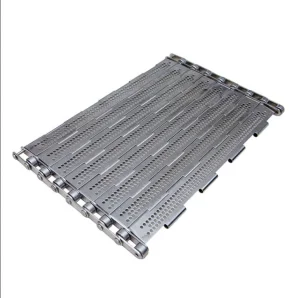
| T4 Super High-Temp | 200°C | 400°C | Steel Cord / Kevlar | Slag processing, direct cement kiln discharge |
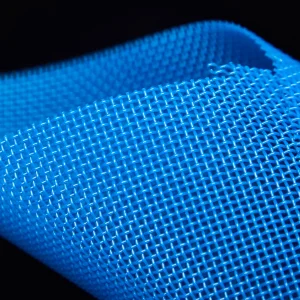
| PTFE/Fiberglass Mesh | 260°C | 300°C | Woven E-Glass Fabric | Industrial baking ovens, coffee bean roasting |
Dongguan Trakkx Tech Co., Ltd. is a professional China conveyor belt manufacturer specializing in industrial material handling and conveying solutions for a wide range of industries worldwide. With years of experience in conveyor technology, we provide reliable, efficient, and customized conveyor systems that help businesses optimize production processes, improve workflow efficiency, and reduce operational costs.
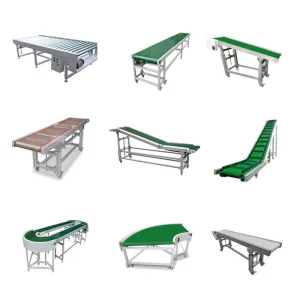
Our product portfolio includes conveyor belts, belt conveyor systems, modular conveyors, roller conveyors, inclined conveyors, assembly line conveyors, packaging conveyors, and customized material handling equipment. Designed to meet the demanding requirements of modern manufacturing environments, our solutions are widely used in logistics, food processing, electronics, automotive, warehousing, packaging, pharmaceuticals, and industrial production facilities.
At Trakkx Tech, we combine engineering expertise with advanced manufacturing capabilities to deliver high-performance conveying systems tailored to specific customer applications. Our experienced technical team works closely with clients throughout the entire process, from project consultation and system design to prototyping, production, installation support, and after-sales service.
Our manufacturing facility is equipped with modern production equipment and strict quality control systems to ensure durability, reliability, and consistent performance. Every conveyor solution undergoes comprehensive testing and inspection before delivery, helping customers achieve smooth and uninterrupted material handling operations.
In addition to standard products, Dongguan Trakkx Tech Co., Ltd. offers flexible OEM and ODM services for global distributors, system integrators, equipment manufacturers, and industrial brands. We are committed to providing innovative conveying solutions that adapt to evolving industry needs and support long-term business growth.
Serving customers across North America, Europe, Southeast Asia, the Middle East, and other international markets, Trakkx Tech has established a reputation for quality, efficiency, and customer-focused service. Our mission is to become a trusted global partner for advanced conveyor belt systems and intelligent material handling solutions.
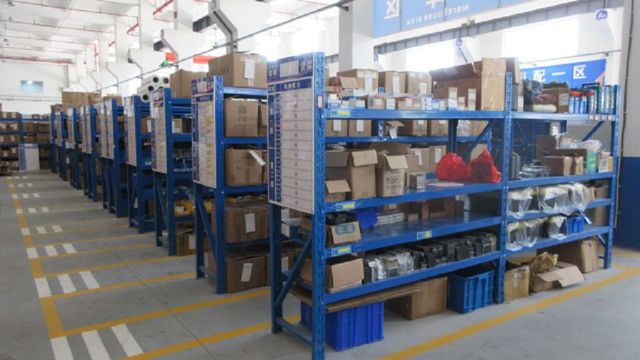
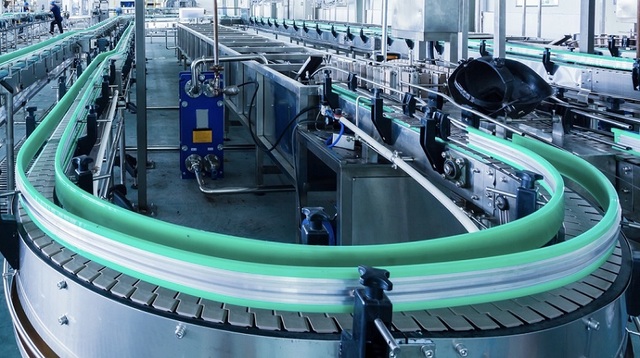
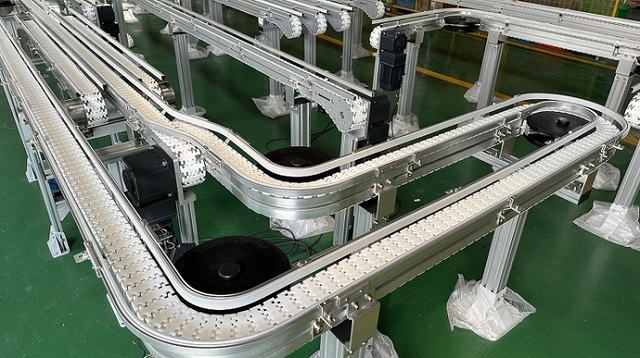
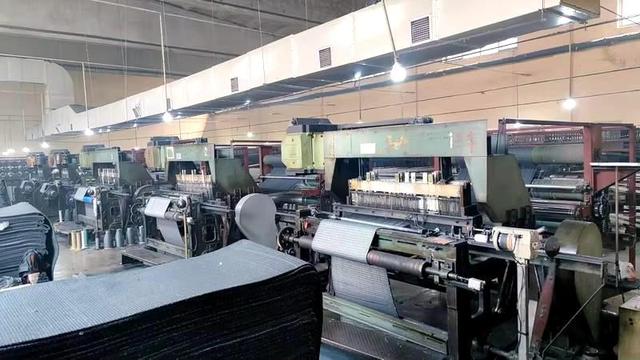
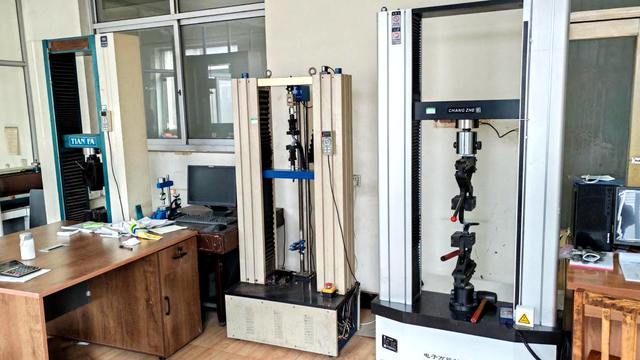
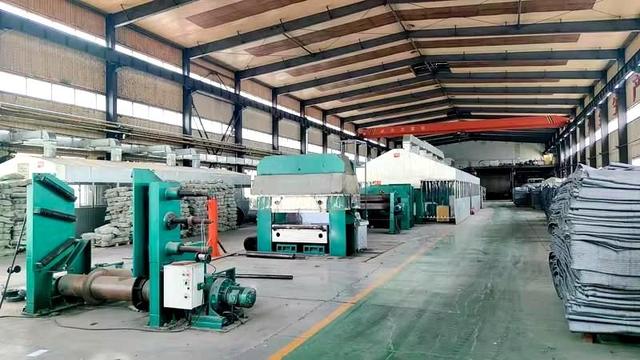
Operating hot material conveying systems in dry, high-altitude regions like Addis Ababa or the Afar Depression requires special engineering considerations. High UV indexes accelerate rubber oxidation, and dry dust particles speed up mechanical wear at the transfer points. To address these issues, Trakkx Tech provides integrated engineering systems that combine high-performance belts with custom dust suppression enclosures and self-aligning tracking systems.
Additionally, the transition points between the furnace discharge and the conveyor system must be carefully managed. If hot clinker or sintering materials pool in one spot, it can cause localized thermal shock. Using variable speed drives (VSDs) and structured impact beds helps distribute materials evenly across the belt surface. This prevents localized heat build-up and significantly extends the operational lifespan of the conveyor belt.
The next stage of development for heat-resistant conveying is the integration of real-time monitoring technology. Trakkx Tech is currently developing belts with built-in thermal sensor networks and magnetic carcass indicators. These systems continuously monitor the belt's internal temperature and detect signs of carcass wear before a breakdown occurs.
This predictive maintenance approach is especially valuable for remote mining and industrial sites in Ethiopia, where importing replacement belts quickly can be difficult. By monitoring belt health in real-time, operators can identify potential issues early and plan maintenance ahead of time, preventing costly unplanned shutdowns.
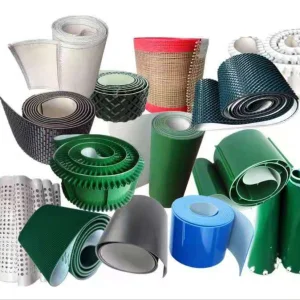
Browse our complete range of specialized industrial, mining, and food-grade heat-resistant conveyor belts, engineered for reliable performance in demanding environments.
Get expert insights on deploying, selecting, and maintaining heat-resistant conveyor systems in Ethiopia.
For hot cement clinker transport, we recommend Class T3 (continuous up to 180°C, peak up to 220°C) or Class T4 (continuous up to 200°C, peak up to 400°C) belts. These belts are formulated with EPDM cover compounds to withstand the high temperatures of cement production without hardening or cracking prematurely.
Ethiopia's high-altitude regions have high UV indexes, which can accelerate the aging and cracking of cover rubber. The dusty conditions in areas like Dire Dawa also increase mechanical wear. Using UV-stabilized, wear-resistant SBR/EPDM covers helps protect the belt and maintain performance in these harsh conditions.
Yes. For temperatures up to 260°C in food processing and coffee roasting, we recommend FDA-compliant, PTFE-coated fiberglass open mesh conveyor belts. These belts are non-toxic, chemical-resistant, and allow hot air to flow freely, ensuring even and efficient drying.
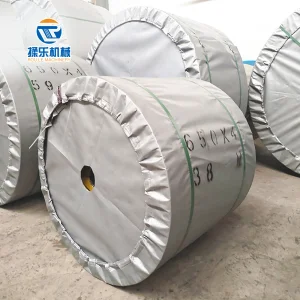
All belts are manufactured under ISO 9001 quality standards, inspected, and packed in reinforced, moisture-proof steel and polymer cores. This protective packaging prevents moisture build-up and physical damage during sea freight to Djibouti and subsequent road transit to Ethiopia.
For custom belts (such as custom widths, sidewalls, or steel cord specifications), production generally takes 15 to 20 days. Shipping time depends on the route, but transit from our factory to the port of Djibouti is highly optimized to minimize overall delivery times.
Get in touch with our technical sales engineers for a customized quote, detailed product specifications, and material advice tailored to your project.
Send Inquiry Now Trakkx Tech