Optimized for Dutch agricultural export pipelines, automated greenhouse logistics, and dairy processing compliance.
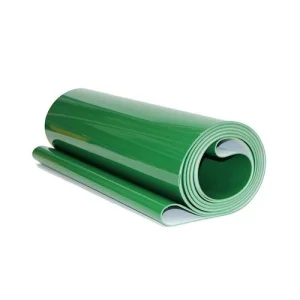
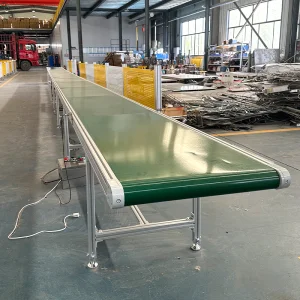
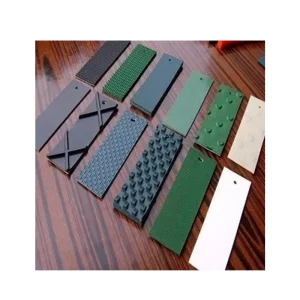
The Netherlands has established itself as Europe's premier agricultural exporter and logistics powerhouse. As home to the Port of Rotterdam—the largest seaport in Europe—and a highly consolidated, automated agro-food corridor (incorporating major hubs in Venlo, Westland, and East Netherlands), the nation demands conveying technologies that meet the absolute highest standards of throughput, hygienic integrity, and energy efficiency. Among these, Thermoplastic Polyurethane (TPU) and Polyurethane (PU) conveyor belts represent critical hardware components driving efficiency in highly regulated food, pharmaceutical, and high-velocity sorting networks.
Unlike standard PVC belts, modern PU conveyor belts offer unparalleled mechanical properties. They exhibit superior resistance to animal fats, vegetable oils, friction wear, and chemical sanitizers. This makes them indispensable in the strict Dutch dairy (cheese processing), meat processing, and confectionery manufacturing facilities that operate under the regulatory oversight of the Netherlands Food and Consumer Product Safety Authority (NVWA) and must comply fully with EU Regulations EC 1935/2004 and EU 10/2011.
In the Dutch mechanical engineering community, the choice of belt material is dictated by the chemical characteristics of the product being conveyed and the physical geometry of the machine. The fundamental difference lies in molecular structure and compound migration:
Advanced mechanical engineering solutions for manufacturing plants requiring high temperature stability and extreme wear cycles.
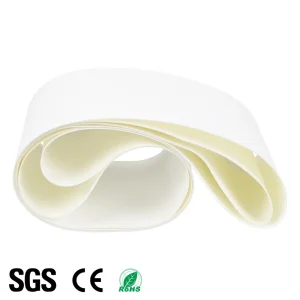
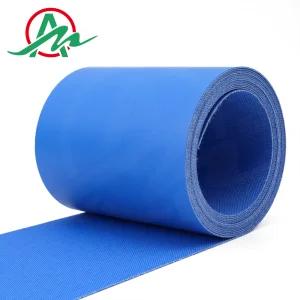
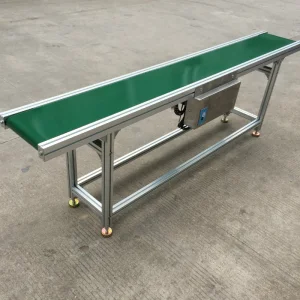
Procurement departments within the Dutch manufacturing landscape (from food multinationals to specialized system integrators in Brabant) face a multi-faceted decision-making process when sourcing industrial belts. They must balance initial capital expenditure (CAPEX) with operational performance (OPEX) metrics, including unplanned downtime, cleaning cycles, and energy expenditure.
With electricity and carbon-offset pricing structured rigidly across the EU, the friction coefficients of conveyor fabrics have direct financial consequences. Trakkx Tech addresses this by weaving specialized low-friction polyester running sides that slide effortlessly over galvanized or stainless-steel slider beds. This reduces the mechanical load on gearmotors, lowering energy consumption by up to 15% across extensive material handling loops.
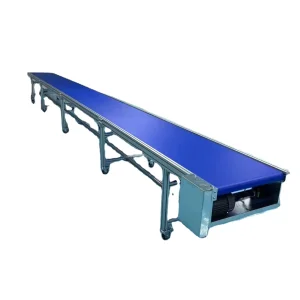
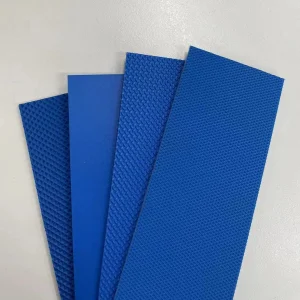
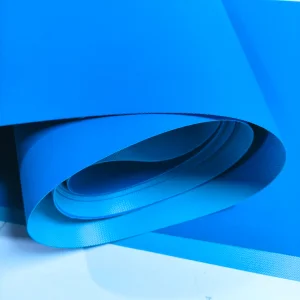
In facilities operating under Hazard Analysis Critical Control Point (HACCP) frameworks, belt cleaning is a critical daily bottleneck. Traditional fabrics can absorb liquids from the edges, leading to fungal and bacterial breeding grounds. Our PU formulations feature sealed edges (SmartEdge treatment) and monolithic polyurethane structures that prevent microbial penetration. The introduction of non-reflective Cobalt Blue PU surfaces has further streamlined inspection; contrast sensors and human eyes can easily spot microscopic contaminants or food residues against the blue background, passing optical inspection tests with ease.
| Parameters | Standard PVC Belt | Premium TPU (PU) Belt | Trakkx Tech Reinforced PU |
|---|---|---|---|
| Shore A Hardness Range | 70A - 85A | 85A - 93A | 92A (Specially Hardened) |
| Min. Operating Temp | -10°C | -30°C | -40°C (Cold-chain safe) |
| Resistance to Animal Fats | Poor to Moderate | Excellent | Superior (Anti-Hydrolysis) |
| Elongation at 1% Tension | 1.2% - 1.8% | 0.8% - 1.0% | < 0.5% (Aramid fabric core) |
| Cleanability Index | Standard | High (Non-porous) | Ultra-Sanitary (Sealed Edge) |
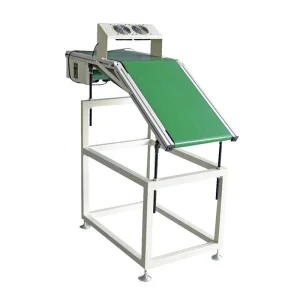
Industrial applications are rarely flat. For inclined conveying of bulbs, seeds, or frozen foods in the Dutch agricultural sector, conveyor belts require customized profile configurations. Through high-frequency (HF) welding processes, Trakkx Tech can fuse longitudinal tracking guides (V-guides), transverse cleats (T-cleats, C-cleats), and corrugated sidewalls directly to the PU carrier sheet. This creates a monolithic, seamless weld that does not delaminate, even when running over small pulleys or under heavy mechanical strain.
As the manufacturing world transitions toward Industry 4.4, conveyor belts are evolving from simple mechanical transport sheets into smart, interactive automation components. Trakkx Tech is actively investing in next-generation material science and electronic integration to support this shift:
Integrating RFID chips and conductive carbon threads inside the belt fabric core. This allows automated sensors to monitor real-time wear, structural elongation, and temperature variance, preventing unplanned downtime through predictive maintenance.
Co-extruding specialized silver-ion-based antimicrobial compounds into the polyurethane cover. This technology actively inhibits the growth of biofilm and bacteria (such as Listeria and Salmonella) on the belt surface, even between washdowns.
Developing eco-friendly thermoplastic polyurethane coatings derived from plant-based castor oils. This drastically reduces the carbon footprint of production lines, aligning perfectly with the circular economy goals of the Dutch government.
By linking these technological advances to our modern Chinese manufacturing facility, Trakkx Tech offers a compelling value proposition: cutting-edge R&D and precision manufacturing, coupled with competitive pricing models that make high-end thermoplastic PU conveying solutions accessible to businesses of all sizes.
Dongguan Trakkx Tech Co., Ltd. is a professional China conveyor belt manufacturer specializing in industrial material handling and conveying solutions for a wide range of industries worldwide. With years of experience in conveyor technology, we provide reliable, efficient, and customized conveyor systems that help businesses optimize production processes, improve workflow efficiency, and reduce operational costs.
Our product portfolio includes conveyor belts, belt conveyor systems, modular conveyors, roller conveyors, inclined conveyors, assembly line conveyors, packaging conveyors, and customized material handling equipment. Designed to meet the demanding requirements of modern manufacturing environments, our solutions are widely used in logistics, food processing, electronics, automotive, warehousing, packaging, pharmaceuticals, and industrial production facilities.
At Trakkx Tech, we combine engineering expertise with advanced manufacturing capabilities to deliver high-performance conveying systems tailored to specific customer applications. Our experienced technical team works closely with clients throughout the entire process, from project consultation and system design to prototyping, production, installation support, and after-sales service.
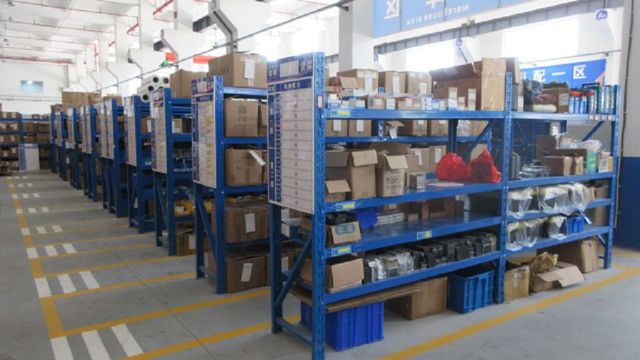
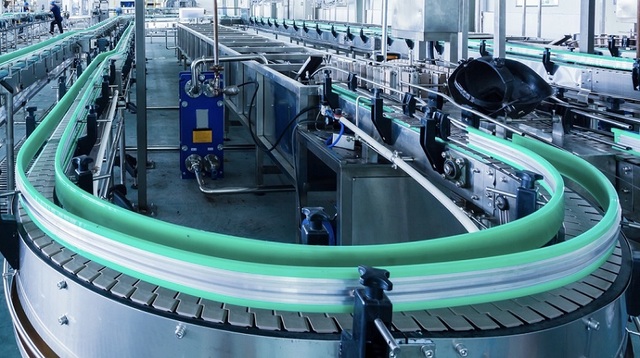
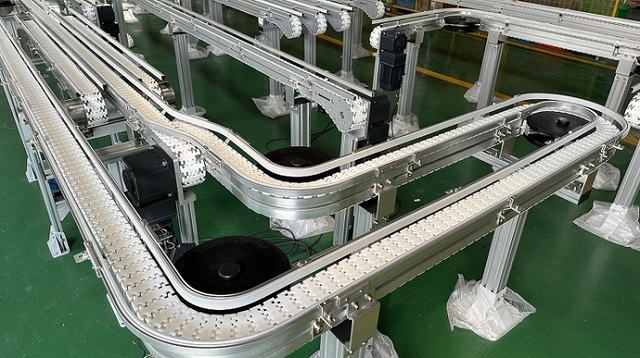
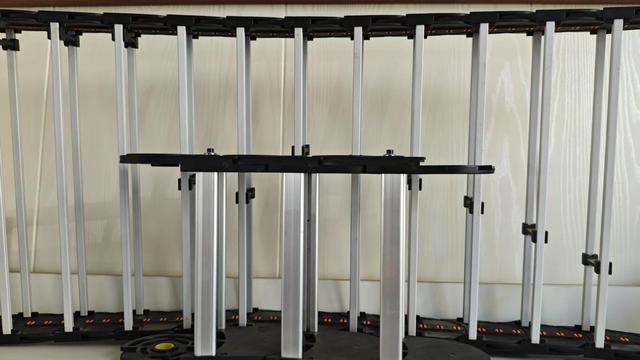
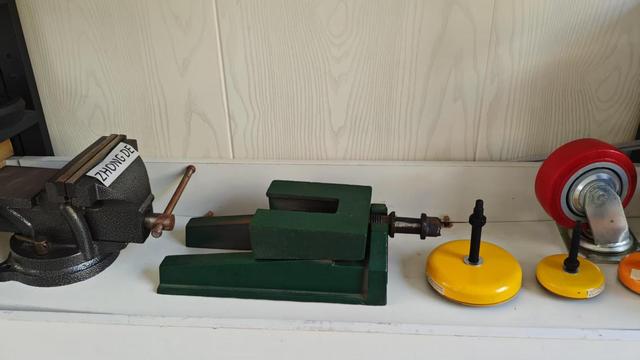
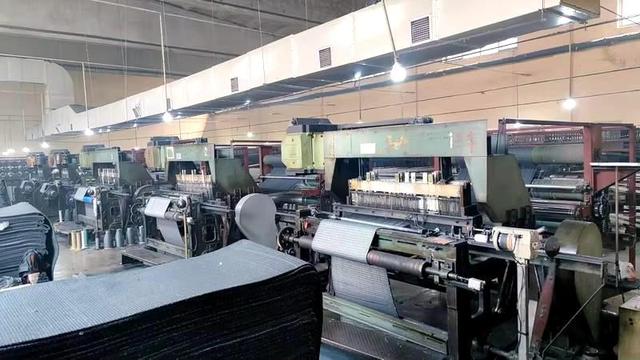
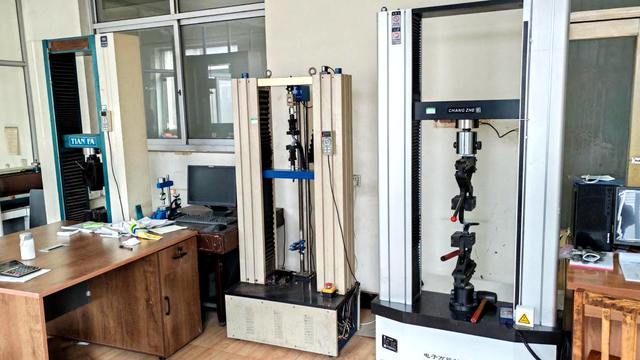
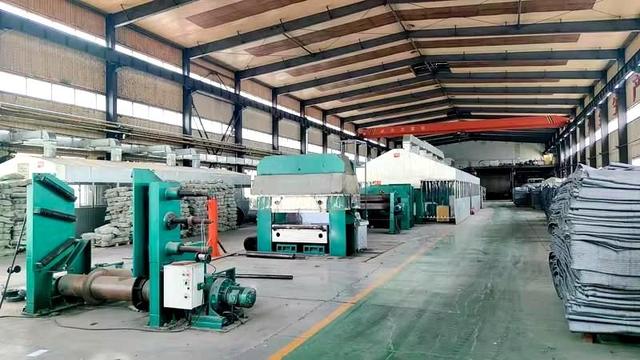
Our manufacturing facility is equipped with modern production equipment and strict quality control systems to ensure durability, reliability, and consistent performance. Every conveyor solution undergoes comprehensive testing and inspection before delivery, helping customers achieve smooth and uninterrupted material handling operations.
In addition to standard products, Dongguan Trakkx Tech Co., Ltd. offers flexible OEM and ODM services for global distributors, system integrators, equipment manufacturers, and industrial brands. We are committed to providing innovative conveying solutions that adapt to evolving industry needs and support long-term business growth.
Serving customers across North America, Europe (specifically the Netherlands, Germany, and Belgium), Southeast Asia, the Middle East, and other international markets, Trakkx Tech has established a reputation for quality, efficiency, and customer-focused service. Our mission is to become a trusted global partner for advanced conveyor belt systems and intelligent material handling solutions.
Operating within the Dutch market requires a deep understanding of local standards and business culture. Trakkx Tech ensures our products and services align seamlessly with Dutch operational environments:
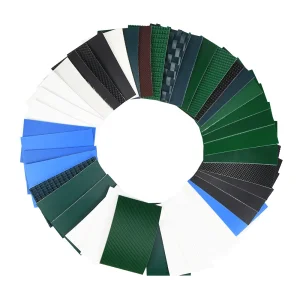
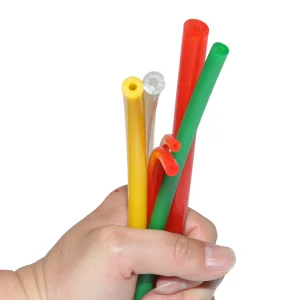
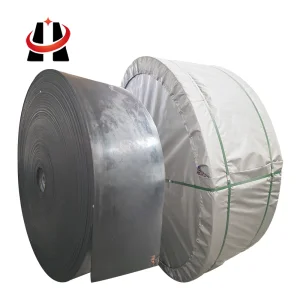
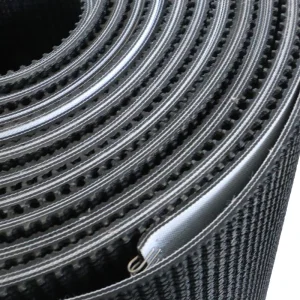
Discover our complete selection of PVC, PU, and rubber conveying belts, all built to rigorous international standards.
Get answers to common engineering questions asked by procurement managers and design engineers in the Netherlands.
In the European Union (including the Netherlands), food contact materials must strictly adhere to **Regulation (EC) No 1935/2004** and **Regulation (EU) No 10/2011**. The critical difference lies in the formulation chemistry. PVC conveyor belts often require the addition of plasticizers (like phthalates) to make the rigid PVC polymer flexible. Under contact with warm, oily, or fatty foods, these plasticizers can migrate from the belt into the food product, potentially exceeding the Specific Migration Limits (SML).
**Thermoplastic Polyurethane (TPU/PU)**, on the other hand, is inherently flexible without plasticizers. It does not leach chemical residues into food, making PU the preferred choice for meat, dairy, and confectionery processing where fatty substances are present.
Polyurethane maintains its mechanical elasticity and flexibility at significantly lower temperatures than PVC. While standard PVC belts become stiff and prone to cracking at around -10°C, high-grade TPU belts can operate continuously at temperatures as low as -30°C to -40°C. This makes them ideal for quick-freeze tunnels and cold storage logistics networks in the Dutch food export pipeline. At high temperatures, standard PU performs well up to +90°C (and up to +110°C for specialized heat-stabilized formulations).
Yes. Thermoplastic Polyurethane is highly responsive to thermal and high-frequency (HF) welding. Unlike mechanical fastening or chemical gluing (which can fail under continuous shear stress), HF welding fuses the profiles (such as T-cleats, L-cleats, corrugated sidewalls, or tracking guides) directly with the top cover of the belt. This forms a homogeneous, monolithic structure that resists delamination, maintains sanitation, and stands up to high-pressure cleaning cycles.
Off-center tracking (mistracking) is usually caused by incorrect tensioning, poor frame alignment, or structural wear in the conveyor rollers. In high-speed packaging or sorting systems, even minor misalignments can cause the belt to rub against the frame, damaging the edges.
To prevent this, we recommend: 1. Using precision-profiled tracking V-guides welded on the running side of the belt. 2. Ensuring pulleys are crowned correctly to help the belt self-center. 3. Checking that the conveyor frame is level and square.
We maintain close relationships with European logistics agents and offer optimized container consolidation for shipments leaving Chinese ports for Rotterdam. For large-scale system builders and OEMs, we offer scheduled blanket ordering systems, keeping pre-fabricated master rolls in stock to reduce manufacturing lead times. We also provide technical drawings, joint-welding tool parameters, and support materials to ensure local splicing teams can install and service the belts quickly.
Our team of material handling engineers is ready to help you optimize your conveyor performance. Send us your specifications, operating temperatures, and pulley sizes to receive a detailed quote.
Send Inquiry Now Trakkx Tech