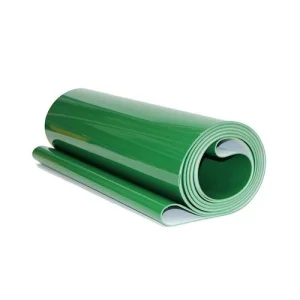
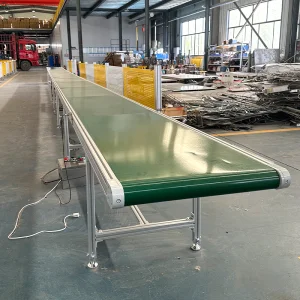
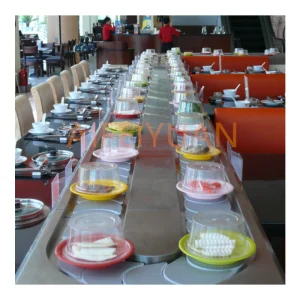
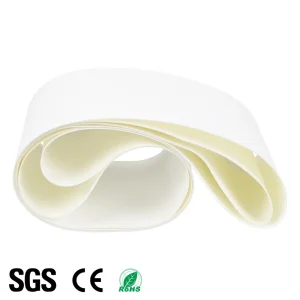
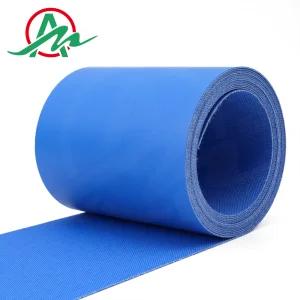
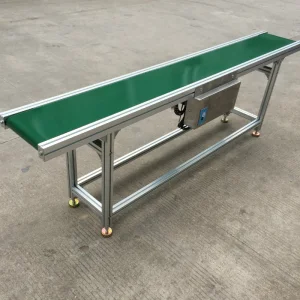
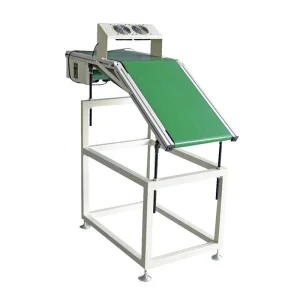
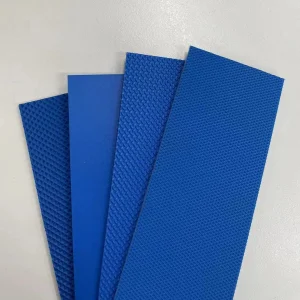
Engineered to withstand heavy duty packaging, logistics, food handling, and extraction processing environments across Lima, Callao, and Arequipa.
As one of South America's most rapidly expanding industrial hubs, Peru has witnessed substantial growth in automation across key sectors including agricultural exports (frutas y hortalizas), seafood processing, beverage bottling, and mineral extraction. To remain competitive in international markets such as North America and Europe, Peruvian producers must adhere to stringent quality standards, emphasizing the need for high-performance conveyor technologies.
Polyurethane (PU) conveyor belts are increasingly preferred over traditional PVC and rubber belts due to their molecular structure. Thermoplastic Polyurethane (TPU) offers superior resistance to animal fats, vegetable oils, and harsh cleaning chemicals. In regions like Ica and La Libertad, where the packaging of grapes, avocados, and asparagus demands zero chemical migration and food contact safety compliance (FDA & EU 10/2011 regulations), our PU belts provide the ultimate hygienic conveying solution.
Whether handling abrasive grains in Chiclayo, packaging fresh mangoes in Piura, or running high-speed bottling lines in Lima, our PU Belts are custom-engineered for maximum uptime.
Combining state-of-the-art Chinese manufacturing precision with deep logistics integration to supply Peruvian distributors and factories directly.
Years Engineering Excellence
Sqm Production Capacity
Food Grade Traceability
Full Structural Warranty
A technical guide for Peruvian procurement managers evaluating conveyor belt longevity and compliance.
| Property | TPU (Thermoplastic Polyurethane) Belts | PVC (Polyvinyl Chloride) Belts |
|---|---|---|
| Abrasion Resistance | Exceptional. Resists wear from gritty agriculture (sands, grains) and sharp fragments. | Moderate. Subject to faster surface wear under abrasive loads. |
| Fat & Oil Resistance | Excellent. No swelling, peeling, or cracking under animal/vegetable fat exposure. | Fair. Tends to harden, crack, and harbor bacteria when exposed to fats. |
| Min. Pulley Diameter | Very Small (Highly flexible, ideal for knife-edge and nosebar transfers). | Medium to Large (Thicker backing required for equivalent tensile strength). |
| Hygienic Cleanability | Non-porous surface prevents bacterial colonization. Easy to clean. | Porous microstructure may develop over time, harboring pathogens. |
| Direct Food Contact | FDA, USDA, EU 10/2011 approved. Safe for hot, cold, dry, or oily food. | Limited. Often requires specific surface treatments for fatty foods. |
Partnering with Dongguan Trakkx Tech Co., Ltd. guarantees seamless, high-velocity imports from Shenzhen/Shanghai ports directly to Callao (Peru's primary port).
Our strategic raw material buffers, rapid custom fabrication capabilities (cutting, slitting, cleating, V-guide application), and robust ocean-freight partnerships insulate your operation from local inventory shortfalls.
At Trakkx Tech, we combine raw material sourcing advantages with precision manufacturing technology. We utilize German and Japanese extrusion and coating technology to produce belts with high dimensional stability, minimal elongation, and low operational noise.
For distributors in Lima, Trujillo, or Arequipa, we offer complete OEM support, private-label branding, customized packaging, and direct engineering support. Our engineers can work from your custom sketches, 3D files, or existing machine specifications to manufacture replacement belts that fit seamlessly into European or US-made processing lines.
A closer look at the state-of-the-art facilities and automated machinery behind Trakkx Tech's conveyor solutions.
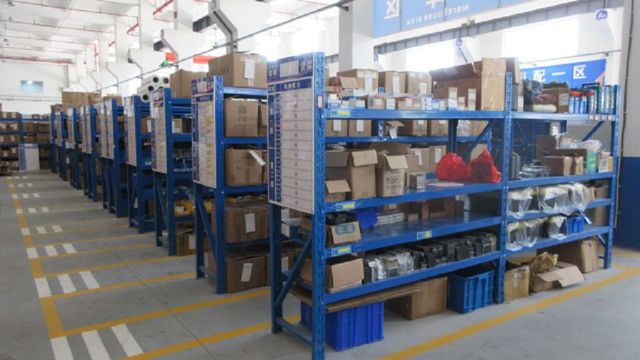
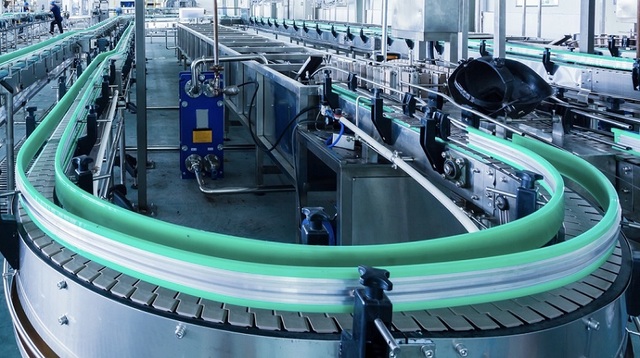
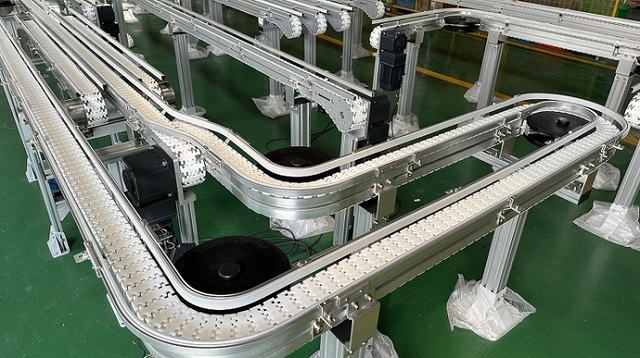
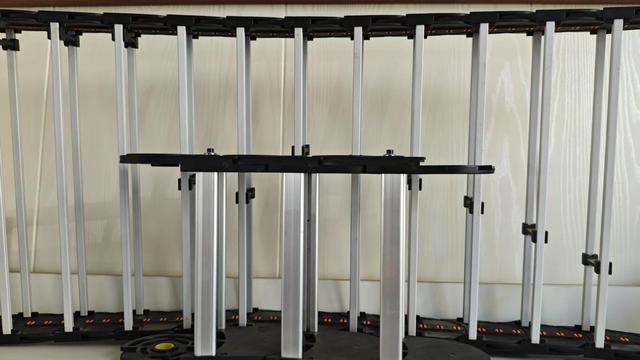
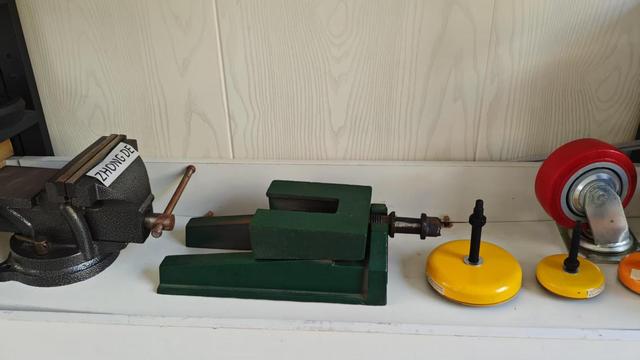
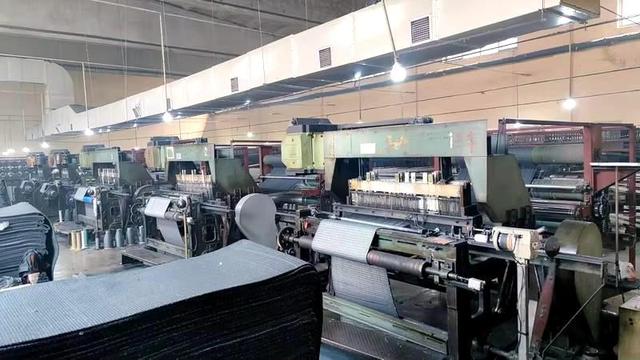
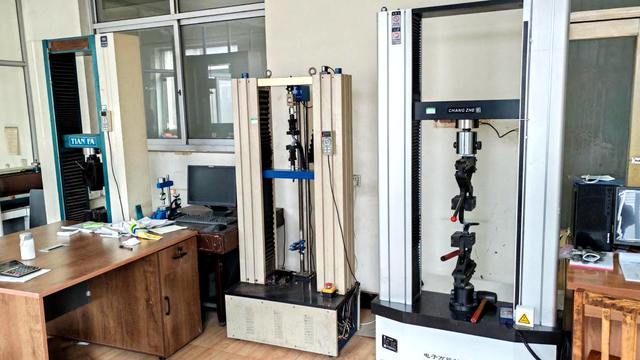
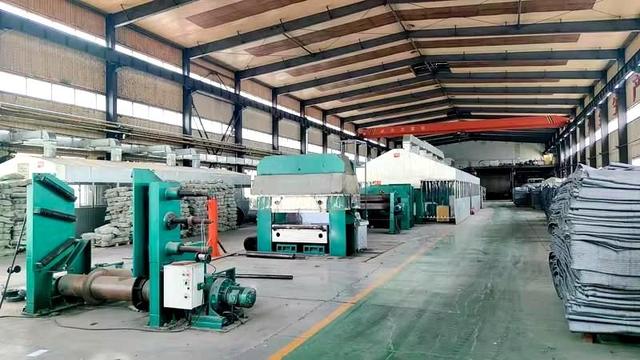
How next-generation belt compounding is shaping the efficiency of modern processing facilities.
Integration of silver-ion antimicrobial additives inside the TPU matrix. This formulation actively prevents mold, yeast, and bacterial replication on the belt surface, critical for fresh seafood processing plants along the Peruvian coastline.
Developing low-friction bottom fabrics reduces slider-bed drag, lowering the electricity draw on electric motors by up to 15%. This assists large distribution centers in Lima in achieving ESG goals and reducing operating expenses.
New thermoplastic formulations capable of continuous operation at temperatures up to 110°C, filling the gap between traditional PU belts and high-temperature silicone belts for modern industrial bakeries and processing plants.
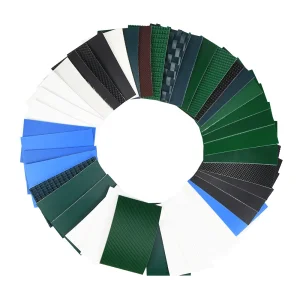
Browse our extensive selection of industrial-grade PU, PVC, and specialty conveying solutions engineered to optimize your production lines.
Navigating the technical standards in Peru requires a manufacturer with deep understanding of local compliance frameworks. In food exporting industries, companies must ensure their equipment matches SENASA requirements and matches international standards (FDA CFR 21, and EC 1935/2004). At Dongguan Trakkx Tech Co., Ltd., we provide comprehensive technical documentation with every batch, ensuring seamless customs clearances and quality audits.
Whether your project is located in the industrial zones of Callao, the agro-export hubs of Ica, or the processing parks of Arequipa, we support your engineering teams by providing detailed installation blueprints, material certificates, and commissioning guides.
Compliance documentation matching FDA CFR 21 § 177.2600 and EU 10/2011 regulations for direct contact with fatty and dry foodstuffs.
All raw materials and manufacturing lines at Trakkx Tech are certified under strict quality assurance procedures.
Customs certificates provided to simplify import tax procedures under international trade agreements.
Frequently asked questions regarding material properties, logistics, installation, and custom design options.
A: For agricultural food processing plants handling oily, wet, or acidic products (such as avocados, mangoes, and asparagus), TPU (thermoplastic polyurethane) is strongly recommended over PVC. TPU has high resistance to organic oils, grease, and mechanical wear, preventing early chemical breakdown. PVC is more cost-effective but is best suited for dry, non-oily product conveying, general logistics, or cases where direct contact with raw foods is not a factor.
A: We supply a complete technical dossier with every order. This includes chemical migration test reports confirming compliance with EU Regulation 10/2011 and FDA CFR 21 § 177.2600 standards. This documentation satisfies SANIPES and DIGESA requirements for food-contact materials inside Peru.
A: Ocean transit from Shenzhen or Shanghai to Callao typically takes 30 to 45 days. Production lead times range from 7 to 15 days depending on the volume and customization required (cleats, tracking guides, joint types). We work with global freight forwarders to secure stable containers and competitive rates.
A: Yes. We fabricate belts to your exact installation requirements. Options include endless thermofusion splicing (finger joints or overlap joints), open-end belts with prep-cut edges for field-vulcanizing, and high-tensile stainless steel mechanical fasteners for quick replacement without dismantling the conveyor structure.
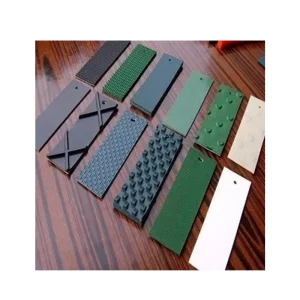
A: Yes, we offer anti-static PU belts containing conductive yarns that disperse static charges, preventing product sticking and dust ignition. We also supply various textured surfaces, including rough-top, waffle, and diamond patterns, to increase friction for incline conveying.
 Trakkx Tech