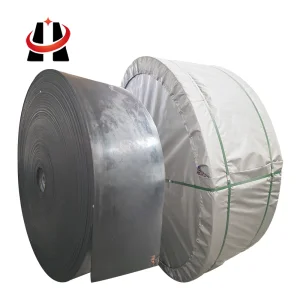
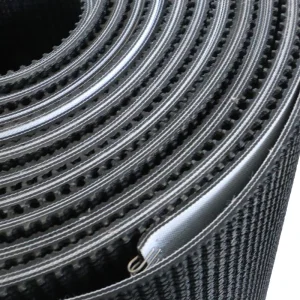
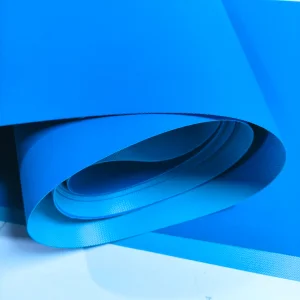
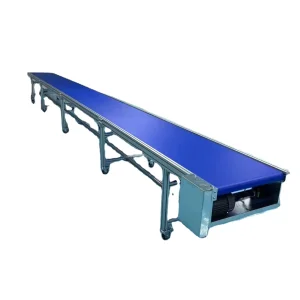
Immediately available tailored solutions matching local regulatory approvals and high-temperature environmental requirements.
India's industrial landscape is undergoing an unprecedented transformation. Under the impetus of national developmental strategies like "Make in India," key industrial corridors in Maharashtra (Pune-Chakan), Gujarat (Ahmedabad-Sanand), Tamil Nadu (Chennai-Sriperumbudur), and the Delhi National Capital Region (NCR) are transitioning toward fully automated, high-throughput manufacturing paradigms.
Historically, traditional conveying systems utilized vulcanized rubber or plasticized PVC belts. While cost-effective, these legacy materials fall short of meeting modern production expectations. Polyurethane (PU) conveyor belts are leading a material revolution across Indian factories. PU offers unparalleled structural stability, molecular cross-linking resistance to fats and chemical agents, and absolute compliance with international food hygiene regulations.
"As regulatory bodies like the Food Safety and Standards Authority of India (FSSAI) tighten compliance metrics, the adoption of premium FDA-compliant food grade PU conveyor belts has shifted from an operational preference to a strict regulatory mandate."
For Indian manufacturers aiming for global export markets, quality alignment is non-negotiable. Whether conveying spices in Kerala, processing tea in Assam, assembling automotive components in Chennai, or packaging formulation tablets in Hyderabad's pharmaceutical hubs, the choice of belting directly affects output reliability. Trakkx Tech addresses these needs by manufacturing and exporting high-performance PU conveyor belts designed for India's diverse industrial climates.
Pure raw thermoplastic polyurethane coatings completely free of plasticizer migration, safeguarding organic and synthetic materials alike.
Up to 3 times the lifespan of comparable PVC belts, minimizing production line downtime in high-frequency packaging operations.
Understanding the molecular and mechanical trade-offs between main conveyor belt polymers allows procurement managers to maximize investment efficiency.
| Performance Characteristic | Thermoplastic Polyurethane (TPU / PU) | Polyvinyl Chloride (PVC) | Nitrile / SBR Rubber |
|---|---|---|---|
| Operating Temperature Range | -30°C to +110°C (Intermittent) | -15°C to +80°C | -40°C to +120°C |
| Minimum Pulley Diameter Wrap | Excellent (down to 15mm for knife-edges) | Moderate (typically requires >40mm) | Poor (requires heavy large drums) |
| Oil & Grease Resistance | Outstanding (No swelling or cracking) | Poor to Moderate (Hardens over time) | Good (if NBR) / Poor (if SBR) |
| Food Contact Safety Status | Fully FDA, EU 10/2011 & FSSAI Compliant | Requires special non-toxic compounds | Generally non-compliant (unless specialized) |
| Abrasion & Cut Resistance | Highest rating, resistant to sharp parts | Moderate, easily scored by metal/glass | High abrasion, but prone to tearing |
| Lifecycle ROI in Indian Factories | High (Initial cost offset by long service life) | Low (Frequent replacements needed) | Moderate (Suited for bulk minerals only) |
Explore our specialized range designed for tight tolerances and demanding transfer systems.
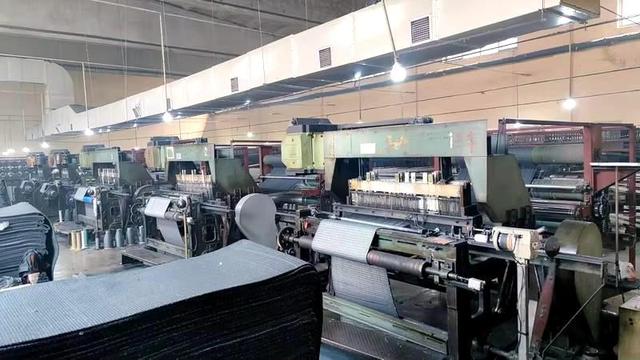
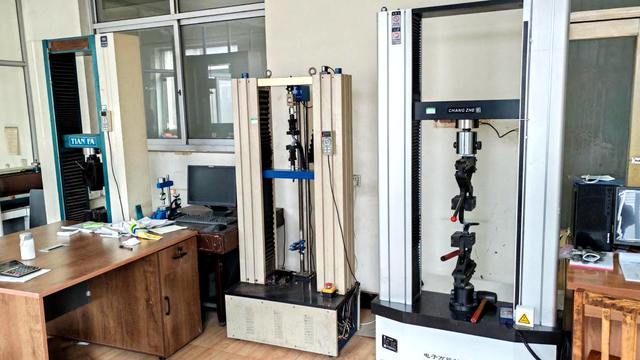
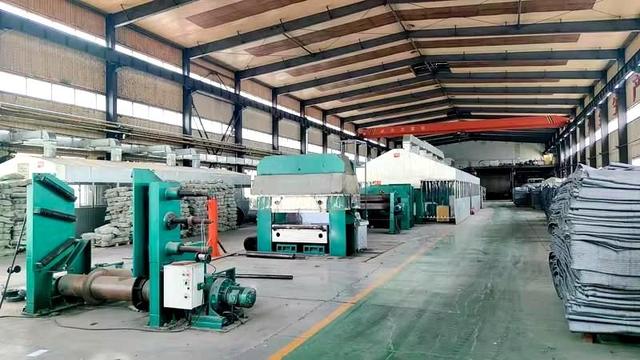
Dongguan Trakkx Tech Co., Ltd. is a leading China conveyor belt manufacturer, specializing in advanced material handling and conveying systems. Leveraging the industrial manufacturing ecosystems of Dongguan, we combine raw material sourcing, automated extrusion lines, and rigorous quality inspection protocols to supply markets across the globe.
For our Indian procurement partners, sourcing directly from Trakkx Tech offers several operational and strategic advantages:
Our logistical network ensures smooth transit from Shenzhen and Guangzhou ports directly to Nhava Sheva (Mumbai), Chennai Port, and Kolkata Port, backed by comprehensive compliance documentation to simplify Indian Customs clearance.
Each manufacturing region has unique challenges. Trakkx Tech designs PU belts to meet these localized operational demands.
Indian processing environments present unique challenges, such as handling highly viscous matrices (e.g., mango pulp, sticky confectionery dough, and high-fat dairy byproducts) in warm ambient climates. Regular belts absorb oils, leading to swelling, cracking, and microbial growth.
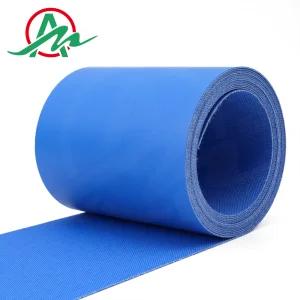
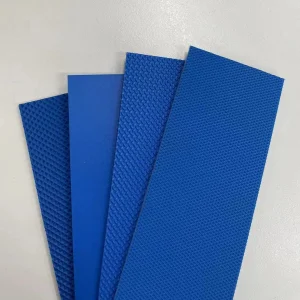
Trakkx Tech's antimicrobial, oil-resistant PU belts maintain surface integrity under continuous clean-in-place (CIP) washdowns with hot water and sanitizing chemicals. Our matte-finished blue PU belts contrast clearly with organic food products, helping automated optical inspection systems detect contaminants quickly.
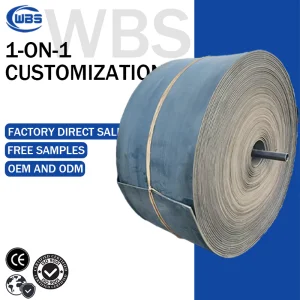
Conveying grain, pulses, and seeds requires high-tensile, low-stretch belting that can withstand abrasive dust and seasonal temperature variations. Our reinforced PU elevator belts resist continuous friction during high-speed vertical conveying, preventing grain damage and dust explosion hazards.
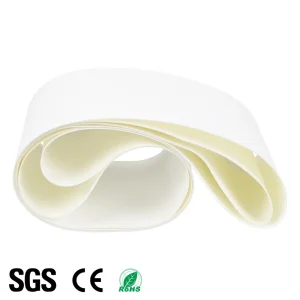
India is a leading global supplier of generic formulations. Cleanroom packaging facilities require anti-static (in compliance with ISO 284 regulations) and lint-free conveyor belts. Trakkx Tech supplies white, endless PU belts with sealed edges that prevent dust emission and fabric fiber contamination, keeping your production line compliant with WHO-GMP standards.
Modern automotive stamping and electronics assembly plants require belts that resist cut damage from sharp metal sheets and components. Our high-density TPU coatings resist puncture damage and chemical exposure from lubricants and anti-rust coatings.
Speak to our engineering support team to configure belt thickness, cleat profiles, and anti-static properties tailored to your facility's requirements.
Technical guidance and sourcing support for engineering and procurement teams importing PU conveyor belts to India.
PU (Polyurethane) belts do not contain plasticizers, meaning there is no risk of chemical migration into food products. Additionally, PU is highly resistant to animal fats, vegetable oils, and dairy grease, preventing the belt from softening or cracking. PVC belts tend to harden, crack, and harbor bacteria over time when exposed to fats.
Our food-grade PU belts are certified compliant with FDA regulations (CFR 21 177.2600) and European Union regulations (EU 10/2011). We maintain ISO 9001:2015 quality management system certifications for our manufacturing and tracking guide alignment processes.
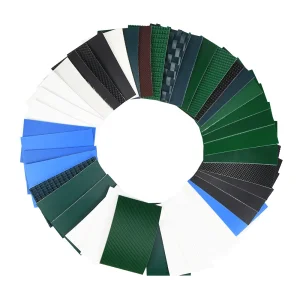
Yes. We provide full customization (OEM/ODM) services. Whether you require unique widths, specific positioning of tracking profiles, or custom endless splicing, our fabrication team can match the specifications of any machinery manufacturer.
We work with trusted sea and air freight forwarders to deliver to Nhava Sheva, Chennai, Mundra, and Kolkata. We supply all necessary export documentation, including detailed commercial invoices, packing lists, Bills of Lading, and certificates of origin, to ensure smooth customs clearance in India.
Production generally takes 7 to 10 working days, depending on order size and complexity (e.g., cleat configurations or edge sealing). Shipping to India's major ports via sea freight takes an additional 14 to 20 days, depending on the route.
Yes. We manufacture antistatic PU belts containing conductive carbon fibers in the fabric layer. These belts dissipate electrostatic charge buildup in compliance with ISO 284 standards, protecting delicate electronics and preventing dust explosion hazards in dry powder mills.
Our complete catalog of solutions is designed to optimize production processes and minimize maintenance downtime.
 Trakkx Tech