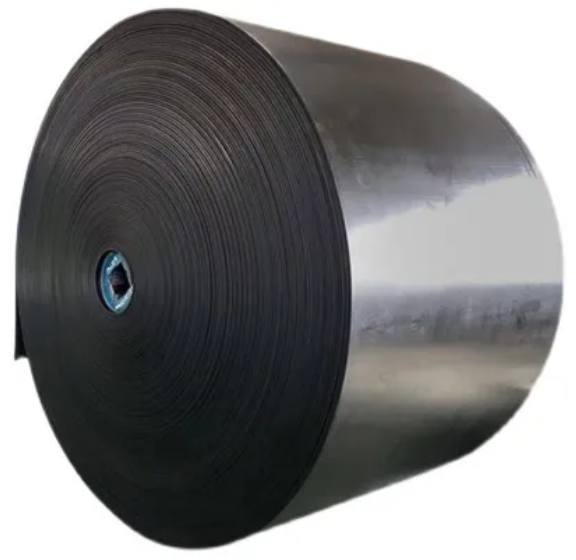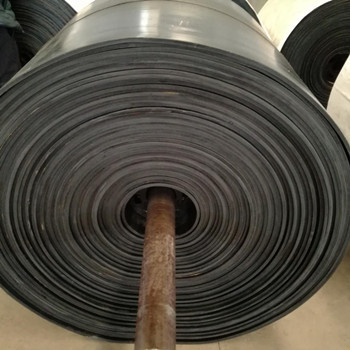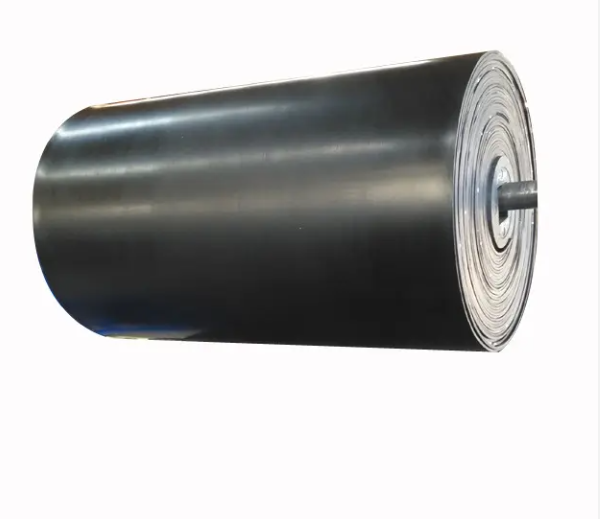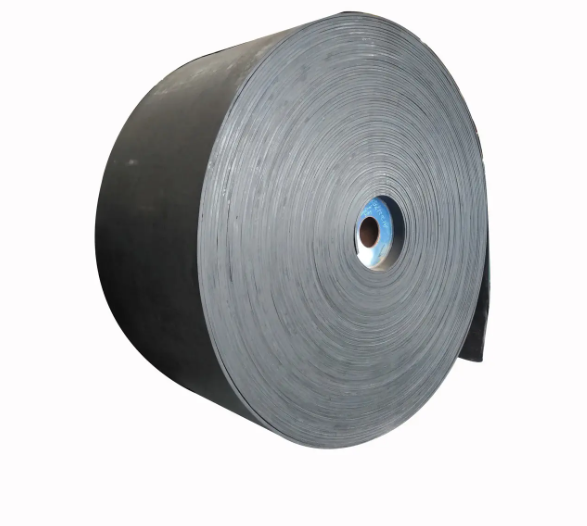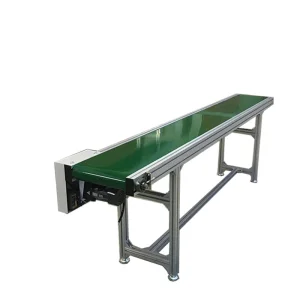
BYCOSINE Heavy Duty Construction PVC/PVG Conveyor Belt Flame Resistant Anti Abrasion Cutting

Product Description

Product Description
Product Description Image
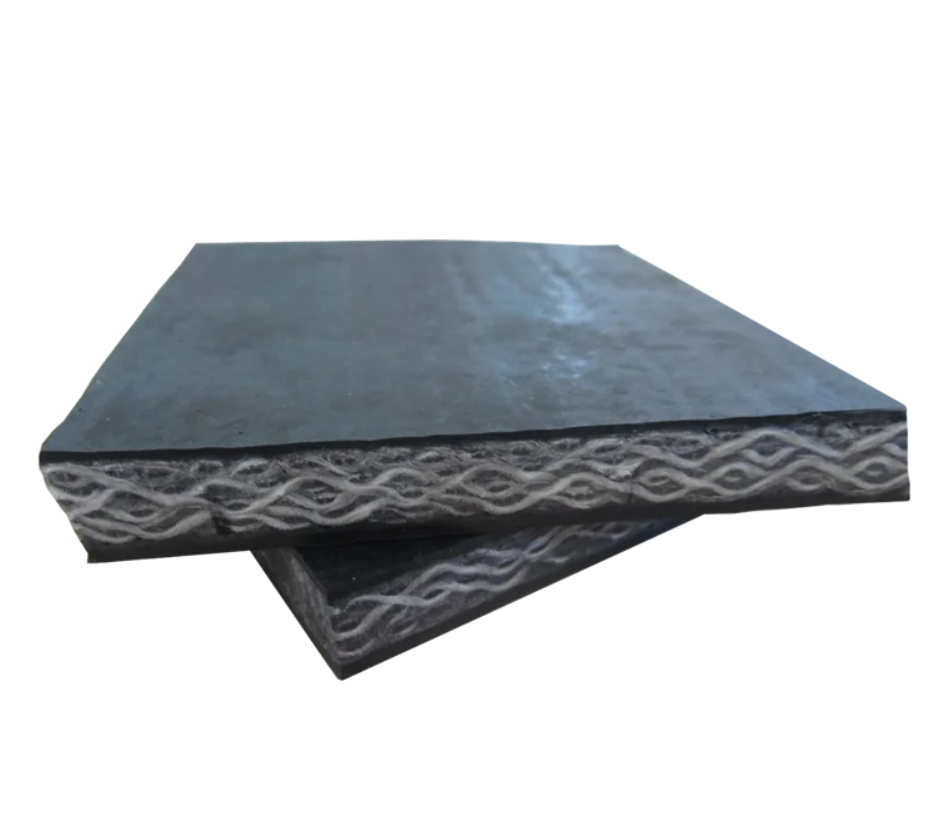
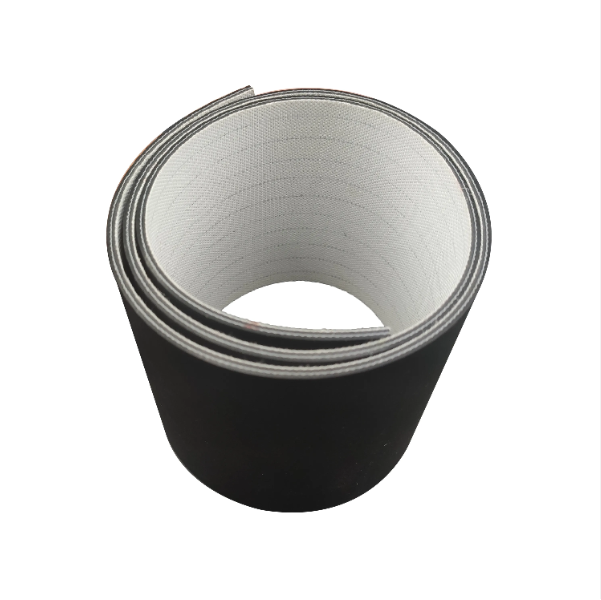
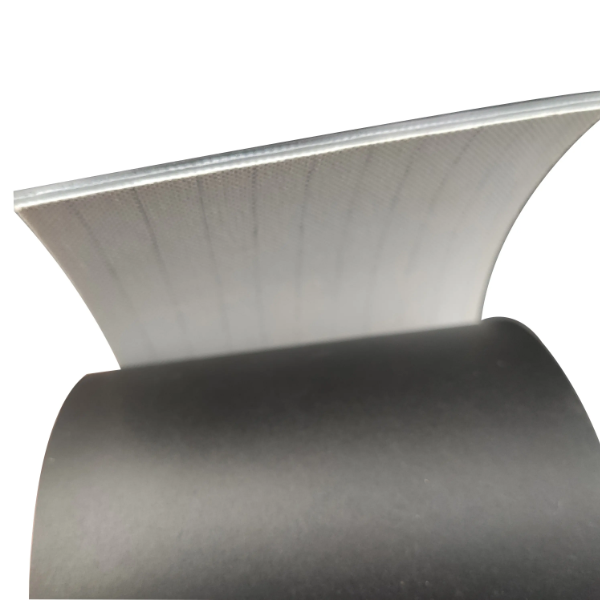
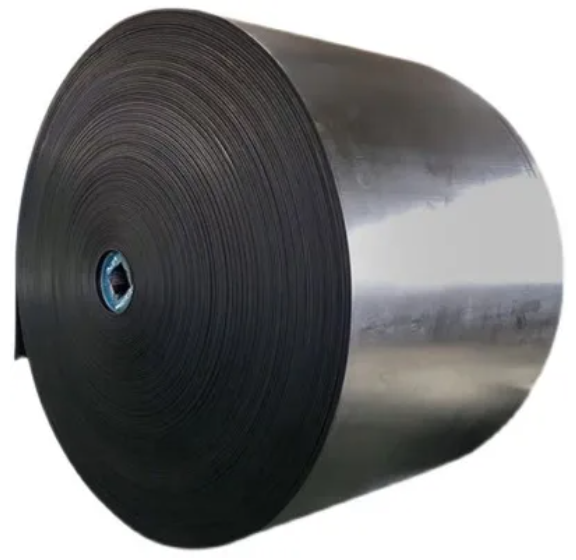
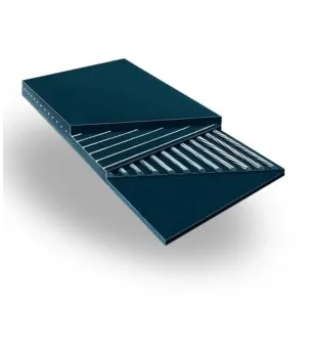
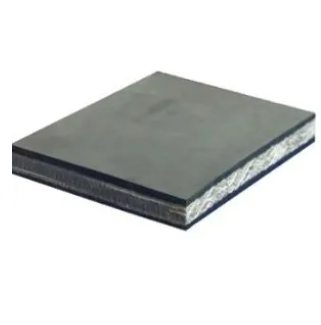
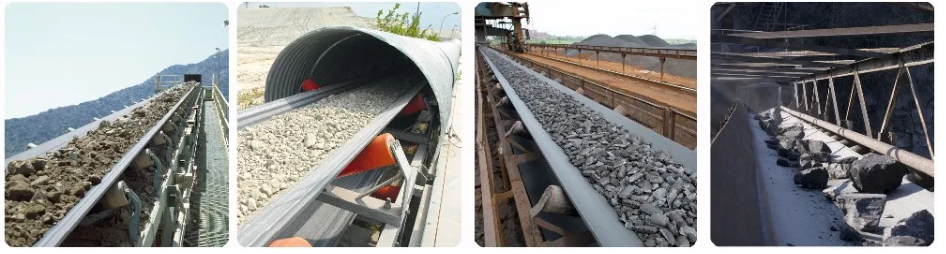
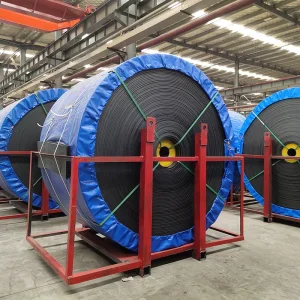
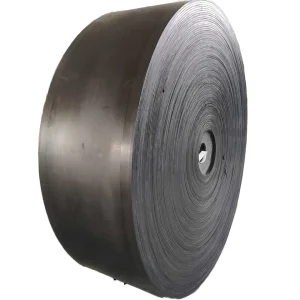
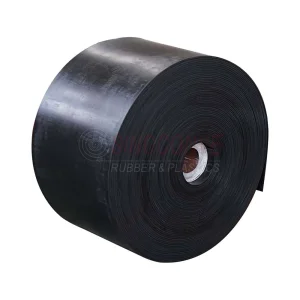
Full-core flame-retardant PVC PVG mining conveyor belts have the advantages of strong strength, large freight volume, and balanced transportation. At the same time, this conveyor belt has good flame retardancy, antistatic properties, impact resistance, wear resistance and corrosion resistance.
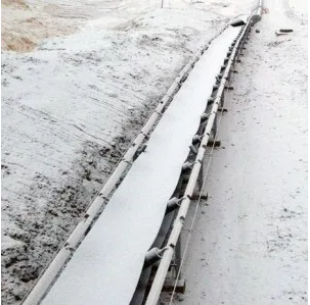
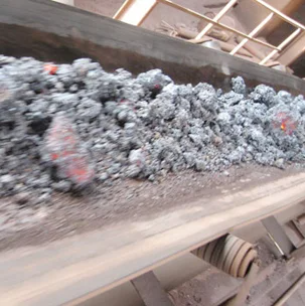
This product is mainly used for underground transportation in coal mines, and can also be used for material handling in steel, metallurgy, chemical and other industries.
Full-core flame-retardant PVC PVG mining conveyor belts can be divided into PVC type and PVG type.
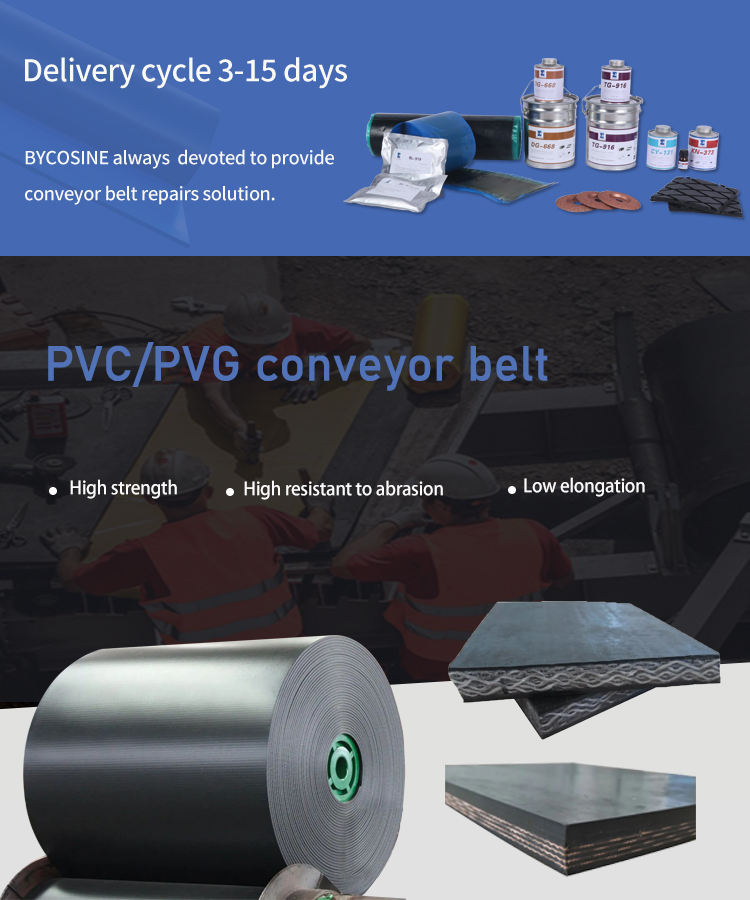
The top and bottom covering layers of the PVC conveyor belt are PVC plastic covers, and the thickness of a single cover is ≥ 1 mm. The top and bottom covering layers of PVG conveyor belts are a mixture of nitrile rubber and PVC, and the thickness of a single covering layer is 1.5 mm-4.5 mm.
The conveying angle of PVC conveyor belt is <16°, and the conveying angle of PVG conveyor belt is <20°. Both PVC and PVG types can be used for underground or surface coal mine transportation.
Feature
Feature Image 1
Feature Image 2
Feature Image 3
  • High strength
  • High wear resistance
  • Low elongation
  • Impact resistance
  • Suitable for long distance, large loading capacity and high-speed transportation
Product Parameters
Types and technical parameters of PVC conveyor belts:
We can customize different widths, tensile strengths and belt thicknesses.
Product Name High quality PVC conveyor belt
Color Black
Keywords PVC conveyor belt
Quality High quality
Package Wooden boxes, pallets, cartons, etc.
Instruction
Rubber/Fabric Conveyor Belt
Steel wire core conveyor belt
PVG/PVC flame retardant conveyor belt
Cold-resistant conveyor belt
Heat-resistant conveyor belt
Oil resistant conveyor belt
Conveyor Belt Production Process
1. Inspection of raw materials
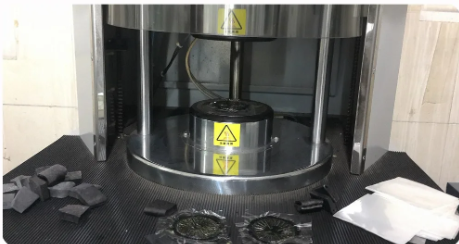
Rubber compound testing
Dynamic rheometer to analyze the properties of rubber compounds
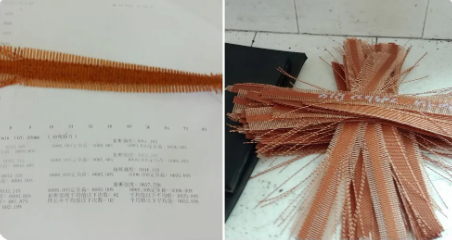
EP fabric test
EP fabric test
Tensile strength test and elongation test at break.
2. Promote equipment and ensure quality in details
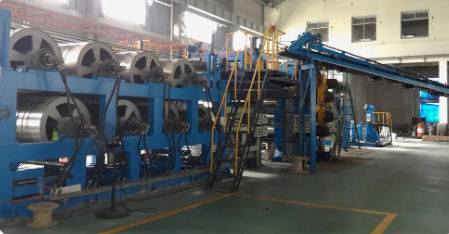
Calendering process
Calendering process
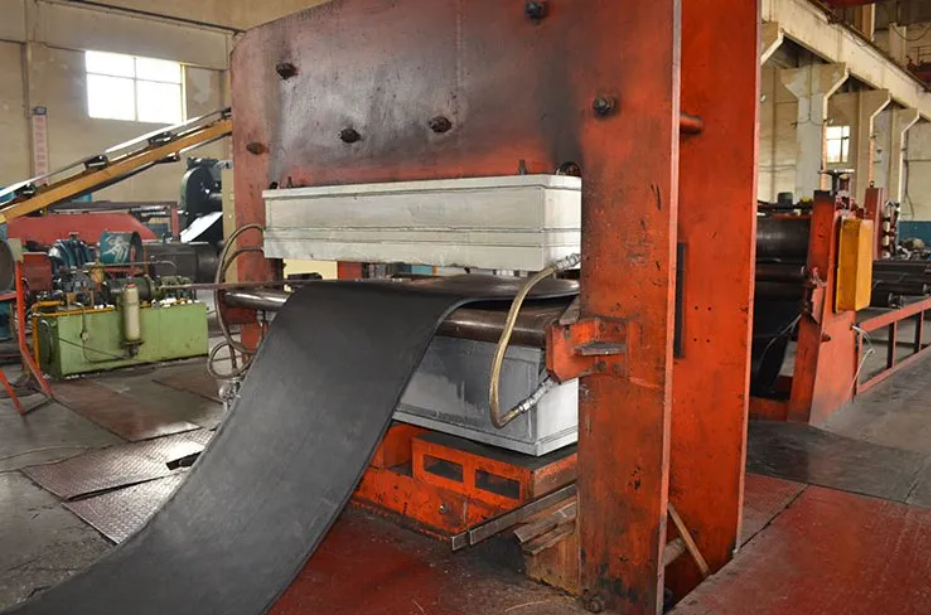
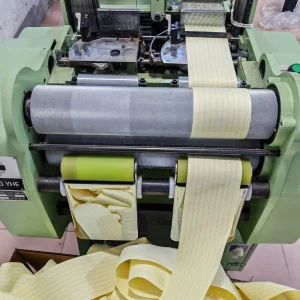
The machine is able to stick the rubber to both sides of the fabric in one go. This reduces the rubber's strength loss during the process.
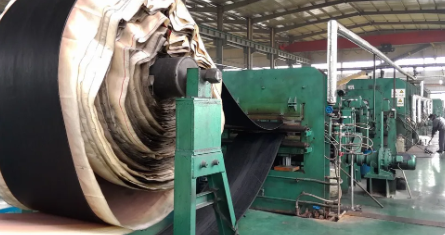
Molding
Molding
Uniform forming tension between different layers avoids wrinkling of the fabric and ensures uniform thickness of the belt core.
3. Detailed inspection of finished belts
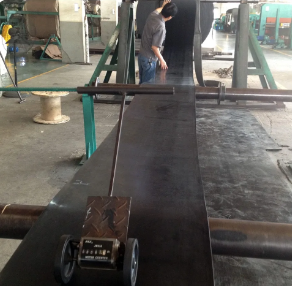
Length and surface inspection
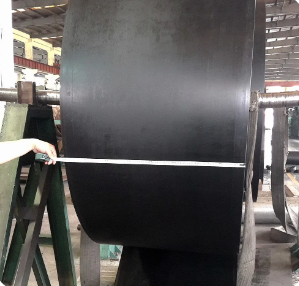
width check
Width check
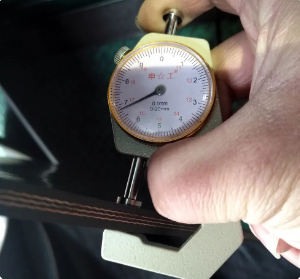
Thickness check
Thickness check
4. Technical data testing
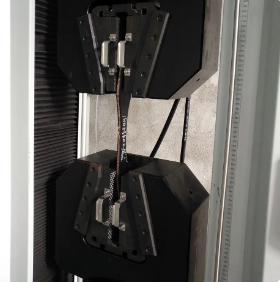
Tensile strength test
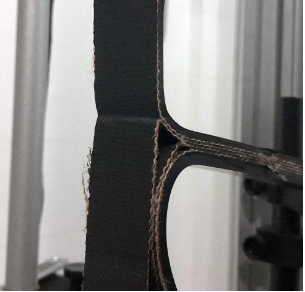
Adhesion strength test
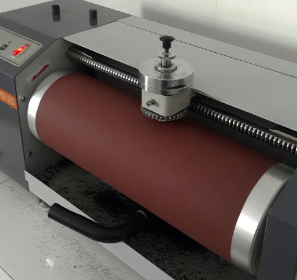
Wear test
Wear test
Application
Application Image 1
Application Image 2
Company Profile
Company Image 1
Company Image 2
Company Image 3
Packing & Delivery
Packing and Delivery Image
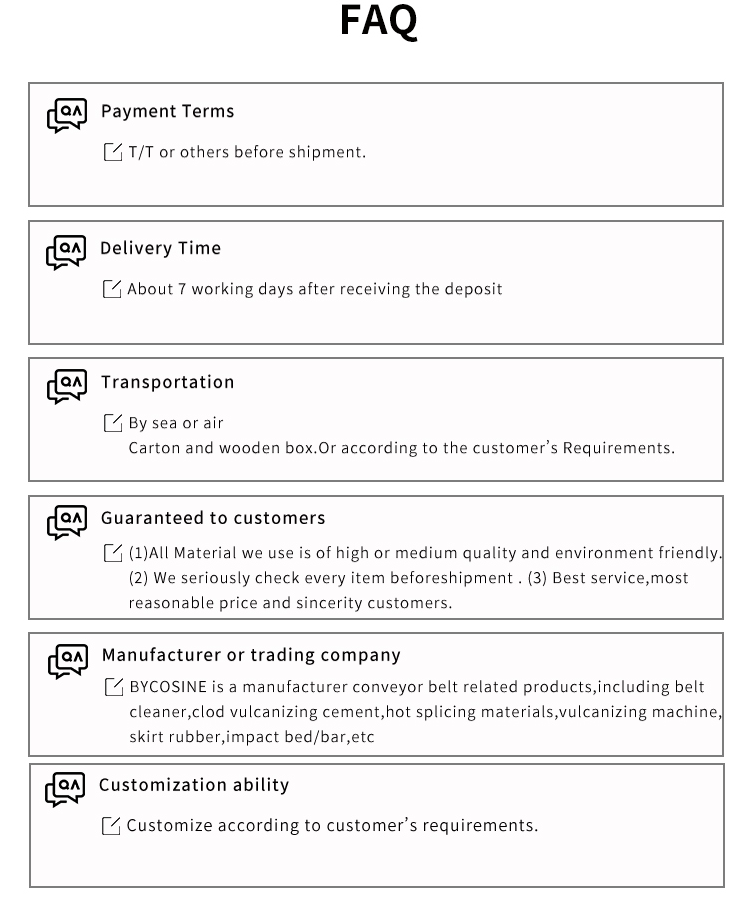
FAQ
FAQ Image
What are the structural differences between PVC and PVG conveyor belts?
The top and bottom covering layers of PVC conveyor belts consist of PVC plastic covers with a thickness of ≥ 1 mm. For PVG conveyor belts, the covering layers are composed of a blend of nitrile rubber and PVC, with a thickness ranging between 1.5 mm and 4.5 mm.
What are the maximum conveying angles for PVC and PVG conveyor belts?
The conveying angle of a PVC conveyor belt is restricted to <16°, whereas a PVG conveyor belt can support a larger conveying angle of <20°.
What main parameters and dimensions can be customized?
We can customize the conveyor belts according to your specific industrial requirements, including different belt widths, tensile strengths, and overall belt thicknesses.
What properties make these conveyor belts ideal for mining applications?
They offer high strength, large freight capacity, and balanced transportation. They are highly flame-retardant, anti-static, impact-resistant, wear-resistant, and corrosion-resistant, making them ideal for hazardous underground operations.
What tests are executed during raw material inspection to ensure quality?
We conduct dynamic rheometer analysis on rubber compounds to evaluate their chemical properties, and tensile strength and elongation tests at break on the EP fabric to verify material durability.
What checks are performed on finished conveyor belts?
Each completed belt undergoes meticulous dimensional inspections (length, width, and thickness checking) along with strict technical testing for tensile strength, adhesion strength, and wear resistance.
Related Products