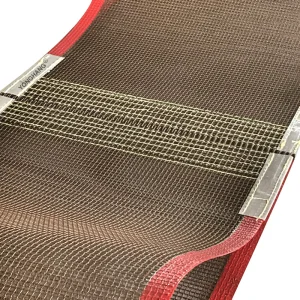
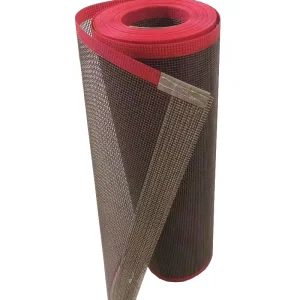
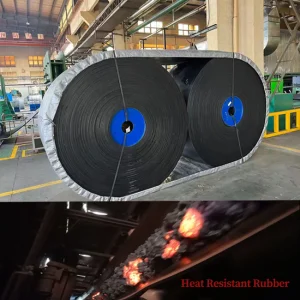
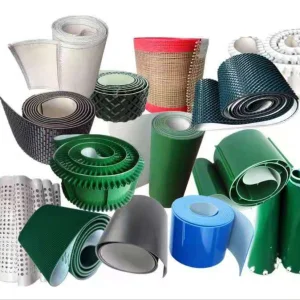
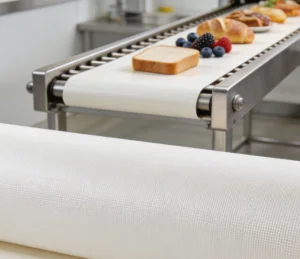
High Temperature Conveyor Belt Cement Metallurgy Heat Resistant Conveyor Belt

Product Description

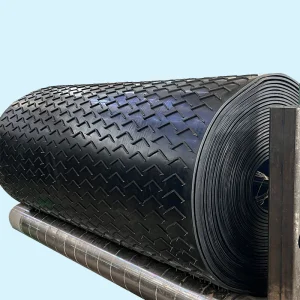
Heat Resistant Conveyor Belt
Heat resistant conveyor belts technical guidance for product range
Features:

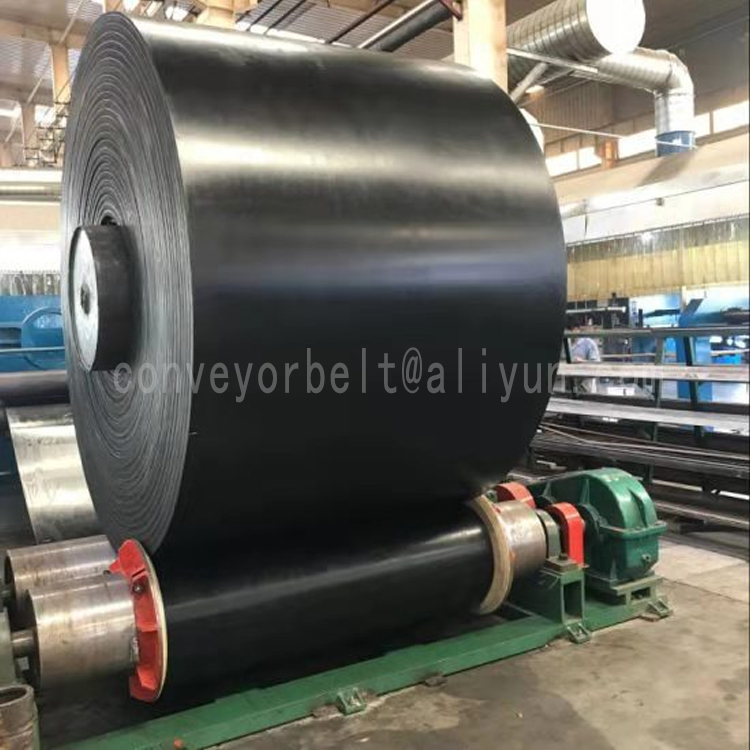
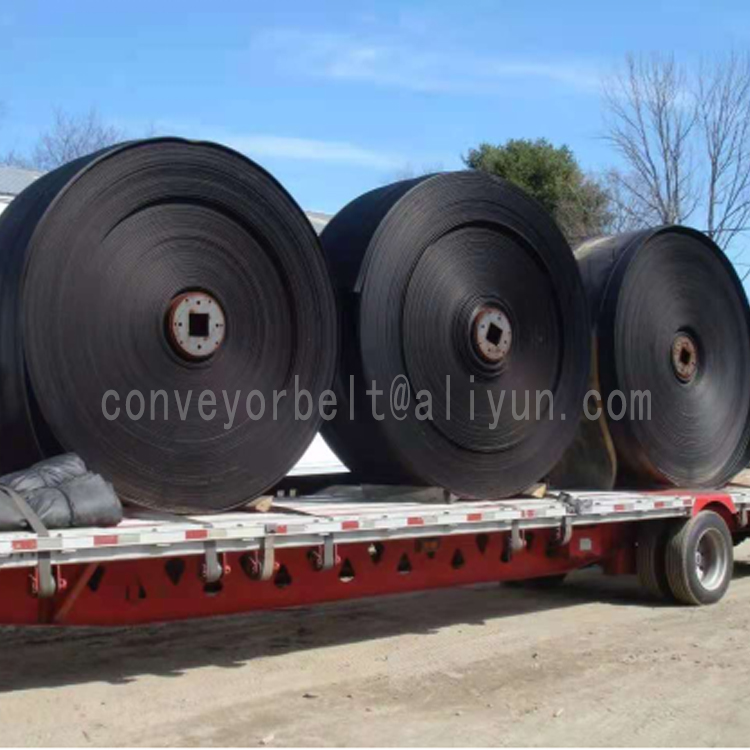
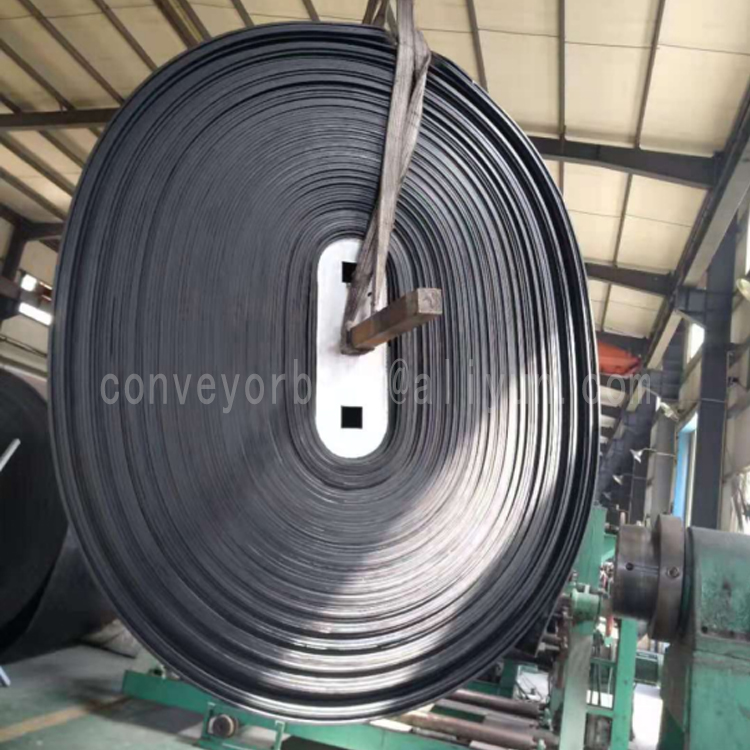
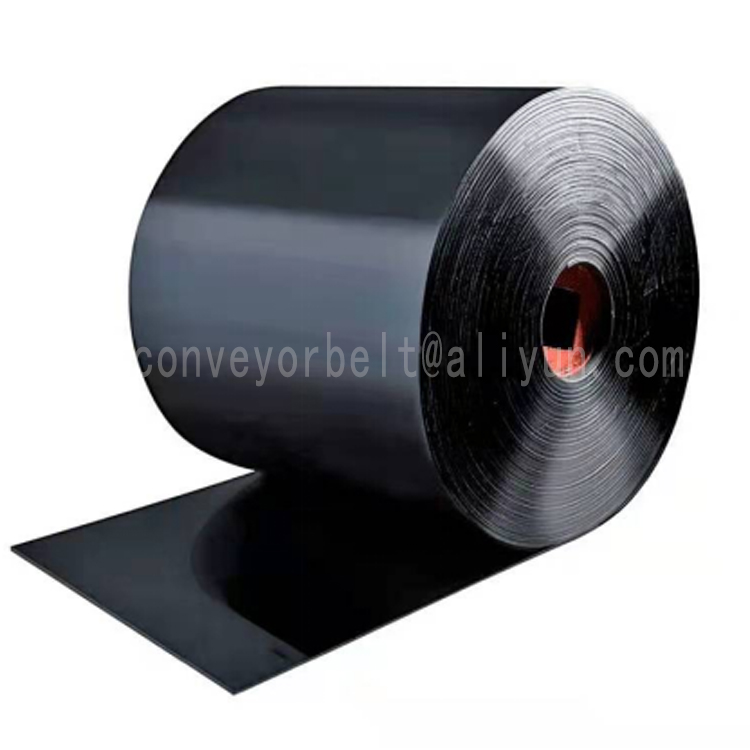
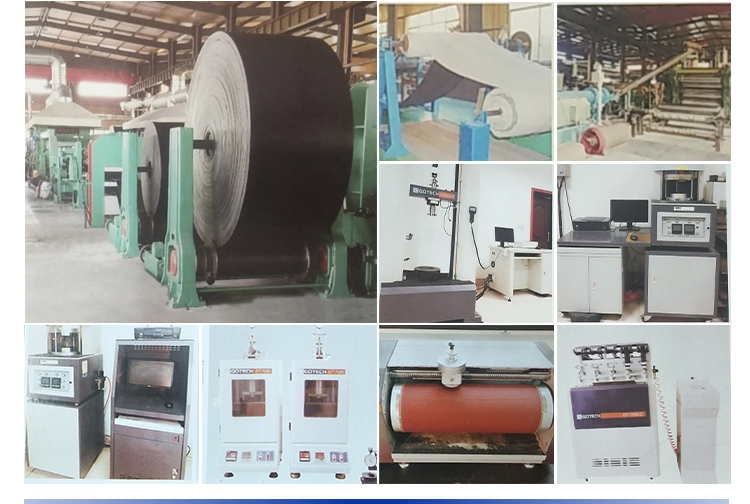
Heat resistant conveyor belts core of this product uses polyester canvas characterized by high modulus, low contraction and high tensile strength, As for covering glue, we select high performance EPDM or CIIR. This belt core is manufacturing through vulcanization equation and composite moulding and with high temperature resistance material. After being finalizing the design through special dipping, the belt core of this product enjoys high sizing strength. In normal operation situations with temperature below 180°C, it displays low tensile deformation and excellent wearing resistance. It could bear the high temperature of 250°C in short time.

Applicable environment:

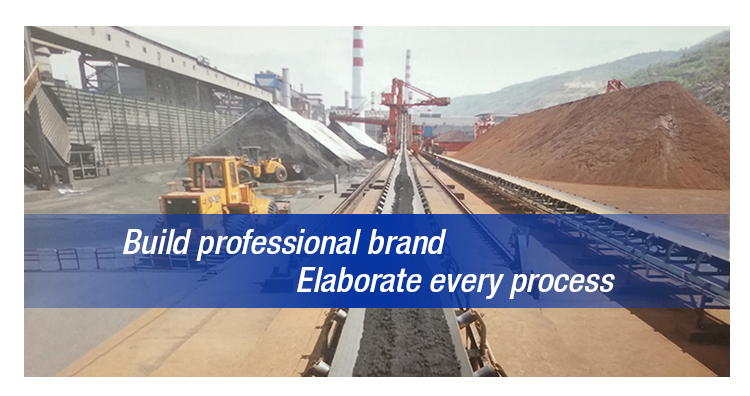
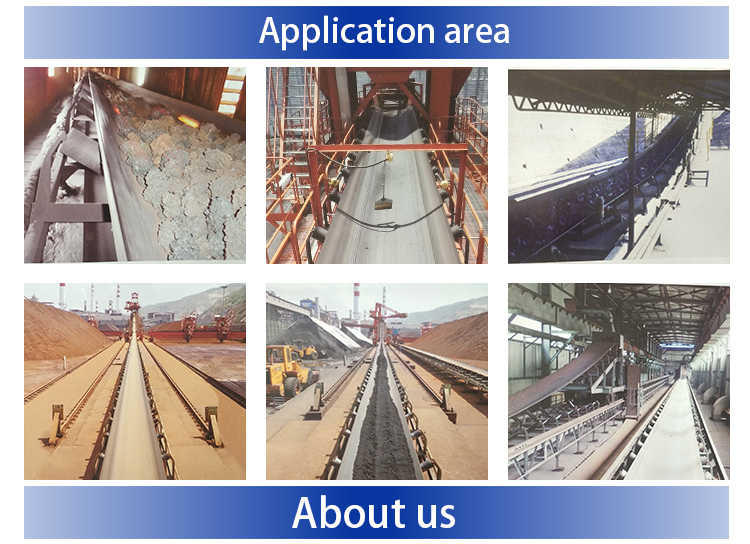
It could be applied in cement industry, coking industry, metallurgy and steel and iron industry.

Technical data:
Item T1 T2 T3 T4
Test temperature ≤100°C ≤125°C ≤150°C ≤175°C
Hardness Difference before/after aging +20 +20 ±20 ±20
Maximum value after aging 85 85 85 85
Tensile strength Performance change rate % -25 -30 -40 -40
Minimum value after aging (MPa) 12 10 5 5
Elongation Change rate after aging % -50 -50 -55 -55
Minimum value after aging % 200 200 180 180
Frequently Asked Questions (FAQ)
Q1: What materials are used to construct these heat resistant conveyor belts?
The core is made of high-modulus, low-contraction, and high-tensile polyester canvas. The covering glue uses high-performance EPDM or CIIR rubber compounds for enhanced durability.
Q2: What is the maximum operating temperature limit for these belts?
Under normal operating conditions, they function optimally at temperatures below 180°C. However, they can withstand peak temperatures of up to 250°C for short periods.
Q3: Which industries benefit most from using these conveyor belts?
These belts are highly applicable in high-temperature industrial environments such as the cement industry, coking industry, metallurgy, and the steel and iron industry.
Q4: How do the T1, T2, T3, and T4 classes differ?
The classes represent different testing temperature thresholds: T1 is rated for ≤100°C, T2 for ≤125°C, T3 for ≤150°C, and T4 for ≤175°C, ensuring you can choose the correct grade based on your thermal demands.
Q5: Do these belts stretch or deform easily under load?
No. Thanks to the specially dipped polyester canvas core and advanced vulcanization process, the belts display extremely low tensile deformation and exceptional wear resistance.

Related Products