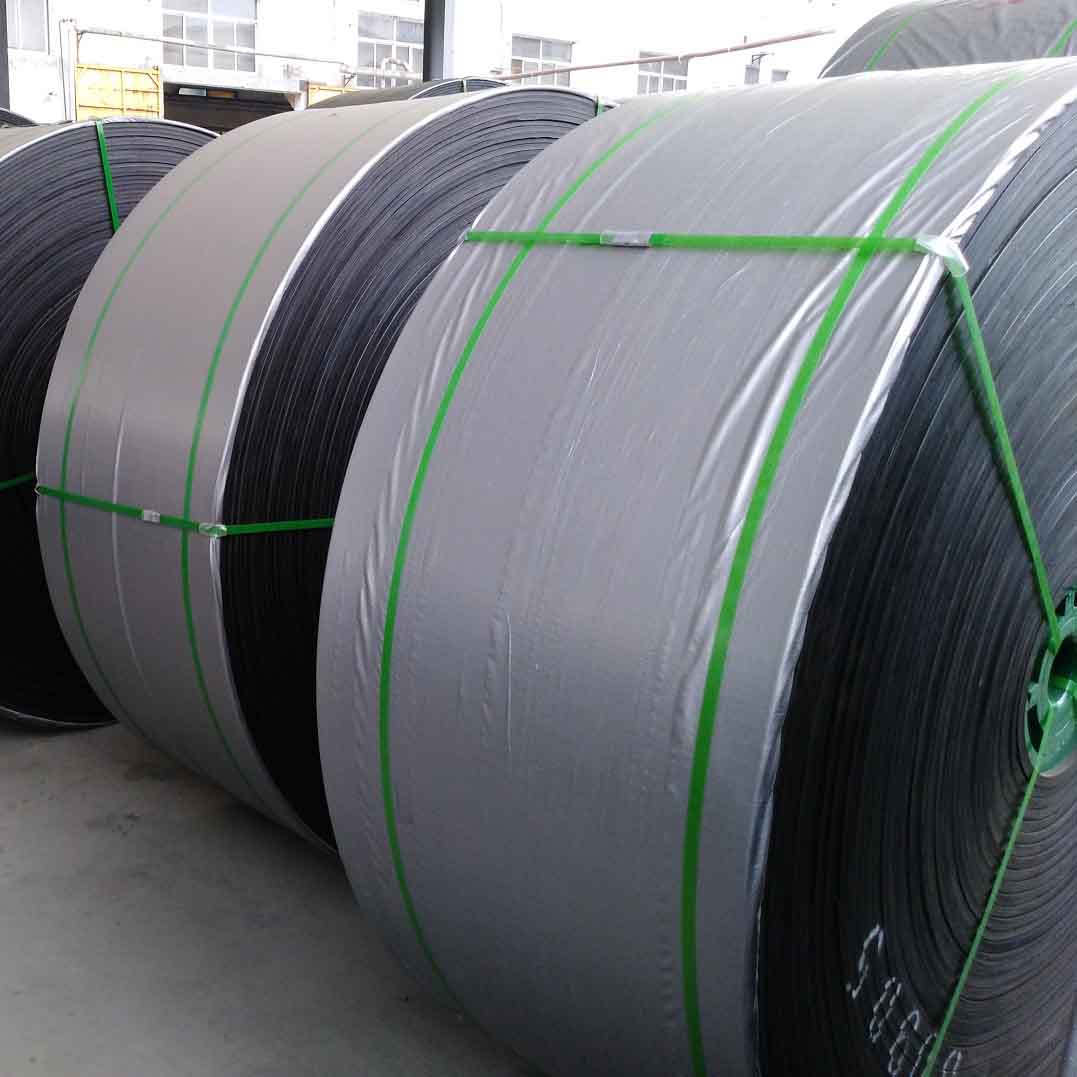
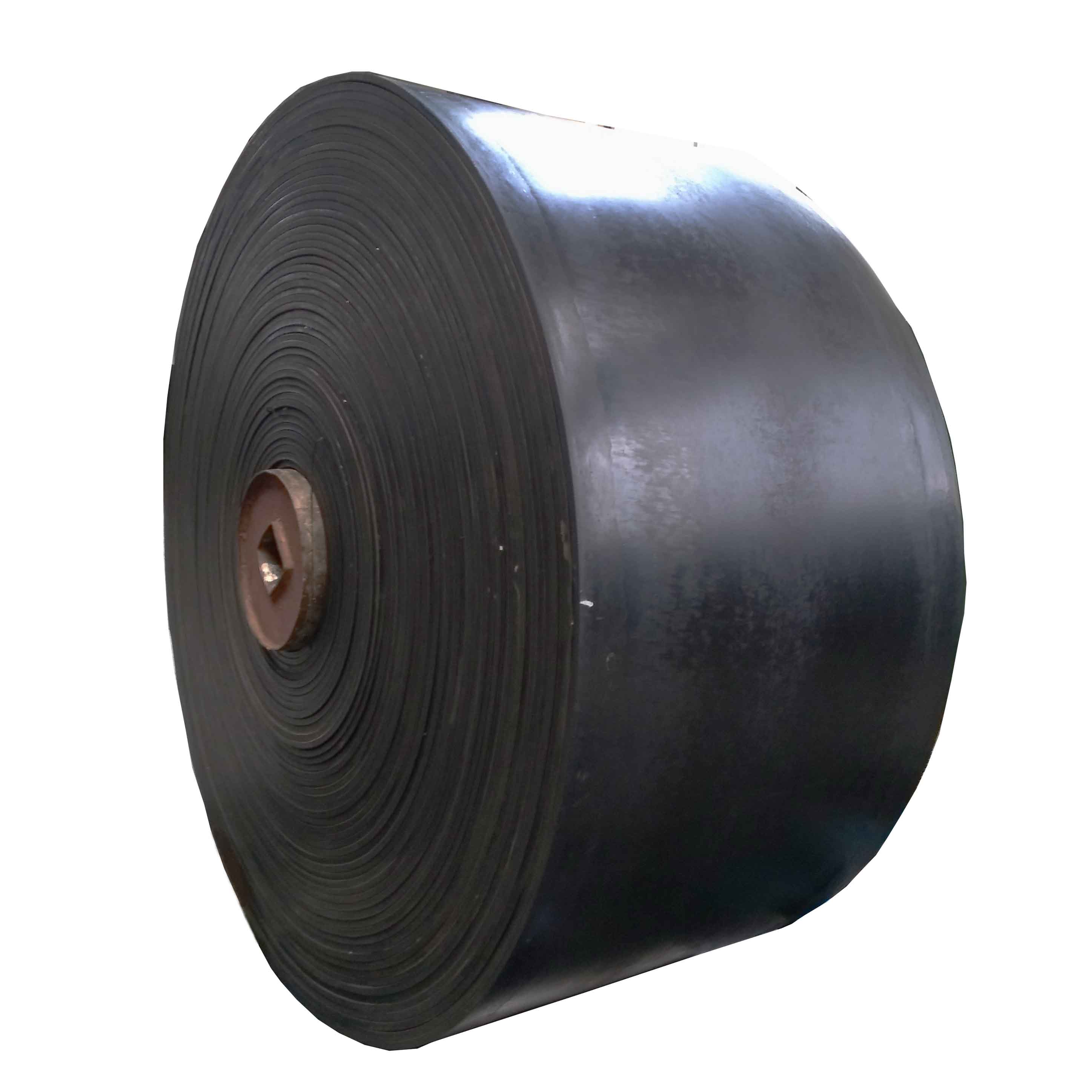
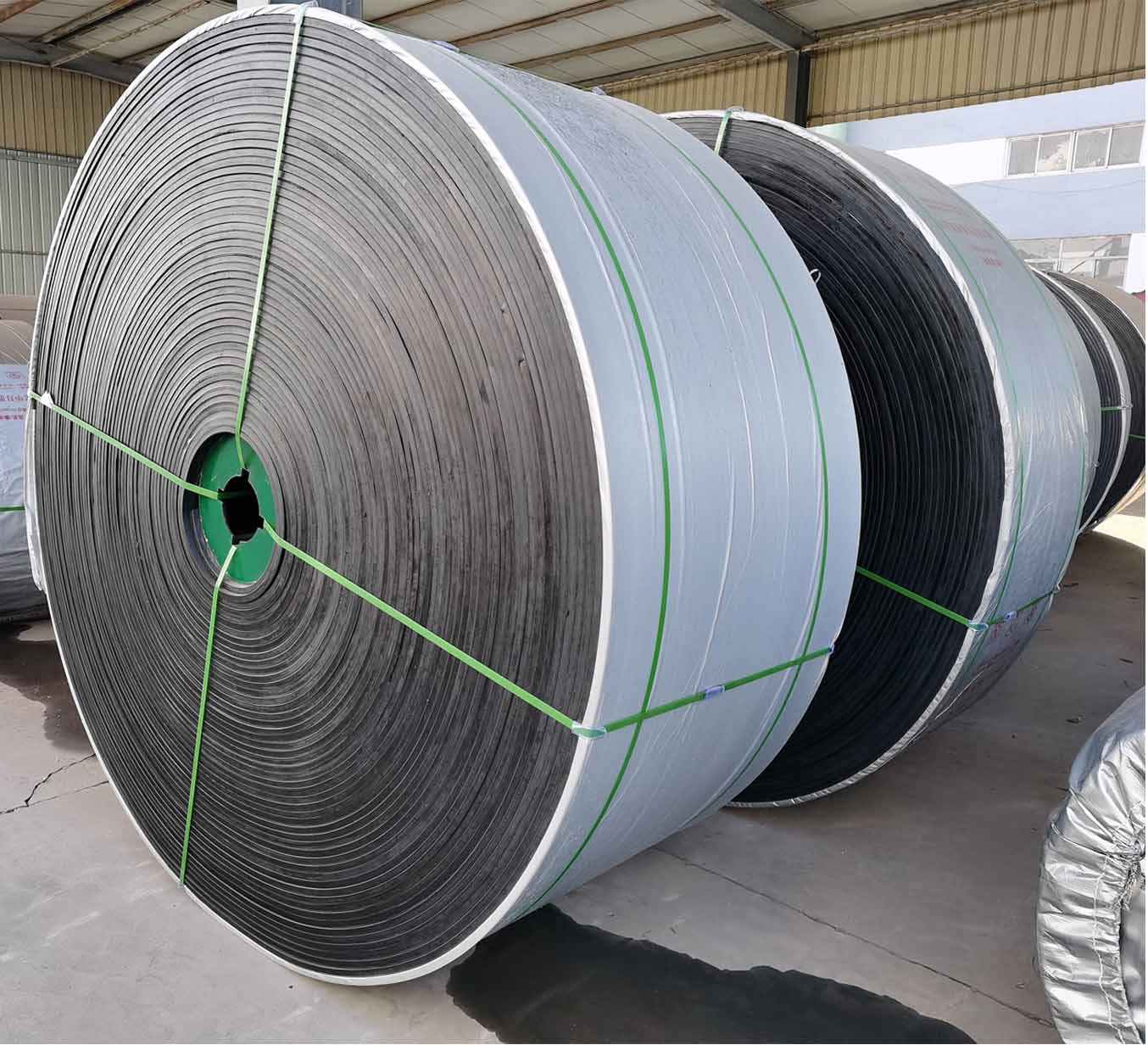
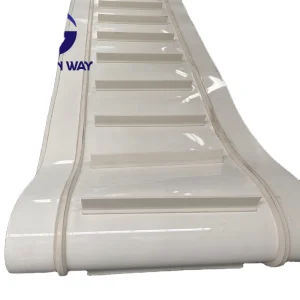
Oil Resistant Rubber Conveyor Belt at Best Price

Product Description

Oil Resistant Rubber Conveyor Belt at Best Price
Oil Resistant Rubber Conveyor Belt at Best Price Oil Resistant Rubber Conveyor Belt at Best Price
1. Applications

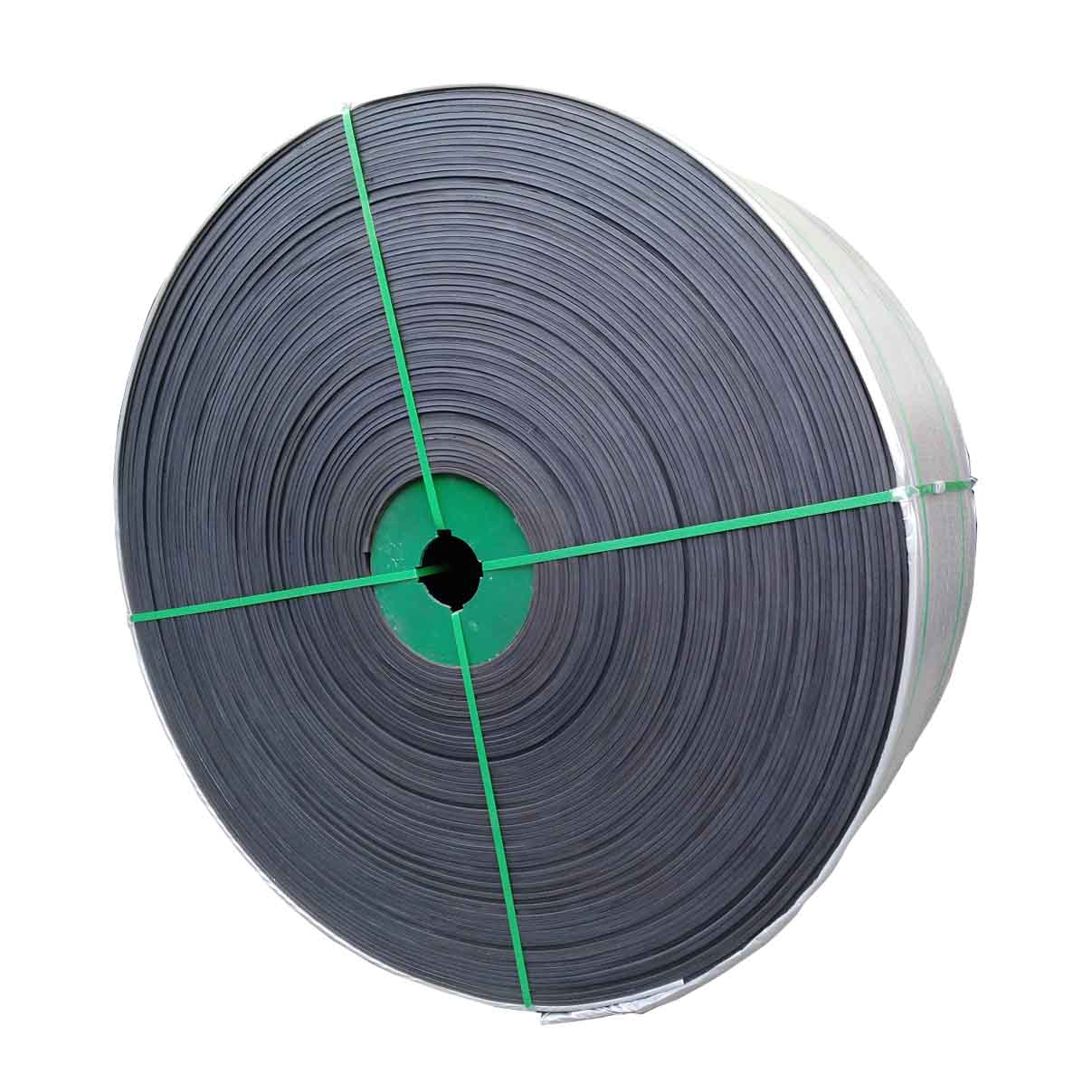
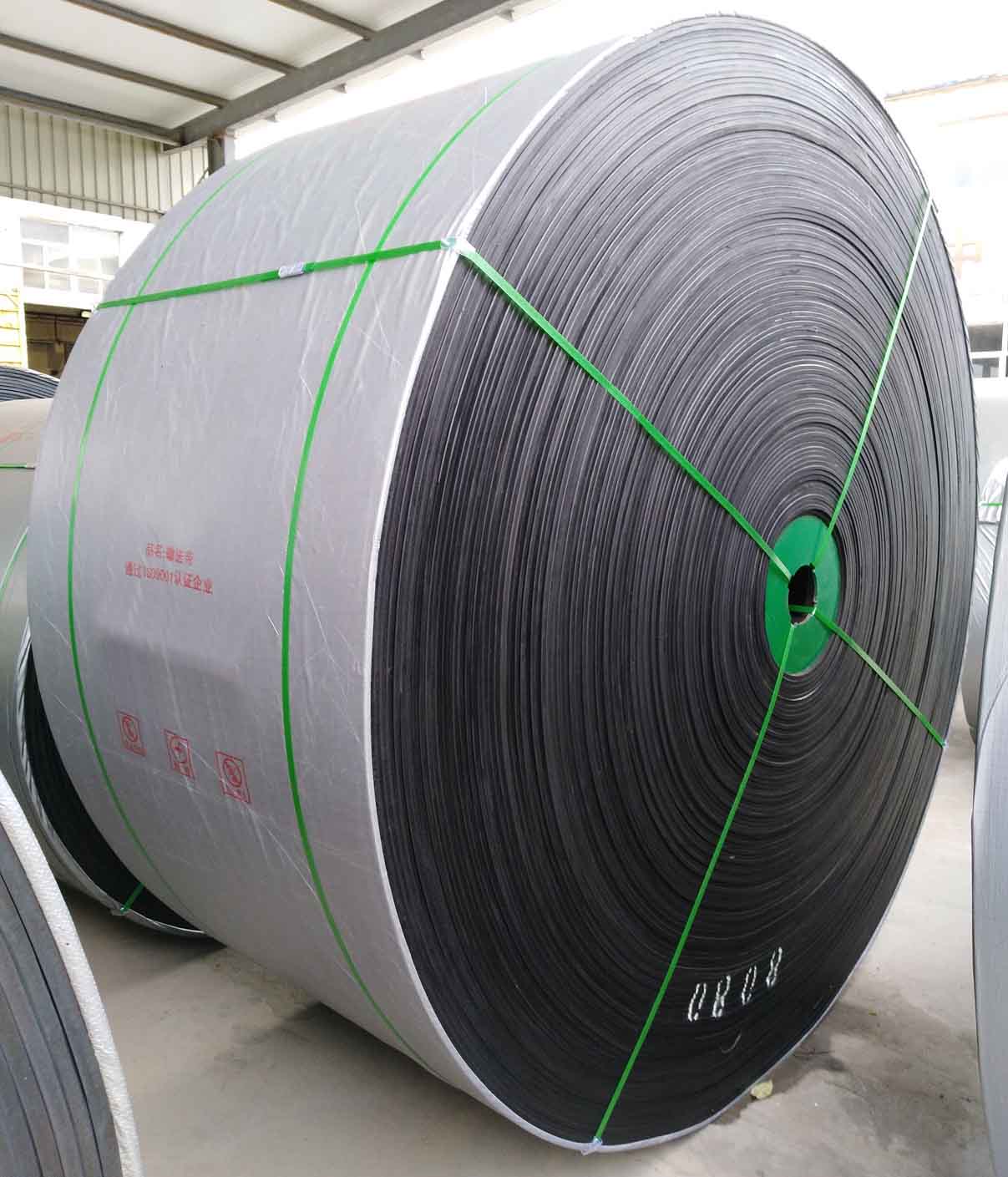
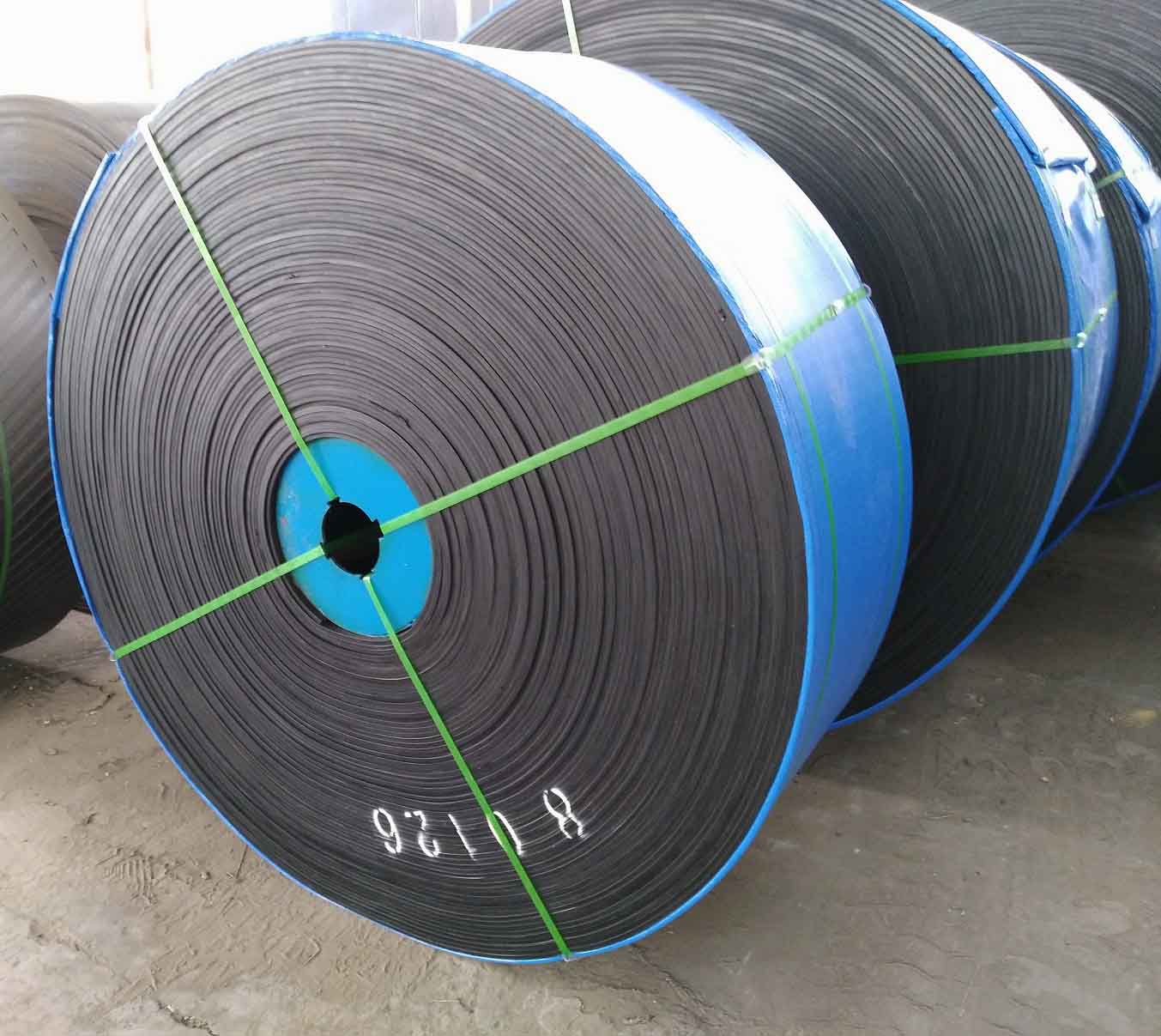
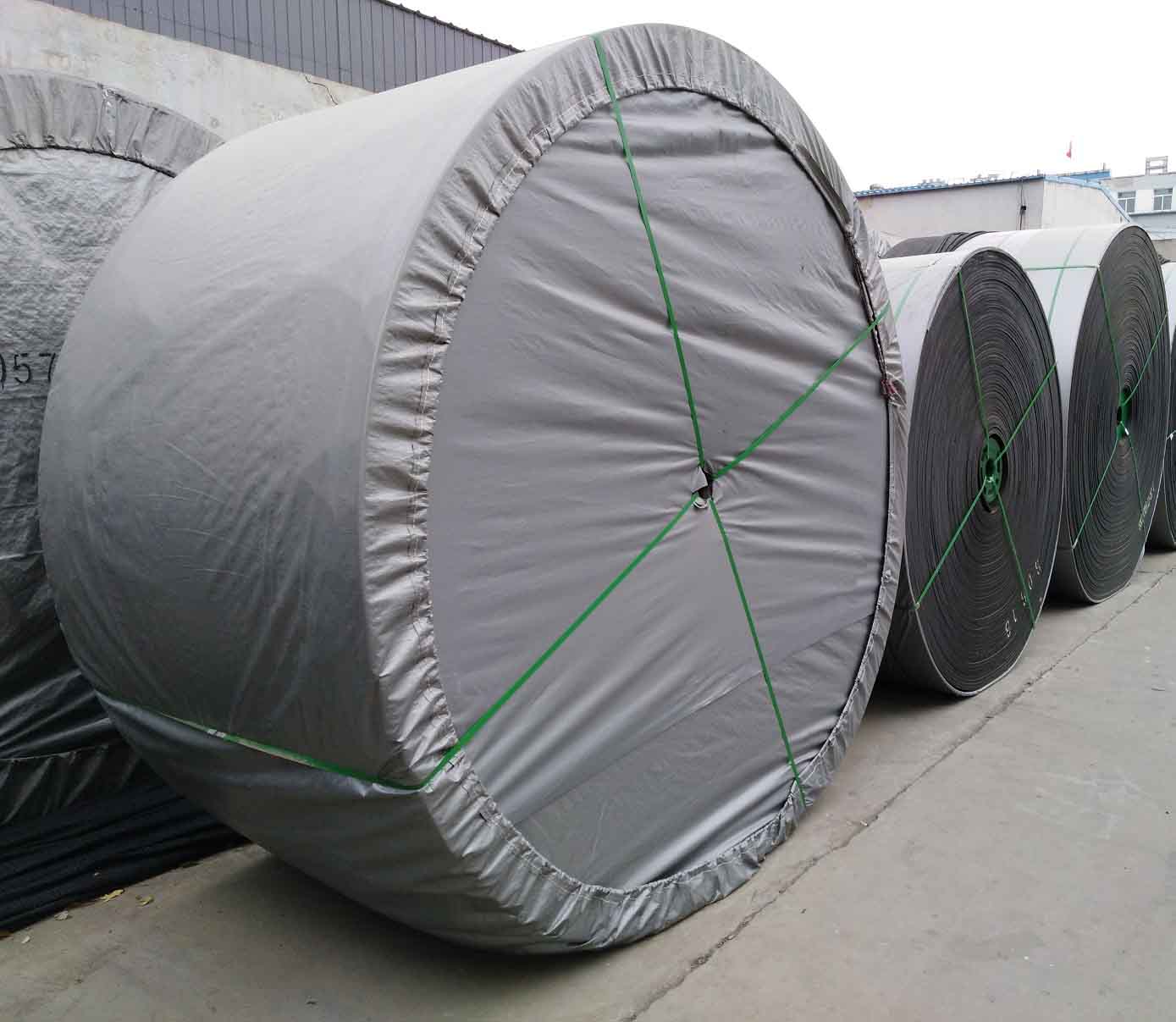
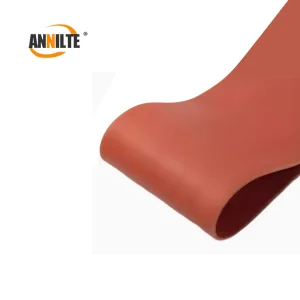
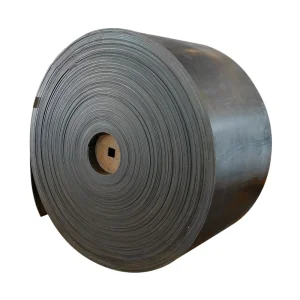
Oil resistant conveyor belt is suitable for transporting oily materials, or used in environment exposed to working oil. We select NBR as belt covers. NBR has a high content of acrylonitrile with excellent oil resistant property.

2. Physical properties of rubber cover
a. Physical properties of rubber cover
Type Tensile Strength / MPa Breaking elongation / % Abrasion loss / mm³
LO ≥14.0 ≥350 ≤200
DO ≥16.0 ≥350 ≤160
Note:
LO - used in general oily working conditions.
DO - used in high abrasion & oily working conditions.
After-aging properties of rubber cover (70°C × 168h):

Change rate of tensile strength and breaking elongation are both not more than 25% of before-aging values.

b. Oil resistant properties of rubber cover
Serial number Test conditions of soak liquid Volume change rate / % ≤
Oil number in GB/T1690 Soak temperature / °C Soak time / h LO DO
1 #2 oil 70±2 70 +0/-1 +20 -5
2 #3 oil 70±2 70 +0/-1 +50 +5
3 #3 oil 100±2 22±0.25 +50 +5
Note: You only need to choose one of the above three methods.
Frequently Asked Questions (FAQ)
What are the primary applications of oil resistant conveyor belts?
Oil resistant conveyor belts are designed for transporting oily materials or operating in environments exposed to industrial, animal, vegetable, or mineral oils, preventing rubber degradation and structure swelling.
What is the difference between LO and DO rubber covers?
LO covers are utilized in general oily working environments, while DO covers are specifically designed for high-abrasion conditions where both wear and oil resistance are critical.
Why is NBR selected for the belt cover?
NBR (Nitrile Butadiene Rubber) contains a high amount of acrylonitrile, offering outstanding properties to resist chemical wear, oil swelling, and structural changes under harsh working conditions.
How does the rubber cover behave during heat-aging tests?
After testing at 70°C for 168 hours, the change rates for both tensile strength and breaking elongation of the rubber cover remain safely below 25% of their original values.
Which oil soak test options are available for performance check?
We offer three distinct test environments utilizing #2 or #3 oil at temperature limits from 70°C up to 100°C in order to confirm volume stability under the GB/T1690 standard.

Related Products