Trakkx Tech
1 / 5
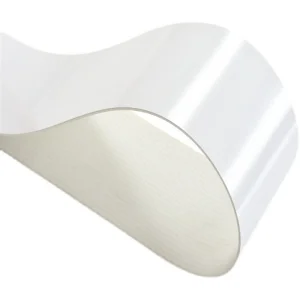
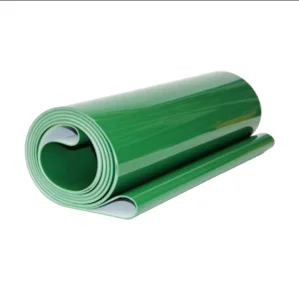
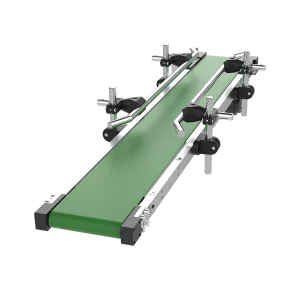
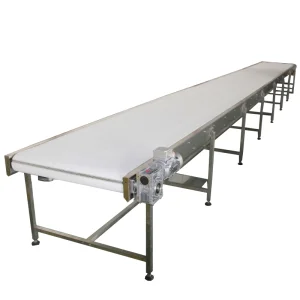
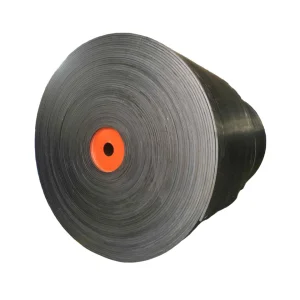
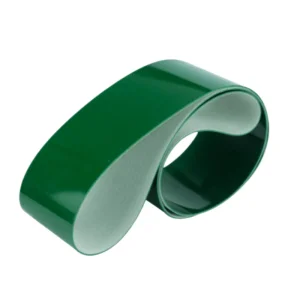
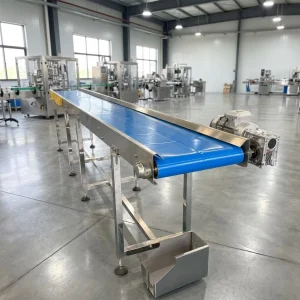
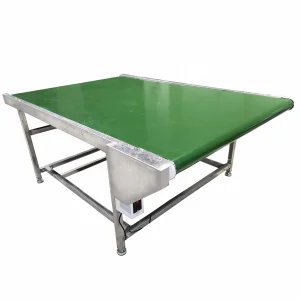
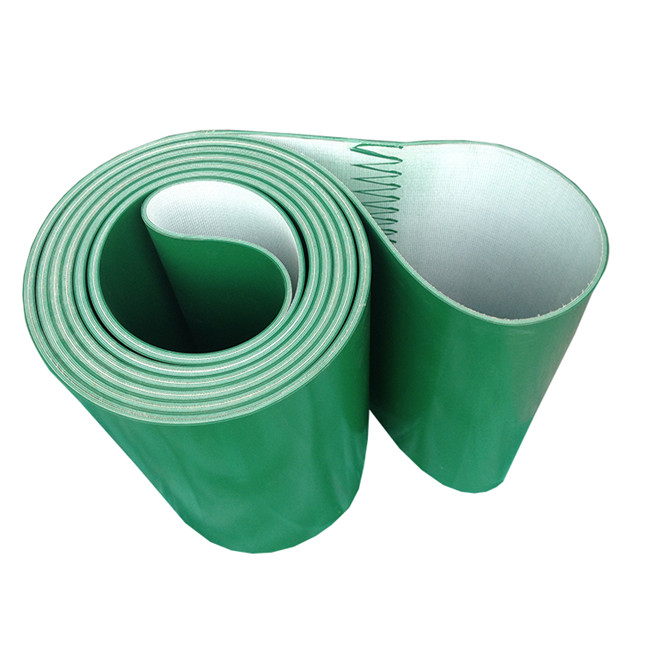
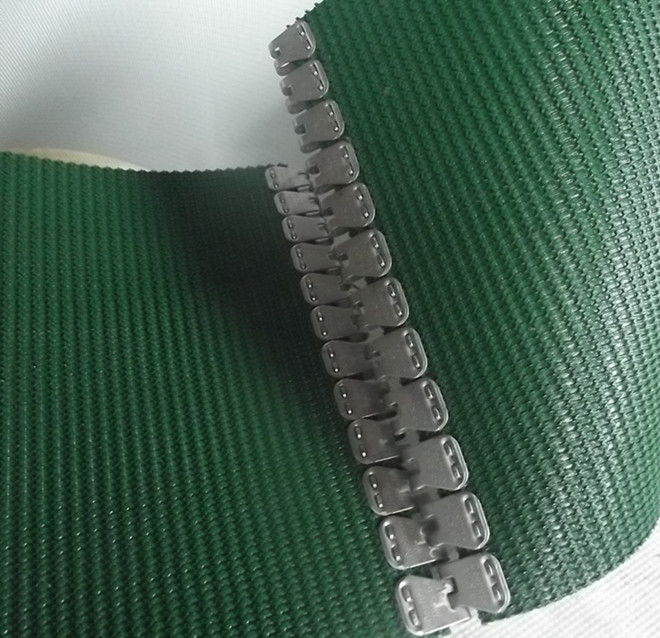
We can divide the conveyor belt into three categories: PVC conveyor belt, PU conveyor belt and some special material, such as silica gel, rubber.
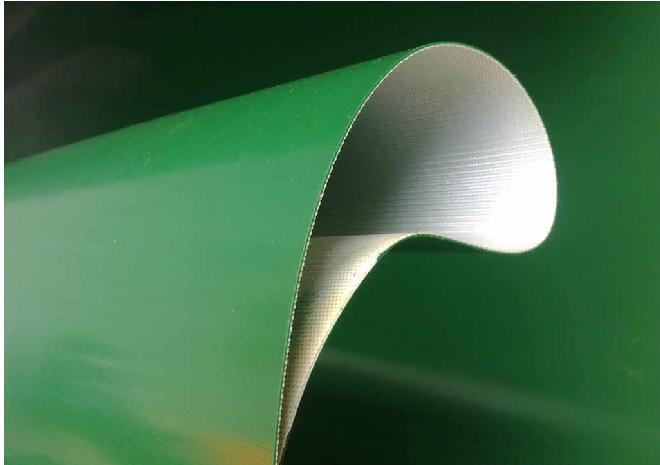
A layer of cloth and a layer of glue, two layers of cloth and two layers of glue, three layers of cloth and three layers of glue, and so on. It can be customized according to your requirements.
Red, yellow, green, blue, gray, white, black, blue, green, transparent (in general we have)
PVC: 1~7mm PU: 0.8~4mm
Flat surface, diamond pattern, lawn pattern, golf pattern etc.
PVC: Economical and practical, technology is mature. PU: Applicable to the food industry, abrasion resistant and corrosion.
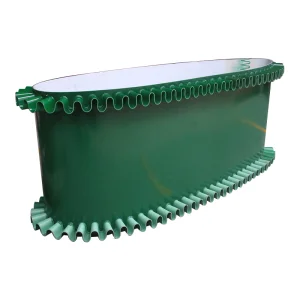
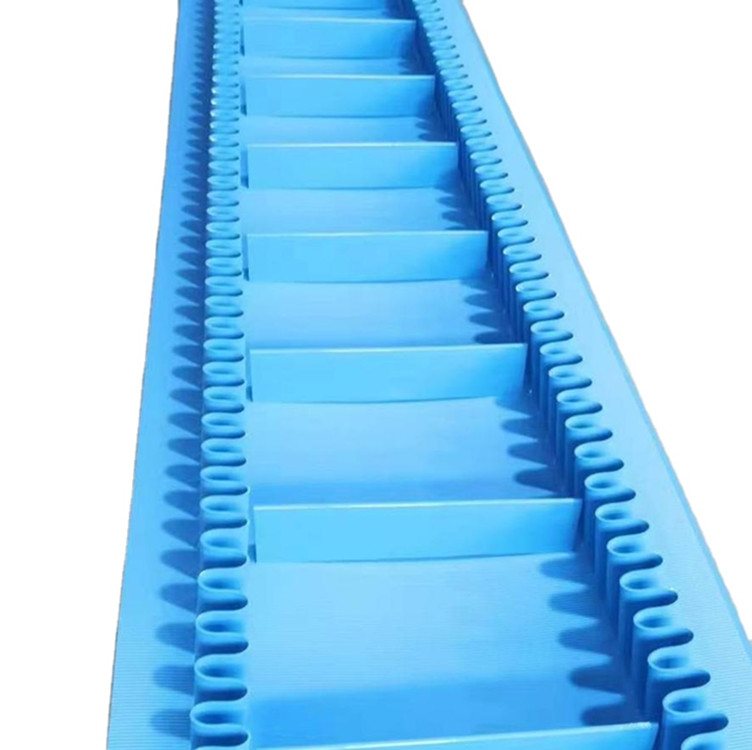
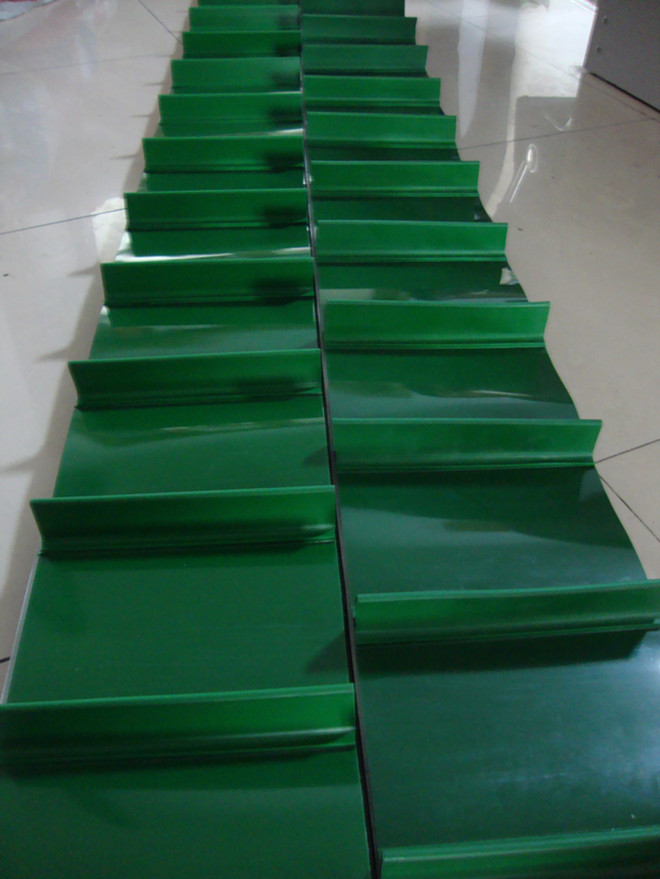
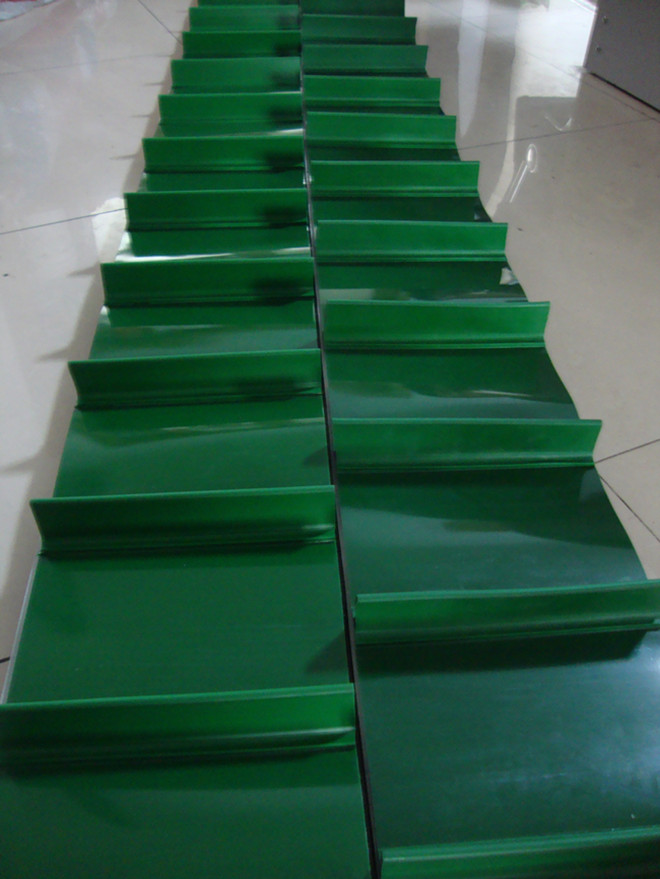
It can add baffle, skirt, sponge, guide bar.
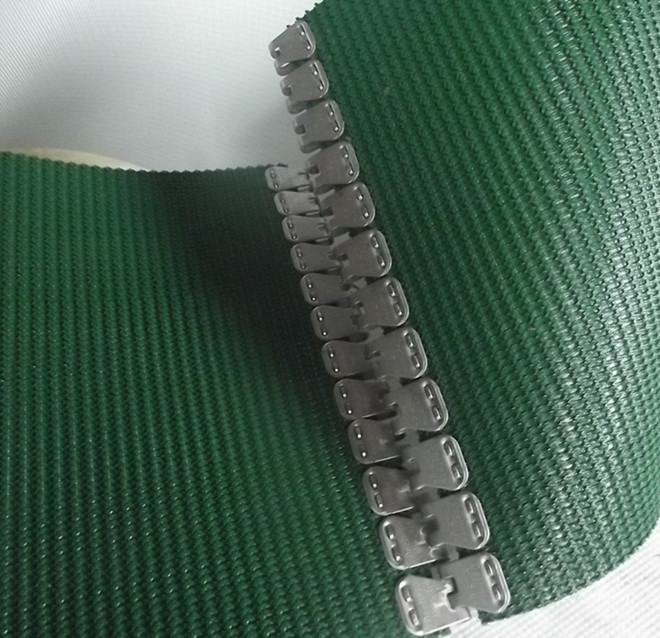
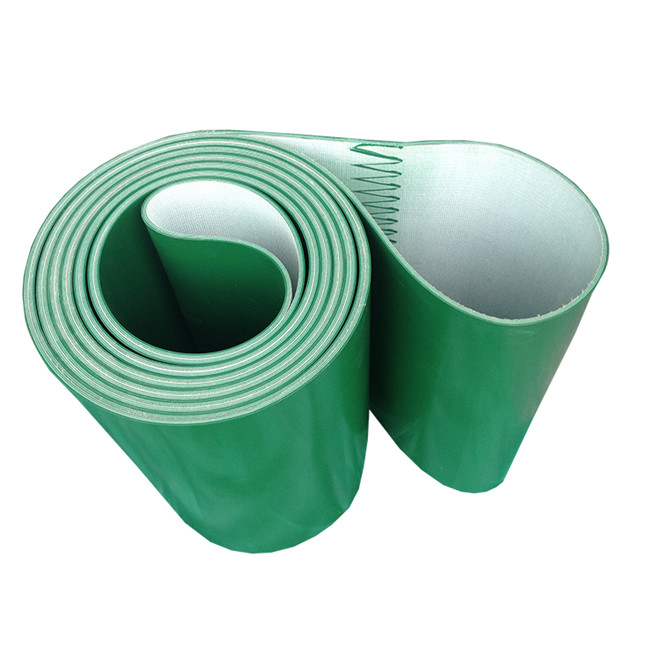
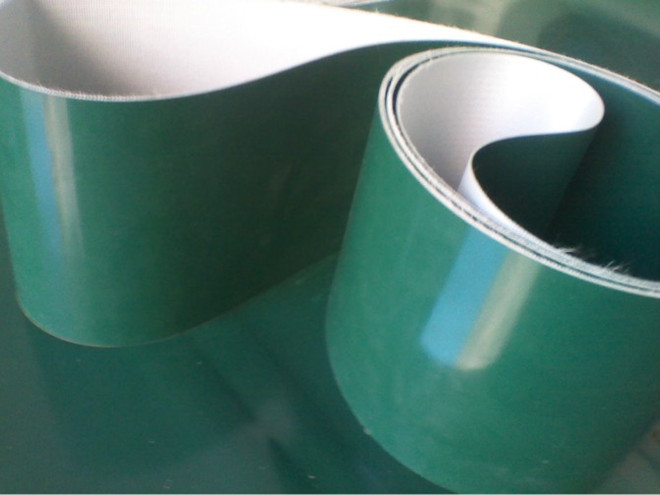
Conveyor belts are divided into three main categories: PVC conveyor belts, PU conveyor belts, and special materials such as silica gel and rubber.
The fabric layers are fully customizable according to your requirements. Common configurations include one layer of cloth and one layer of glue, two layers of cloth and two layers of glue, three layers of cloth and three layers of glue, and so forth.
We generally supply belts in red, yellow, green, blue, gray, white, black, and transparent colors. Available surface appearances include flat surface, diamond pattern, lawn pattern, and golf pattern, among others.
PVC conveyor belts typically range in thickness from 1mm to 7mm, while PU conveyor belts range from 0.8mm to 4mm.
PVC belts are economical, practical, and use mature technology. PU belts are ideal for the food industry and offer excellent resistance to abrasion and corrosion.
For specialized conveying needs, subsequent processing options include the addition of baffles, skirts, sponges, and guide bars.