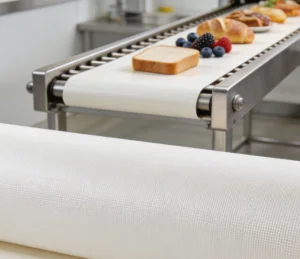
Stainless Steel Food Conveyor PVC/PU/Rubber Belt with Competitive Price for Material Handling

Product Description

Material Handling Stainless Steel Conveyor Food PVC/PU/Rubber Belt Conveyor Price
Product Description

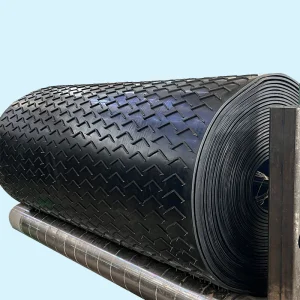
A rubber belt conveyor is a continuous moving belt that transports materials from one point to another. The belt, made primarily of rubber, acts as both the conveyor and the transporter. It is one of the most common and versatile types of conveyor systems used across countless industries.

They are the workhorses of material handling, capable of moving everything from small packages and food items to heavy bulk materials like coal, ore, and gravel.
Stainless Steel Food Conveyor PVC/PU/Rubber Belt with Competitive Price for Material Handling
Work Process
Stainless Steel Food Conveyor PVC/PU/Rubber Belt with Competitive Price for Material Handling

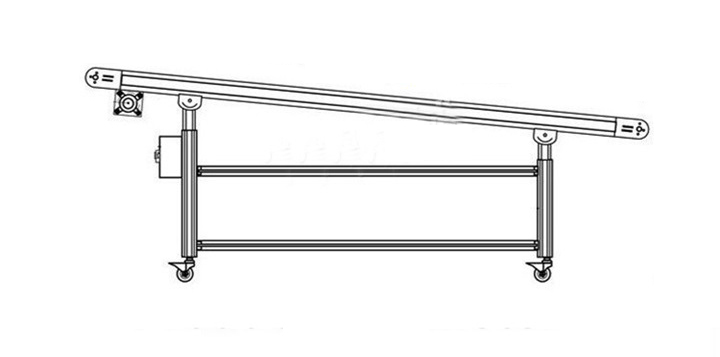
A standard rubber belt conveyor system consists of several essential parts:

Conveyor Belt (The "Rubber Belt")

The carrying medium, composite of a carcass (inner layer providing tensile strength) and covers (top and bottom protective rubber layers).

Pulleys

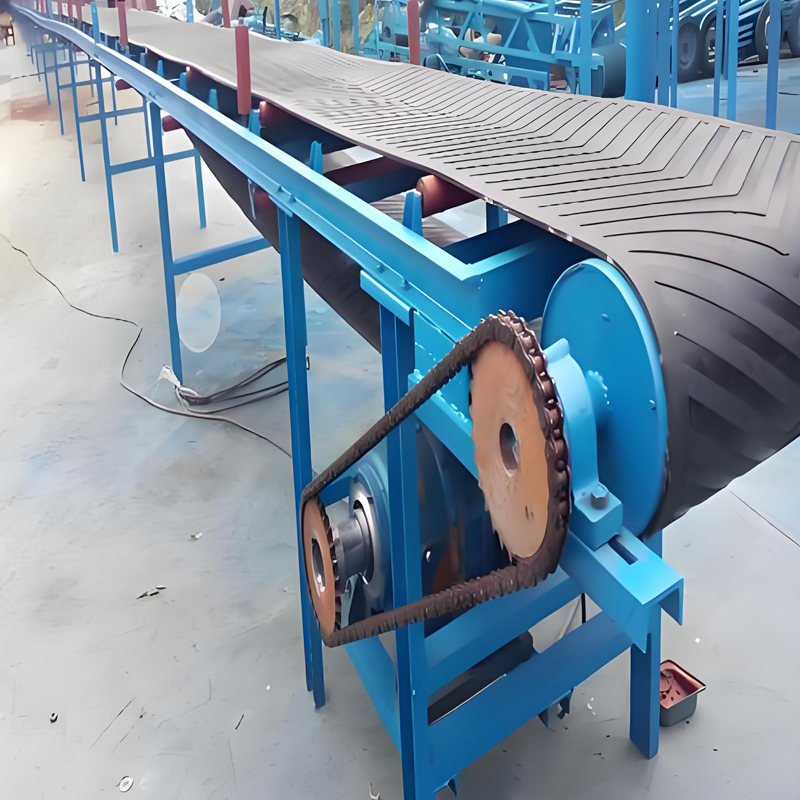
Includes the Drive Pulley (motor connected), Tail Pulley (guides the belt back), Snub Pulley (increases wrap angle), and Take-Up Pulley (maintains tension).

Idlers / Rollers

Support structures including Troughing Idlers (prevent spillage), Impact Idlers (absorb loading shock), and Return Idlers (support empty belt side).

Drive Unit & Accessories

Consists of the motor and gearbox. Includes loading hoppers for material guidance, belt cleaners (scrapers) for carryback prevention, and the steel structure support frame.
Advantages
  • High Efficiency: Can move large volumes of material continuously over long distances.
  • Versatility: Handle a wide range of materials, from fine powders to large lumps.
  • Reliability: Simple design with few moving parts leads to high uptime and low maintenance.
  • Cost-Effective: Low operational cost per ton of material moved compared to trucks or manual labor.
  • Safety: Enclosed systems can contain dust, and they reduce manual handling risks.
  • Flexibility: Can be designed for various paths, including horizontal, inclined, and curved sections.
Stainless Steel Food Conveyor PVC/PU/Rubber Belt with Competitive Price for Material Handling
Functions
  • 1
    Cost-effective solution for long-distance material transport
  • 2
    Reduced manpower and energy consumption
  • 3
    Improved operational safety and environmental performance
  • 4
    Flexibility in route planning and terrain adaptation
Application

Rubber belt conveyors are ubiquitous. You'll find them in:

Mining

Transporting coal, minerals, and ores over long distances.

Agriculture

Moving grain, fertilizer, and food products.

Airports

Handling luggage in the baggage claim system.

Packaging & Warehousing

Sorting and moving parcels and boxes.

Manufacturing

Assembling products and supplying parts to production lines.

Power Plants

Feeding coal or biomass to boilers and removing ash.

Stainless Steel Food Conveyor PVC/PU/Rubber Belt with Competitive Price for Material Handling

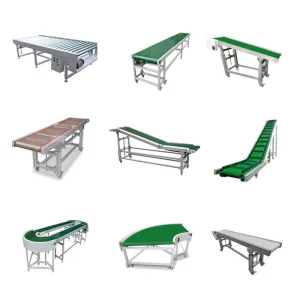
Rubber belt conveyors can be configured in various ways:

  • Flat Belt Conveyor: Used for transporting boxes, bags, and other unit goods. Common in packaging, shipping, and assembly lines.
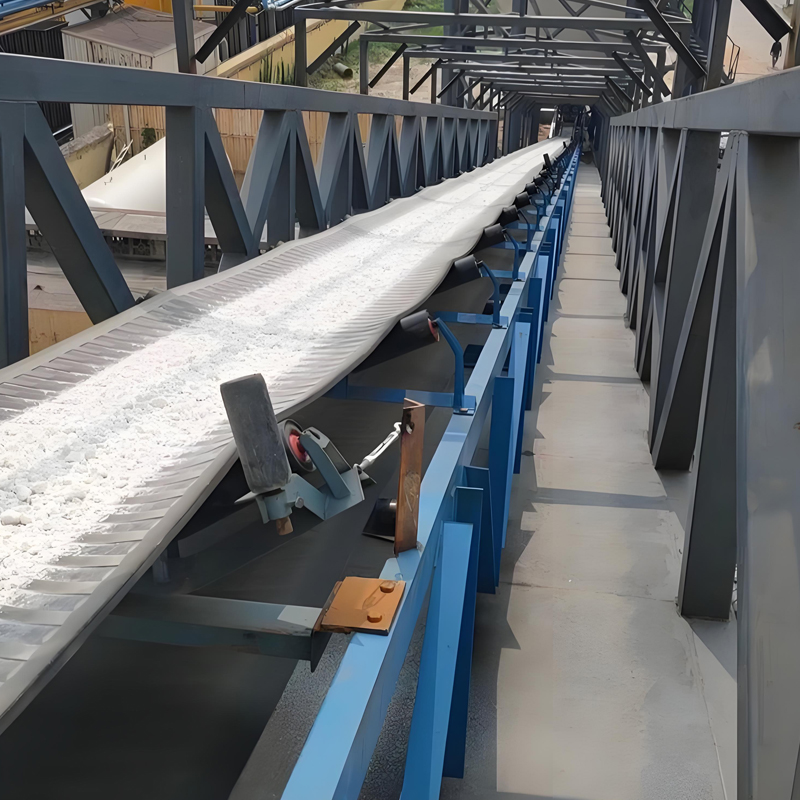
  • Troughed Belt Conveyor: The most common type for bulk materials. The belt is troughed by idlers to increase load capacity and reduce spillage.
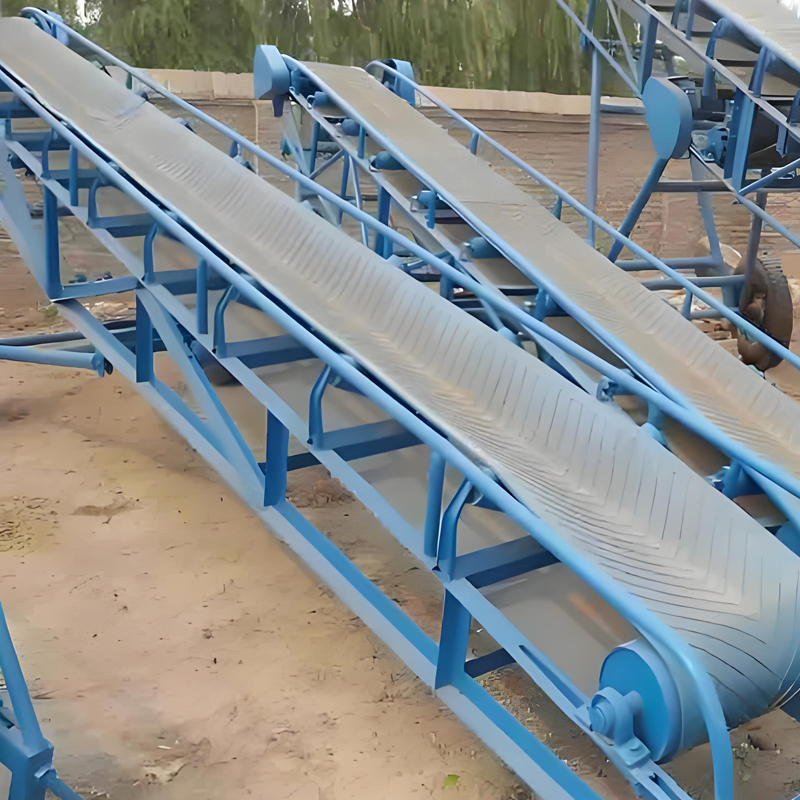
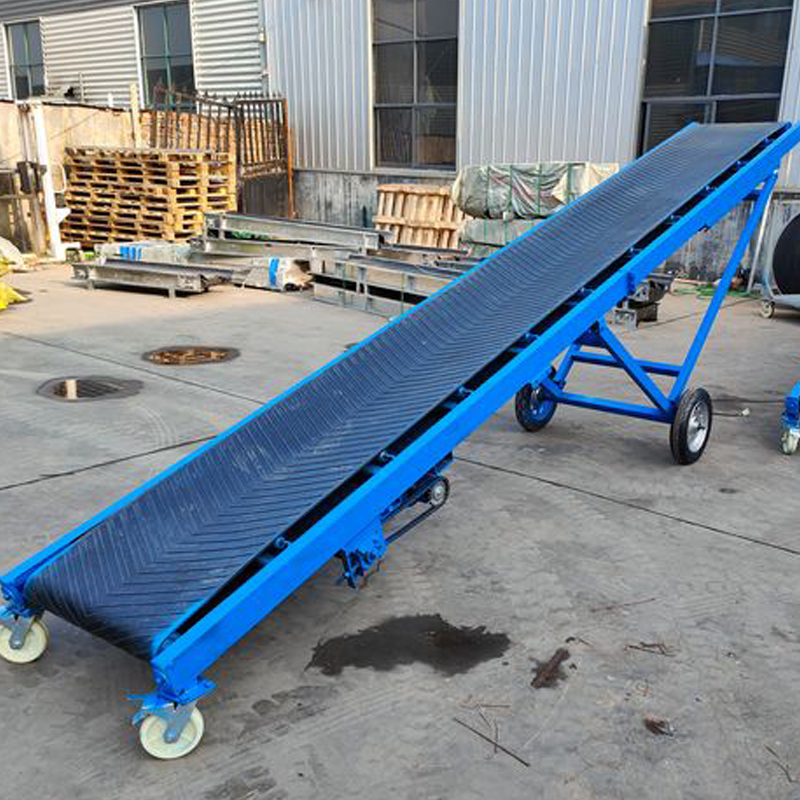
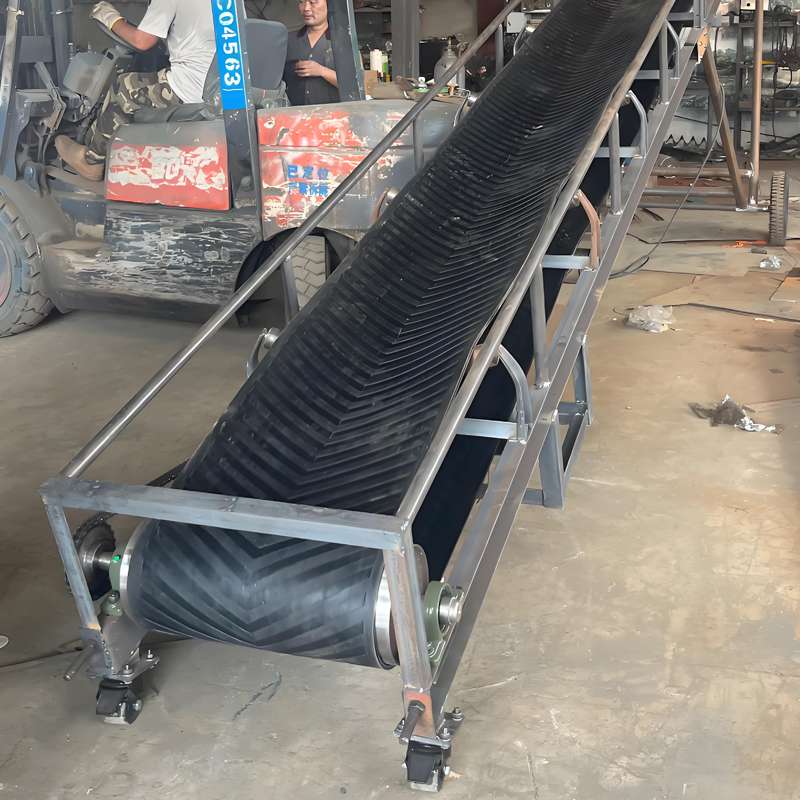
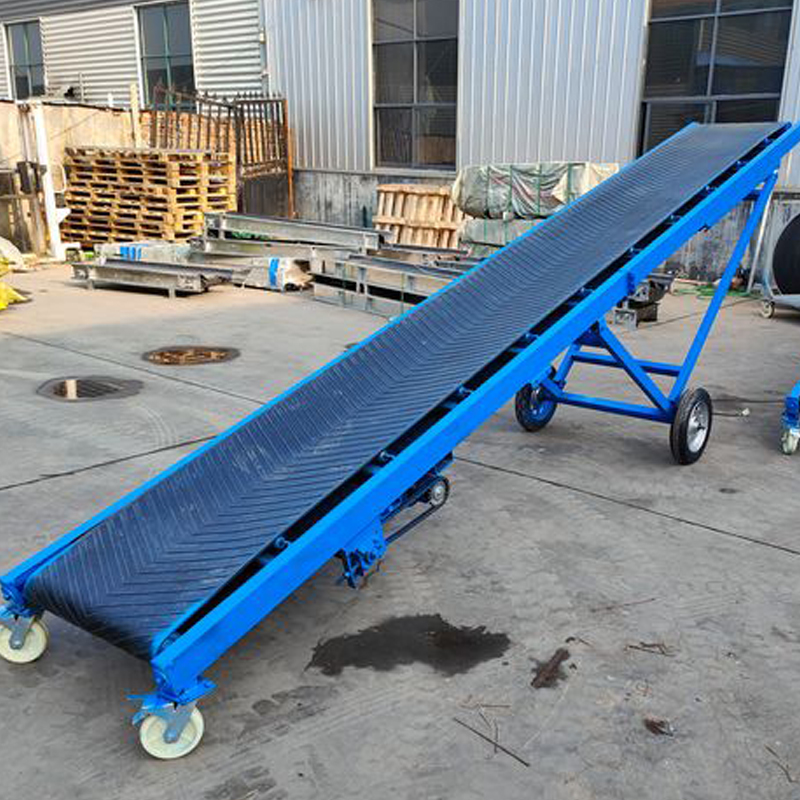
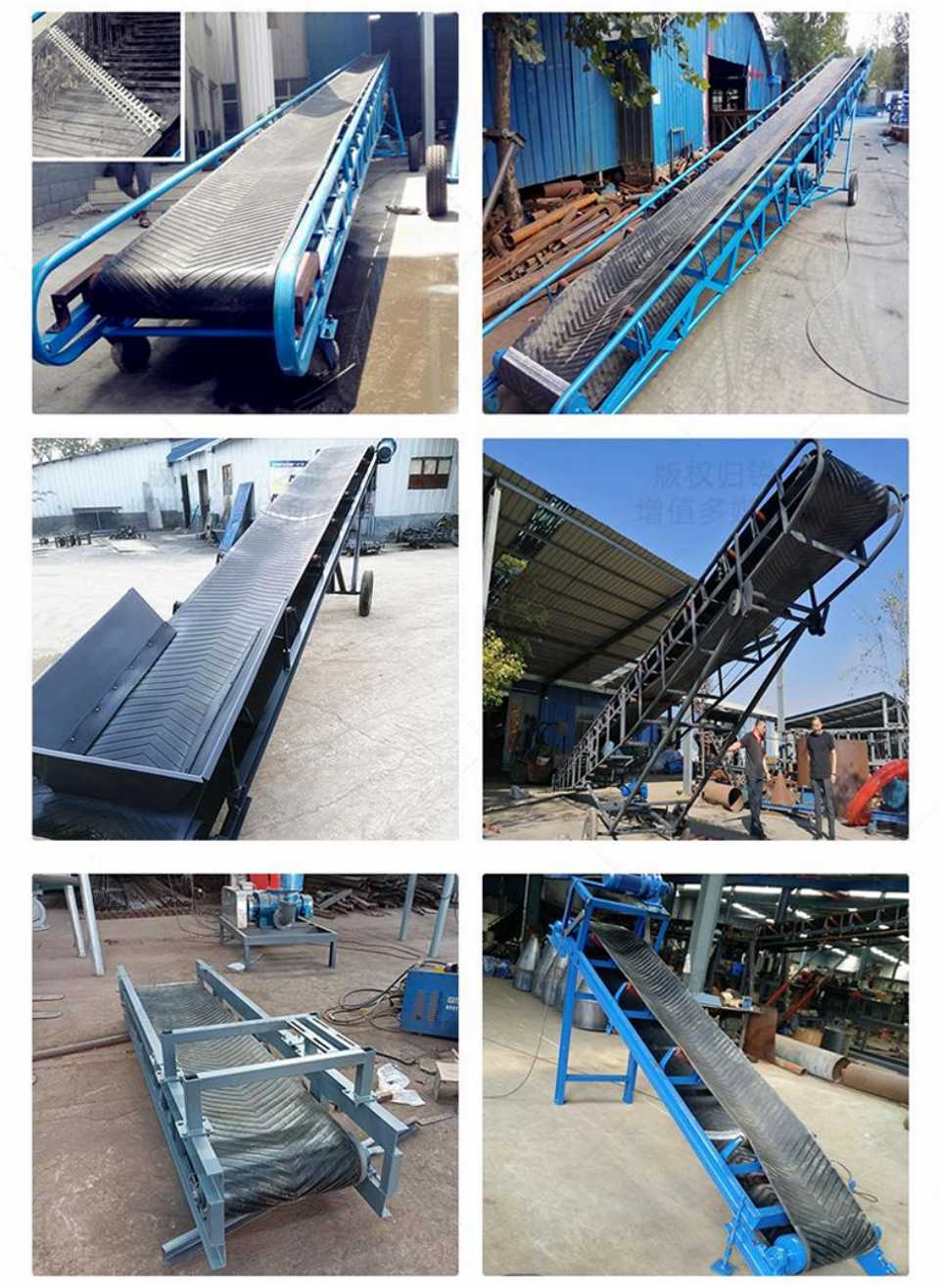
  • Incline/Decline Belt Conveyor: Equipped with cleats or chevron patterns on the belt to prevent material from rolling back on steep slopes.
  • Pipe Conveyor: The belt wraps into a closed pipe shape, containing dust and allowing it to navigate tight horizontal and vertical curves.
  • Mobile Conveyor: Mounted on wheels for portability, often used in temporary applications like ship loading/unloading or construction sites.
Buying Guides
  • 1
    Tell us the raw material you want to convey, its specific gravity, water content, corrosiveness or not, etc.
  • 2
    Tell us the required conveyor capacity per hour.
  • 3
    Tell us whether there is a tilt angle, the horizontal conveyor distance, and the vertical conveyor distance.
  • 4
    Any other special requirements of the belt conveyor system.
Frequently Asked Questions
Q1. What materials can be transported using a rubber belt conveyor?

Rubber belt conveyors are extremely versatile. They can handle a wide variety of materials, ranging from fine powders and agricultural grains to heavy bulk materials like coal, minerals, ores, sand, and gravel.

Q2. What are the key benefits of using a troughed belt conveyor layout?

Troughed belt conveyors use 3-roll idlers to form a "trough" shape. This increases the cross-sectional area of the material load, significantly improving capacity while reducing material spillage along the route.

Q3. How does an incline/decline conveyor prevent materials from falling backward?

For steep slopes, incline or decline conveyors are outfitted with special textured profiles, cleats, or chevron patterns on the belt surface to secure the materials and prevent rollback.

Q4. What details should I provide to get a quotation?

Please provide the material type (including density and moisture level), the hourly capacity, the conveyor routing details (horizontal distance, vertical lift, and tilt angle), and any environmental constraints.

Q5. What is the function of the belt cleaner scrapers?

Belt cleaners are mounted near the discharge point to scrape off sticky residue and materials clinging to the belt. This prevents carryback, keeps the return rollers clean, and prevents belt misalignment.
Related Products