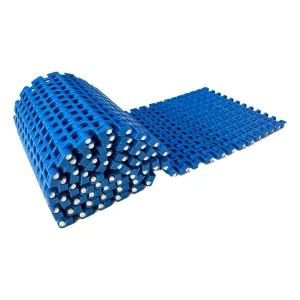
Industrial material handling systems serve as the structural backbone of modern bulk logistics, heavy resource extraction, and high-throughput manufacturing lines. At the core of these massive setups are heavy-duty conveyor belts, which process billions of metric tons of cargo, minerals, raw aggregates, and food products daily. The global rubber conveyor belt market is experiencing rapid shifts due to infrastructural expansions in developing countries, automated logistics networks, and strict safety rules in mature markets.
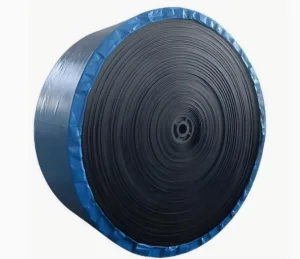
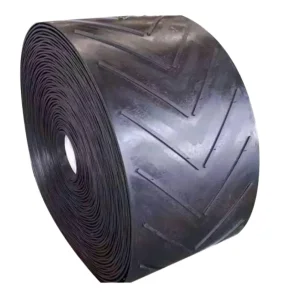
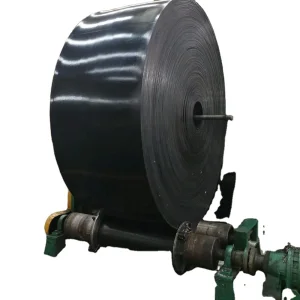
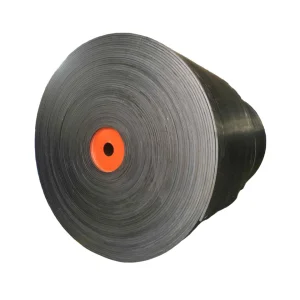
Modern conveyor systems require specialized compounding and structural designs to survive extreme operations. Mining, metallurgical processing, and cement manufacturing require belt materials that withstand continuous impact, high-temperature raw clinker, dynamic loading cycles, and structural tension. To meet these demands, top factories rely on advanced polymer matrices. They combine Styrene-Butadiene Rubber (SBR), Natural Rubber (NR), and Nitrile Butadiene Rubber (NBR) to create cover grades that resist abrasive wear, ozone degradation, chemical exposures, and oil swell.
In global machinery supply chains, regulatory compliance is a major operational requirement. The CE (Conformité Européenne) mark indicates that a product meets EU safety, health, and environmental rules. For heavy machinery like conveyor systems, CE certification is mandatory. Under the EU Machinery Directive (2006/42/EC) and Harmonized Standards (such as EN ISO 14890 for rubber conveyor belts), exporters must verify that their products meet specific structural safety standards.
CE certification covers structural safety, electrostatic safety, and flame retardancy:
Conveyor systems must be tailored to their operating environments. A belt designed for cold-weather iron ore extraction in Northern Europe will fail if deployed on a high-temperature cement line in the Middle East. Understanding localized operating conditions is key to ensuring system longevity and reliability.
Requires high impact resistance and cut/gouge protection. Steel cord or heavy EP multi-ply cores (EP 400/3 to EP 800/4) are standard. Covers must meet DIN X or DIN W requirements, restricting volumetric wear to under 120 mm³ and 90 mm³ respectively.
Focuses on hygiene and chemical compatibility. Requires FDA-approved, oil-resistant PU/PVC, or specialized non-toxic synthetic rubber. Features include anti-microbial surfaces and easy-to-clean modular constructions.
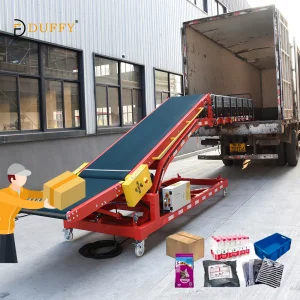
Requires variable speed operation, low operating noise, and energy-saving back covers. Telescopic loader belts handle fast shipping container loading, while flame-retardant solid woven core belts secure automated sorting centers.
The table below outlines the performance characteristics across standard belt specifications:
| Property / Test Standard | DIN Grade X (Heavy Abrasion) | DIN Grade Y (General Purpose) | FDA/Food Grade PU/PVC | Steel Cord (ST2000) |
|---|---|---|---|---|
| Tensile Strength (MPa) | ≥ 25 MPa | ≥ 20 MPa | ≥ 15 MPa | ≥ 2000 N/mm |
| Elongation at Break (%) | ≥ 450% | ≥ 400% | ≥ 350% | ≤ 0.25% (Elastic) |
| Abrasion Loss (ISO 4649) | ≤ 120 mm³ | ≤ 150 mm³ | N/A (Non-marking) | ≤ 90 mm³ (Premium covers) |
| Temperature Range | -40°C to +80°C | -35°C to +85°C | -15°C to +90°C | -50°C to +120°C |
| Primary Application | Hard rock mining, primary crushing | Sand, gravel, bulk terminals | Grain, food packaging, pharma | Overland transport, deep mines |
Procuring heavy conveyor systems requires validating engineering parameters beyond catalog numbers. Buyers should request:
Conveyor belt systems are transitioning from passive components to active, data-driven systems. Industrial technical roadmaps focus on reducing operating expenditures, saving energy, and avoiding unscheduled downtime.
Dongguan Trakkx Tech Co., Ltd. is a professional China conveyor belt manufacturer specializing in industrial material handling and conveying solutions for a wide range of industries worldwide. With years of experience in conveyor technology, we provide reliable, efficient, and customized conveyor systems that help businesses optimize production processes, improve workflow efficiency, and reduce operational costs.
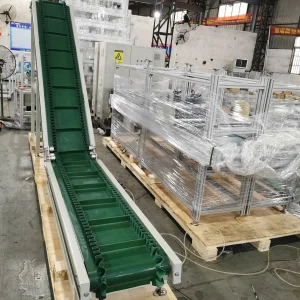
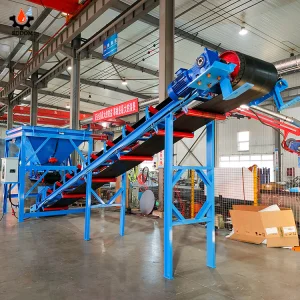
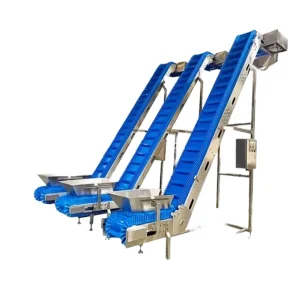
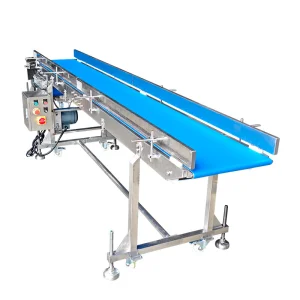
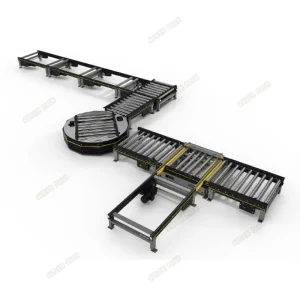
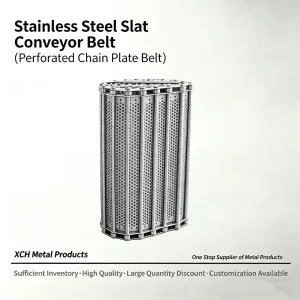
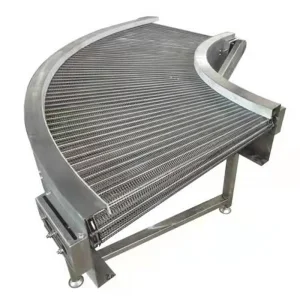
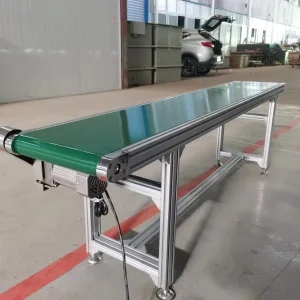
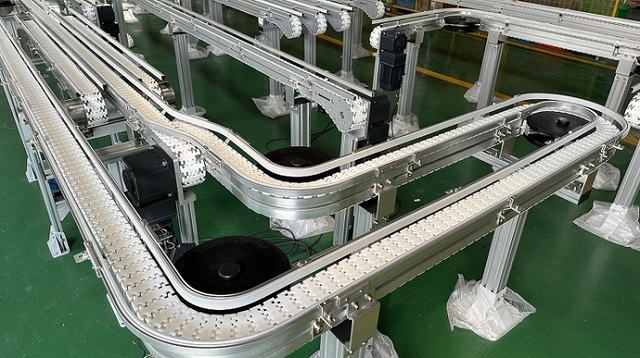
Our product portfolio includes conveyor belts, belt conveyor systems, modular conveyors, roller conveyors, inclined conveyors, assembly line conveyors, packaging conveyors, and customized material handling equipment. Designed to meet the demanding requirements of modern manufacturing environments, our solutions are widely used in logistics, food processing, electronics, automotive, warehousing, packaging, pharmaceuticals, and industrial production facilities.
At Trakkx Tech, we combine engineering expertise with advanced manufacturing capabilities to deliver high-performance conveying systems tailored to specific customer applications. Our experienced technical team works closely with clients throughout the entire process, from project consultation and system design to prototyping, production, installation support, and after-sales service.
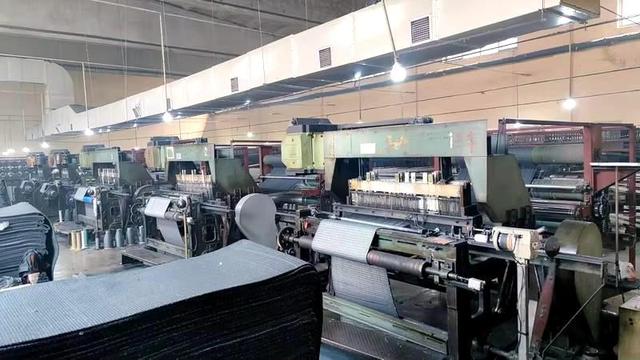
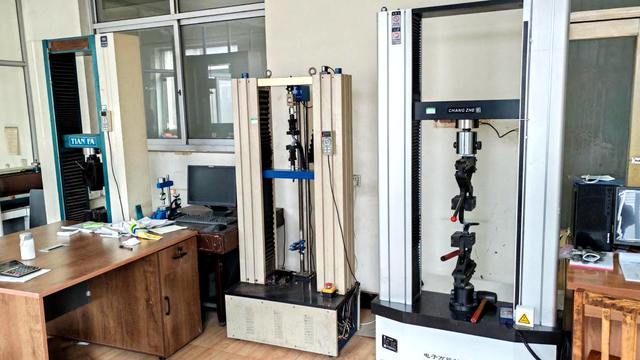
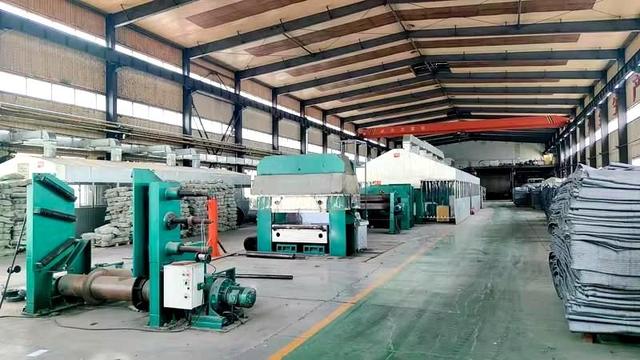
Our manufacturing facility is equipped with modern production equipment and strict quality control systems to ensure durability, reliability, and consistent performance. Every conveyor solution undergoes comprehensive testing and inspection before delivery, helping customers achieve smooth and uninterrupted material handling operations.
In addition to standard products, Dongguan Trakkx Tech Co., Ltd. offers flexible OEM and ODM services for global distributors, system integrators, equipment manufacturers, and industrial brands. We are committed to providing innovative conveying solutions that adapt to evolving industry needs and support long-term business growth.
Serving customers across North America, Europe, Southeast Asia, the Middle East, and other international markets, Trakkx Tech has established a reputation for quality, efficiency, and customer-focused service. Our mission is to become a trusted global partner for advanced conveyor belt systems and intelligent material handling solutions.
 Trakkx Tech