Premium food-grade, high-temperature, and robust fire-resistant conveying components designed to meet strict ABNT and international safety standards.
Analyzing safety standards, key economic drivers, and local regulatory frameworks dictating bulk material handling across Brazil.
Brazil stands as one of the world's primary powerhouses for mineral extraction, agricultural processing, and heavy metallurgical production. High-intensity production sites—ranging from the massive iron ore deposits in the Carajás Complex managed by mining giants like Vale, to the vast sugarcane bagasse and grain handling ports in Santos and Paranaguá—demand robust logistics corridors. In these environments, material handling safety is paramount. The integration of flame-resistant conveyor belts is not merely an operational recommendation; it is an critical safety buffer mandated by local and international regulations to prevent catastrophic dust explosions and conveyor fires.
Operations within Brazilian territory must adhere to strict regulatory standards (Normas Regulamentadoras). Specifically, NR 22 (Occupational Safety and Health in Mining) dictates strict guidelines for fire prevention in underground and surface mining systems. Conveyor belts used in subterranean mines must be self-extinguishing and exhibit low toxicity and smoke emissions. Furthermore, the Brazilian Association of Technical Standards (ABNT) works in close alignment with ISO frameworks, relying on tests conforming to ABNT NBR 13860 and NBR 15243 to certify that conveyor components do not propagate flames under friction or high heat environments.
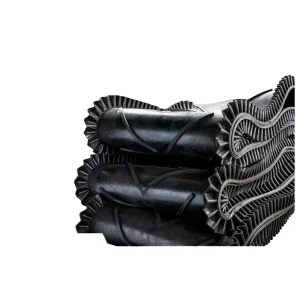
In recent years, the expansion of the biomass cogeneration sector (using dry sugarcane bagasse to generate electricity) has introduced new fire hazards. During dry seasons in regions like São Paulo, Minas Gerais, and Paraná, raw bagasse becomes highly flammable. Friction from misaligned conveyor belts or overheating pulleys can easily ignite the organic material. This has led to a significant surge in demand from Brazilian sugar refineries and power plants for multi-ply EP (Polyester-Nylon) and steel cord conveyor belts wrapped in flame-retardant (FR) rubber compounds.
Understanding the strict standards, safety categories, and materials driving global procurement.
Globally, industrial safety standards have evolved dynamically to mitigate risks associated with belt conveyor fires. A fire on a conveying system can devastate a mine or port facility, costing millions in downtime and risking human lives. Consequently, international standards associations have categorized flame resistance into specific testing methodologies:
Manufacturers catering to global procurement departments must synthesize these standards into singular, highly adaptable compounding formulations. The key lies in blending premium synthetic polymers (such as Chloroprene, Nitrile, or specialized PVC/PVG matrices) with halogenated flame-retardant additives and antimony trioxide. This sophisticated chemical blend acts as a thermal barrier, producing a char layer that cuts off oxygen supply as soon as an ignition source is removed.
How state-of-the-art Chinese factories optimize the cost-to-performance ratio for heavy industries in Brazil.
For Brazilian purchasing managers, sourcing directly from high-caliber Chinese factories offers unparalleled commercial and technical benefits. Chinese manufacturers, specifically specialized firms like Dongguan Trakkx Tech Co., Ltd., have established massive economies of scale. Through advanced automation in compounding, continuous vulcanization presses (Rotocure systems), and computerized tension-control winding machines, we consistently deliver flame-resistant belts that match or exceed Western performance benchmarks at a highly competitive cost-per-meter ratio.
Key operational advantages of partnering with a leading Chinese factory include:
Practical configurations where fire-retardant conveyor belts protect critical operations across the country.
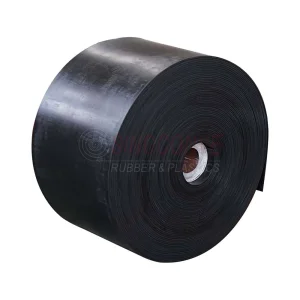
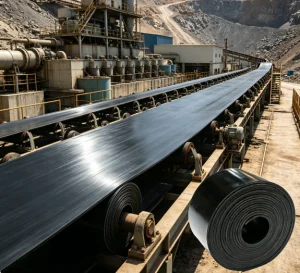
Handling heavy, abrasive iron ore requires high-tensile steel cord or EP conveyor belts. In transfer chutes and loading docks, friction can escalate temperatures. Flame-retardant covers prevent sparks from igniting dust layers in high-tonnage transport corridors.
Biomass cogeneration units utilize highly flammable dry bagasse. Belts with joint oil-and-flame resistance prevent the penetration of organic plant oils into the rubber matrix, which would otherwise soften the belt and cause friction-induced fires.
Underground mines represent the highest risk environment for methane gas and coal dust explosions. Heavy-duty solid woven PVC/PVG belts designed with self-extinguishing covers and anti-static properties are critical to prevent underground flame propagation.
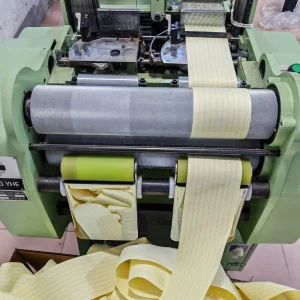
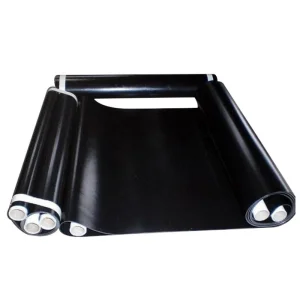
Custom structural options including high-temperature resistant cores, aramid reinforcements, and specialized process belts.
How AI, IoT sensors, and eco-friendly compounding are reshaping material handling safety and performance.
The industrial conveyor sector is undergoing a massive transformation driven by digitalization and sustainable environmental compliance. Modern factories are integrating smart tracking mechanisms into flame-resistant conveyor belts, such as embedded RFID chips and fiber optic sensors. These sensors continuously monitor the belt's internal temperature, core tension, and localized wear. If a sector of the belt overheats due to pulley friction, the system automatically triggers a warning to prevent thermal runaway before a fire can occur.
Another prominent trend is the development of Low Rolling Resistance (LRR) compounds. In massive Brazilian mineral corridors stretching over several kilometers, conveyor energy consumption constitutes a significant percentage of the site's operating costs. LRR compounds reduce the energy consumed as the belt passes over idlers by up to 15%, which, when combined with flame-retardant properties, delivers a dual benefit: carbon footprint reduction and robust site safety.
A trusted global manufacturer specializing in advanced industrial material handling and customized conveying solutions.
Dongguan Trakkx Tech Co., Ltd. is a professional China conveyor belt manufacturer specializing in industrial material handling and conveying solutions for a wide range of industries worldwide. With years of experience in conveyor technology, we provide reliable, efficient, and customized conveyor systems that help businesses optimize production processes, improve workflow efficiency, and reduce operational costs.
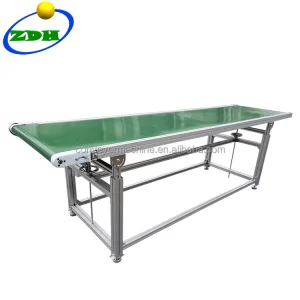
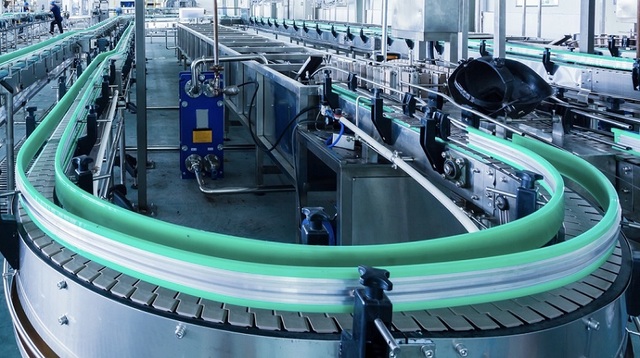
Our product portfolio includes conveyor belts, belt conveyor systems, modular conveyors, roller conveyors, inclined conveyors, assembly line conveyors, packaging conveyors, and customized material handling equipment. Designed to meet the demanding requirements of modern manufacturing environments, our solutions are widely used in logistics, food processing, electronics, automotive, warehousing, packaging, pharmaceuticals, and industrial production facilities.
At Trakkx Tech, we combine engineering expertise with advanced manufacturing capabilities to deliver high-performance conveying systems tailored to specific customer applications. Our experienced technical team works closely with clients throughout the entire process, from project consultation and system design to prototyping, production, installation support, and after-sales service.
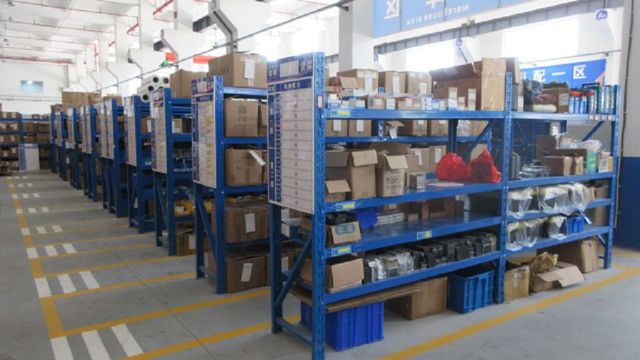
Our manufacturing facility is equipped with modern production equipment and strict quality control systems to ensure durability, reliability, and consistent performance. Every conveyor solution undergoes comprehensive testing and inspection before delivery, helping customers achieve smooth and uninterrupted material handling operations.
In addition to standard products, Dongguan Trakkx Tech Co., Ltd. offers flexible OEM and ODM services for global distributors, system integrators, equipment manufacturers, and industrial brands. We are committed to providing innovative conveying solutions that adapt to evolving industry needs and support long-term business growth. Serving customers across North America, Europe, Southeast Asia, the Middle East, and other international markets, Trakkx Tech has established a reputation for quality, efficiency, and customer-focused service. Our mission is to become a trusted global partner for advanced conveyor belt systems and intelligent material handling solutions.
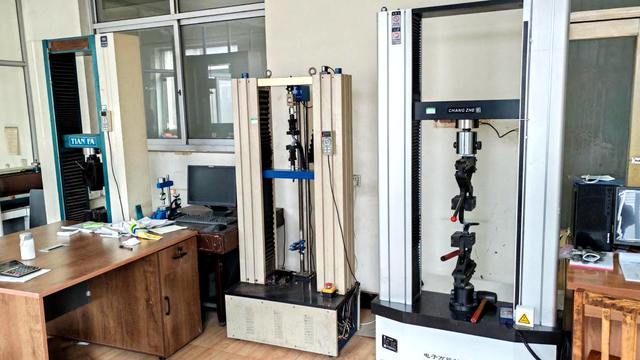
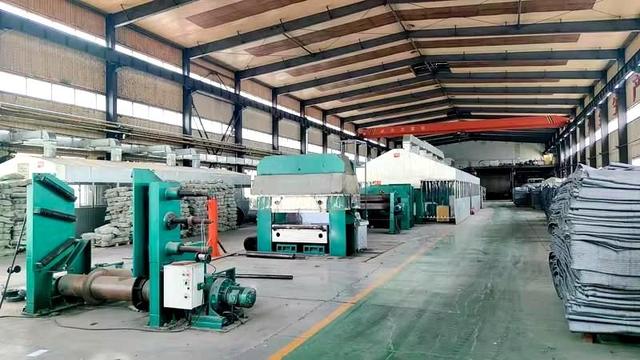
Engineered for high performance, maximum durability, and compliant flame-retardant safety standards.
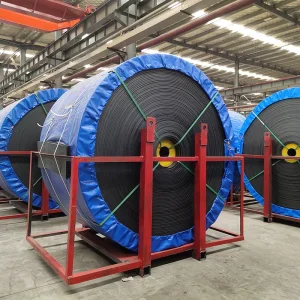
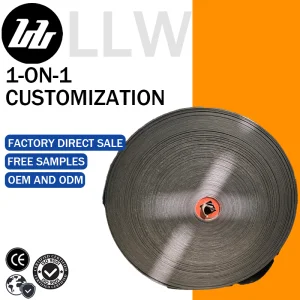
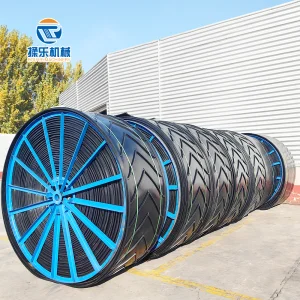
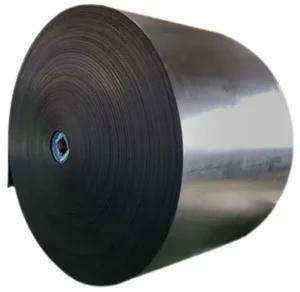
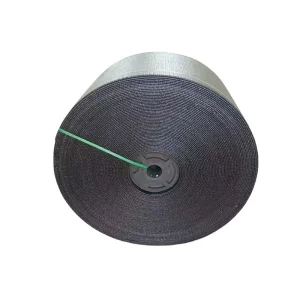
Core engineering criteria to evaluate when selecting flame-retardant industrial conveying systems.
When drafting an RFQ (Request for Proposal) for flame-resistant conveyor belts destined for Brazil, buyers must specify key mechanical and chemical indicators to ensure long-term wear life and local compliance. Selecting the correct belt involves matching the compound class with the thermal, physical, and environmental stress profiles of the transport system.
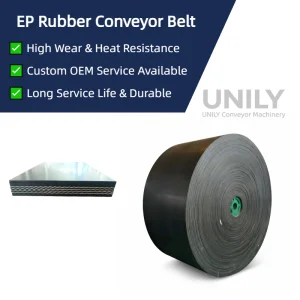
For general purpose heavy material handling, EP (Polyester-Nylon) fabric carcass is standard due to its low elongation, high tensile strength, and excellent resistance to moisture and acid. However, for long overland conveyor belts (over 2 km) used in Vale mining corridors, Steel Cord (ST) carcass is preferred due to minimal splice deformation and lower elastic stretch. For high-speed lines requiring minimal weight and maximum tear prevention, Para-Aramid (Kevlar) plies offer maximum strength-to-weight ratio.
Flame-resistant rubber is usually classified into categories matching friction heat thresholds:
Procuring from China requires clear coordinate frameworks between the manufacturer and the local customs broker (Despachante Aduaneiro). Under the Mercosul tax system, documentation must include precise NCM codes (Nomenclatura Comum do Mercosul). Leading exporters like Dongguan Trakkx Tech Co., Ltd. provide comprehensive packing lists, bills of lading, and certificate of origin documents to ensure fast transit through the channels of Brazilian customs.
Addressing common queries from Brazilian buyers and procurement teams regarding fire-resistant conveyor belting.
Brazilian mining safety is governed by NR 22 guidelines. For underground coal or mineral mines, conveyor belts must conform to self-extinguishing and anti-static test standards such as ISO 340, DIN 22102 (Class S), or MSHA specifications. These guarantee that the belt will not propagate flame or emit toxic black smoke in enclosed spaces.
Dry bagasse is highly combustible and retains trace plant oils. Standard rubber belts can swell and degrade when exposed to these oils, leading to tracking issues and increased friction. For Brazilian sugar processing, we supply hybrid oil-and-flame resistant rubber compounds that resist degradation and prevent spark ignition.
Production lead times for customized flame-resistant belts typically range from 15 to 25 days depending on the volume and width requirements. Ocean transit from Shenzhen or Guangzhou ports to Brazilian ports (Santos, Rio de Janeiro, Paranaguá) averages 35 to 45 days. We provide comprehensive export documentation to ensure quick custom clearances.
Our specialized testing lab carries out flame tests where standard specimens are held in a Bunsen burner flame. Once removed, the time for the flame and glowing parts to extinguish is measured (typically must be under 15 seconds for ISO 340). We also perform surface electrical resistance tests to ensure values remain below 300 MΩ, avoiding electrostatic buildup.
 Trakkx Tech