Advanced conveyor belt systems configured for high-temperature and food-grade operations across Bangkok, Rayong, and Chonburi industrial clusters.
A comprehensive study on compound engineering, regulatory landscapes, and bulk material transport optimization in Southeast Asia.
Thailand's industrial infrastructure is undergoing rapid expansion. Driven by the Eastern Economic Corridor (EEC) initiative, provinces like Chonburi, Rayong, and Chachoengsao have transformed into major global manufacturing and chemical refining hubs. With this growth comes an elevated responsibility to safeguard personnel and physical assets against industrial fires.
In thermal power stations (such as Mae Moh), biomass processing facilities, chemical plants, and deep-pit mines, conveyor systems are the arteries of production. However, moving bulk materials like coal, sulfur, and agricultural waste involves risk. Friction, static electricity, and heat buildup can ignite materials, turning standard rubber conveyors into pathways for fire. Flame-resistant conveyor belts are designed to self-extinguish when the heat source is removed, preventing catastrophic fire propagation.
International operations in Thailand must balance global regulations with local compliance. The Department of Primary Industries and Mines (DPIM) and the Ministry of Industry enforce strict codes for conveyor operations. Key standards include:
Customized material transport solutions designed for Thailand's unique climatic conditions, ambient humidity, and specific sector demands.
Thailand is a global leader in sugar cane, rice husks, and wood pellet biomass energy generation. Bulk storage piles are prone to spontaneous combustion due to internal biological heating. Conveying these dry, fibrous materials requires Class K (Medium-duty flame retardant) and anti-static covers to eliminate ignition risks during high-volume transfers.
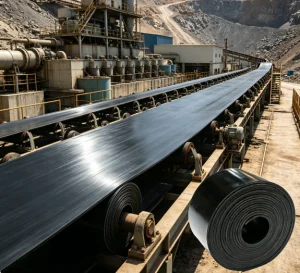
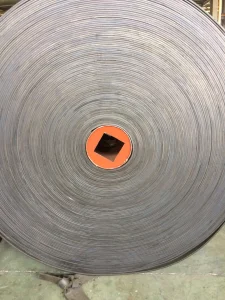
Coal extraction and thermal generation plants require heavy-duty PVC/PVG solid woven belts. In closed galleries and underground mines, dust collection is difficult. Belts must possess antistatic properties to prevent electrostatic discharge, alongside flame resistance to prevent fire spread in confined spaces.
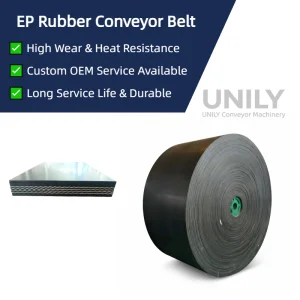
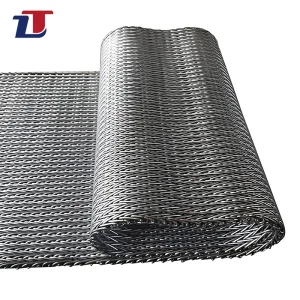
Handling hot sinter, slag, and coke at temperatures exceeding 200°C requires a hybrid: a compound that is both heat-resistant and flame-retardant. Our EP (Polyester-Nylon) fabrics are combined with specialized rubber covers to withstand hot materials without structural degradation or cover blistering.
Standard conveyor belt formulations often rely on chlorinated compounds that release heavy smoke and toxic gases during combustion. To address this, current research focuses on low-smoke, halogen-free (LSZH) flame retardant elastomers. By incorporating micro-encapsulated ammonium polyphosphate and carbon-forming additives, modern conveyor covers form an insulating char layer quickly upon fire contact, reducing smoke density by up to 60% compared to traditional rubber formulations.
In addition, operating in Thailand's tropical climate means exposure to high ambient humidity and UV radiation. Standard flame retardant rubber can degrade over time, leading to micro-cracking and loss of self-extinguishing properties. Our formulations include advanced anti-ozonants and UV stabilizers, ensuring the flame-retardant properties remain stable throughout the operating lifespan of the belt.
Dongguan Trakkx Tech Co., Ltd. delivers high-performance material handling solutions engineered for safety and reliability.
Dongguan Trakkx Tech Co., Ltd. is a professional China conveyor belt manufacturer specializing in industrial material handling and conveying solutions for a wide range of industries worldwide. With years of experience in conveyor technology, we provide reliable, efficient, and customized conveyor systems that help businesses optimize production processes, improve workflow efficiency, and reduce operational costs.
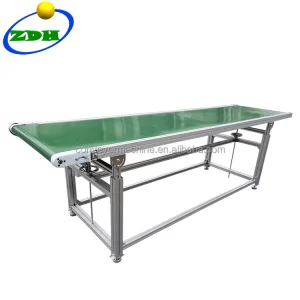
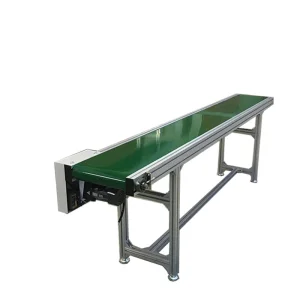
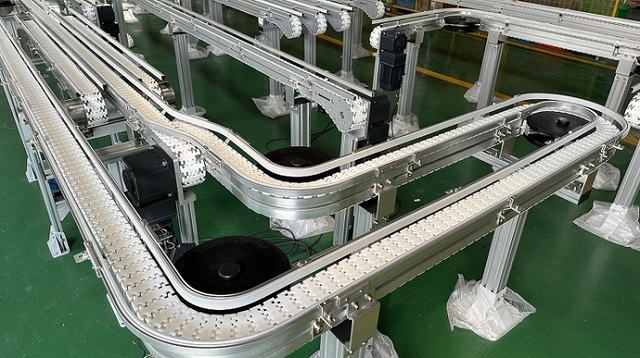
Our product portfolio includes conveyor belts, belt conveyor systems, modular conveyors, roller conveyors, inclined conveyors, assembly line conveyors, packaging conveyors, and customized material handling equipment. Designed to meet the demanding requirements of modern manufacturing environments, our solutions are widely used in logistics, food processing, electronics, automotive, warehousing, packaging, pharmaceuticals, and industrial production facilities.
At Trakkx Tech, we combine engineering expertise with advanced manufacturing capabilities to deliver high-performance conveying systems tailored to specific customer applications. Our experienced technical team works closely with clients throughout the entire process, from project consultation and system design to prototyping, production, installation support, and after-sales service.
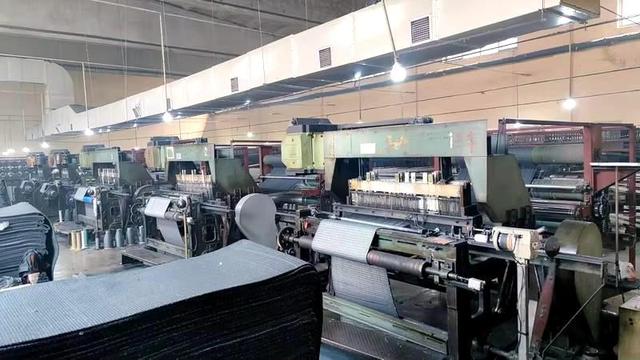
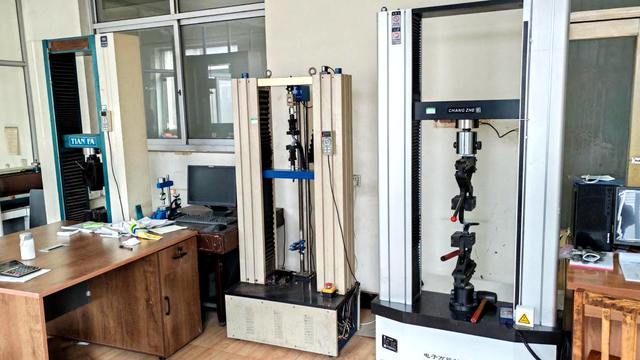
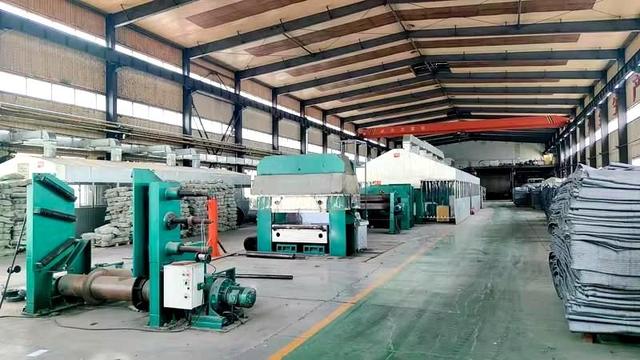
Our manufacturing facility is equipped with modern production equipment and strict quality control systems to ensure durability, reliability, and consistent performance. Every conveyor solution undergoes comprehensive testing and inspection before delivery, helping customers achieve smooth and uninterrupted material handling operations.
In addition to standard products, Dongguan Trakkx Tech Co., Ltd. offers flexible OEM and ODM services for global distributors, system integrators, equipment manufacturers, and industrial brands. We are committed to providing innovative conveying solutions that adapt to evolving industry needs and support long-term business growth.
Serving customers across North America, Europe, Southeast Asia, the Middle East, and other international markets, Trakkx Tech has established a reputation for quality, efficiency, and customer-focused service. Our mission is to become a trusted global partner for advanced conveyor belt systems and intelligent material handling solutions.
Integration of real-time monitoring and smart materials to enhance safety and efficiency in industrial material handling.
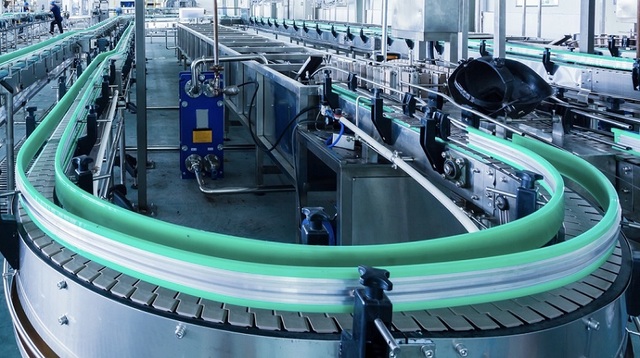
Future conveyor networks will transition from passive transport elements to active monitoring components. Embedded temperature sensors and high-frequency RFID chips track localized belt strain and hot spots in real-time, feeding diagnostic data into central factory systems to trigger automated shut-offs before an ignition point is reached.
Driven by environmental initiatives, research is shifting toward bio-based polymers sourced from natural latex and recycled plastics. These materials are combined with mineral flame retardants like magnesium hydroxide (MDH), reducing the environmental footprint of decommissioned belts while maintaining structural integrity.
With these innovations, modern conveying systems can operate at higher speeds and steeper inclines without compromising safety. Selecting the correct reinforcement carcass (EP, Nylon, or Aramid) paired with a specialized top cover ensures optimized operational efficiency and extended service life under demanding conditions.
Expert answers addressing the selection, maintenance, and international compliance of flame-resistant conveyor belts.
A: PVC (Polyvinyl Chloride) solid woven belts are suitable for dry, indoor applications (such as agricultural grain silos and warehouse logistics) because they offer good resistance to oils and acids, but have lower abrasion resistance. PVG (Rubber-nitrile-butadiene modified PVC) features a rubberized top cover that provides improved grip and wear resistance on steep inclines. Heavy-duty Rubber compounds (such as SBR or Neoprene) are preferred for outdoor, high-impact operations like open-pit quarrying and coal handling due to their superior tensile strength and resilience under mechanical stress.
A: Local installations are subject to TIS 224 standards. However, multinational projects and safety-critical industries (such as oil, gas, and chemical refineries) often require compliance with ISO 340, EN 12882, or Class K/S parameters under DIN 22109. Underground mining typically references the MSHA standard for fire propagation safety.
A: As a conveyor belt runs over metal pulleys and idlers, friction generates static electricity. In environments containing combustible dust (such as grain flour, sugar, or coal dust), a static discharge can trigger dust explosions. Antistatic treatment (complying with ISO 284) ensures electrical charges dissipate safely through the system framework.
A: Standard flame-resistant belts can degrade when transporting materials at temperatures above 80°C, causing the cover rubber to harden and lose its fire-retardant properties. For high-temperature materials like cement clinker, sinter, or foundry sand, a specialized heat-resistant carcass with a flame-retardant rubber cover is required to prevent premature degradation.
Explore our complete range of specialized industrial, mining, and heat-resistant conveying solutions for global operations.
 Trakkx Tech