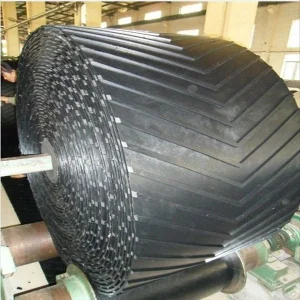
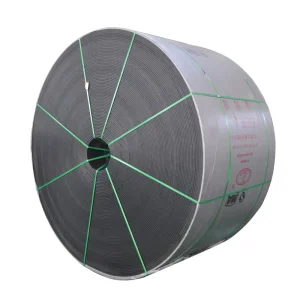
Engineered for maximum resistance against synthetic, mineral, and vegetable oils. Specially configured to support Hamburg's industrial hubs.
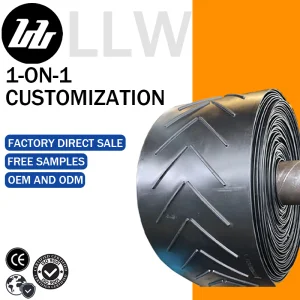
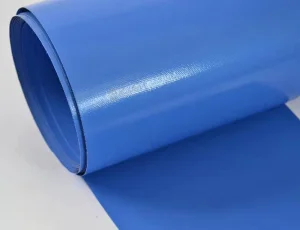
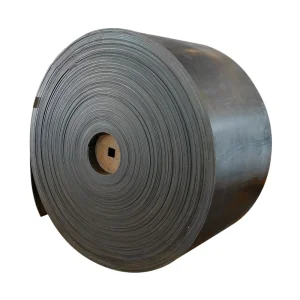
Hamburg stands as one of Europe’s most critical logistics and industrial centers. Anchored by the Port of Hamburg (Hafen Hamburg), Germany’s largest seaport, the region operates as a gateway for global bulk cargo transport, oilseed processing, biomass logistics, and mechanical recycling. The local handling of agricultural grains, scrap metal, petrochemicals, and processed feeds puts standard rubber conveyor belts under immense chemical strain.
In standard operations, standard grade rubber absorbs lipids, hydrocarbons, and organic fats. This absorption initiates a destructive chemical sequence: the rubber matrix swells, the cover layer separates from the fabric plies, friction coefficient drops, and the entire system experiences catastrophic downtime. In Hamburg's intensive 24/7 port terminals and recycling yards, such failures are highly costly.
To mitigate these failure modes, modern industrial sites across Hamburg must transition to custom-engineered Oil Resistant (OR) Conveyor Belts. Whether dealing with vegetable lipids in ADM crushing plants or synthetic oils in structural machinery, deploying the correct grade of elastomer is non-negotiable for system efficiency and compliance with EU environmental directives.
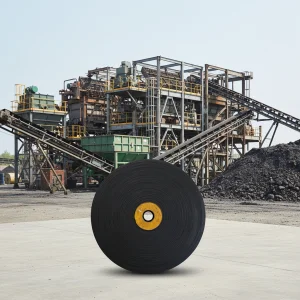
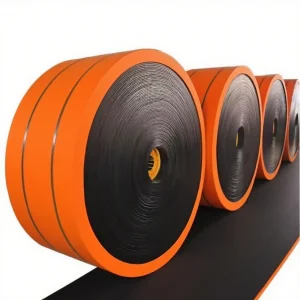
Get Technical SupportHigh-capacity grain, coal, and scrap terminals require heavy-duty bulk handling belts that can resist organic fats and marine weather conditions without degrading.
Municipal waste, plastic sorting, and biomass plants run on conveyor lines processing contaminated materials loaded with diverse synthetic and organic grease.
Understanding the molecular science that prevents swelling, cracking, and premature belt failure under constant oil exposure.
Oil resistance is not a surface coating; it is a fundamental molecular property. Different elastomer compounds exhibit distinct resistance levels depending on whether they are exposed to mineral oils, vegetable fats, or highly aggressive chemical solvents.
Highly resistant to petroleum-based oils, diesel, fuel, and mineral grease. Essential for machinery recovery, drill cuttings handling, and heavy industrial applications. The higher the Acrylonitrile (ACN) content, the stronger the oil barrier.
Outstanding mechanical wear resistance combined with absolute chemical inertia to animal fats and vegetable oils. Primarily utilized in food processing lines, bakeries, and high-throughput sorting packaging systems.
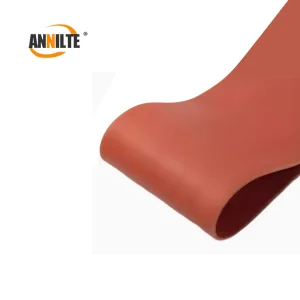
Capable of enduring extreme thermal thresholds (-70°C to +260°C) while remaining completely impervious to oils, acids, and sticky sugars. Ideal for deep frying, baking, and chemical processing lines.
| Elastomer Compound | Resistance to Mineral Oils | Resistance to Animal & Veg Fats | Max Operational Temp | Primary Hamburg Application Sector |
|---|---|---|---|---|
| NBR (Nitrile Butadiene) | Excellent (High ACN) | Good | 120°C | Heavy Port Logistics, Recycling Yards, Drill Cuttings |
| TPU (Polyurethane) | Good | Outstanding | 90°C | Food Production Lines, Packaging Plants, Conveyor Sortation |
| PTFE (Teflon) | Outstanding | Outstanding | 260°C | Industrial Bakeries, High-Heat Food & Chemical Lines |
| Custom PVC (Plasticized) | Moderate | Moderate-Good | 80°C | Standard Assembly Lines, Non-abrasive Sorting Facilities |
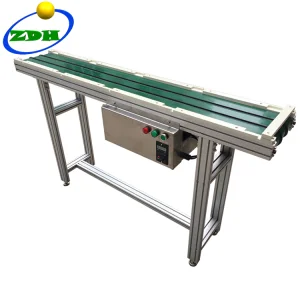
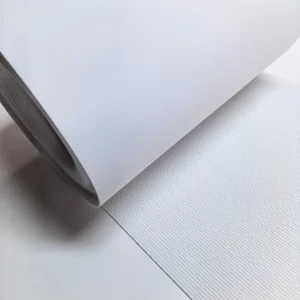
Optimized for precision positioning, clean-room environments, and light industrial handling in Hamburg.
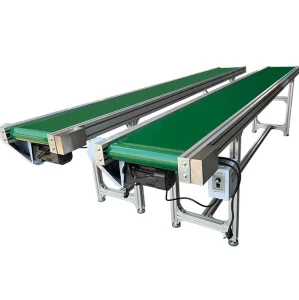
Industrial procurement in Germany, particularly within Hamburg's strictly monitored municipal and environmental zones, demands absolute alignment with safety regulations. We manufacture our oil-resistant rubber conveyor belts according to DIN 22102 standards, specifically mapping to categories G (oil resistant) and K (extra oil/solvent resistant).
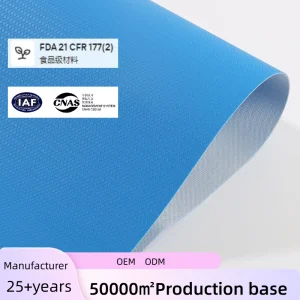
Furthermore, all polyurethane (PU) and PTFE conveying configurations designated for the German food industry align with the latest EC 1935/2004 framework and FDA (Food and Drug Administration) regulations. Our chemical compounds are thoroughly tested to confirm they do not leach plasticizers, phthalates, or dangerous chemicals into transported consumables.
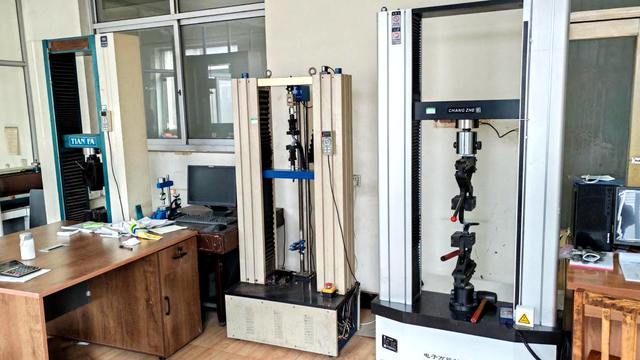
By partnering with global manufacturing entities like Dongguan Trakkx Tech Co., Ltd., Hamburg businesses gain direct factory-level pricing without sacrificing the stringent quality required by German engineering departments. We perform meticulous chemical swell test routines using ASTM oils to verify belt integrity before shipping.
Download Technical WhitepaperPerfect for materials containing moderate concentrations of animal fats and vegetable oils, such as grain handling, fertilizer shipping, and biomass processing.
Designed for exposure to mineral oils, lubricants, heavy fuels, and aggressive chemical processing environments. Prevents swelling in high-load recycling centers.
Our manufacturing protocols comply with European chemicals regulations, guaranteeing that no restricted hazardous materials are deployed in your production environment.
How AI manufacturing, sustainable polymers, and real-time monitoring are reshaping conveyor technology for Hamburg's heavy industry.
The future of materials handling centers on resource efficiency. Hamburg’s climate goals push bulk cargo operators to minimize power usage. By integrating Low Indentation Rolling Resistance (LRR) bottom covers into our oil-resistant belt designs, we help terminal operators reduce the electrical energy consumption of long-distance conveyor drives by up to 30%.
In tandem, we are developing bio-derived polyurethane elastomers that offer identical oil resistance to petroleum products while lowering the carbon footprint of production. Simultaneously, smart conveyor belts embedded with RFID sensors monitor carcass thickness, compound swelling, and thermal thresholds in real time, alerting maintenance managers before a mechanical failure can occur.
Quick answers to complex technical questions surrounding oil-resistant conveyor belts and local German operations.
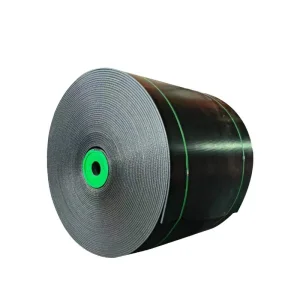
Heavy-duty, structured, and steel-reinforced conveyor belt options for Hamburg's complex processing facilities.
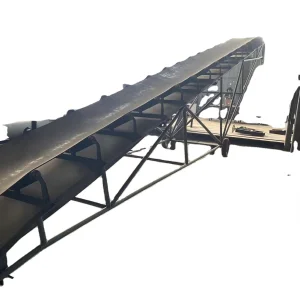
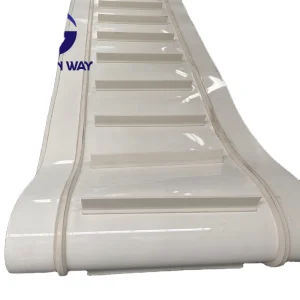
Dongguan Trakkx Tech Co., Ltd. is a professional China conveyor belt manufacturer specializing in industrial material handling and conveying solutions for a wide range of industries worldwide. With years of experience in conveyor technology, we provide reliable, efficient, and customized conveyor systems that help businesses optimize production processes, improve workflow efficiency, and reduce operational costs.
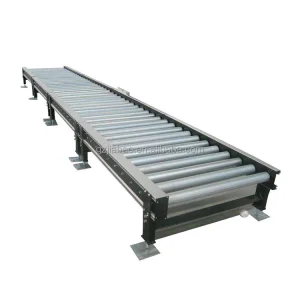
Our product portfolio includes conveyor belts, belt conveyor systems, modular conveyors, roller conveyors, inclined conveyors, assembly line conveyors, packaging conveyors, and customized material handling equipment. Designed to meet the demanding requirements of modern manufacturing environments, our solutions are widely used in logistics, food processing, electronics, automotive, warehousing, packaging, pharmaceuticals, and industrial production facilities.
At Trakkx Tech, we combine engineering expertise with advanced manufacturing capabilities to deliver high-performance conveying systems tailored to specific customer applications. Our experienced technical team works closely with clients throughout the entire process, from project consultation and system design to prototyping, production, installation support, and after-sales service.
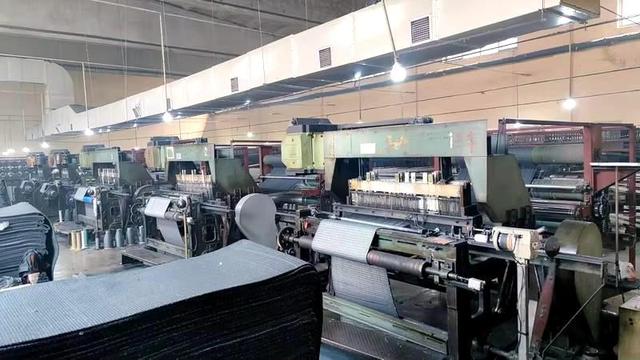
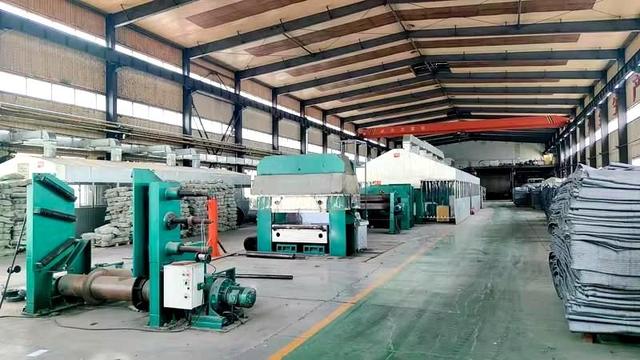
Our manufacturing facility is equipped with modern production equipment and strict quality control systems to ensure durability, reliability, and consistent performance. Every conveyor solution undergoes comprehensive testing and inspection before delivery, helping customers achieve smooth and uninterrupted material handling operations.
In addition to standard products, Dongguan Trakkx Tech Co., Ltd. offers flexible OEM and ODM services for global distributors, system integrators, equipment manufacturers, and industrial brands. We are committed to providing innovative conveying solutions that adapt to evolving industry needs and support long-term business growth.
Serving customers across North America, Europe, Southeast Asia, the Middle East, and other international markets, Trakkx Tech has established a reputation for quality, efficiency, and customer-focused service. Our mission is to become a trusted global partner for advanced conveyor belt systems and intelligent material handling solutions.
Contact Trakkx Tech
Stop letting belt degradation and unexpected maintenance intervals compromise your production targets. Speak with a Trakkx Tech engineer to formulate a custom compound configuration tailored to your chemical parameters and structural requirements.
Request a Custom Quotation Now Trakkx Tech