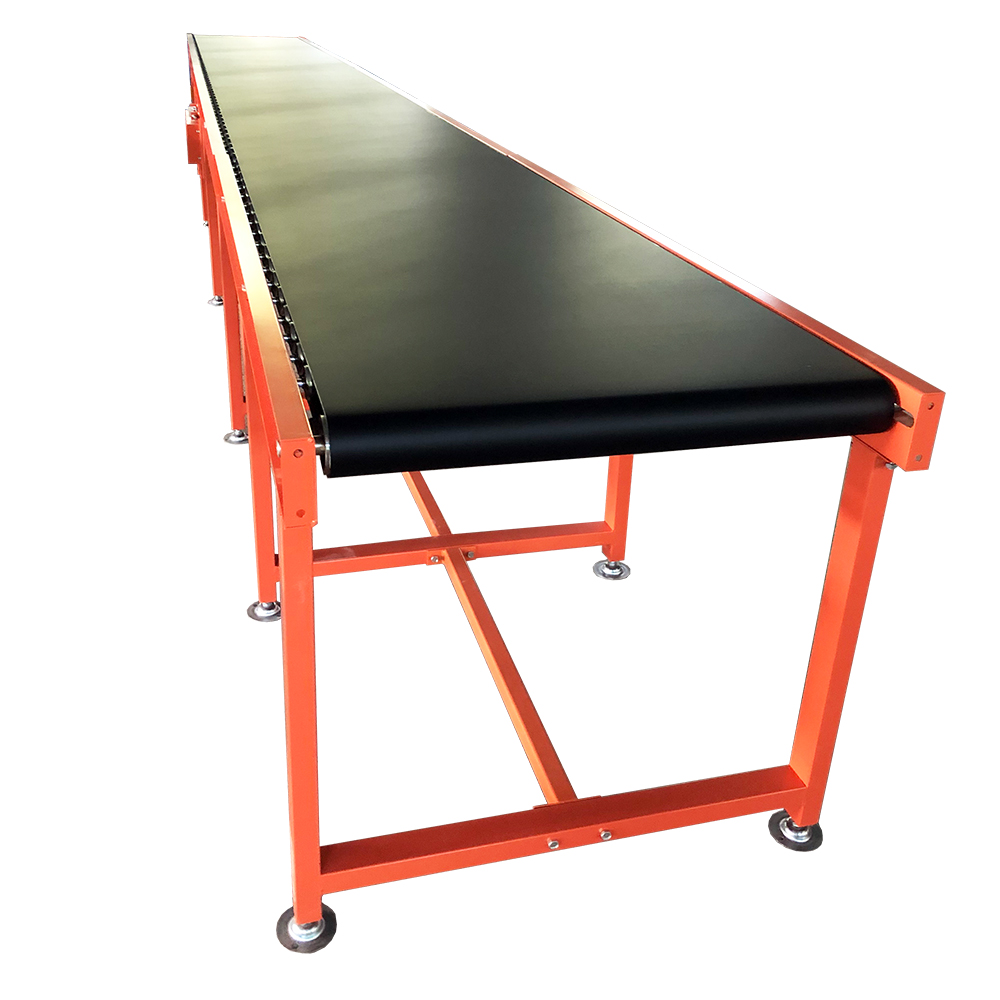
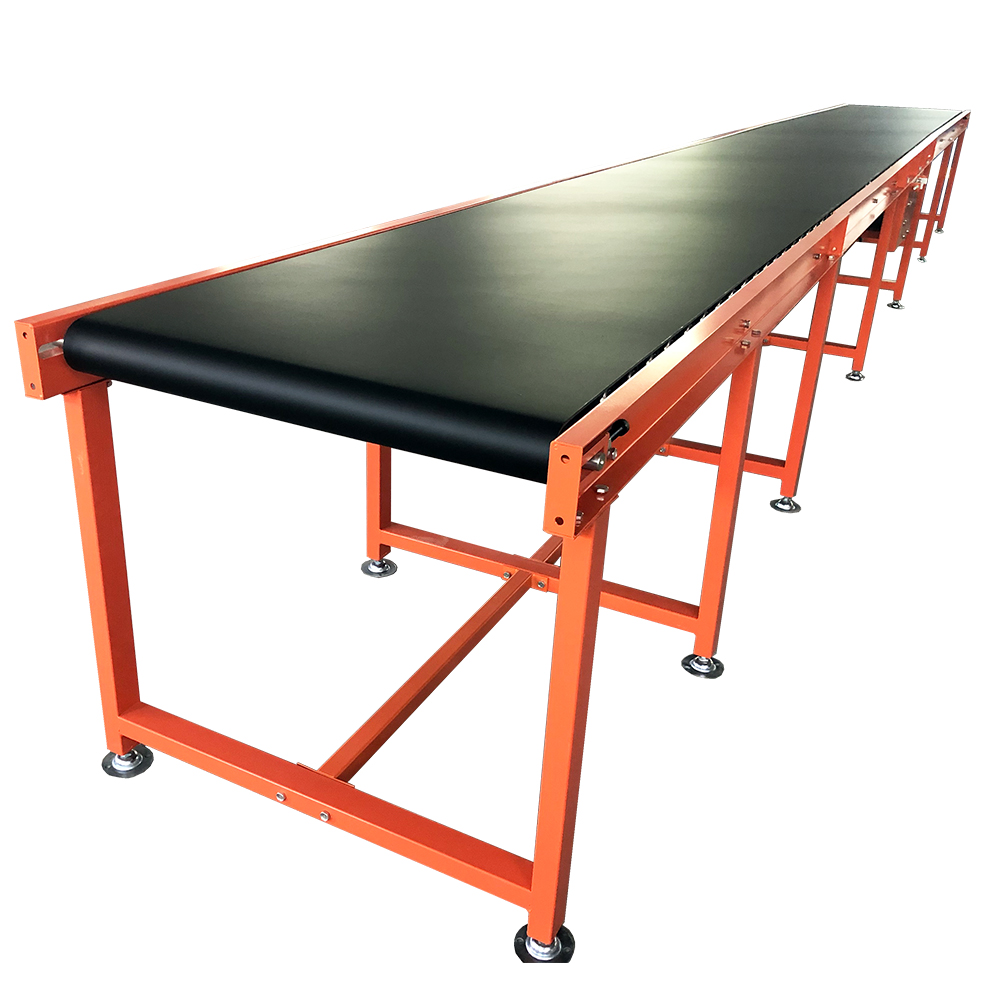
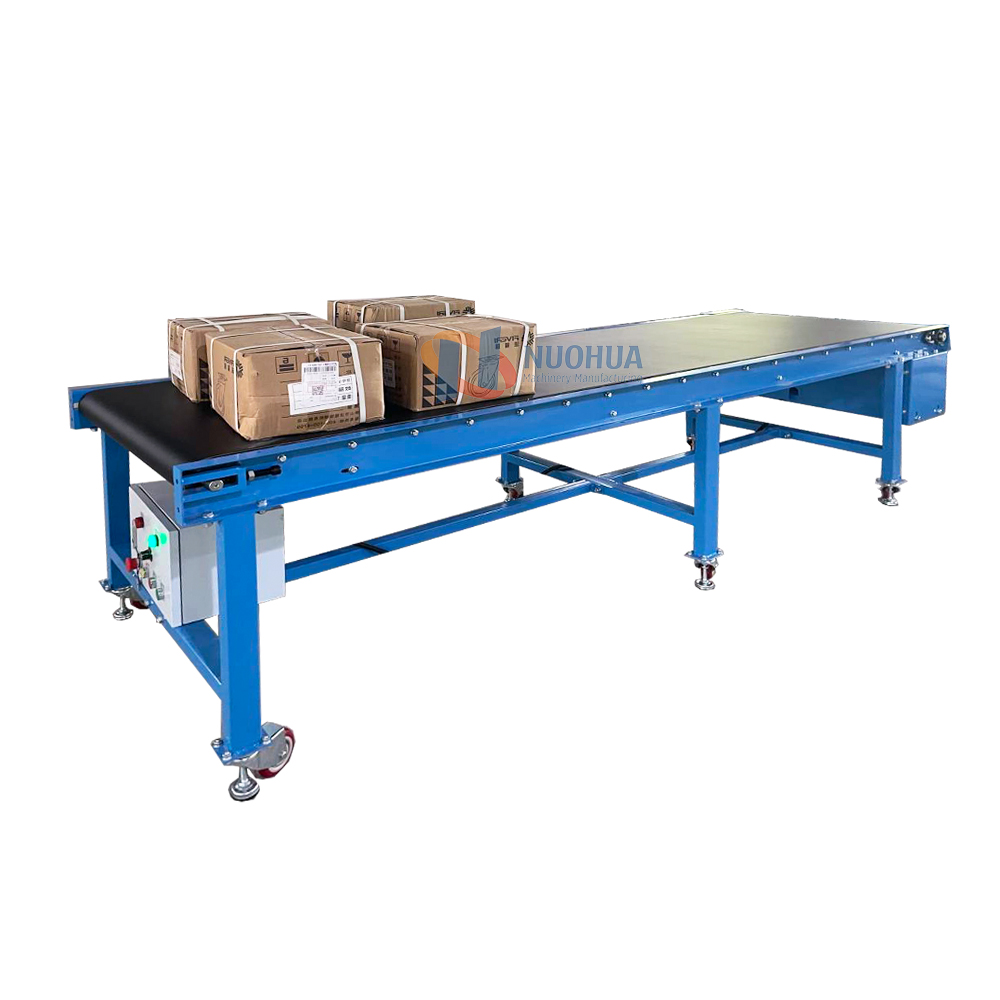
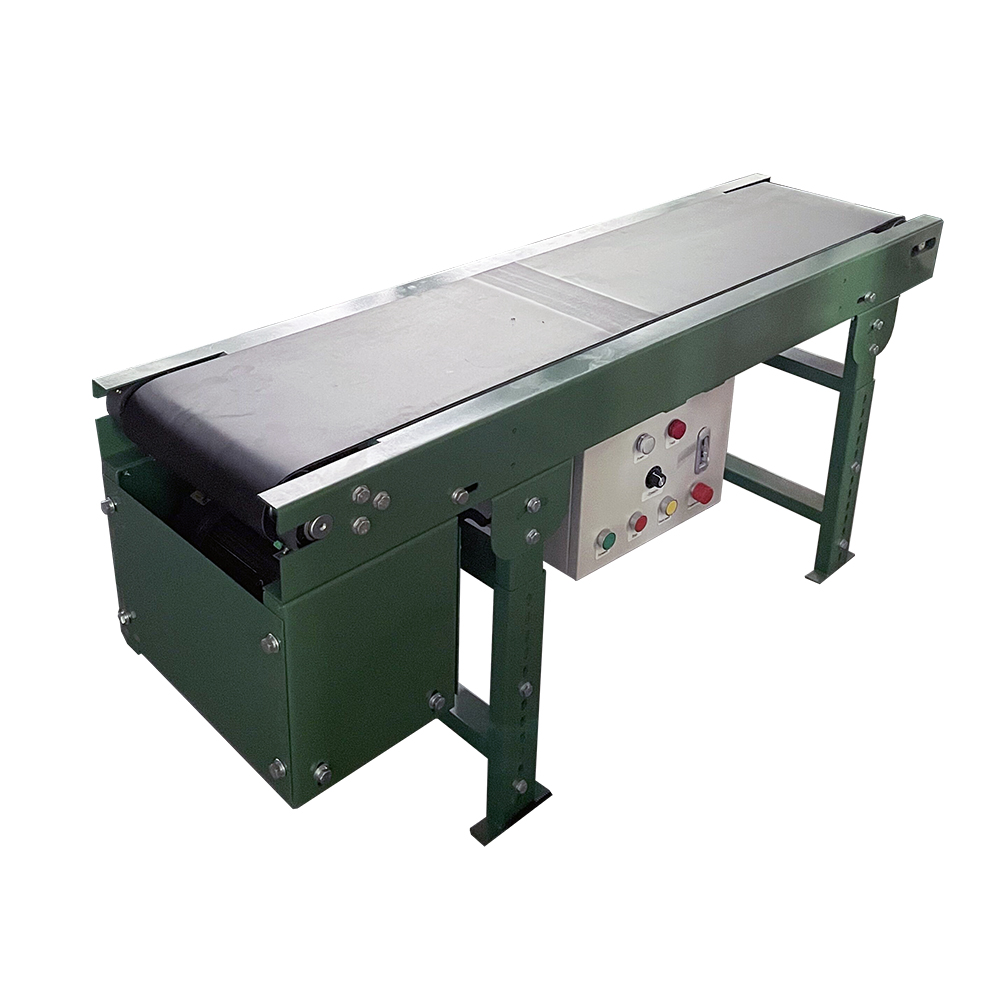
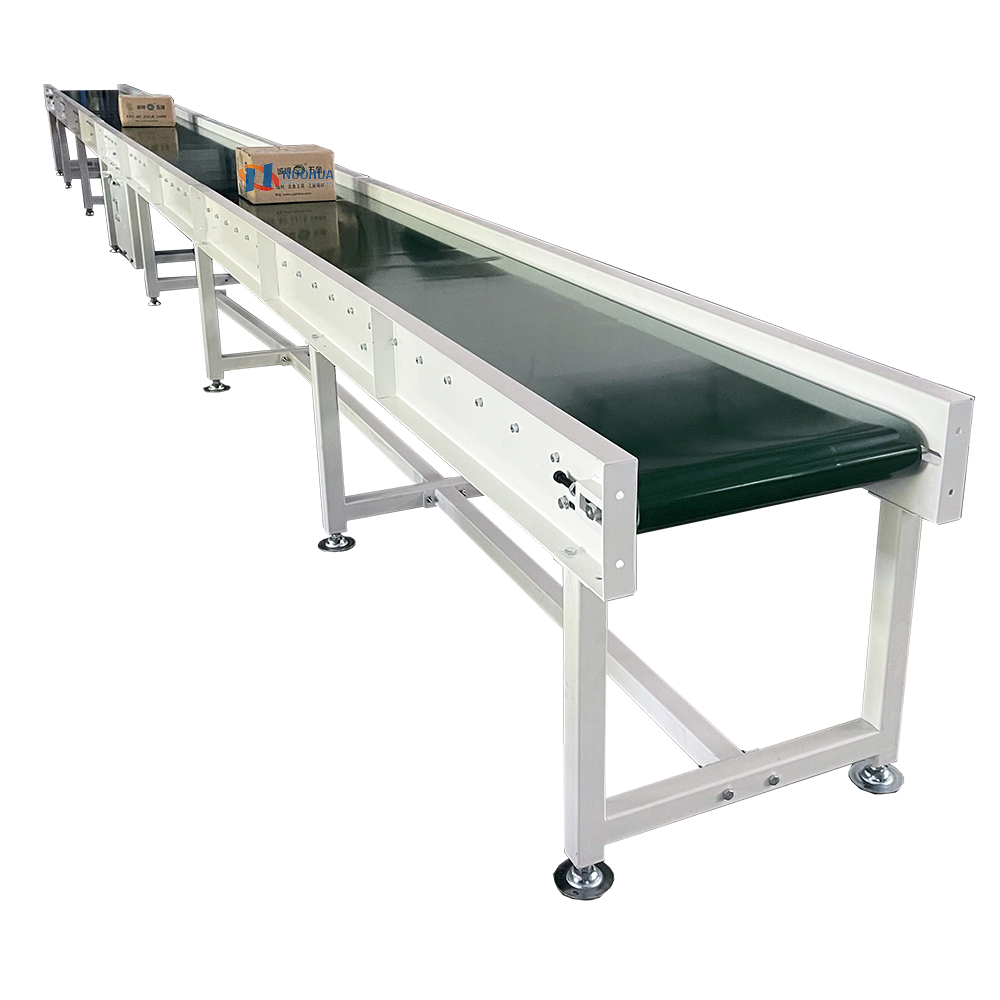
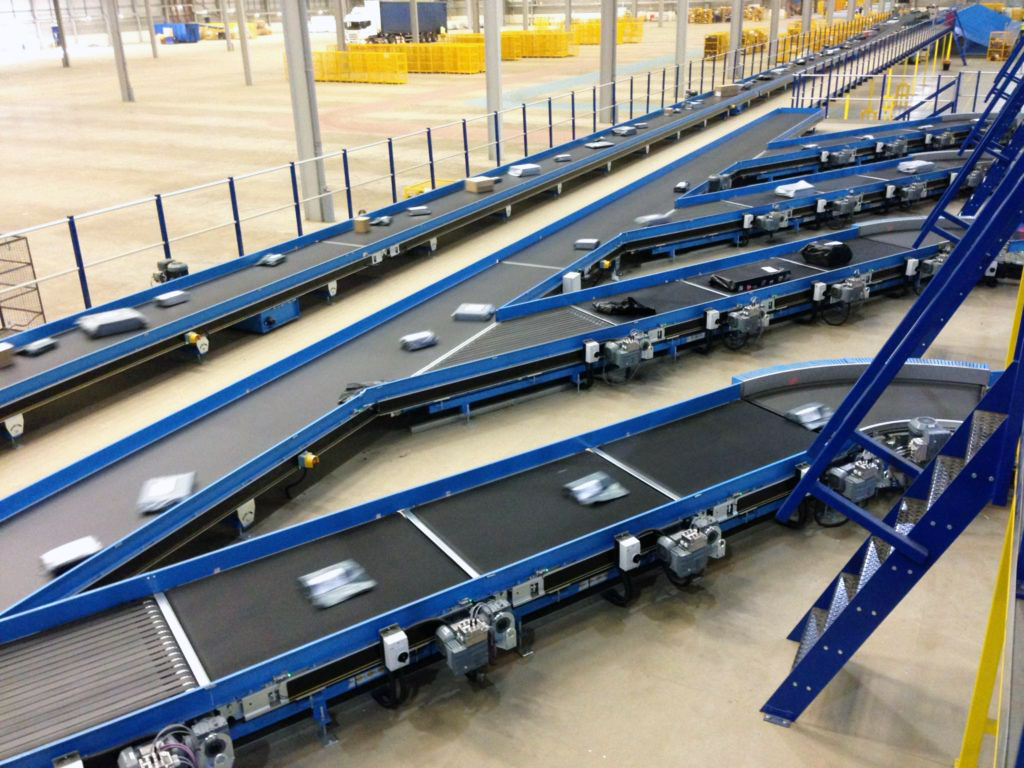
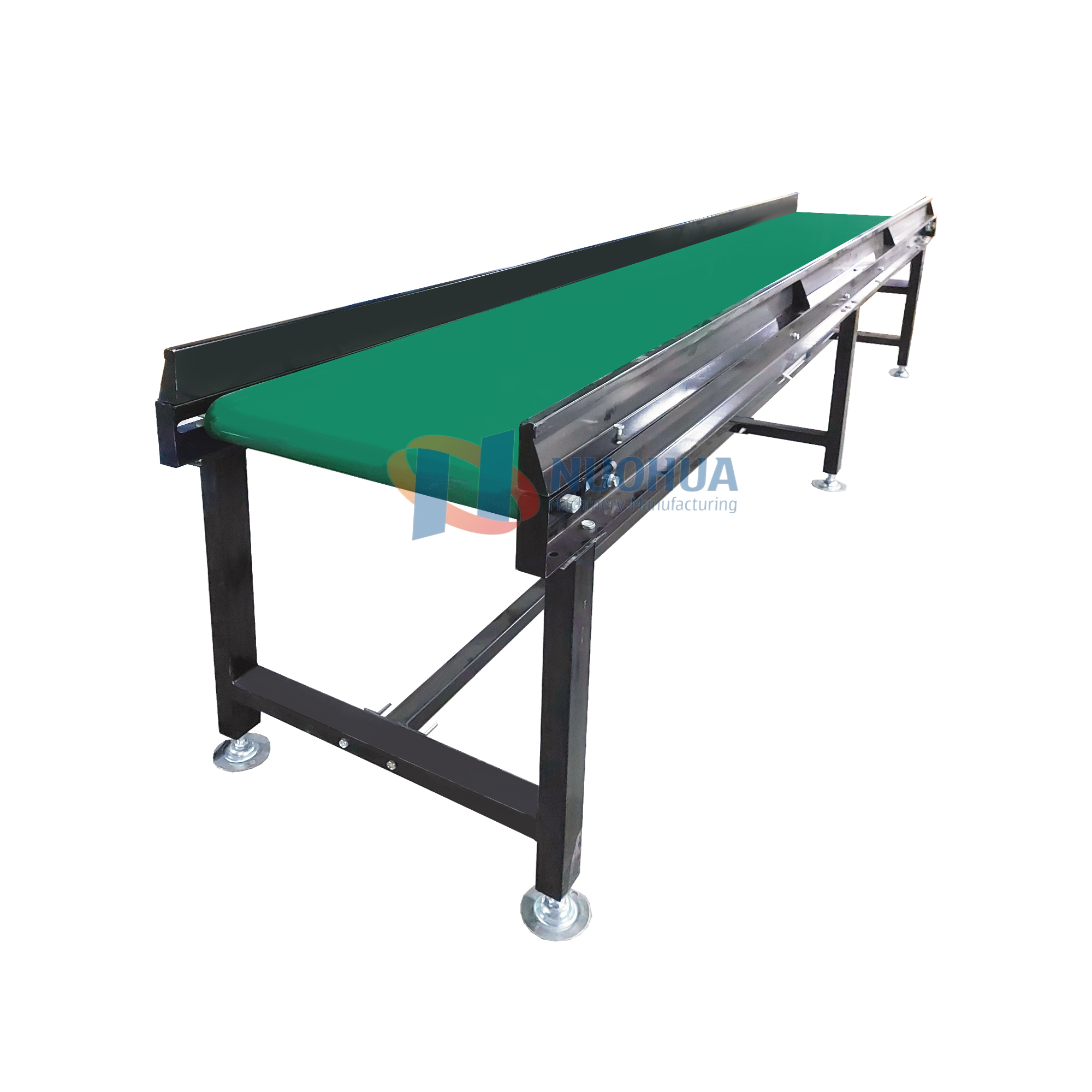
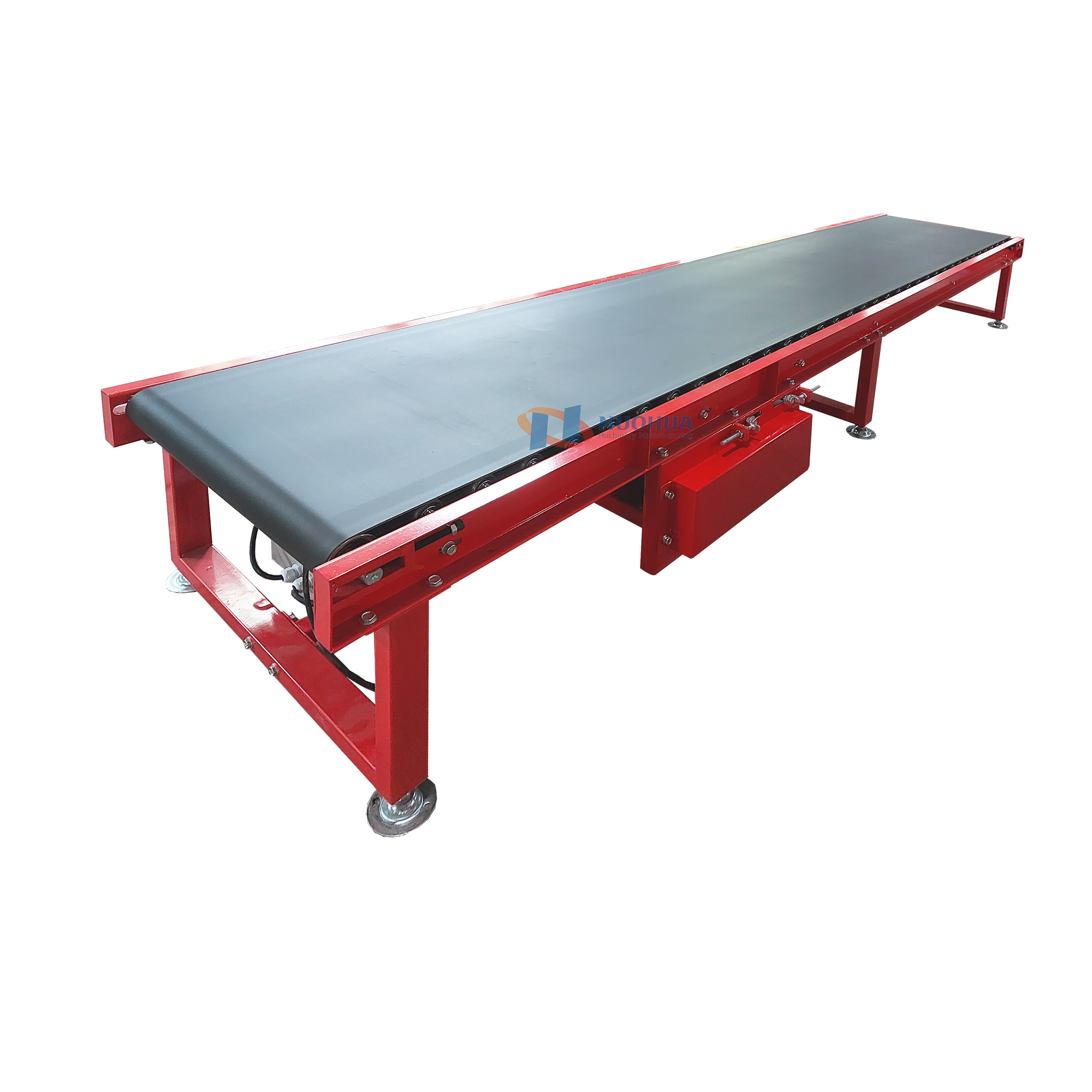
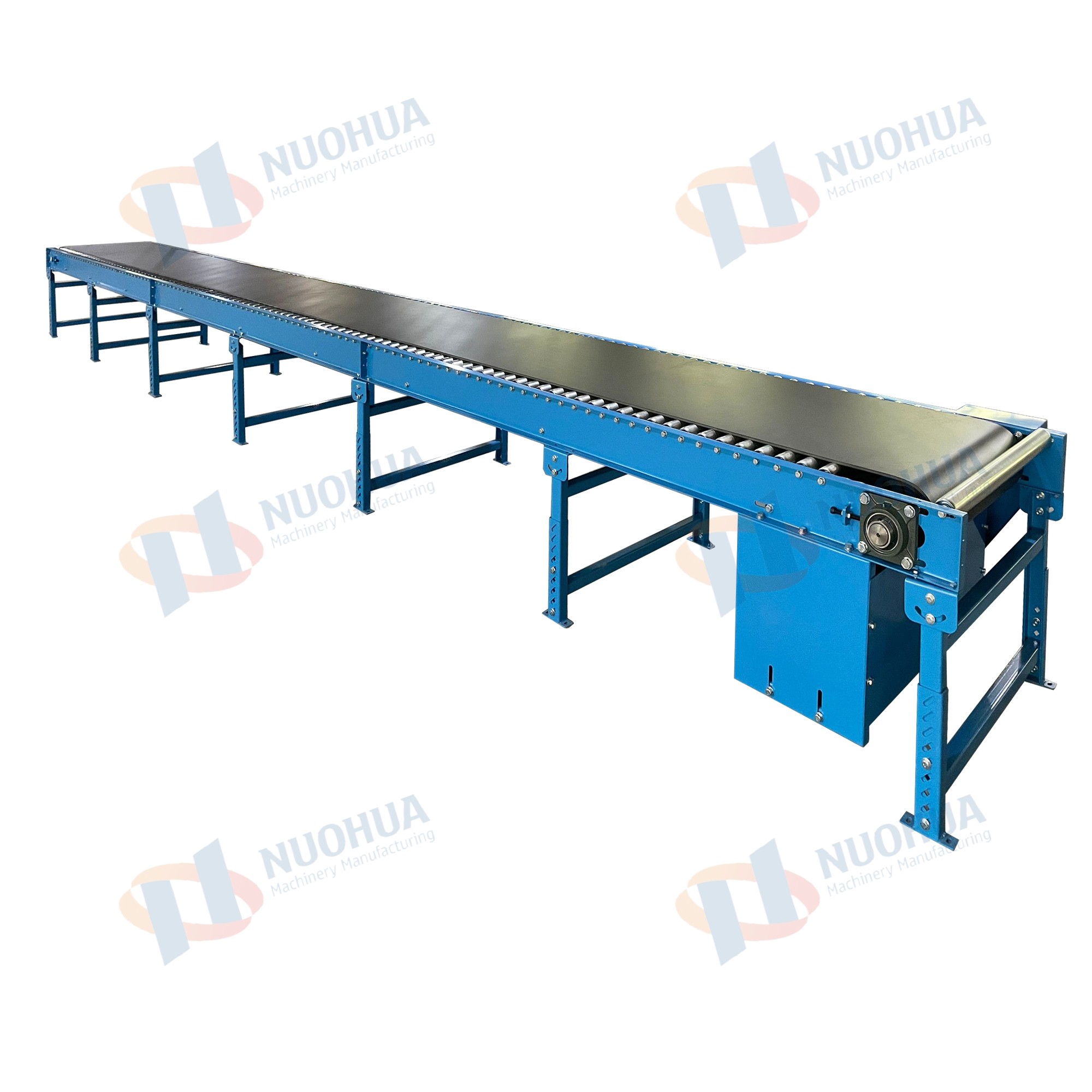
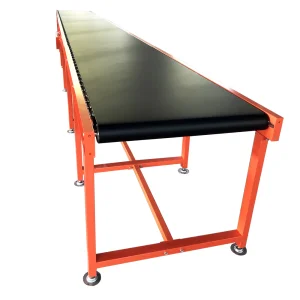
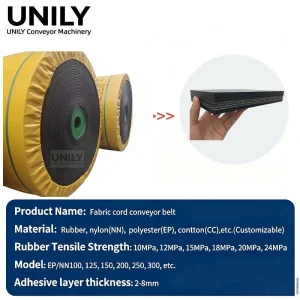
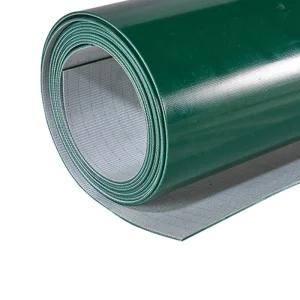
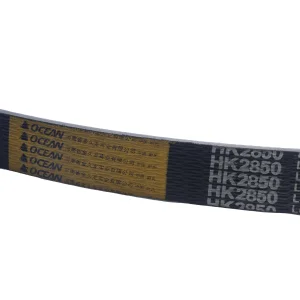
A belt conveyor is an efficient system for transporting or transferring materials, goods, or even people from one location to another. Unlike other traditional conveying systems that may rely on chains, spirals, or hydraulics, a belt conveyor uses a continuous belt as its main mechanism for movement. This setup involves a loop of flexible material held by rollers, actuated by an electric motor.
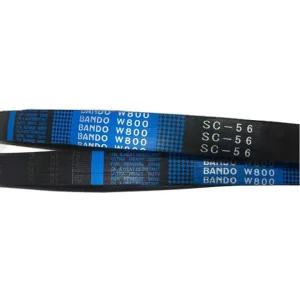
The variety of items transported can be quite broad, and so the belt material in these conveyor systems must also vary. Generally, these belts are made from polymers or rubber, tailored to meet the specific demands of the application.
Industry Applications
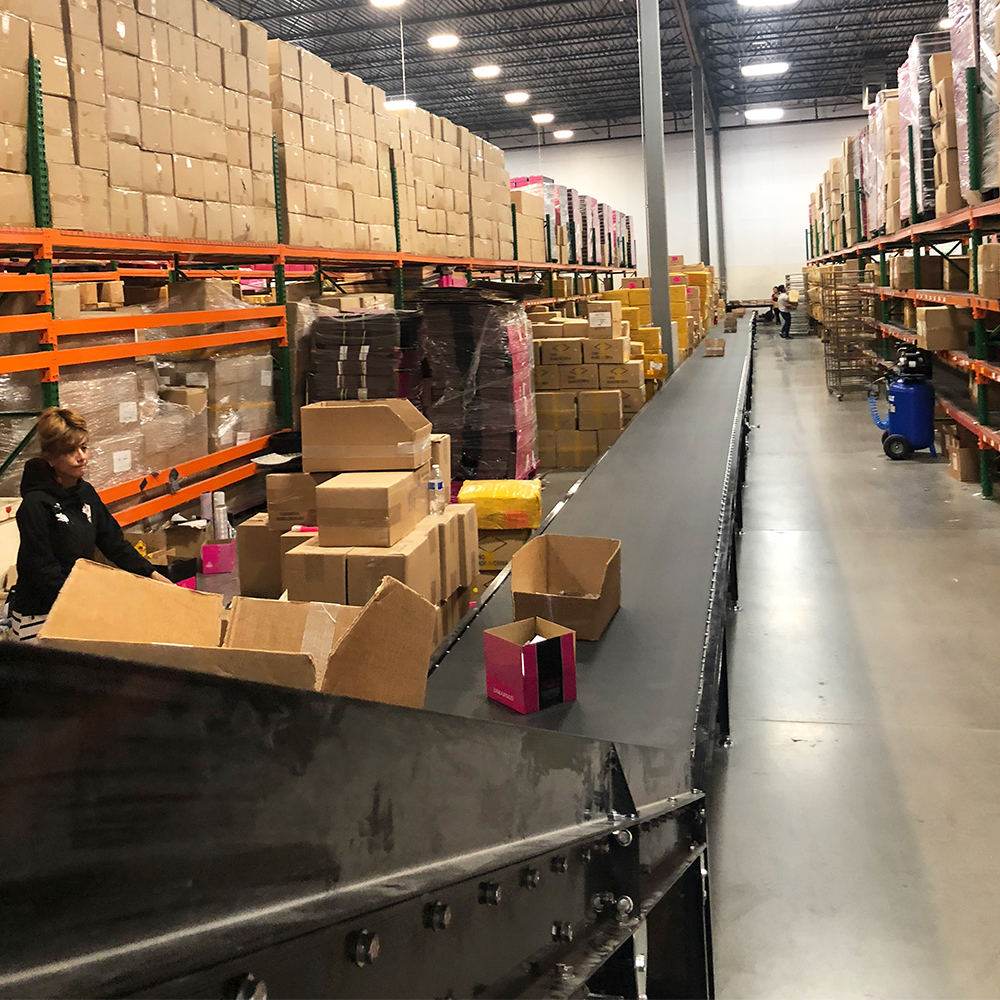
Material Handling: Commonly used in warehouses, distribution centers, and manufacturing facilities for transporting goods.
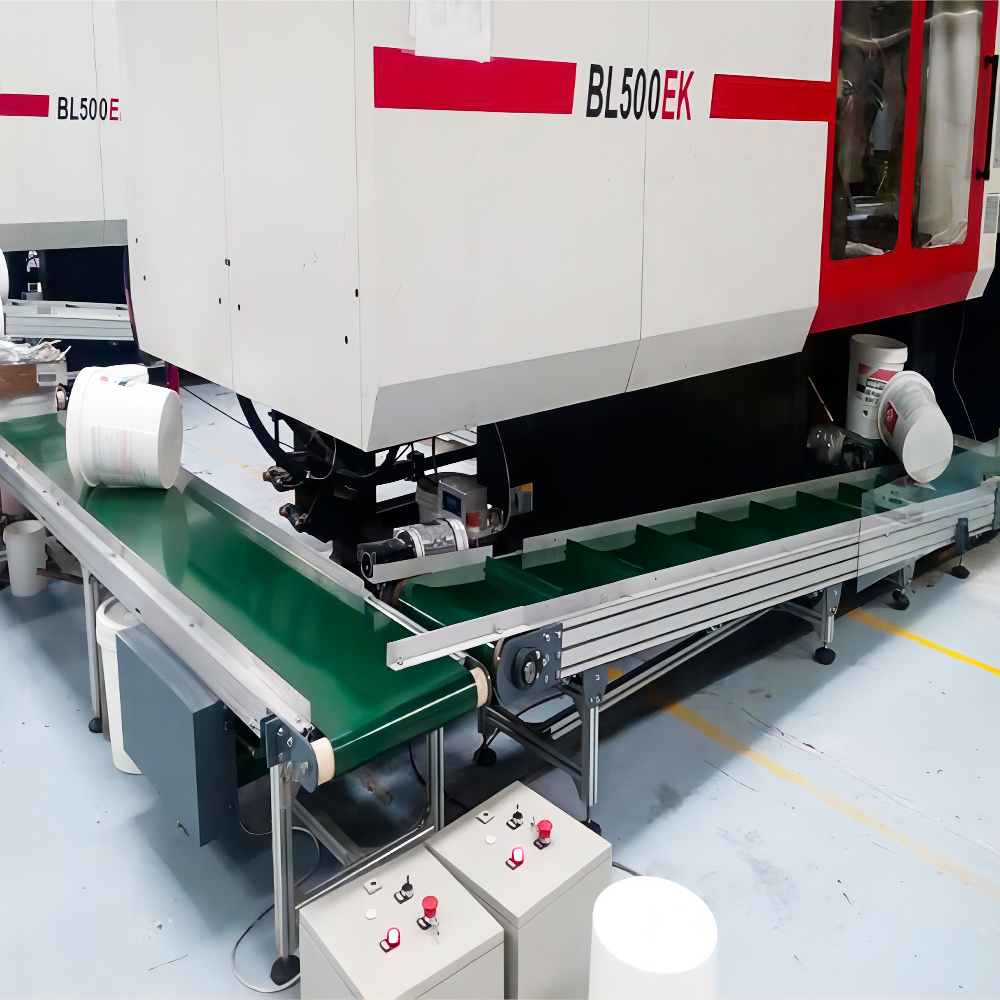
Automated Systems: Integrated into automated material handling systems where precise movement and control are essential.
Packaging Lines: Useful for moving products through various stages of packaging, ensuring efficient workflow.
Textile and Paper Industries: Often found in applications where consistent and gentle handling of materials is required.
Conveyor Types
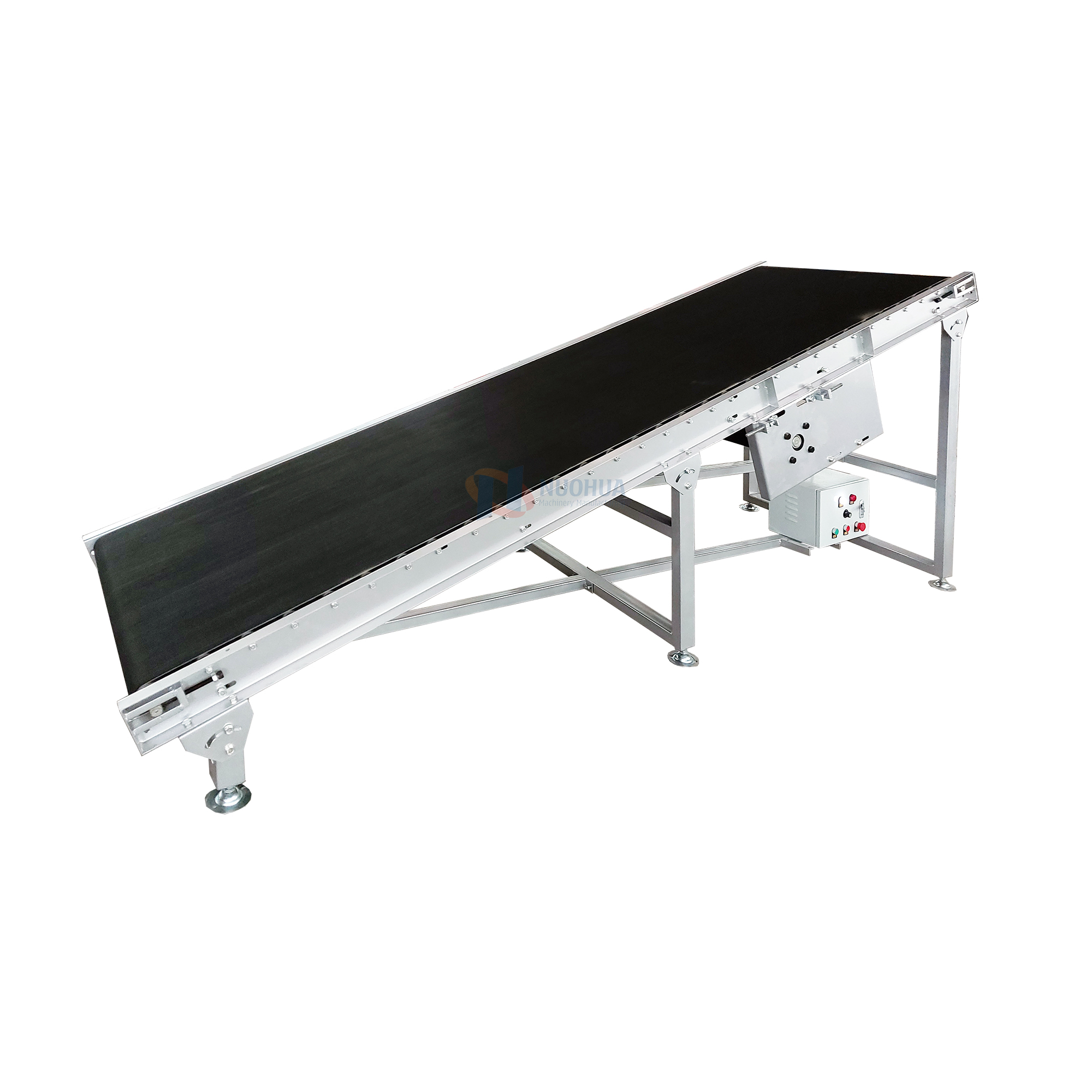
Flat Belt Conveyors
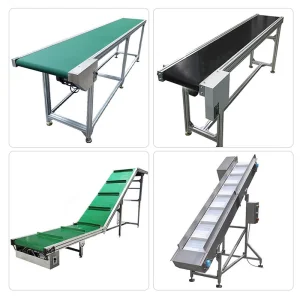
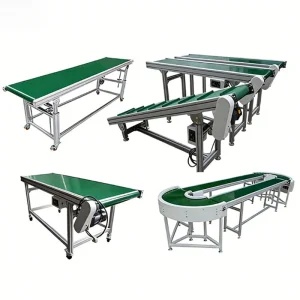
The flat belt conveyor is one of the most commonly used types of conveyors. It is typically employed to transport items within a facility. Internal conveyance relies on a series of powered rollers or pulleys to move the belt.
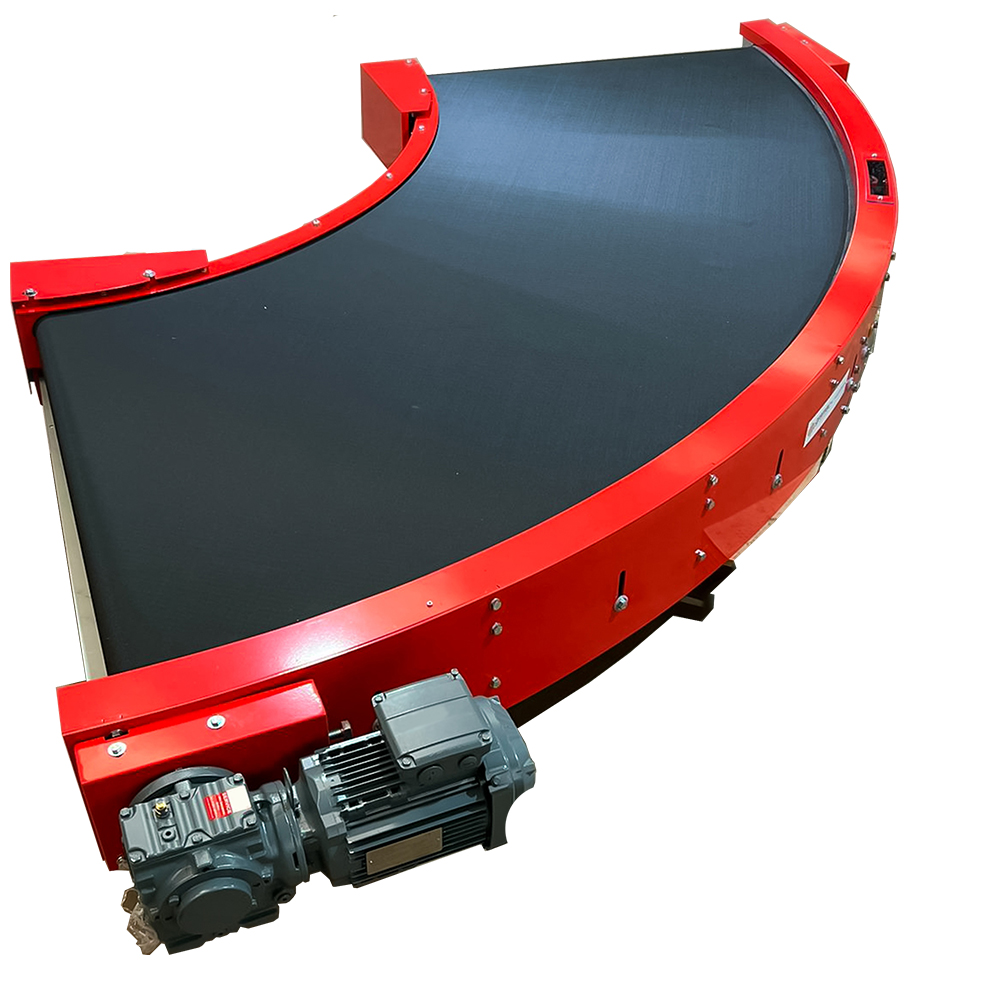
Curved Belt Conveyors
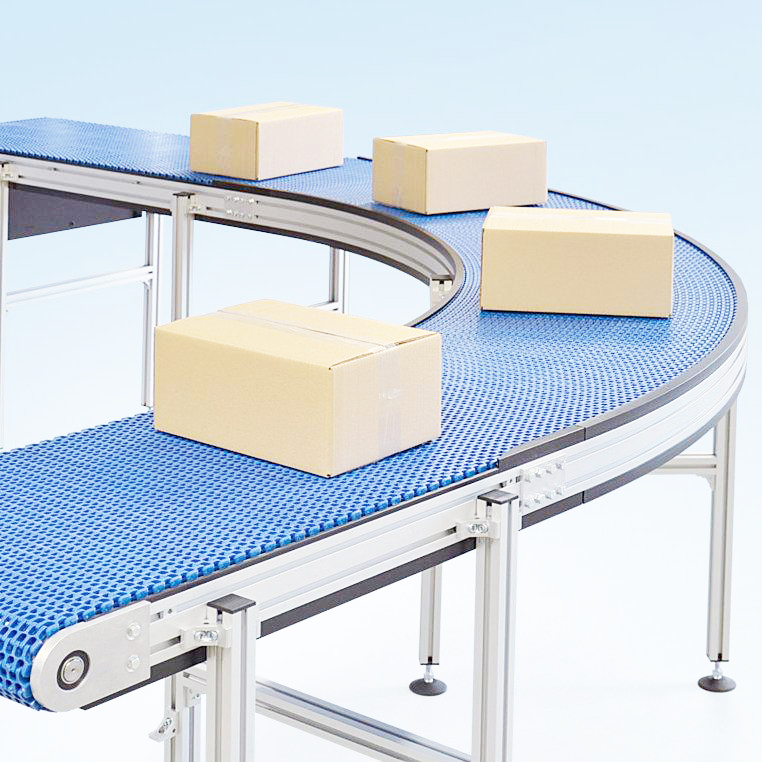
Powered curve belt useful for when product orientation is required through the curve. The belt prevents items from drifting and sliding through the turn unlike roller curves.
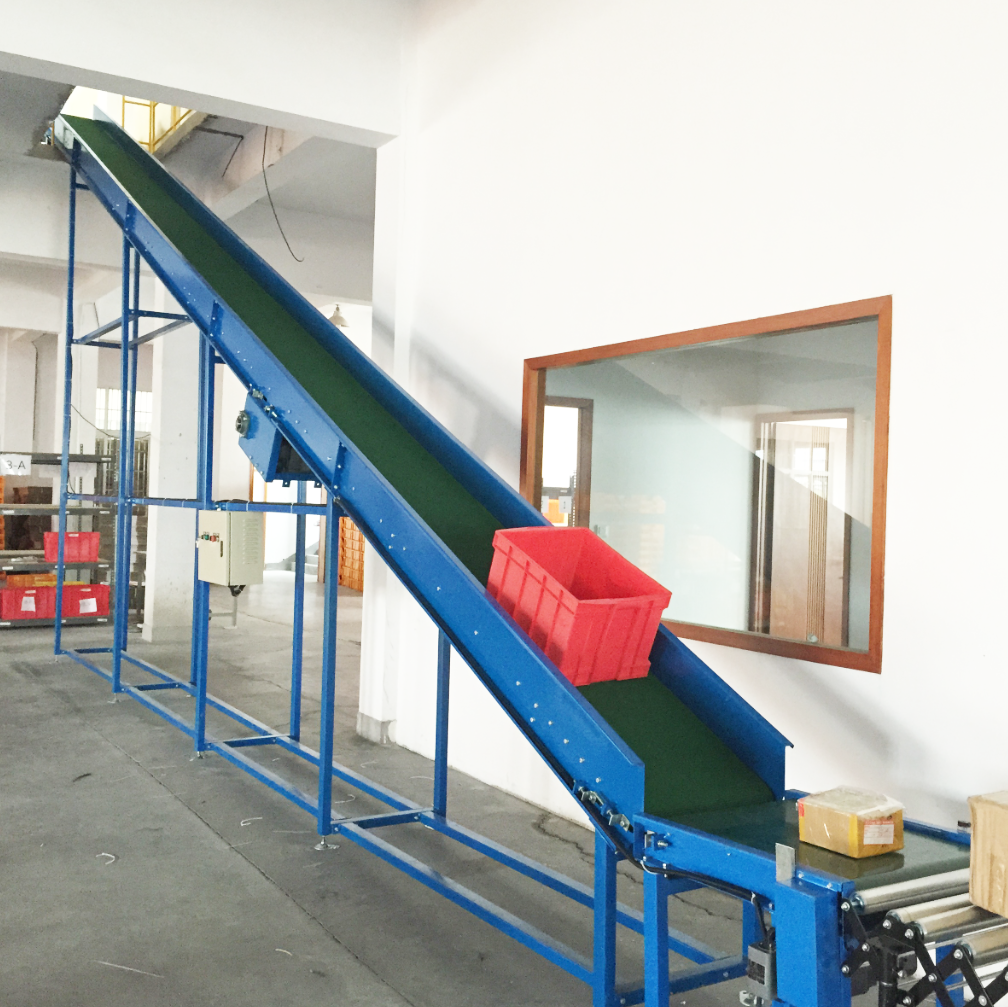
Incline and Decline Conveyors
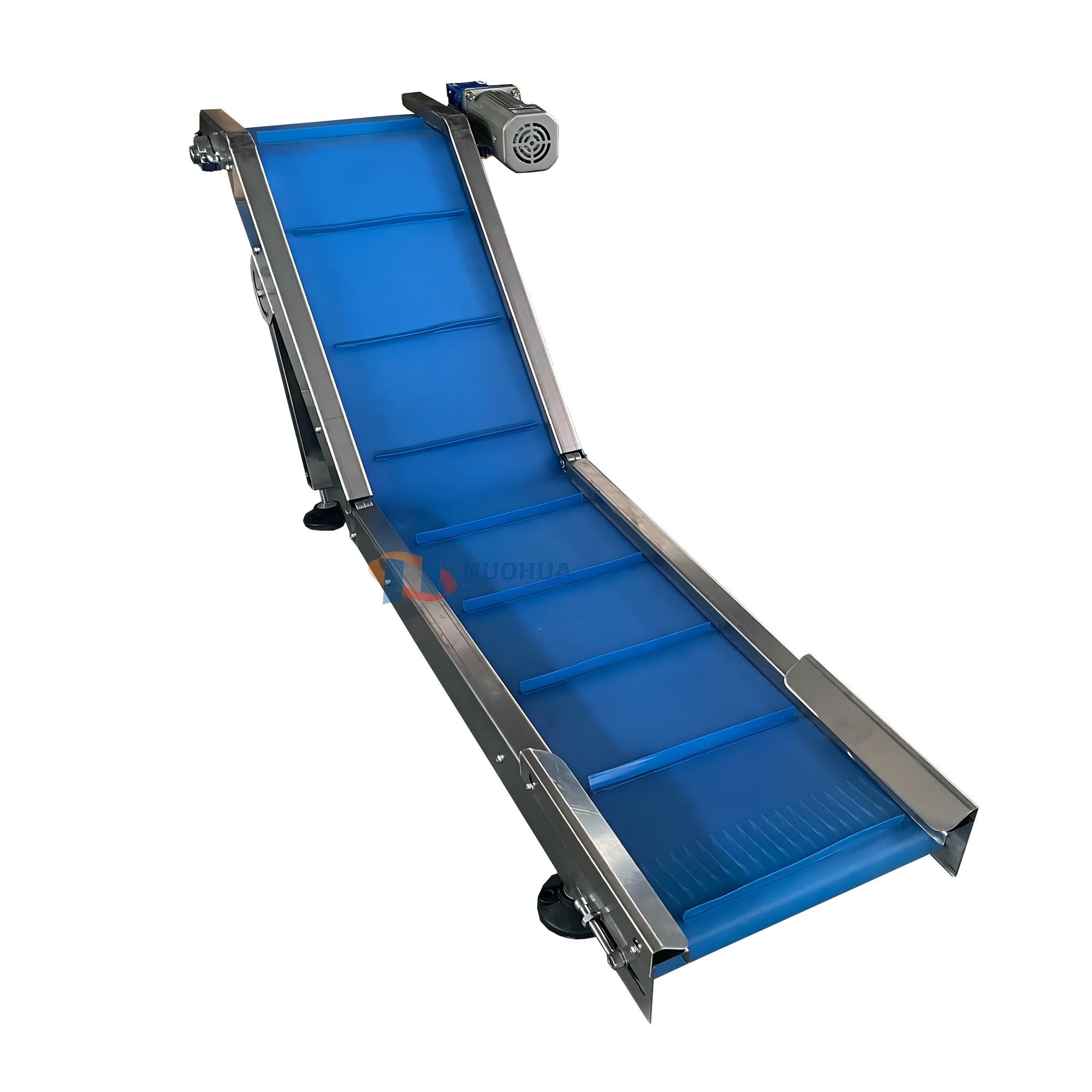
Incline and decline conveyors need to balance speed and control to offer safe and efficient operations. Primarily used to transport materials and products to higher or lower elevations, incline conveyors and decline conveyors need to be of the highest quality.
Floor to Floor Belt Conveyor
Floor to Floor conveyors used to carry loads up and down inclines of 30 degrees. Can be used for heavier loads while using less power.
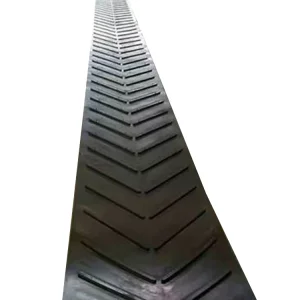
Cleated Belt Conveyors
Designed for cleated belts, these belts can be used to carry items up an incline of 45 degrees and prevents items from falling. Ideal for conveying plastic, stampings, bags and boxes.
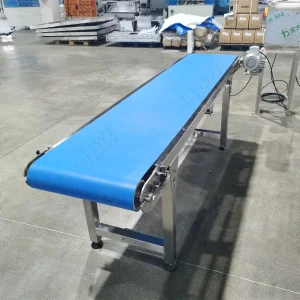
Food Grade Belt Conveyors
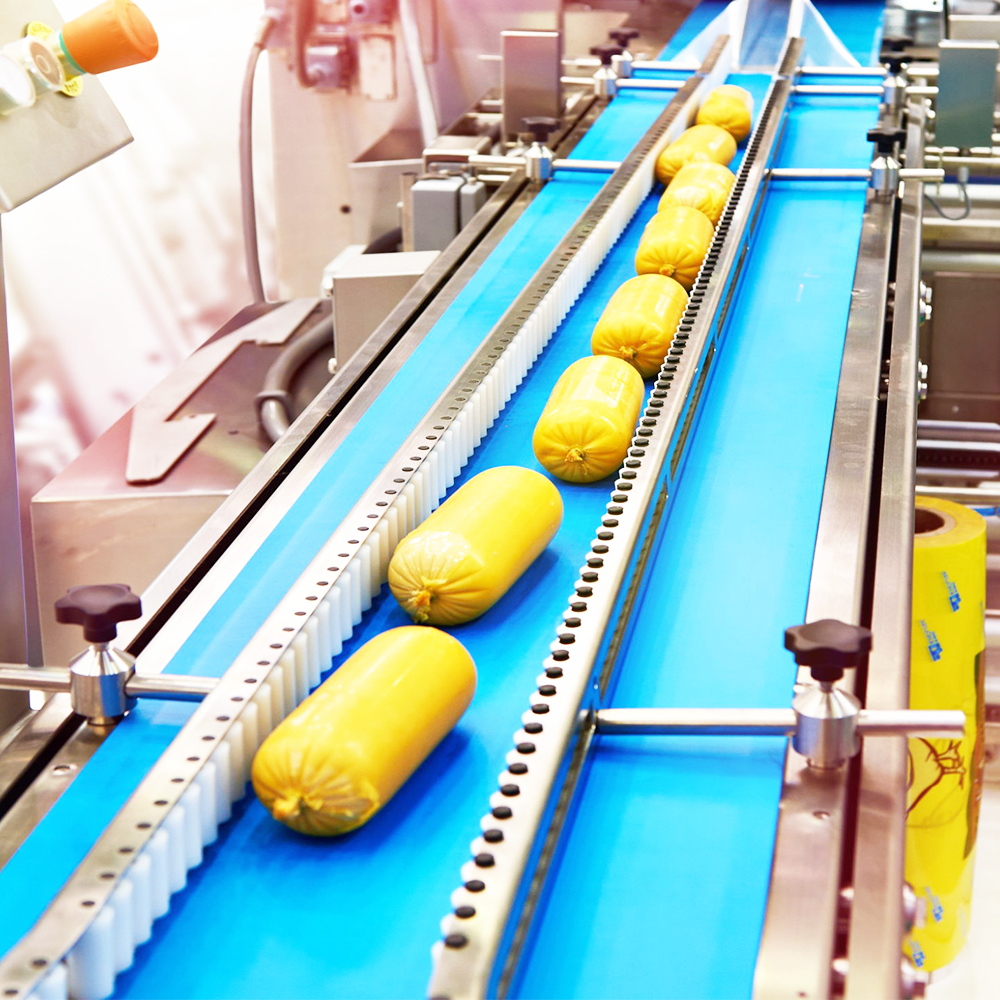
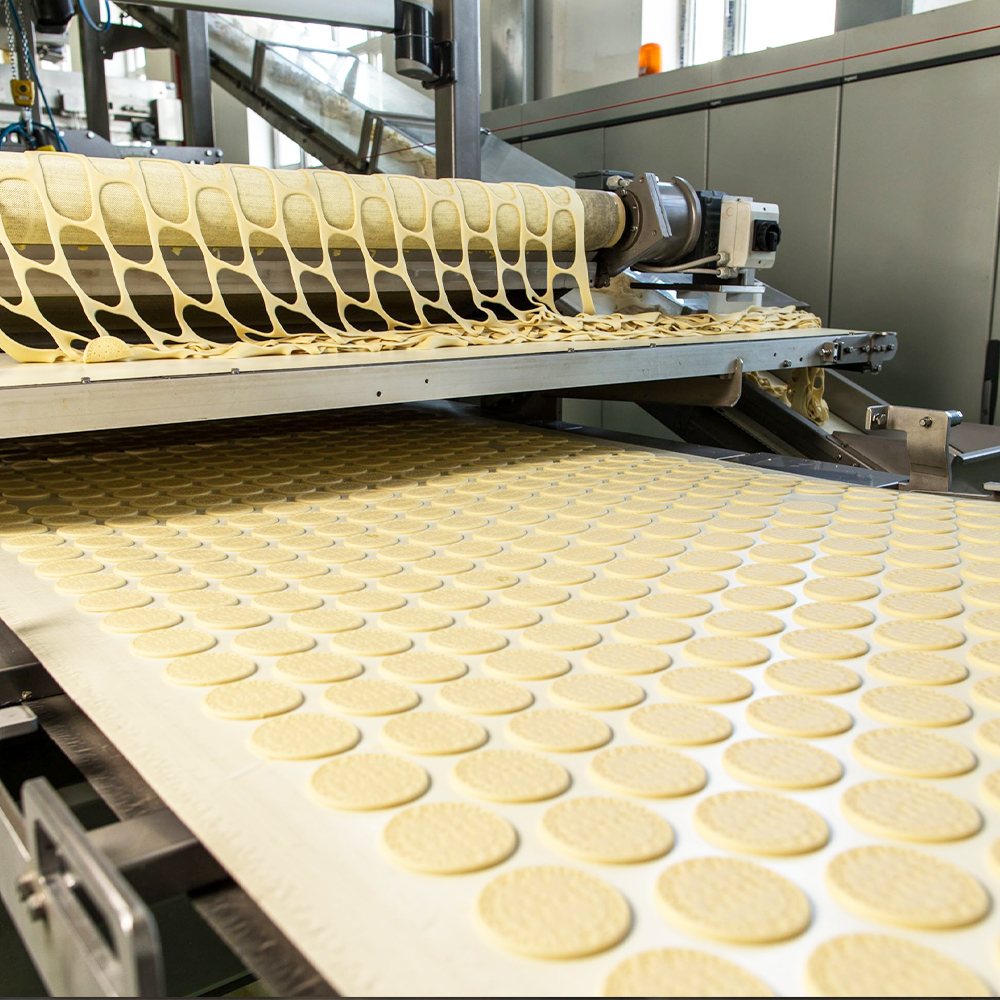
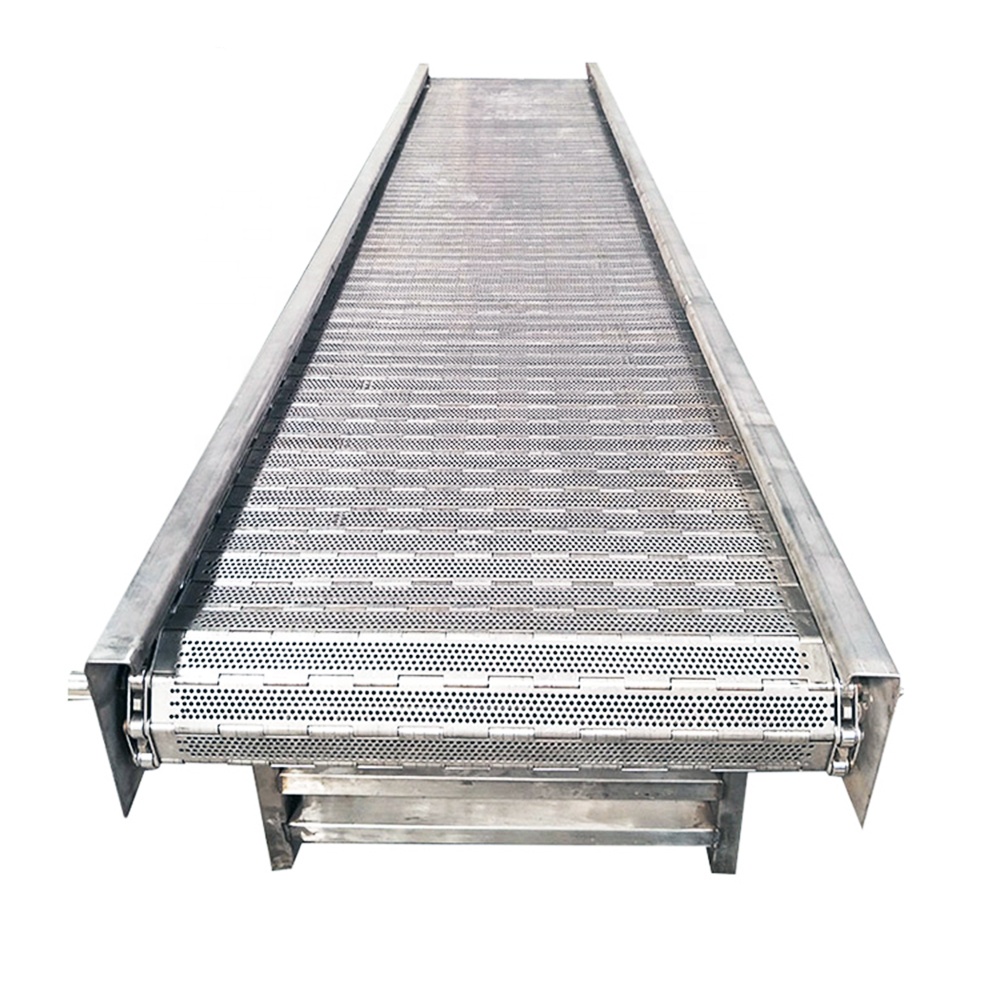
The conveyor is made of stainless steel and has a hygienic, easy-to-clean surface. It is suitable for bakery, confectionery, RTE, meat, poultry, seafood, and dairy. Provides custom engineered solutions designed for specific applications.
Modular Belt Conveyor
Unlike flat belt conveyors, which use a continuous flexible belt, modular belt conveyors employ a series of interlocking rigid pieces, typically made from plastic or metal. They function similarly to a bicycle chain. This design provides significant advantages over flexible belt conveyors, including greater durability and the ability to operate across a wide range of temperatures and pH levels.
Hopper Incline Conveyor
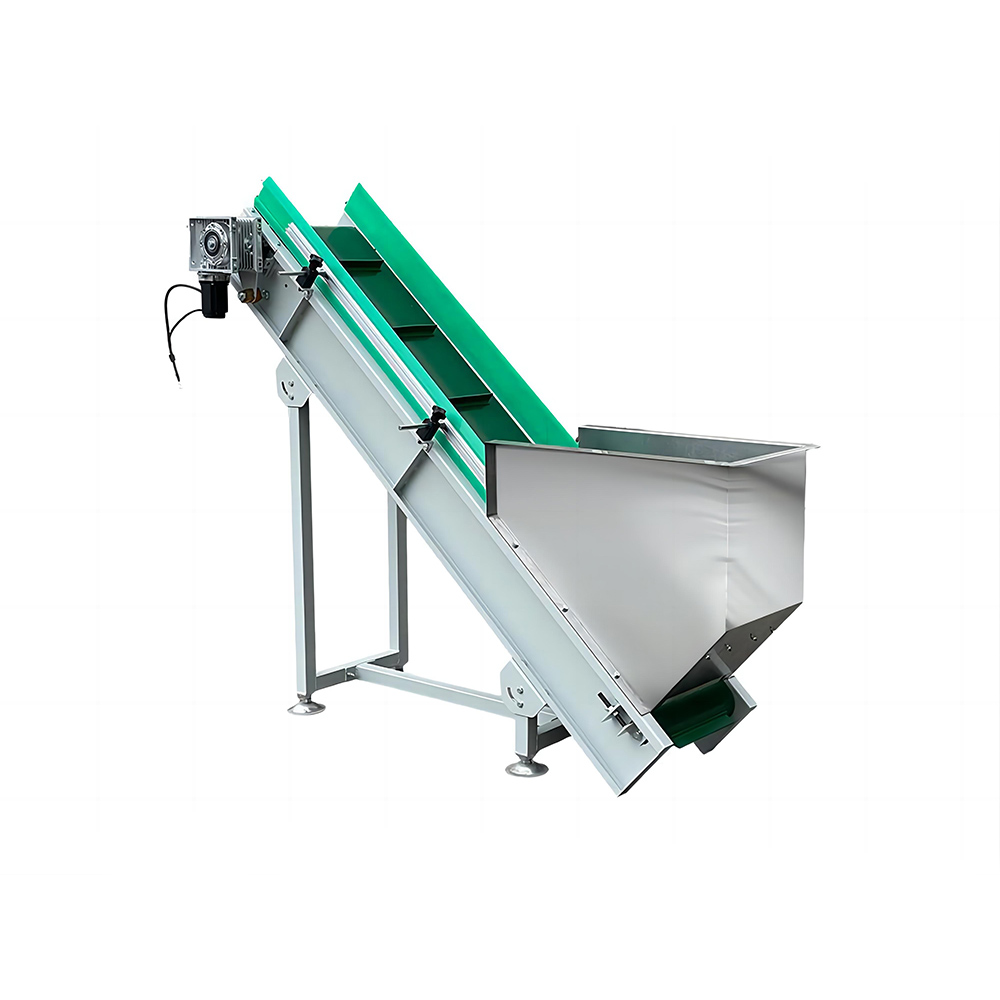
With custom hopper sizes conveyor lengths and heights available, We can design and build custom conveyors to fit your processing needs.
Slat Conveyors
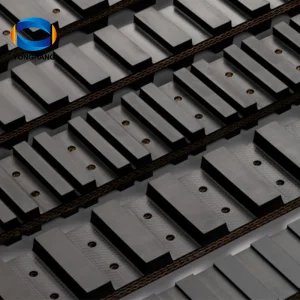
Slat Conveyors are used in horizontal conditions and operating at relatively slow speeds. They are generally used to move items that are not typically conveyable on rollers or belts, due to an irregular shape or bottom condition. They can also be used in assembly operations by modifying the slats to accommodate assembly fixtures.
Advantages of Belt Conveyors
It is a cheap way of moving materials over long distances
It doesn’t degrade the product being conveyed
Loading can be done at any place along the belt.
With trippers, the belts can offload at any point in the line.
They do not produce as much noise as their alternatives.
Products can be weighed at any point in the conveyor
They can have long operating times can even work for months without stopping
Can be designed to be mobile as well as stationary.
Have less dangerous hazards to human injury
Low Maintenance costs
How should belt conveyors be designed and selected?
Key parameters to consider when designing a conveyor belt include:
Motor and gearbox selection
Speed of belt
Tension and take-up
Material to be conveyed
The distance over which to be transported
Working environment e.g. temperature, humidity, etc.
Frequently Asked Questions
Q: Are you a factory or trading company?
A: We are Professional manufacturer.
Q: How to buy?
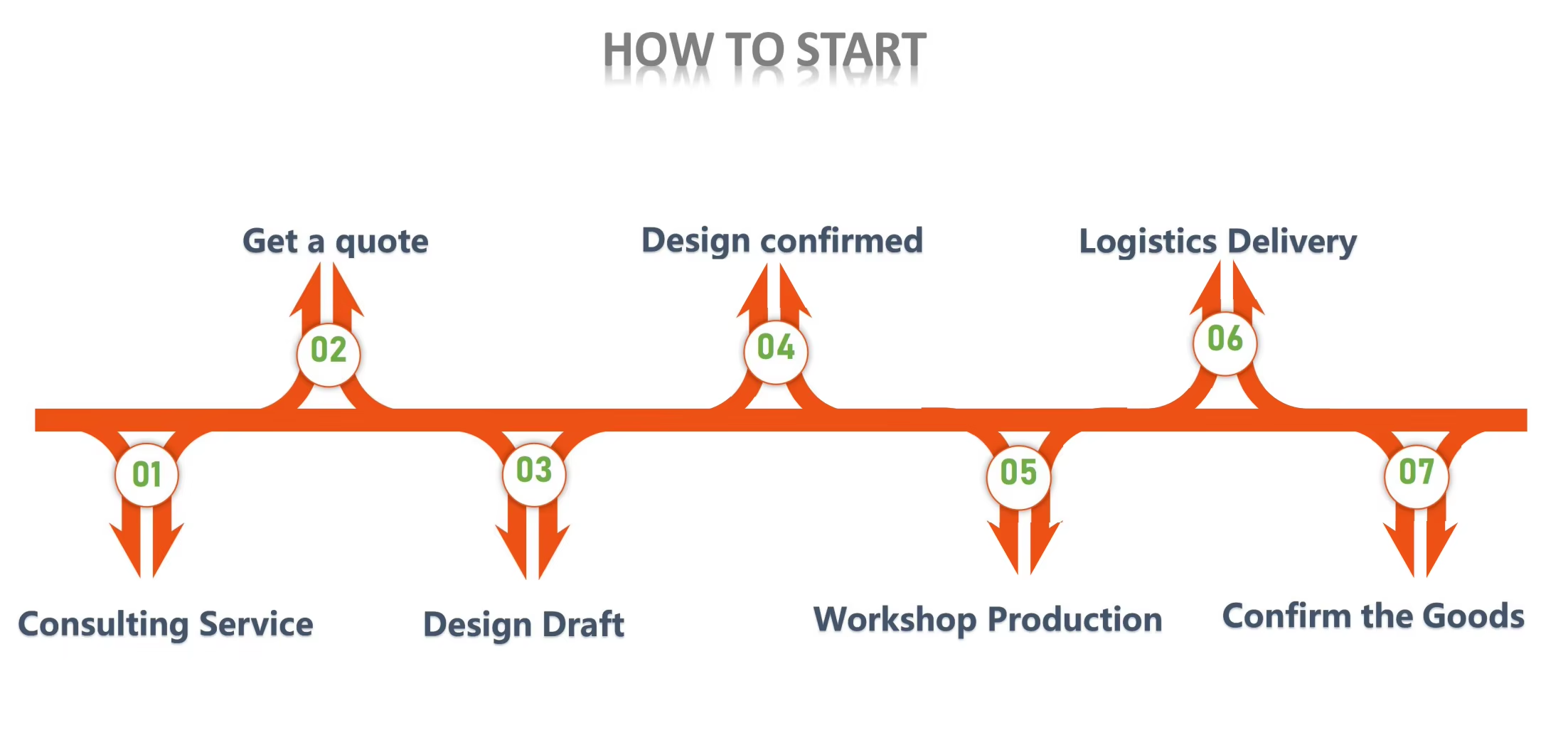
A: Clear your requirements to our sales - get quotation - discuss details - order confirm - deposit payment - drawing reconfirm - production - finished products photo and test video sent - packing - balance payment - delivery.
Q: What about your delivery period?
A: Sample order or small quantity order 3-7 days, bulk production: 20 days.
Q: How can you guarantee quality?
A: 1. We have completed working system and procedures and we follow them very strictly. 2. We will do strict test running after the machine is finished.
Q: How long is the warranty of the product?
A: 1 years.
Q: What payment terms do you prefer?
A: T/T, L/C, West Union, Paypal & MoneyGram and so on.
 Trakkx Tech