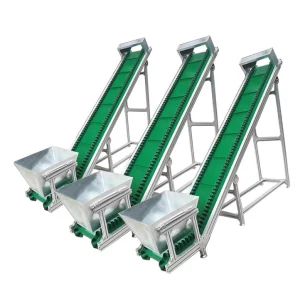
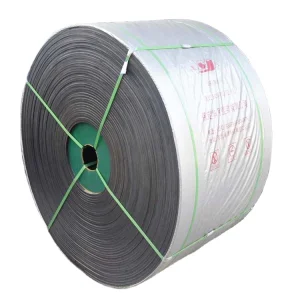
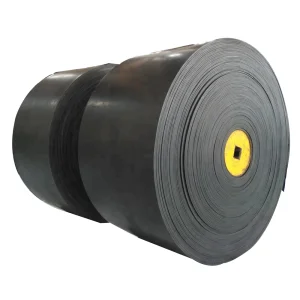
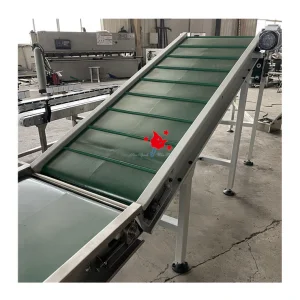
Engineered to handle extreme loads, aggressive wear, food-grade protocols, and high-impact mining operations.
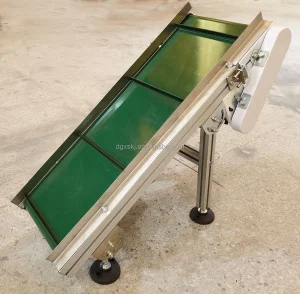
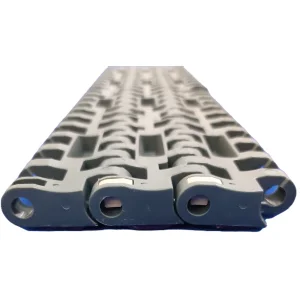
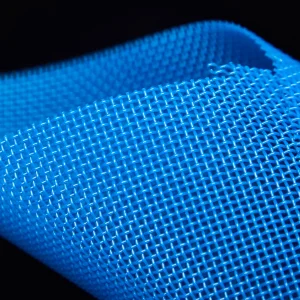
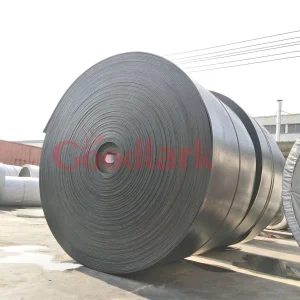
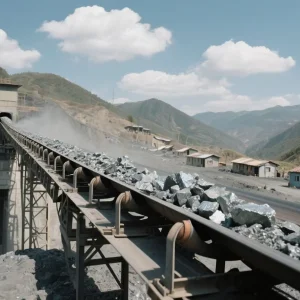
In modern heavy industry, material handling systems serve as the critical vascular network of manufacturing facilities, mines, logistics hubs, and processing centers. As global output demands escalate, engineering systems that handle bulk commodities are forced to undergo rapid technological transformation. Simple mechanical movement is no longer the benchmark. Modern procurement protocols require conveyor configurations characterized by exceptional dynamic stability, high wear-resistance, smart real-time monitoring, and minimized energy consumption.
Historically, heavy-duty conveying suffered from premature belt failure, joint degradation under high tension, and localized environment-induced chemical breakdowns (e.g., oil swelling, ozone cracking, and abrasion-induced heat generation). China's industrial manufacturing ecosystem, spearheading advanced material sciences and physical engineering, has engineered answers to these core operational friction points. By leveraging high-grade polymer chains, synthetic elastomer vulcanization processes, and structural reinforcement systems such as steel cord layups and Multi-ply EP configurations, manufacturers like Dongguan Trakkx Tech Co., Ltd. are driving global operational benchmarks upward.
Our forward-thinking blueprint detailing material advancements and smarter diagnostics in material handling.
Transitioning from basic natural rubber matrices to engineered elastomer combinations (NBR, EPDM, SBR) designed to resist thermal shock, chemical corrosion, and oils while retaining elasticity under extreme mechanical load.
Integrating high-tensile steel cord structures for long-distance, heavy-duty applications (e.g., overland mining runs) alongside highly flexible Polyester-Nylon (EP) carcasses that mitigate impact-related punctures.
Embedding RFID chips, thermal monitoring matrices, and optical detection layers within premium PVC and PU belts. This facilitates real-time wear analytics and predictive maintenance, lowering unplanned operational downtime.
Tailoring high-performance conveying parameters to the demanding environmental stressors of key global industries.
Heavy duty mining configurations face relentless wear from large-aggregate falling loads and abrasive friction. Standard belts fail via tearing and severe cover wear.
High-volume distribution facilities require continuous, rapid sortation, quiet operations, and optimal friction coefficients for sorting systems.
Hygiene laws necessitate conveyor systems that actively resist oil absorption, bacteria cultivation, and chemical sanitizers.
How Dongguan Trakkx Tech Co., Ltd. fuses localized supply advantages with strict international engineering quality protocols.
Operating from the heart of the Guangdong-Hong Kong-Macao Greater Bay Area, Dongguan Trakkx Tech Co., Ltd. leverages a highly consolidated, vertically integrated industrial cluster. This ecosystem provides immediate access to high-purity elastomer raw materials, structural steel processing plants, precise control electronics, and deep-water ports. This geographic configuration enables significant lead-time reductions while driving down overall manufacturing costs.
Our facility is optimized around the **Lean Manufacturing Paradigm**. Every stage, from design engineering to rubber compounding, continuous vulcanization, testing, and final packaging, utilizes advanced, automated equipment. This process minimizes human-error variance. We manage strict quality checkpoints under ISO 9001:2015 frameworks, verifying adhesion, tensile strength, edge straightness, and surface finish before dispatch.
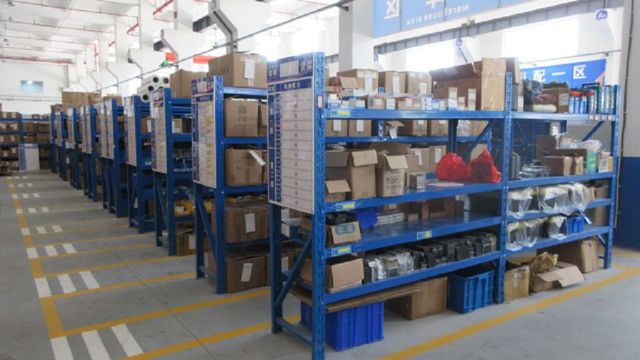
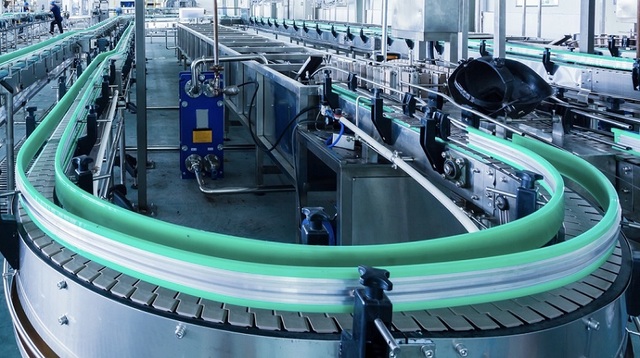
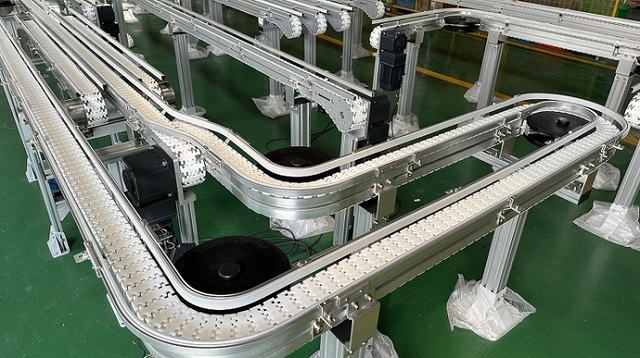
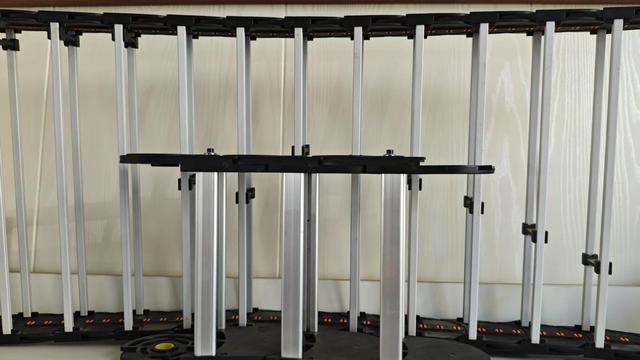
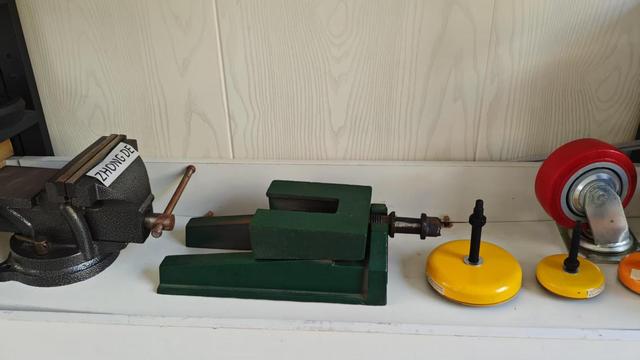
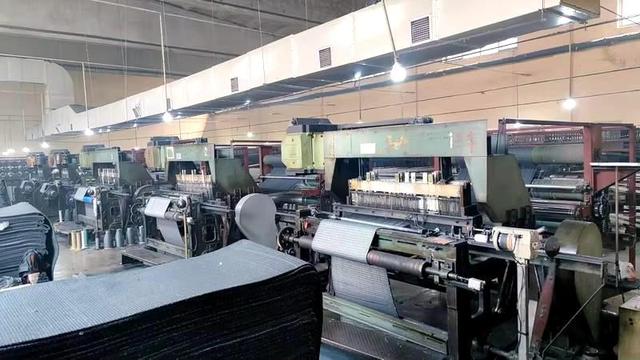
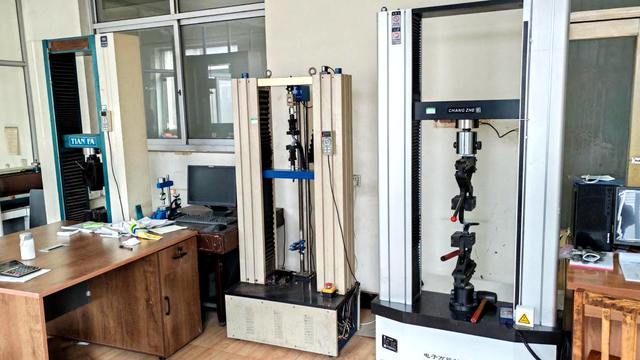
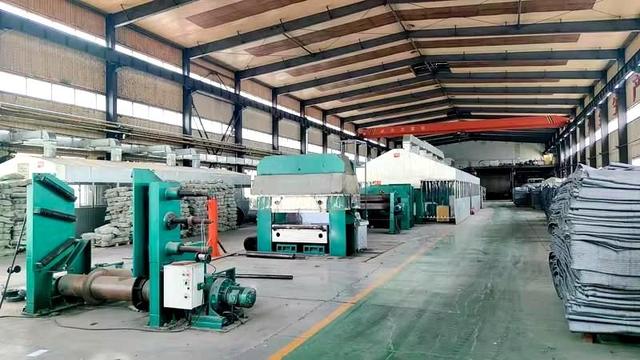
A comparative breakdown of performance benchmarks for selecting the optimal belt composition and conveyor structure.
Industrial buyers must balance operational loads, ambient environments, and regulatory standards. For heavy mining, primary selection metrics focus on Troughability, Tensile Strength, and Carcass Adhesion. For logistics and automation, metrics shift to Dimensional Stability, Quiet Operation (Low Decibel), and Belt Speed Tracking.
Below is a standardized technical overview highlighting performance specifications across primary belt classes:
| Belt Category | Reinforcement Carcass | Tensile Range | Primary Application | Standard Conformance |
|---|---|---|---|---|
| Steel Cord Series | Galvanized Steel Cord Layup | ST500 - ST5400 N/mm | Long-distance Overland, Deep Mining | DIN 22131, ISO 15236 |
| EP Multi-ply Series | Polyester Warp / Nylon Weft (EP) | EP100 - EP600 per ply | Aggregates, Cement, Quarries | DIN 22102, BS 490 |
| PVC/PU Solid Woven | Interwoven Polyester / Cotton Fabric | Up to 1000 N/mm | Clean Logistics, Warehousing, Sorting | EN ISO 14890 |
| Food Grade Special | High-Strength Synthetic Mesh/Film | Up to 350 N/mm | Food Processing, Pharmaceuticals | FDA, EU 10/2011, USDA |
When designing customized projects, Dongguan Trakkx Tech Co., Ltd. offers engineering analysis to calculate correct safety factors, pulley diameters, and motor torque curves. This ensures that the installed system functions seamlessly with minimized energy consumption and negligible slippage.
How we guarantee compliance, onsite integration support, and long-term operating security across international borders.
Heavy industrial materials face strict domestic and regional safety frameworks. Belts destined for North American underground coal mining, for instance, must comply with MSHA (Mine Safety and Health Administration) regulations. European configurations require strict adherence to ATEX anti-explosion and fire-retardant parameters.
To resolve compliance challenges, our global sales and technical consulting services provide:
Derived from real-world engineering issues, resolving critical questions from global procurement officers.
DIN cover grades categorize the abrasion-resistance and mechanical characteristics of the top and bottom covers under DIN 22102. DIN X is designed to resist cutting and heavy impact, offering a tensile strength of 25 MPa and maximum volume loss of 120 mm³ under abrasion. This makes it ideal for handling large aggregates, rocky minerals, and heavy sharp metals. DIN Y is the standard for general-purpose applications, offering a tensile strength of 20 MPa and a maximum volume loss of 150 mm³, making it best suited for sand, gravel, and smaller aggregates.
EP (Polyester-Nylon) fabrics combine a polyester warp (longitudinal) and a polyamide/nylon weft (transverse). The polyester provides low longitudinal stretch, preventing belt sag, while the nylon weft gives high flexibility and excellent impact absorption. This configuration enables the belt to wrap around small pulley diameters and transition smoothly through troughing idlers while resisting sudden shock loads without fracturing.
Steel cord belts are selected for systems requiring high tensile strength (above ST1000) and very low elongation. These are typically long-distance overland runs (often stretching several kilometers), steep climbs, or high-capacity handling systems where belt stretch must be minimized to maintain tension without requiring huge gravity take-ups.
Food-grade belts must conform to strict FDA regulations (specifically 21 CFR 177.2600 for rubber or 21 CFR 177.1680 for polyurethane) or EU Regulation No 10/2011. These frameworks guarantee that the belt compound will not migrate harmful chemicals or plastics into the food product, that it resists bacteria growth, and can handle washing cycles containing hot water and cleaning chemicals.
We provide complete design capabilities including custom widths, structural steel configurations, tailored pulley ratios, customized electrical controls, and specialized elastomer compounds. Our technical teams work with system integrators from the initial concept and prototyping stages through to field testing, production, and final installation support.
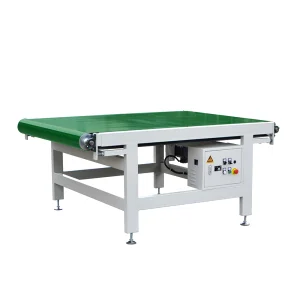
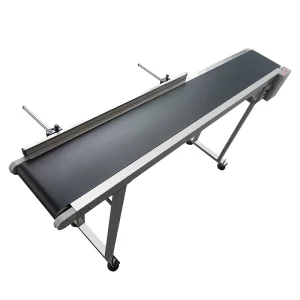
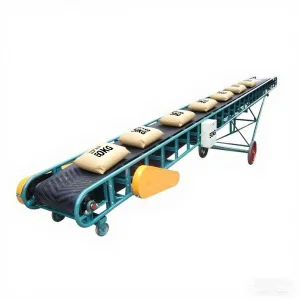
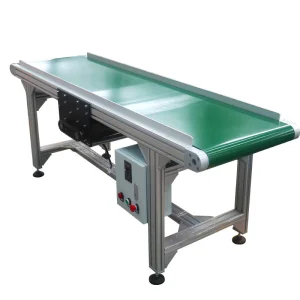
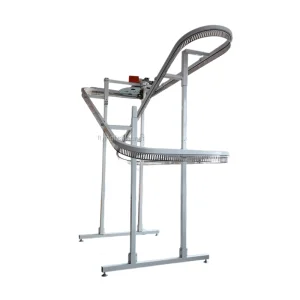
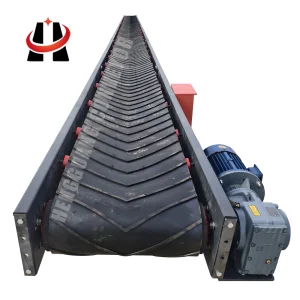
Integrating electric motor drives, anti-static safety layers, and mobile setups to optimize material flow.
 Trakkx Tech