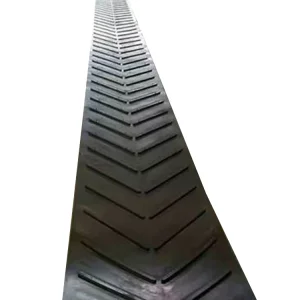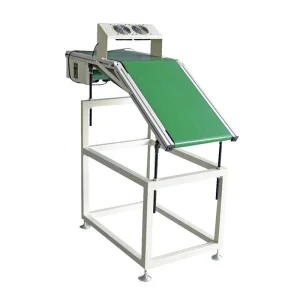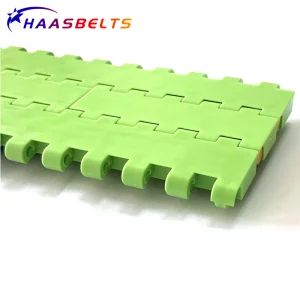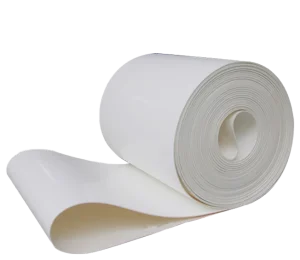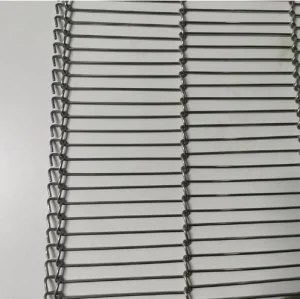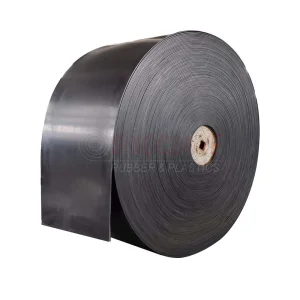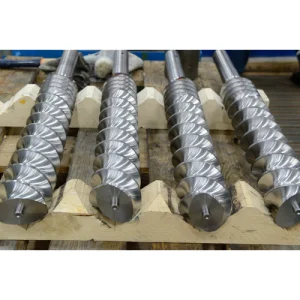
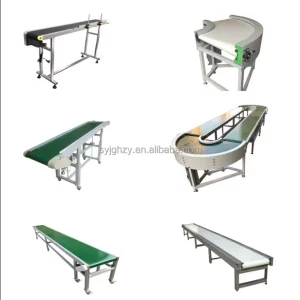
Dongguan Trakkx Tech Co., Ltd. is a professional China conveyor belt manufacturer specializing in industrial material handling and conveying solutions for a wide range of industries worldwide. With years of experience in conveyor technology, we provide reliable, efficient, and customized conveyor systems that help businesses optimize production processes, improve workflow efficiency, and reduce operational costs.
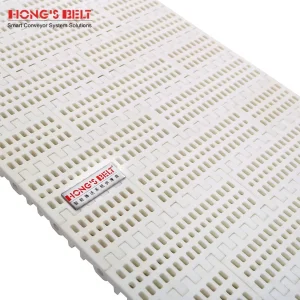
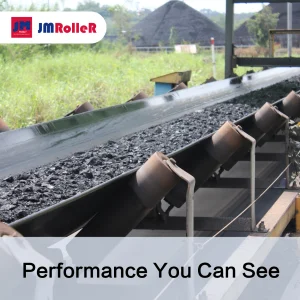
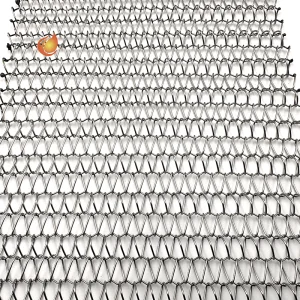
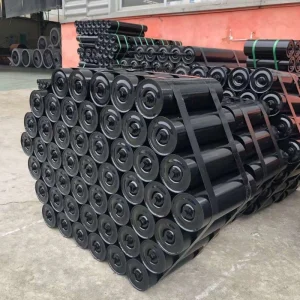
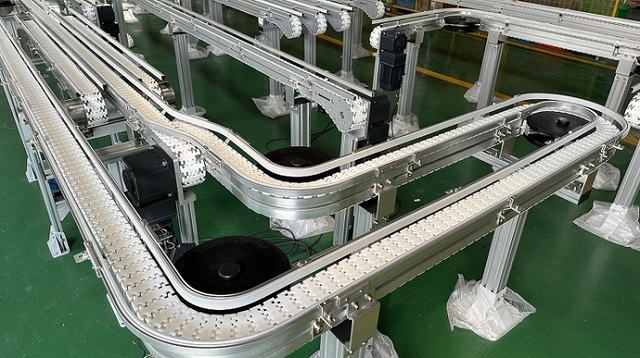
Our product portfolio includes conveyor belts, belt conveyor systems, modular conveyors, roller conveyors, inclined conveyors, assembly line conveyors, packaging conveyors, and customized material handling equipment. Designed to meet the demanding requirements of modern manufacturing environments, our solutions are widely used in logistics, food processing, electronics, automotive, warehousing, packaging, pharmaceuticals, and industrial production facilities.
At Trakkx Tech, we combine engineering expertise with advanced manufacturing capabilities to deliver high-performance conveying systems tailored to specific customer applications. Our experienced technical team works closely with clients throughout the entire process, from project consultation and system design to prototyping, production, installation support, and after-sales service.
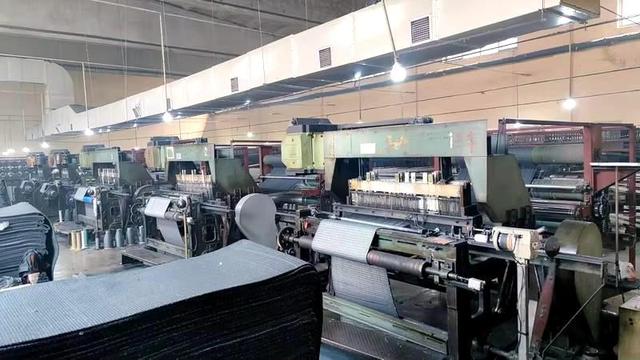
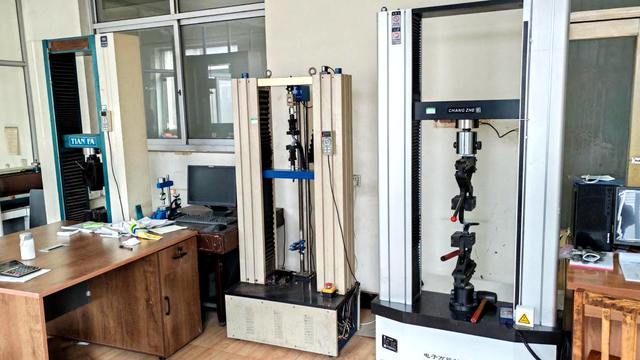
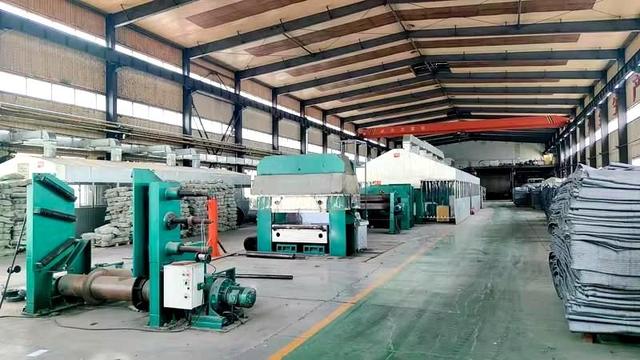
Our manufacturing facility is equipped with modern production equipment and strict quality control systems to ensure durability, reliability, and consistent performance. Every conveyor solution undergoes comprehensive testing and inspection before delivery, helping customers achieve smooth and uninterrupted material handling operations.
In addition to standard products, Dongguan Trakkx Tech Co., Ltd. offers flexible OEM and ODM services for global distributors, system integrators, equipment manufacturers, and industrial brands. We are committed to providing innovative conveying solutions that adapt to evolving industry needs and support long-term business growth.
Serving customers across North America, Europe, Southeast Asia, the Middle East, and other international markets, Trakkx Tech has established a reputation for quality, efficiency, and customer-focused service. Our mission is to become a trusted global partner for advanced conveyor belt systems and intelligent material handling solutions.
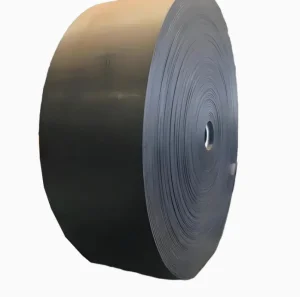
A conveyor system is only as strong as its weakest joint. Splice efficiency directly determines the operational threshold, safety factor, and ROI of industrial conveyor setups. Modern joining methods have transcended basic mechanical fastening. Today, engineers focus on chemical adhesion kinetics, high-frequency thermo-fusing, and structural steel cord layout patterns to sustain extreme tensile loads and prevent catastrophic longitudinal tears.
Utilizes heat, pressure, and raw rubber compounding to bond the belt core into a homogeneous structure. Essential for long-distance steel-cord (ST) and multi-ply fabric (EP) belts in mining operations. Offers up to 98% of the native belt's mechanical tensile limit.
Employs specialized double-cement adhesives and vulcanizing agents (such as chloroprene and polyisocyanates) to cure chemically at ambient temperatures. Optimal for rapid on-site belt repair without transporting heavy vulcanizing presses.
Utilizes steel clips, staples, or bolt-solid plate designs for immediate splicing. Widely applied in portable systems, packaging lines, and temporary setups where quick deployment overrides long-term dynamic wear constraints.
| Joining Technique | Tensile Strength Retention | Curing / Installation Time | Primary Application Fields | Suitability for Food Industry |
|---|---|---|---|---|
| Hot Vulcanization | 90% - 98% | 4 - 8 Hours | Heavy Mining, Steel Plants, Power Plants | Low (due to additive migration risks) |
| Cold Vulcanization | 75% - 85% | 2 - 6 Hours | Aggregate Quarries, Cement Plants | Medium (requires specialized adhesives) |
| Mechanical Fastening | 50% - 65% | 30 - 60 Minutes | Logistics Warehouses, Mobile Conveyors | Poor (harbors bacteria, cleanability issues) |
| High-Frequency / Finger Jointing | 85% - 90% | 1 - 2 Hours | Food Grade PU/PVC Assembly Lines | Excellent (completely flat and hermetic) |
Modern procurement strategies demand components that address total life cycle costs (TCO). Procurement specialists in mining, automotive, logistics, and heavy agriculture focus on reducing downtime. A failed splice can halt an entire extraction site, leading to massive financial losses. Consequently, the role of exporters specializing in OEM/ODM belt joining techniques has transformed from providing commodity products to delivering comprehensive, engineered splicing packages.
Key global procurement trends indicate a distinct shift toward high-performance materials and specialized joining toolkits. Key requirements include:
Heavy duty applications require multi-step vulcanized joints for steel-cord and high-strength fabric belts. Exporters supply specialized solutions like steel-cord tie gum, cover stock rubber strips, and vulcanizing solutions designed to perform under high-tension, high-impact conditions.
Sanitation is the top priority in these industries. Standard mechanical joints are not suitable as they can harbor microbial growth. The industry relies on clean, high-frequency finger joints for TPU and PVC belts, which create a smooth surface that meets strict FDA, USDA, and EU health standards.
These systems run constantly and require low-noise, smooth operation. Pre-engineered lap and finger splices prevent pulley chatter and reduce operational decibel levels. Splicing materials must also feature flame-retardant properties to align with local building and fire safety codes.
The conveyor industry is adopting smart technologies. Splicing joints are now being embedded with RFID microchips and thin-film strain gauges during the vulcanization process. These smart sensors monitor joint integrity, temperature, and dynamic elongation in real time, alerting maintenance teams to potential issues before structural failure occurs.
Looking ahead, environmental impact is also shaping product development. Traditional vulcanizing agents use toxic solvents like chlorinated hydrocarbons. OEM exporters are leading the transition to eco-friendly, solvent-free adhesives that comply with REACH and EPA guidelines without compromising bonding strength or temperature resistance. In addition, advanced composite materials like aramid-reinforced splice inserts are being developed to reduce the thickness of high-stress joints, improving flex fatigue life and reducing pulley wear.
 Trakkx Tech