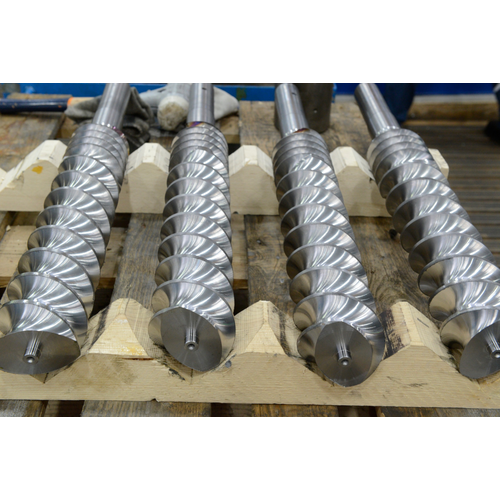
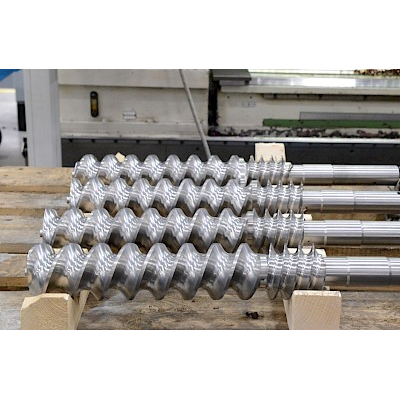
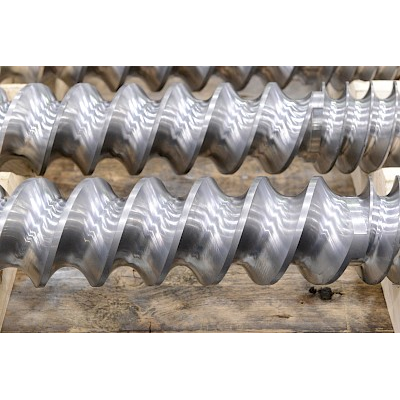
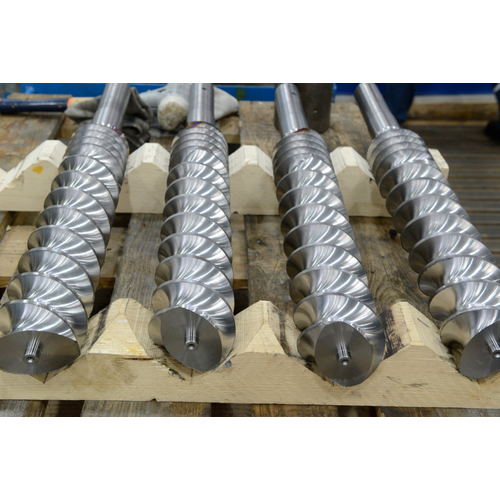
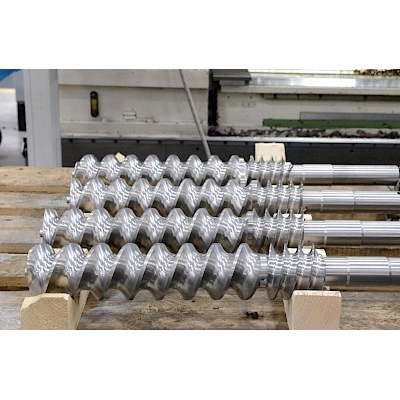
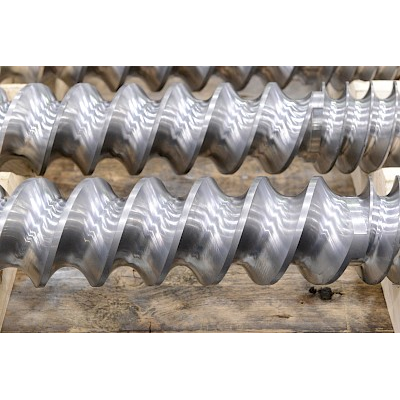
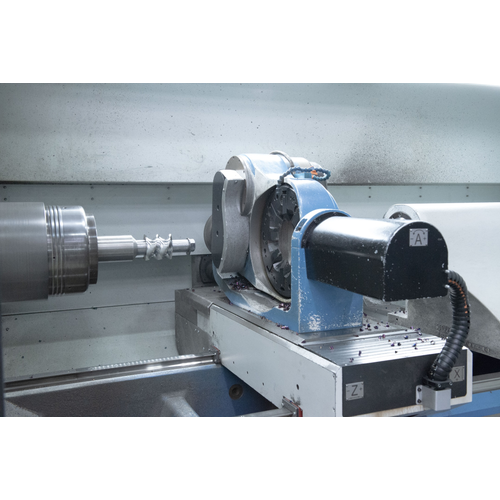
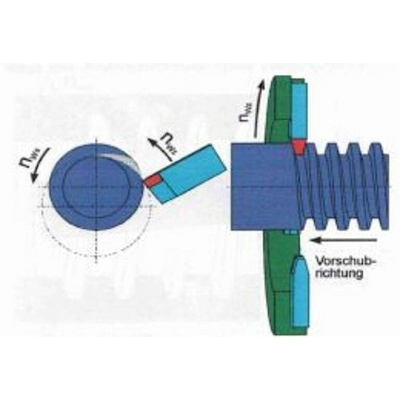
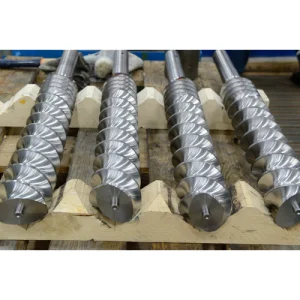
Conveyor screws are specifically designed for dust-free transport of bulk materials across various industries. These screws enable the continuous and safe transportation of materials such as powders, pastes, or granules over several meters. Thanks to their construction within a pipe or trough, which rotates around its own axis driven by a motor, they provide a noise- and dust-free solution for material transport. Conveyor screws are known for their efficiency and reliability, making them a preferred choice for companies that value quality and safety.
Flexibility and Adaptability: A wide range of conveyor screws is available for different applications and requirements, offering versatility for various materials and processing steps during transport.
Optimal Performance & Lifespan: Designed to deliver continuous performance and a long operational lifespan, presenting a cost-effective solution to optimize production processes.
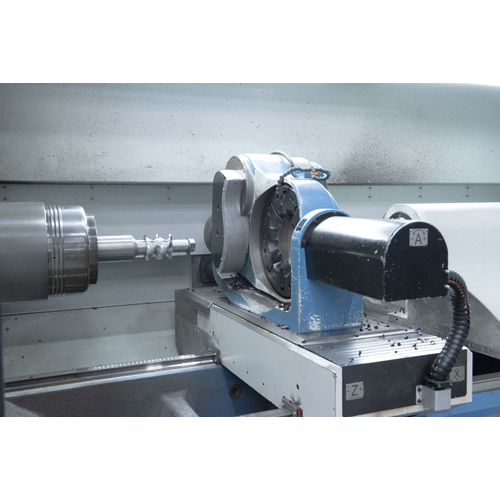
Advanced Manufacturing: Utilizing high-quality materials and modern techniques ensures that the conveyor screws meet demanding production environment requirements.
Frequently Asked Questions
What types of materials can these conveyor screws handle?
These conveyor screws are designed for the safe, continuous transport of bulk materials such as powders, pastes, and granules across various industries.
How do conveyor screws prevent dust during transport?
The system seals materials inside a closed pipe or trough that rotates around its own axis, preventing particles from escaping and providing a dust-free conveying solution.
Is the material conveying process noisy?
No, the construction and motor configuration are designed to reduce noise significantly, making it a quiet and safe choice for indoor industrial environments.
How far can materials be transported with this equipment?
These conveyor screws are highly scalable and capable of safely moving bulk materials continuously over distances of several meters.
What makes these conveyor screws a cost-effective solution?
By using high-quality materials and advanced manufacturing techniques, they achieve reliable performance and a long operational lifespan, reducing maintenance needs and optimizing production workflows.
 Trakkx Tech