Engineered for low friction, high dynamic load capacities, and seamless transition operations
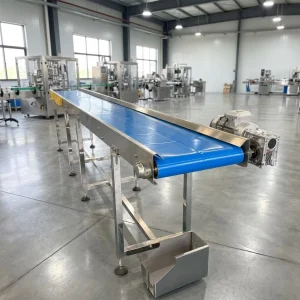
Empowering Global Manufacturers with Next-Generation Material Conveying Systems
Dongguan Trakkx Tech Co., Ltd. is a leading-edge, professional China conveyor belt manufacturer and system integrator specializing in highly specialized industrial material handling and complex conveying solutions. Our design methodology focuses on solving the physical challenges of modern packaging, logistics, sorting, and food-grade operations across major global sectors. Leveraging years of engineering expertise, we manufacture and supply resilient, high-speed, and high-precision conveyor lines designed to maximize system throughput and space efficiency.
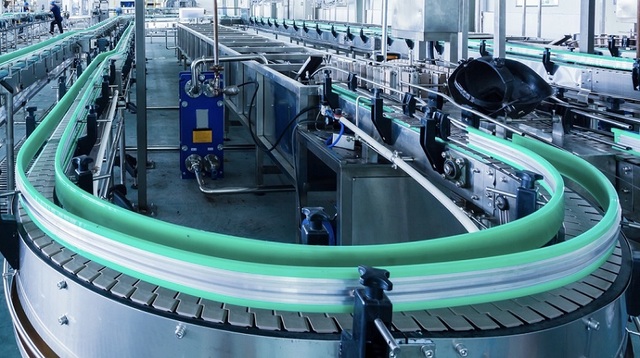
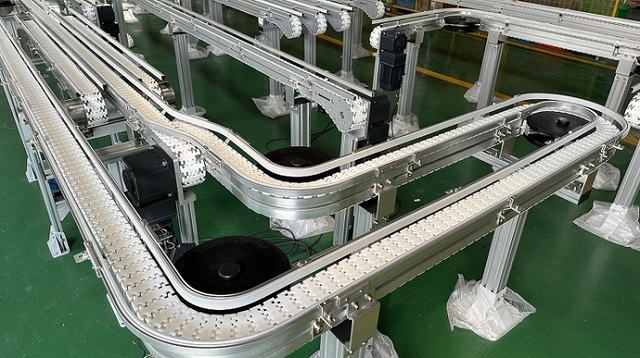
Our specialized facility in Dongguan combines lean manufacturing protocols with strict validation methodologies. As a custom OEM/ODM developer, we deliver configurations optimized to address floor footprint constraints, particularly using curved conveyor systems (90-degree, 180-degree, and spiral configurations). By integrating state-of-the-art drives, precision conical rollers, and wear-resistant polymer materials, Trakkx Tech provides long-lasting operations under heavy mechanical stress, ensuring optimal uptime in distribution networks, electronic cleanrooms, food processing plants, and mining yards.
Dedicated research, design, and manufacturing of heavy and light-duty material handling machinery.
Deploying certified systems across North America, the European Union, Southeast Asia, and the Middle East.
Every component undergo dynamic trial run tests, structural vibration checks, and PLC dry testing.
Global remote diagnostics and localization partners for emergency repair and rapid-response parts dispatch.
Deciphering the Engineering Metrics, Material Science, and Cost Analysis of High-Throughput Intralogistics
When sourcing curved conveyor units globally, project managers and lead engineers prioritize parameters that prevent system bottlenecks:
Our manufacturing hub in Dongguan offers unique structural benefits to international buyers looking to scale or refit operations:
Standard flat belts, when forced into a curved structure, undergo high tensile stress at the outer edge and buckling at the inner edge. Trakkx Tech utilizes proprietary conical-tapered roller drive arrays and specialized curved guide mechanisms. Each roller is engineered with a geometric taper calculated using the exact formula of the turn radius, making the outer velocity match the inner velocity relative to the center of rotation. This prevents product slipping, static accumulation, and belt degradation.
Ensuring alignment with local legal frameworks, safety standards, and physical factory environments
Exporting industrial machinery requires robust alignment with localized engineering directives and safety laws. At Dongguan Trakkx Tech Co., Ltd., we execute design protocols that satisfy international and regional codes. For European projects, our systems carry full CE Certification and adhere to the Machinery Directive 2006/42/EC. For the North American market, our control cabinets are pre-wired in compliance with UL 508A and NFPA 79 standards, allowing seamless electrical inspection approvals.
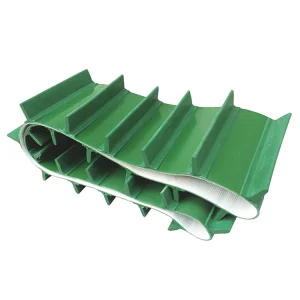
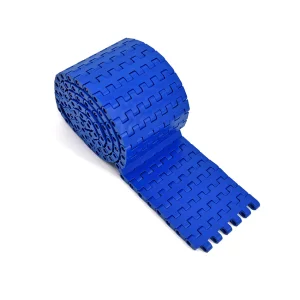
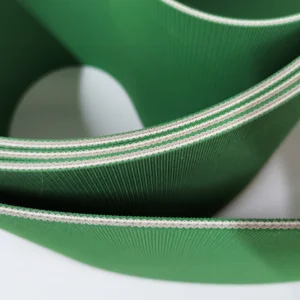
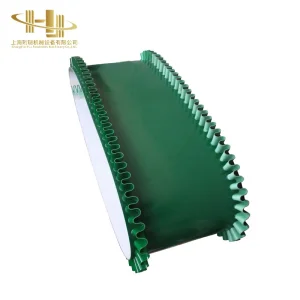
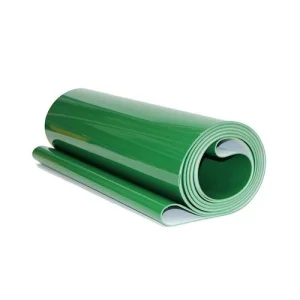
Food processing solutions demand strict food contact compliance. Our polyurethane (PU) and polyvinyl chloride (PVC) modular and flat belts comply with FDA standards and EU Regulation 10/2011. This prevents migration of toxic monomers or plasticizers into dry, wet, or fatty food ingredients. Additionally, in environments prone to static discharge—such as electronic component packaging or grain dust storage—our anti-static conveyors meet ATEX explosion protection specifications, protecting automated infrastructure and human staff.
Approved virgin polymer blends with non-porous surfaces. Resistant to aggressive chemical cleaning agents, steam washing, and mechanical scraping.
Guarded drive sprockets, emergency stop loop designs, and zero-finger-trap roller configurations to reduce workplace accidents and maintain regulatory compliance.
We partner with localized system integrators in key economic zones to assist in mechanical setup, electrical calibration, and immediate parts maintenance.
Deploying advanced curved technology in actual plant conditions and preparing for Industry 4.0
In modern warehouse facilities, spaces between sorting decks and racking lanes are compact. Curved conveyors allow lines to loop back, route around pillars, or bridge multi-tier mezzanine floors. For instance, in E-Commerce distribution, our 90-degree fast-belt curves handle a constant feed of up to 6,000 packages/hour, keeping parcel orientation aligned for barcode scanning scanners.
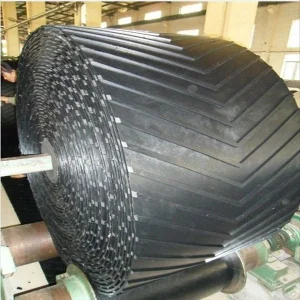
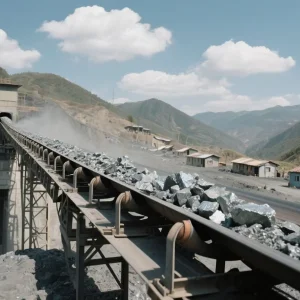
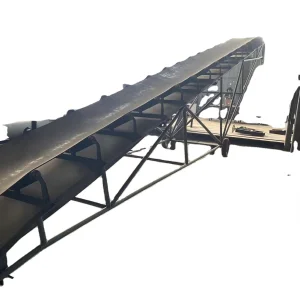
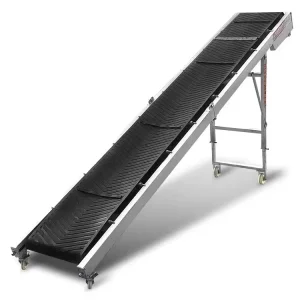
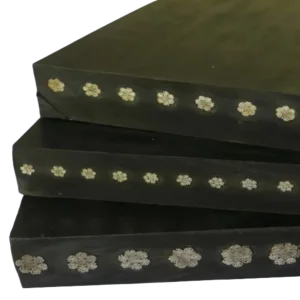
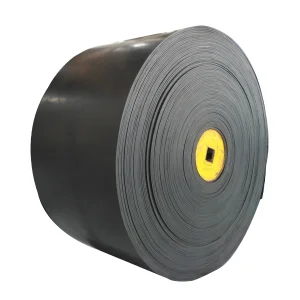
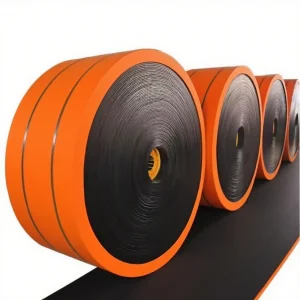
In agricultural mining and sand/gravel crushing yards, materials must be conveyed across hilly terrain and around physical barriers. Using heavy-duty, high-tensile rubber belts with reinforced steel cords or V-shaped chevron configurations enables material transfer at steep angles and tight turns without spilling bulk solids or prematurely wearing the belt.
The intralogistics sector is transitioning from dumb mechanics to smart execution. Future-ready conveyor architectures incorporate IoT integration and predictive maintenance sensors. Vibration sensors positioned near motor gearboxes and bearing housings send telemetry data to PLC controllers, highlighting friction changes before mechanical failures happen.
Energy consumption optimization is another growing priority. Incorporating smart photoelectric sensors coupled with variable frequency drives (VFD) lets the conveyor enter a low-energy idle state when products aren't present. This cuts motor energy consumption by up to 40% and increases the operating lifetime of rollers and belts.
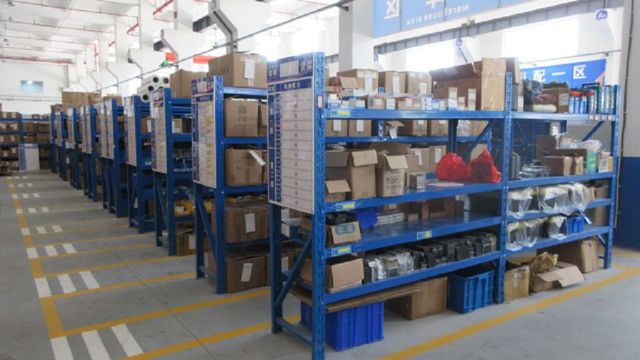
Actual photography showcasing our state-of-the-art machinery, structural assemblies, and cleanroom design validation
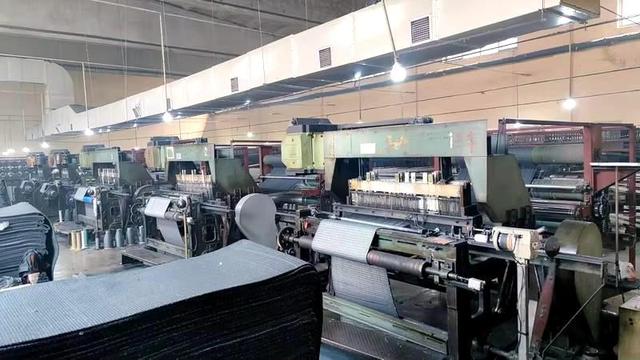
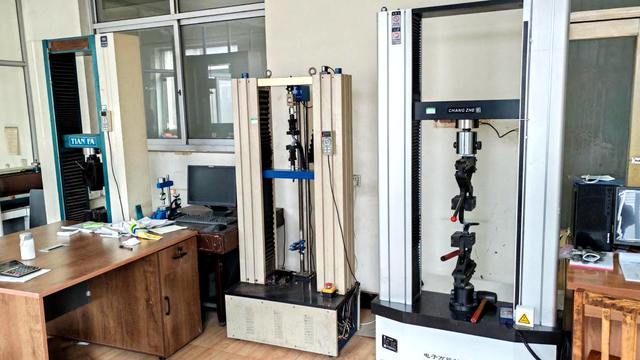
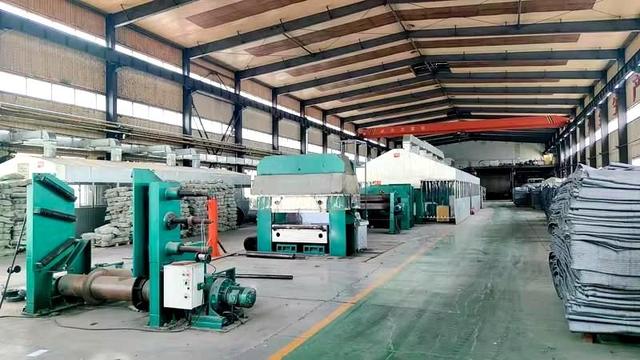
Answers to complex engineering issues and design considerations for automated material flow
Tracking a curved belt requires a combination of geometric and mechanical elements. We construct our curved belts with a reinforced guide profile (often a sewn-on beads, guide wheels, or heavy-duty chain attachment) running in a continuous UHMW-PE low-friction track on the inside radius framework. Combined with conical-tapered metal rollers, the tracking system counters the natural centripetal force pulling the belt inwards, keeping the system aligned under load.
Lead times depend on design complexity. Once you approve our 3D CAD drawing, manufacturing takes between 15 to 25 working days. For systems requiring custom electronics (like specific Siemens PLCs or SEW gearboxes), lead times may vary. All conveyor products undergo continuous testing and inspection before delivery to ensure quality.
Yes. Our conveyor structures are designed for integration. Control panel setups can incorporate fieldbus interfaces (such as PROFINET, EtherNet/IP, Modbus-TCP) to allow centralized monitoring. We can supply conveyors as stand-alone mechanical sections, or as pre-wired, sensor-equipped modules ready to link with your local controller.
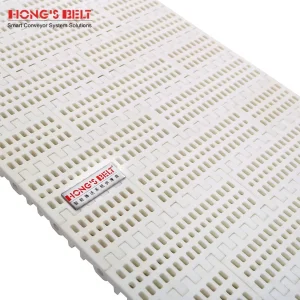
For cleanroom and direct food-contact processes, we construct our conveyor frames using laser-cut SUS304 or SUS316 stainless steel with open-frame, washdown-grade geometries that eliminate dirt pockets. We utilize food-approved PU/PVC and plastic modular belts that are resistant to hot water, detergents, and sanitizing chemicals. We also offer IP69K-rated washdown-ready drive motors.
To provide an accurate technical assessment, we require: (1) details of the material to be handled (dimensions, weight distribution, surface characteristics); (2) system speed and target throughput rates; (3) space drawings showing required turn angles and radius limits; and (4) details of the ambient working conditions (e.g. moisture level, temperature range, static protection requirements).
Heavy industrial, wear-resistant, and high-temperature material handling belts
 Trakkx Tech