The agricultural sector in the United States represents one of the most mechanized, scale-driven logistics ecosystems in the world. From the sprawling grain silos of the Midwest to the high-yield fruit and vegetable packing houses of the California Central Valley, the demand for continuous, high-efficiency material handling is paramount. Heavy crop yields require robust bulk handling solutions that can withstand harsh outdoor conditions, abrasion from soils and grains, and the high-speed transit cycles typical of modern American harvests.
In the United States, conveyor systems are not merely components; they are the lifelines of the post-harvest supply chain. Crop producers, processing facilities, and distribution complexes face severe operational bottlenecks if their conveyor belts fail. Consequently, agricultural operators demand products engineered to withstand the extreme seasonal temperature variations of North America—ranging from freezing winter grain transfers in the northern plains to scorching summer harvests in southern climates. This operational environment places unique mechanical and chemical demands on belting materials, necessitating specialized EP (Polyester-Nylon) fabrics, high-grip rubber covers, and food-safe oil-resistant polymers.
Grains such as soybeans, corn, and canola contain high concentrations of natural oils. Over time, standard industrial rubber belts absorb these fats, causing the covers to swell, soften, and eventually de-laminate. For US operations handling high volumes of oilseeds, the procurement of specific oil-resistant rubber formulations (such as Class M or Class N Nitrile blends) is a critical requirement to avoid premature belt failure.
In addition to physical durability, regulatory compliance shapes the purchase patterns of US agricultural brands. The Food and Drug Administration (FDA) and the United States Department of Agriculture (USDA) enforce strict sanitary protocols on any conveyor components making direct contact with food products. Modern manufacturers must supply belts that are not only microbiologically inert but also physically configured to prevent dust accumulation, which serves as a major fire hazard in enclosed grain elevators across the country.
While local US-based distributors offer localized field services, the manufacturing foundation of high-performance conveyor belting has shifted globally. Chinese manufacturing hubs, led by advanced engineering operations like Dongguan Trakkx Tech Co., Ltd., have established massive supply chain efficiencies that benefit global exporters and US distributors alike. The integration of chemical processing, fabric weaving, and vulcanization within single industrialized zones allows Chinese factories to achieve unmatched quality control at competitive price points.
The efficiency of a modern Chinese factory is not solely derived from labor economics; it is driven by technological integration and scale. Advanced automated compounding systems ensure that each batch of rubber or PVC/PU polymer is precisely engineered to meet specific hardness, flame retardancy, and oil resistance metrics. High-speed, wide-width calendering lines produce fabric carcasses (EP/NN) with consistent tension distribution, preventing structural elongation and tracking problems when the belts are deployed over long distances in US field operations.
By partnering with Chinese manufacturers, US distributors and industrial system integrators can bypass intermediate supply layers, sourcing tailor-made technical equipment directly. This direct channel enables rapid customization of profile designs, cleat shapes, and sidewall configurations. Dongguan Trakkx Tech Co., Ltd. leverages this dynamic, providing flexible OEM and ODM services that adapt to the fast-evolving specifications of agricultural machinery brands, combine manufacturers, and grain storage projects throughout North America and Europe.
Agricultural material handling is highly segmented by application, each requiring specialized belt structures to achieve maximum lifecycle value:
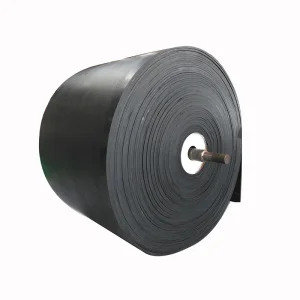
Elevator legs and horizontal conveyors handle thousands of bushels per hour. These demand high-tensile multi-ply EP rubber belts with anti-static and flame-retardant properties to prevent static spark generation in high-dust environments.
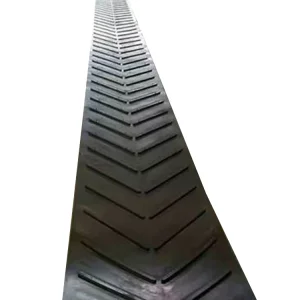
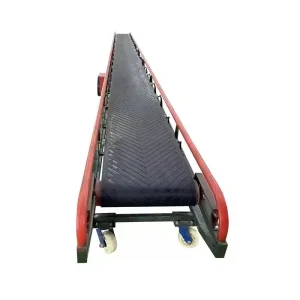
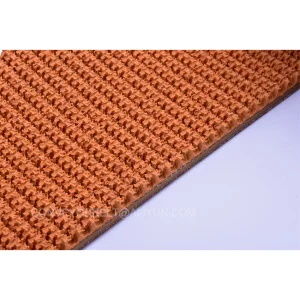
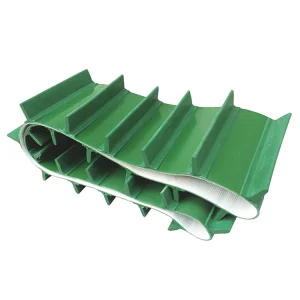
Used directly in fields for crop loading and storage stacking. Lightweight, portable belt assemblies made of flexible PVC or rubber with high-friction patterned covers (e.g., rough top or chevron profiles) ensure crops can be moved at steep angles without slippage.
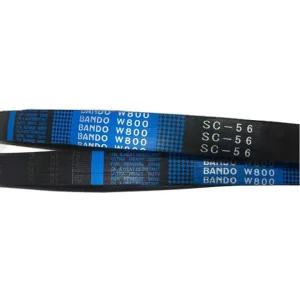
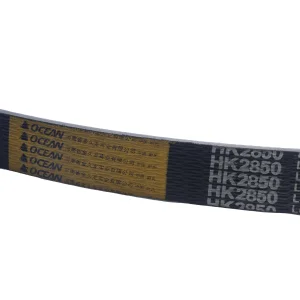
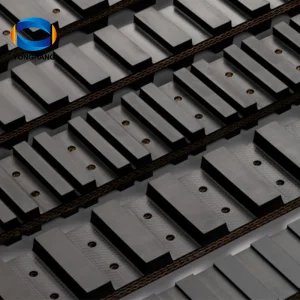
Heavy duty agricultural machinery requires custom rubber tracks, drive belts, and elevator assemblies designed for extreme physical impacts and high torque loads during continuous operations.
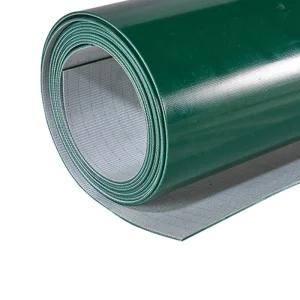
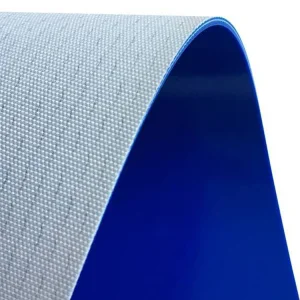
Post-washing sorting lines for leafy greens, fruits, or root crops require FDA/USDA-approved PU (Polyurethane) and PVC belts with anti-microbial surfaces that resist degradation from sanitizing chemical washes.
Grain dust is highly explosive when suspended in air in confined spaces. Standard utility-grade belts accumulate static charges through friction against rollers. Using non-ISO 284 certified anti-static belts in US grain elevators constitutes a severe safety risk. Ensure your supplier guarantees electrical resistance properties below 3x10^8 ohms.
Dongguan Trakkx Tech Co., Ltd. is a professional China conveyor belt manufacturer specializing in industrial material handling and conveying solutions for a wide range of industries worldwide. With years of experience in conveyor technology, we provide reliable, efficient, and customized conveyor systems that help businesses optimize production processes, improve workflow efficiency, and reduce operational costs.
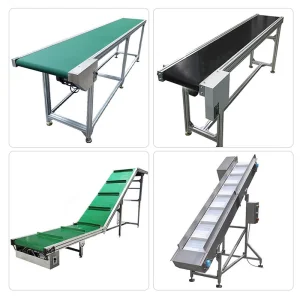
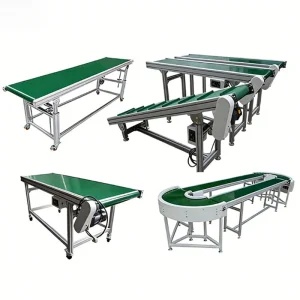
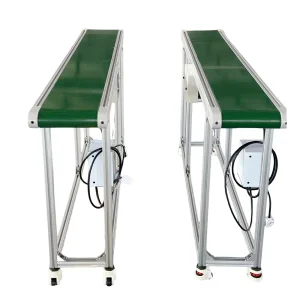
Our product portfolio includes conveyor belts, belt conveyor systems, modular conveyors, roller conveyors, inclined conveyors, assembly line conveyors, packaging conveyors, and customized material handling equipment. Designed to meet the demanding requirements of modern manufacturing environments, our solutions are widely used in logistics, food processing, electronics, automotive, warehousing, packaging, pharmaceuticals, and industrial production facilities.
At Trakkx Tech, we combine engineering expertise with advanced manufacturing capabilities to deliver high-performance conveying systems tailored to specific customer applications. Our experienced technical team works closely with clients throughout the entire process, from project consultation and system design to prototyping, production, installation support, and after-sales service. Our facility utilizes modern machinery to ensure the highest standards of physical and chemical performance across all products.
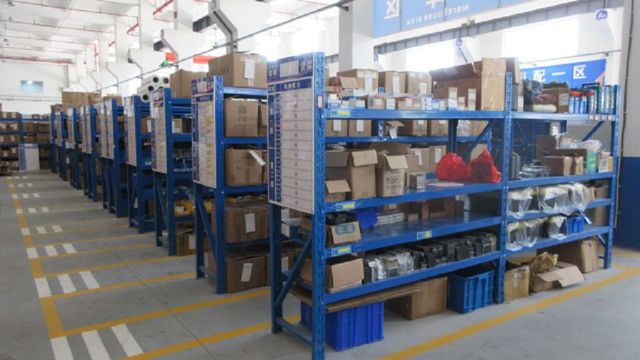
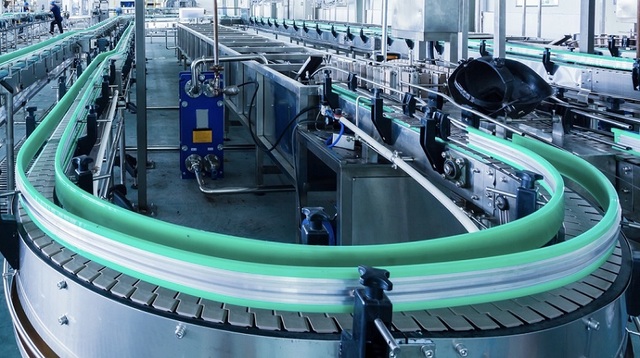
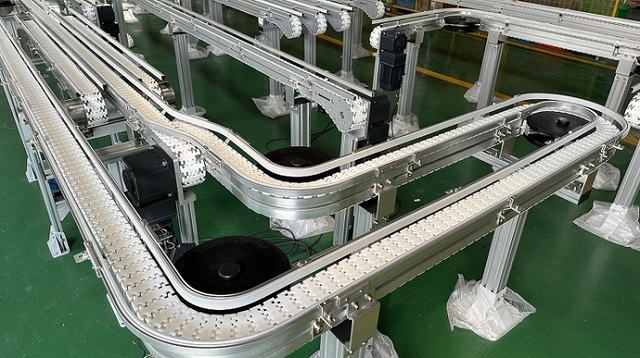
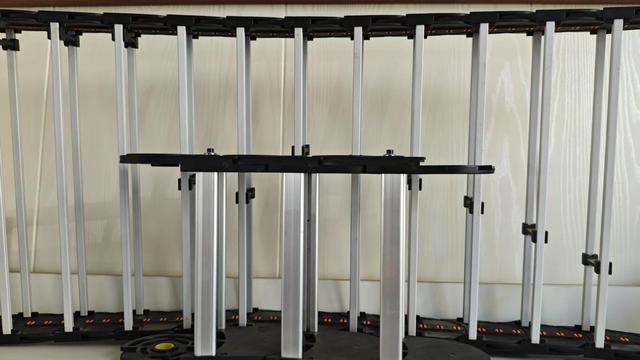
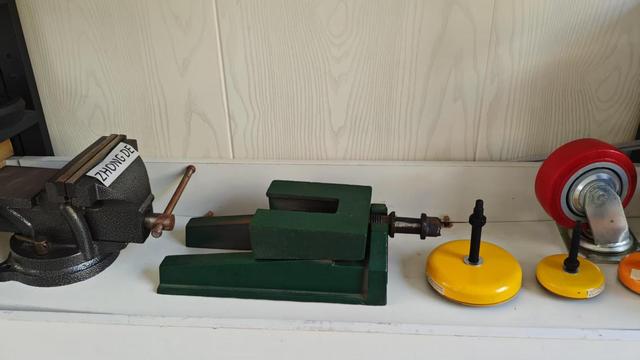
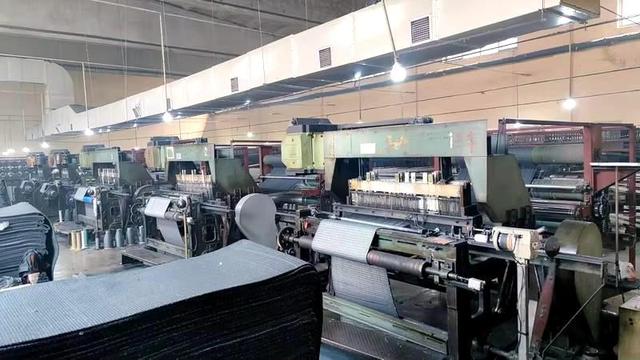
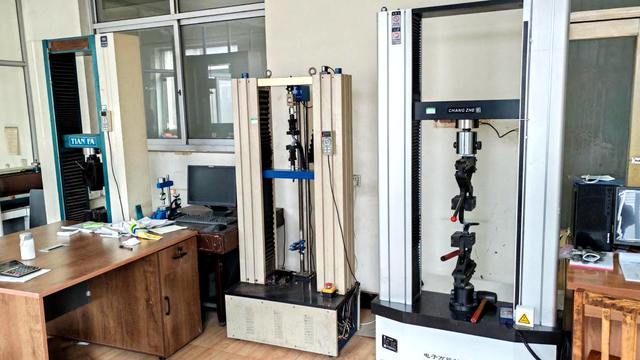
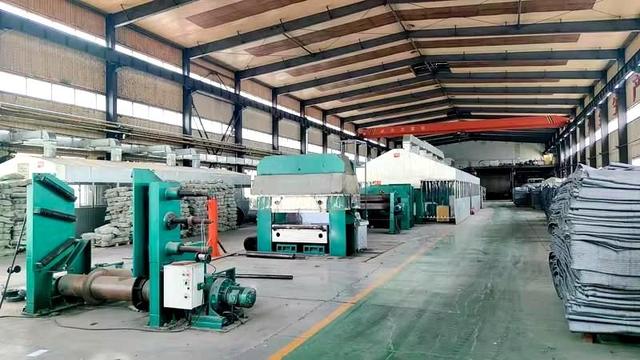
Our manufacturing facility is equipped with modern production equipment and strict quality control systems to ensure durability, reliability, and consistent performance. Every conveyor solution undergoes comprehensive testing and inspection before delivery, helping customers achieve smooth and uninterrupted material handling operations. In addition to standard products, Dongguan Trakkx Tech Co., Ltd. offers flexible OEM and ODM services for global distributors, system integrators, equipment manufacturers, and industrial brands. We are committed to providing innovative conveying solutions that adapt to evolving industry needs and support long-term business growth.
Serving customers across North America, Europe, Southeast Asia, the Middle East, and other international markets, Trakkx Tech has established a reputation for quality, efficiency, and customer-focused service. Our mission is to become a trusted global partner for advanced conveyor belt systems and intelligent material handling solutions.
The convergence of digital technology and heavy machinery is reshaping agricultural logistics. Modern US commercial operations are moving away from reactive repair paradigms toward predictive maintenance frameworks. In heavy grain terminals, the implementation of sensor-enabled conveyor systems is becoming standard practice. Thermal imaging sensors, vibration detectors, and photoelectric sensors are placed along long conveyor lines to continuously monitor pulley alignments, bearing heat signatures, and real-time belt wear.
Environmental sustainability is also driving development in crop handling components. Next-generation rubber compounds are designed with low-rolling-resistance (LRR) technologies, reducing the electrical energy requirements of drive motors by up to 15%. For large-scale installations running miles of conveyor tracks, this translates to substantial utility savings and alignment with corporate decarbonization goals.
Furthermore, modular conveying structures are gaining traction. By utilizing interconnected modular chains rather than continuous vulcanized runs, farm operators can execute quick replacements of localized damaged segments in minutes, rather than suffering hours of downtime. The adaptability of modular PVC and PU configurations makes them highly suitable for sorting facilities handling variable yields across seasons.
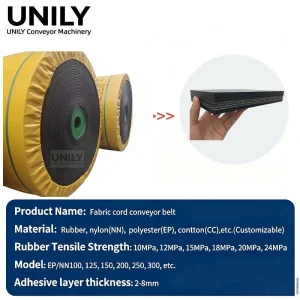
Procuring conveyor belts directly from global manufacturing bases requires strict adherence to technical parameters to avoid integration failures. Buyers must prioritize clear communications regarding carcass types, tensile strengths (e.g., EP100 to EP400 ratings), and cover thicknesses (such as a 3mm top cover and 1.5mm bottom cover). Defining the exact operating conditions, chemical exposures, and mechanical loads is essential to ensure that delivered products meet the performance expectations of the US industrial environment.
Logistical planning is another crucial pillar of procurement optimization. Shipping large vulcanized rubber rolls or heavy structural steel conveyors from Dongguan manufacturing facilities to major US ports (such as Los Angeles, Long Beach, or Savannah) demands experienced customs brokerage and standardized packaging. Secure packaging protects the belts from moisture exposure and deformation during ocean transit, ensuring that they arrive ready for immediate installation and operation.
Each material serves a distinct operational zone. Rubber belts offer superior abrasion and physical impact resistance, making them ideal for heavy bulk products like raw grains, field harvests, sand, and rocks. PU (Polyurethane) is highly resistant to animal fats and vegetable oils, offering an easy-to-clean, non-porous structure that complies with FDA/USDA requirements for direct food-contact packaging. PVC is a cost-effective, versatile option suitable for general packaging, sorting lines, and environments with moderate chemical exposure.
During the movement of dry grains, friction between the conveyor belt and steel pulleys generates high static voltage. In the dust-filled environments of grain silos, an electrostatic discharge can ignite suspended organic dust, leading to catastrophic explosions. Anti-static belts (conforming to ISO 284 or DIN 22104 standards) incorporate conductive carbon components into the rubber formulation, safely dissipating static charges and minimizing the risk of ignition.
To deliver a precise custom solution, our engineering team requires details on belt width, overall length, tensile strength requirements (e.g., EP-200 or EP-400), carcass fabric layer counts, top/bottom rubber cover thicknesses, expected operating temperatures, angle of incline (to determine if cleats or rough top profiles are necessary), and chemical exposure profiles (such as oils, acids, or food-contact requirements).
We deploy a comprehensive quality control protocol at every production milestone. Raw rubber and polymers are lab-tested for chemical composition and elasticity. The calendering and curing processes are monitored via automated digital systems to maintain uniform vulcanization. Finally, completed belts undergo rigorous physical trials—including tensile elongation tests, abrasion resistance ratings, and dimensional stability audits—prior to export preparation.
Soybeans, sunflower seeds, and canola release natural oils when crushed or rubbed during transit. Standard utility-grade rubber absorbs these oils, leading to swelling, structural warping, tracking failures, and eventual delamination of the plies. Utilizing oil-resistant nitrile or neoprene-modified rubber covers prevents this absorption, maintaining belt tension and maximizing system lifetime under oily conditions.
Typical production times for customized configurations range from 10 to 20 days depending on volume and specification complexity. Ocean freight shipping from Chinese ports to US West Coast ports (e.g., LA/Long Beach) requires approximately 14 to 18 transit days, while East Coast ports (e.g., Savannah, New York) take roughly 25 to 30 days. We coordinate all logistics phases, ensuring seamless customs documentation clearance for our American customers.
Consult with our engineering department today for custom CAD drawings, material safety data sheets, and competitive global logistics quotes.
Send Inquiry Now Trakkx Tech