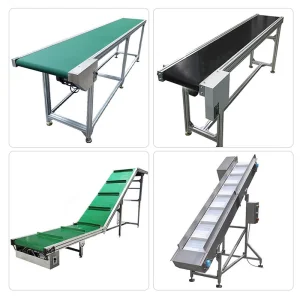
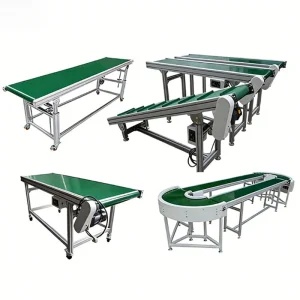
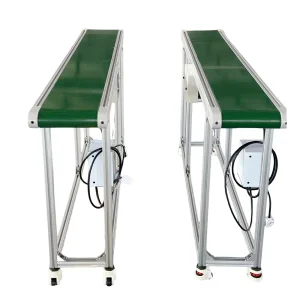
Engineered specifically to comply with both municipal agricultural demands in NY State and the highest FDA cleanroom standards. Explore our core mobile layouts and continuous conveyor setups.
The agricultural sector within New York State represents one of the region's largest economic drivers, spanning over 33,000 active farms that occupy nearly 7 million acres of land. Key operations clustered within upstate NY, the Genesee Valley, Finger Lakes, and Long Island vineyards depend deeply on optimized grain handling, high-yield vegetable sorting, dairy feed supply chains, and complex packaging facilities.
To thrive in this local market, conveyor belt systems must withstand drastic seasonal shifts. In the winter months, sub-zero storage and raw material transport call for rubber compounds configured with low-temperature cracking resistance. Conversely, summer harvest cycles demand anti-stick, high-abrasion resilience for root crops like potatoes and sugar beets. Our local distribution strategy aligns with local machinery setups, providing quick-swap replacement belts, antistatic components, and high-grip profiles designed to mitigate downtime during crucial harvest windows.
Analytical metrics revealing structural market dynamics, technical trends, and raw material cost optimization.
Internationally, the agricultural conveyor market is experiencing a significant shift toward intelligence-driven processing. Global demand is no longer satisfied by standard vulcanized rubber strips; modern farms and sorting centers require complex multilayer fabrics (polyester-nylon, nylon-nylon) that deliver high load performance without stretching. This is coupled with growing demands for eco-friendly thermoplastic polyurethane (TPU) surfaces that prevent microbial growth and facilitate chemical cleaning without deteriorating.
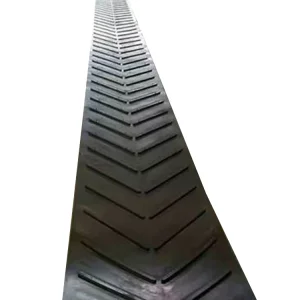
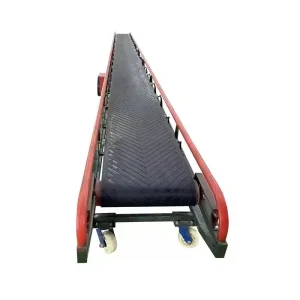
Built for steep-incline operations and harsh farm fields. These systems ensure uninterrupted flow of bulk grain, soil, and materials.
Dongguan Trakkx Tech Co., Ltd. is a professional China conveyor belt manufacturer specializing in industrial material handling and conveying solutions for a wide range of industries worldwide. With years of experience in conveyor technology, we provide reliable, efficient, and customized conveyor systems that help businesses optimize production processes, improve workflow efficiency, and reduce operational costs.
Our product portfolio includes conveyor belts, belt conveyor systems, modular conveyors, roller conveyors, inclined conveyors, assembly line conveyors, packaging conveyors, and customized material handling equipment. Designed to meet the demanding requirements of modern manufacturing environments, our solutions are widely used in logistics, food processing, electronics, automotive, warehousing, packaging, pharmaceuticals, and industrial production facilities.
At Trakkx Tech, we combine engineering expertise with advanced manufacturing capabilities to deliver high-performance conveying systems tailored to specific customer applications. Our experienced technical team works closely with clients throughout the entire process, from project consultation and system design to prototyping, production, installation support, and after-sales service.
Our manufacturing facility is equipped with modern production equipment and strict quality control systems to ensure durability, reliability, and consistent performance. Every conveyor solution undergoes comprehensive testing and inspection before delivery, helping customers achieve smooth and uninterrupted material handling operations.
In addition to standard products, Dongguan Trakkx Tech Co., Ltd. offers flexible OEM and ODM services for global distributors, system integrators, equipment manufacturers, and industrial brands. We are committed to providing innovative conveying solutions that adapt to evolving industry needs and support long-term business growth.
Serving customers across North America, Europe, Southeast Asia, the Middle East, and other international markets, Trakkx Tech has established a reputation for quality, efficiency, and customer-focused service. Our mission is to become a trusted global partner for advanced conveyor belt systems and intelligent material handling solutions.
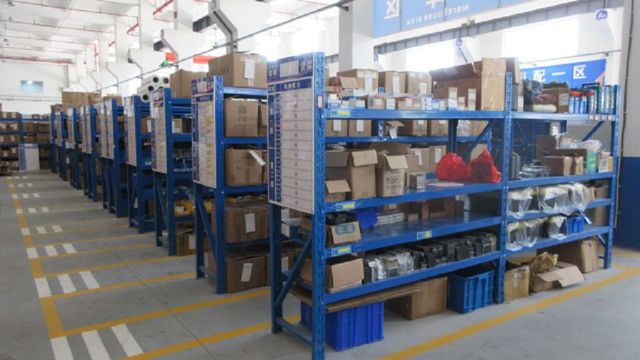
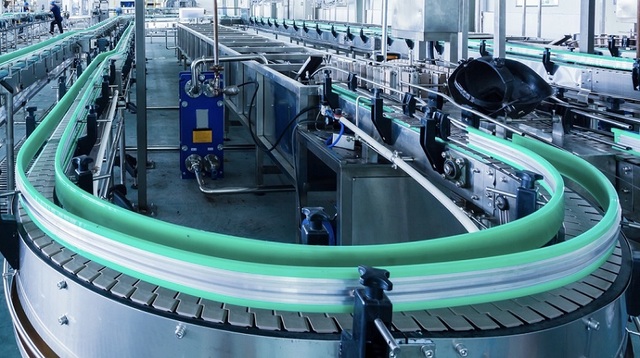
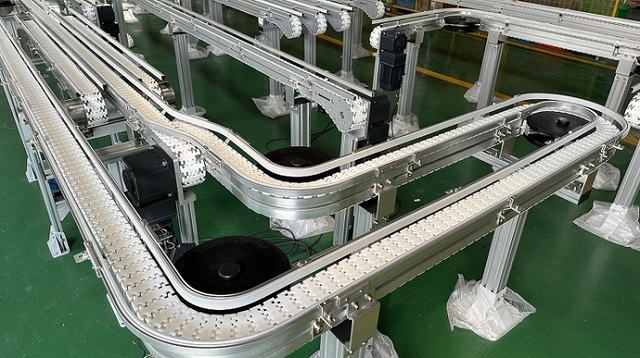
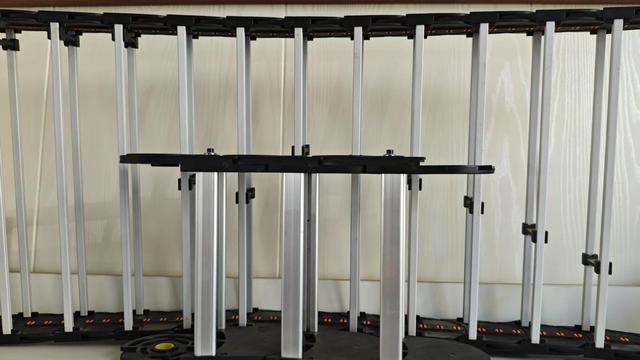
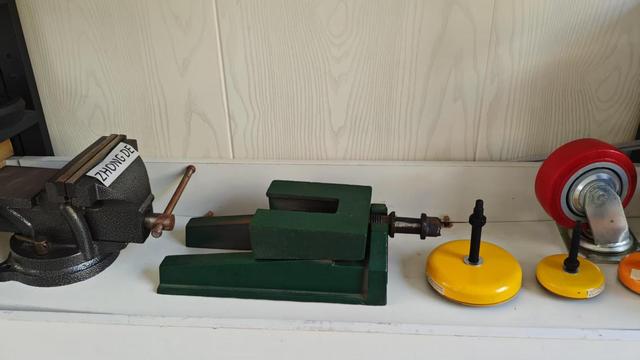
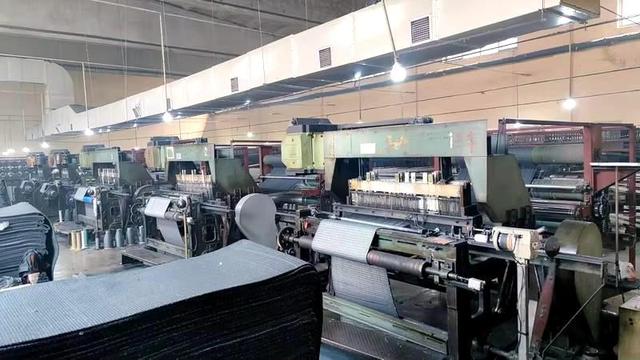
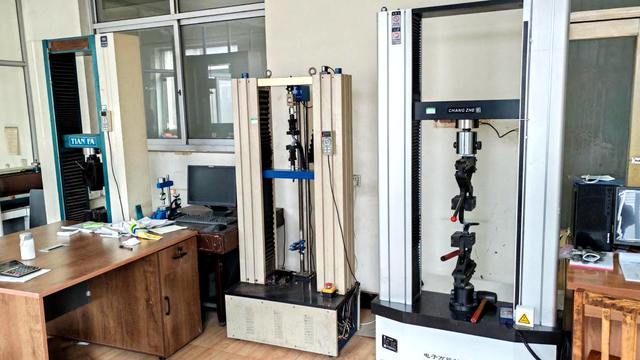
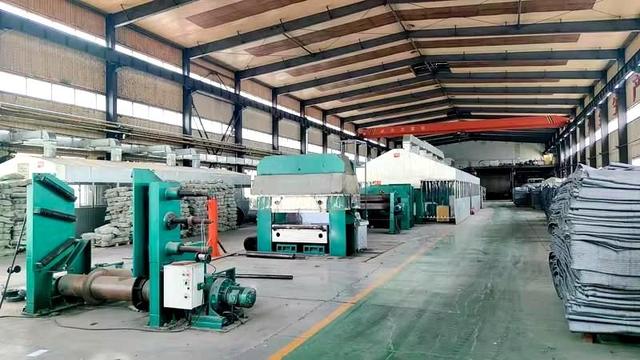
Located in Dongguan, the hardware capital of South China, Trakkx Tech draws upon an integrated supply chain ecosystem. Unlike localized domestic fabricators, our factory leverages direct raw-material relationships, cutting-edge automated cutting machinery, and scale efficiencies. This translates to a massive reduction in unit manufacturing costs, coupled with rapid prototype iterations. Sourcing from our Dongguan facility guarantees New York operators highly competitive pricing, custom engineering turnarounds that beat local machine shops, and rigorous testing methodologies that meet standard ISO, FDA, and CE quality metrics.
From harvest to packaging, agricultural conveying requires specialized belt properties to prevent spoilage, slippage, and downtime.
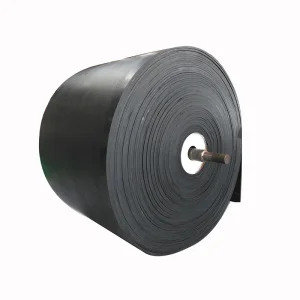
Handling loose wheat, corn, and barley requires high-capacity rubber belts that can run continuously in vertical elevator legs. Our anti-static EP fabric prevents combustion in dust-heavy silo environments, while specialized compound layers protect against oil decay caused by natural seed coatings.
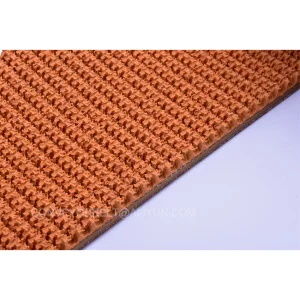
Potatoes, carrots, and onions carry abrasive soil and rocks straight from NY fields. Our rough-top, high-grip rubber belts are formulated with high-tensile resistance (up to 8MPa) to withstand constant scratching, impact, and continuous exposure to water washing cycles.
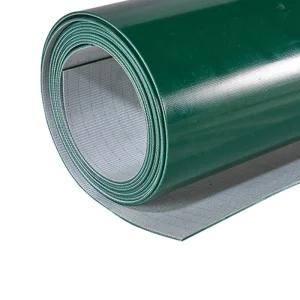
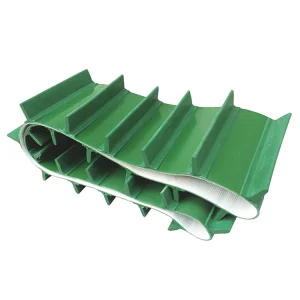
In fruit sorting, particularly apple farms, preventing bruising is critical. We supply flexible, food-safe PU and PVC belts configured with custom height cleats and sidewalls that gently elevate delicate fruits through clean wash and size sorting lines.
Where material science meets mechanical automation to define the next generation of conveyor lines.
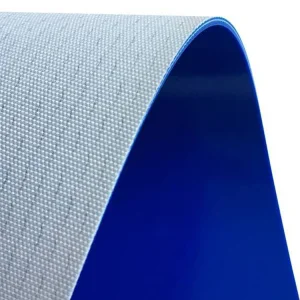
Traditional fabric-plies can act as porous breeding grounds for bacteria, mold, and odor. Next-generation agricultural operations are shifting to homogeneous thermoplastic polyurethane (TPU) belts. Because these lack internal canvas plies, there is zero risk of delamination or fiber contamination reaching food products.
Integrating RFID chips and tension sensors into high-load rubber belts allows industrial grain operators to monitor alignment and wear in real-time. Sudden tracking errors or temperature spikes at the pulley interface trigger automated alerts, preventing catastrophic belt failures during peak seasonal periods.
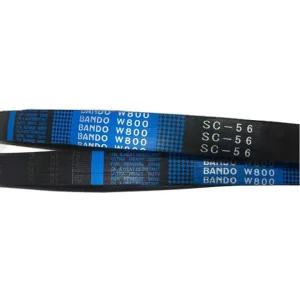
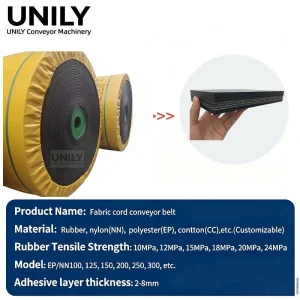
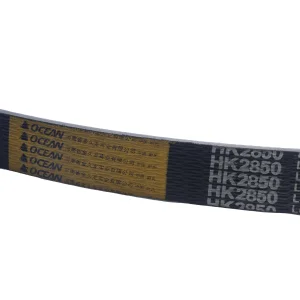
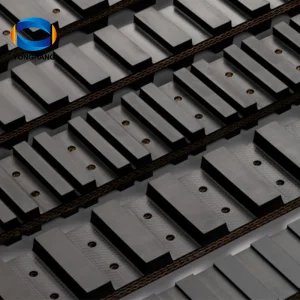
Our primary distribution catalog containing components, V-belts, sorting tracks, and multi-ply EP canvas solutions.
Evaluating suppliers on technical specifications is crucial to secure long-term component integrity.
When purchasing agricultural conveyor belts from overseas factories, procurement teams must carefully verify structural properties. First, confirm the chemical resistance profile of the rubber compound. In bulk storage installations, standard conveyor rubber can easily break down when exposed to fatty oils found in corn, soybeans, and other grain seeds. A high Nitrile (NBR) content or specialized oil-resistant PU formula is required to prevent swelling and edge curling.
Additionally, pay close attention to the carcass material. Standard fabrics can stretch under heavy load cycles, leading to slippage and premature wear on structural frames. Choosing high-load EP (Polyester-Nylon) fabrics ensures minimal elongation over time, maintaining optimal tension even across long transport spans. Finally, ensure that your supplier conducts ISO 284 anti-static testing and complies with FDA requirements for food-grade layouts.
Addressing essential technical and procurement queries for global and New York agricultural buyers.
Belt slippage typically occurs due to improper tensioning, worn pulley lagging, or surface contamination like moisture, soil, or organic crop residue. This can be resolved by selecting high-grip, rough-top rubber profiles (such as 100N/mm rough tops) and ensuring the drive pulleys feature diamond-groove rubber lagging to maximize traction.
PVC belts offer excellent resistance to chemical solvents and physical impacts at a budget-friendly price point, making them popular for general assembly lines and soil handling. PU (Polyurethane) belts, on the other hand, are highly flexible, offer superior resistance to vegetable oils and fats, and can withstand lower temperatures without cracking, making them ideal for direct food contact and sorting.
We provide full OEM and ODM services at our Dongguan factory. Our engineering team designs custom cleat profiles (T-cleats, C-cleats, and corrugated sidewalls) which are high-frequency welded onto the base belt. This guarantees a secure bond that will not peel or tear, even when conveying heavy bulk grains up steep inclines.
Standard fabrication of customized conveyor belts at Trakkx Tech takes approximately 7 to 15 working days, depending on specification complexity. Shipping to New York ports (such as the Port of NY & NJ) typically ranges between 20 to 30 days via ocean freight, while urgent, smaller-batch replacement orders can be shipped via air express within 5 to 7 days.
Connect directly with the engineering experts at Dongguan Trakkx Tech Co., Ltd. for custom quotes, material recommendations, and reliable global supply chain partnerships.
 Trakkx Tech