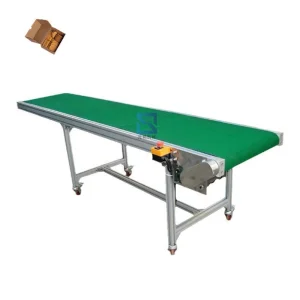
Engineered to satisfy strict food safety standards, including FDA, EU food contact regulations, and Australian sanitary metrics.
Western Australia, with Perth as its central industrial and economic hub, maintains distinct operational challenges within the logistics, food production, and agricultural domains. Operating at a significant distance from Australia's eastern seaboard, Perth-based industries place immense emphasis on supply chain independence, component reliability, and heavy-duty structural integrity. Conveyor belts are the vascular system of these production environments, facilitating fast-paced processes from local agricultural processing in Swan Valley to massive processing complexes in Canning Vale, Osborne Park, and Malaga.
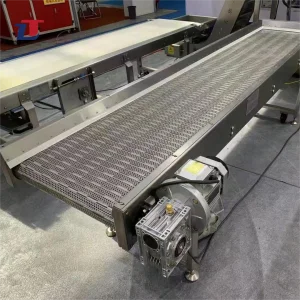
In food-grade environments, local regulatory frameworks like FSANZ (Food Standards Australia New Zealand) demand strict adherence to hygienic criteria. Manufacturers require conveyor components that minimize bacteriological harborage points while resisting chemical corrosion from CIP (Clean-in-Place) regimes. Meanwhile, Perth's hot climatic conditions require materials that resist UV aging, heat degradation, and hydrolysis. Thus, choosing the correct material chemistry—be it plastic modular grids, polyurethane (TPU), polyvinyl chloride (PVC), or stainless steel meshes—is key to achieving long-term mechanical reliability and regulatory compliance.
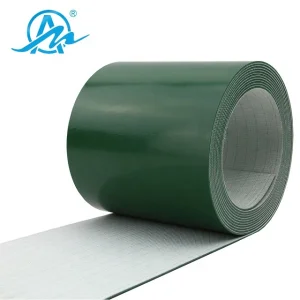
Across the globe, the material handling industry is moving away from basic elastomeric conveyor belts toward specialized multi-layered polymers and automated hygiene tracking. Traditional rubber belts, while structurally robust, present tracking issues and harbor biological film layers that are hard to remove. Modern solutions utilize TPU (Thermoplastic Polyurethane) and specialized food-safe PVC formulas that offer excellent oil and fat resistance, minimal stretch coefficients, and high cut resistance. Crucially, global regulatory bodies are encouraging the adoption of blue-colored belts to ease visual contamination identification during manual sorting and camera inspection processes.
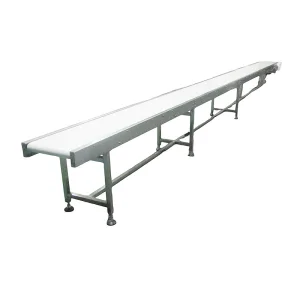
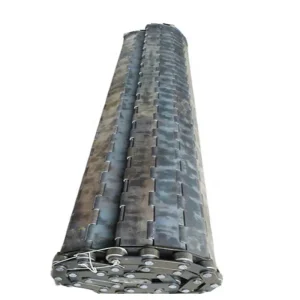
Providing custom configuration options to suit specialized manufacturing workflows, bulk material handling, and workshop transport operations.
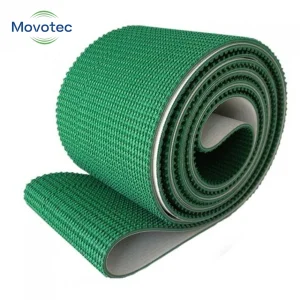
Food processing plants in Western Australia face various challenges, such as handling highly acidic juices in local vineyards or managing high-lipid animal fats in abattoirs. The selection of belt compounds is vital for ensuring long-term operational viability. Below is an engineering overview of the primary polymers and metals used in hygienic material handling systems:
| Belt Material Class | Standard Temperature Range | Fat & Oil Resistance | Clean-In-Place (CIP) Resistance | Primary Perth Industrial Application |
|---|---|---|---|---|
| Food-Grade TPU | -20°C to +90°C | Excellent | Very High | Poultry, Red Meat, Dairy & Seafood Processing |
| Hygienic PVC | -10°C to +80°C | Moderate | High | Fruit Sorting, Packaging Lines, Logistics Hubs |
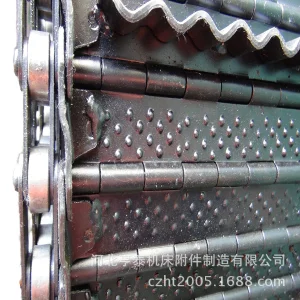
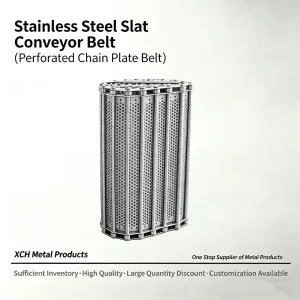
| Stainless Steel 316L | -50°C to +280°C | Outstanding | Outstanding | Baking Ovens, Blanchers, Blast Freezers |
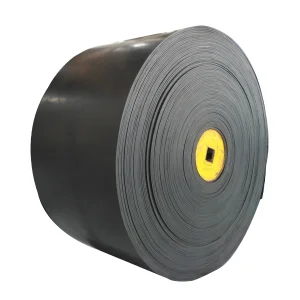
| Polyester EP Fabric | -30°C to +120°C | Low (Industrial) | Moderate | Grain Handling, Mining, Fertilizer Packaging |
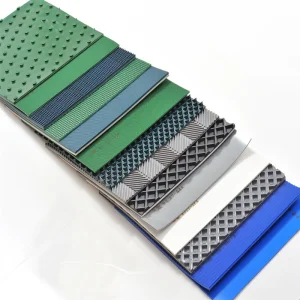
Modern conveyor belts feature microscopic surface profiles designed to reduce friction and minimize bacterial adhesion. Glossy surfaces are suited for sticky dough handling, while structured patterns (like waffle, diamond, or negative pyramid profiles) help release moist food items from the belt surface during transfer. Additionally, antimicrobial additives integrated directly into the polymer chain provide constant protection against microbes, preventing biofilms from forming within micro-cracks over the belt’s lifespan.
A leading manufacturer specializing in industrial material handling and conveying systems for global operations.
Dongguan Trakkx Tech Co., Ltd. is a professional China conveyor belt manufacturer specializing in industrial material handling and conveying solutions for a wide range of industries worldwide. With years of experience in conveyor technology, we provide reliable, efficient, and customized conveyor systems that help businesses optimize production processes, improve workflow efficiency, and reduce operational costs.
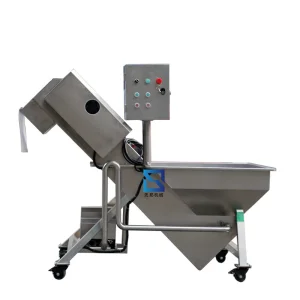
Our product portfolio includes conveyor belts, belt conveyor systems, modular conveyors, roller conveyors, inclined conveyors, assembly line conveyors, packaging conveyors, and customized material handling equipment. Designed to meet the demanding requirements of modern manufacturing environments, our solutions are widely used in logistics, food processing, electronics, automotive, warehousing, packaging, pharmaceuticals, and industrial production facilities.
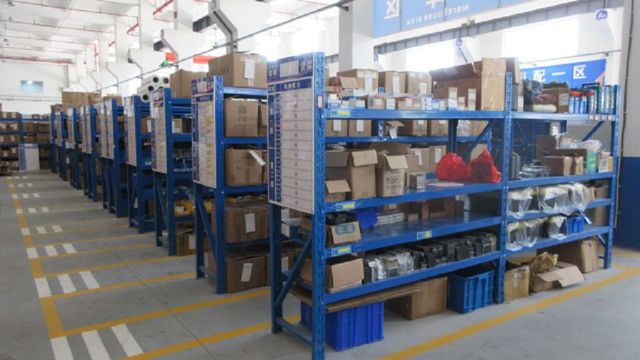
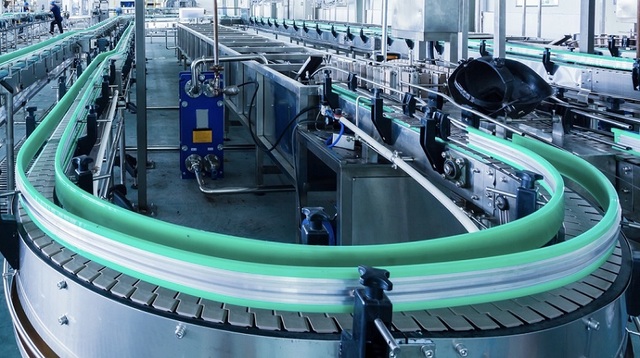
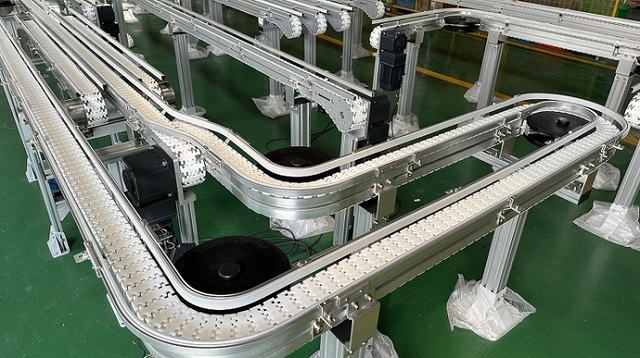
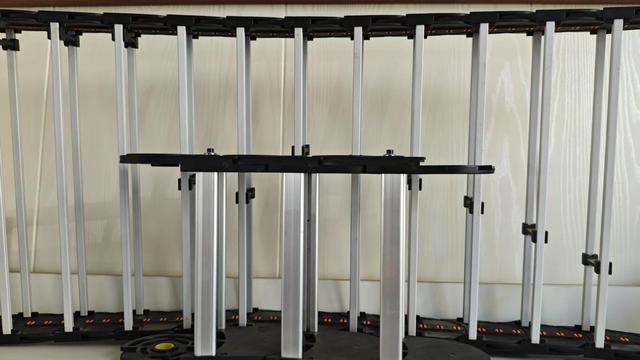
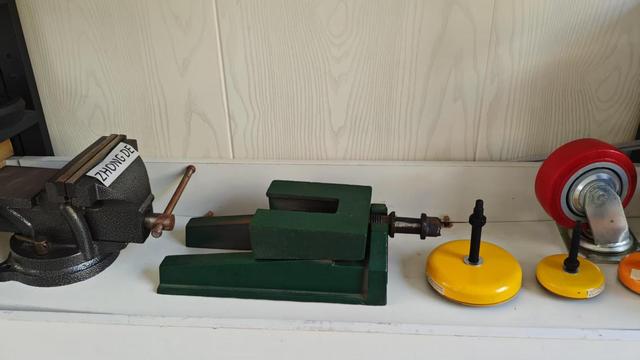
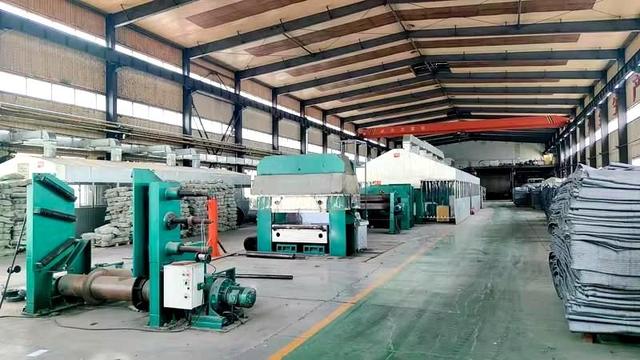
At Trakkx Tech, we combine engineering expertise with advanced manufacturing capabilities to deliver high-performance conveying systems tailored to specific customer applications. Our experienced technical team works closely with clients throughout the entire process, from project consultation and system design to prototyping, production, installation support, and after-sales service.
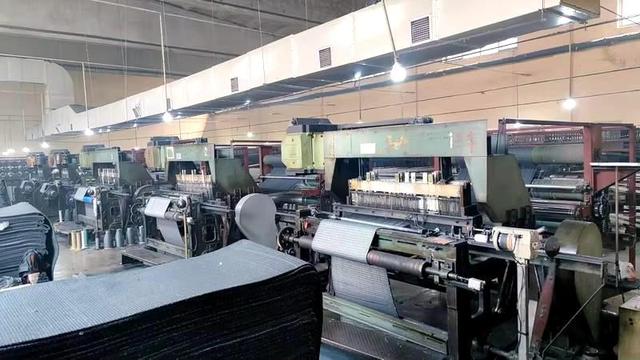
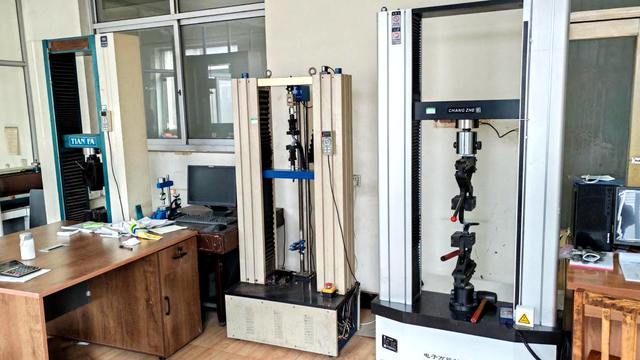
Our manufacturing facility is equipped with modern production equipment and strict quality control systems to ensure durability, reliability, and consistent performance. Every conveyor solution undergoes comprehensive testing and inspection before delivery, helping customers achieve smooth and uninterrupted material handling operations.
In addition to standard products, Dongguan Trakkx Tech Co., Ltd. offers flexible OEM and ODM services for global distributors, system integrators, equipment manufacturers, and industrial brands. We are committed to providing innovative conveying solutions that adapt to evolving industry needs and support long-term business growth.
Serving customers across North America, Europe, Southeast Asia, the Middle East, and other international markets, Trakkx Tech has established a reputation for quality, efficiency, and customer-focused service. Our mission is to become a trusted global partner for advanced conveyor belt systems and intelligent material handling solutions.
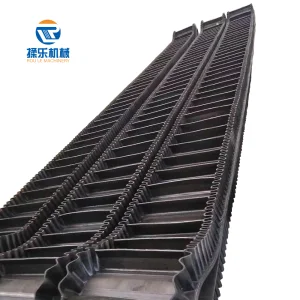
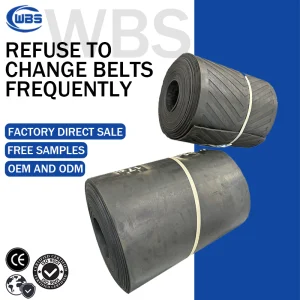
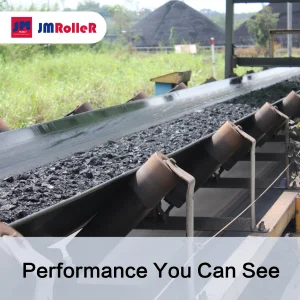
Engineered for high-impact resistance, abrasion resistance, and robust mechanical strength for bulk handling and mining operations.
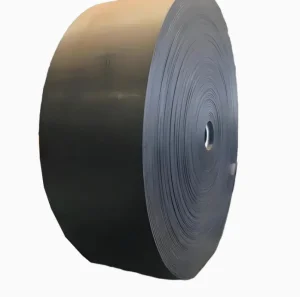
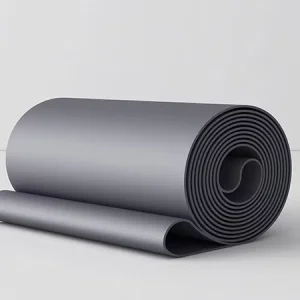
The manufacturing landscapes in Western Australia and globally are undergoing a shift driven by automated inspection, energy efficiency, and strict carbon accounting. Modern material transport equipment must perform reliably while contributing to carbon-reduction goals. Trakkx Tech is focused on integrating eco-friendly practices and smart technology into our product lines to support sustainable growth.
By embedding smart sensors into high-tensile steel cord and textile conveyor belts, operators can monitor belt health in real time. Dynamic parameters like tension distribution, edge wear, tracking misalignment, and thermal spikes are automatically transmitted to central monitoring systems. This shift from reactive maintenance to predictive maintenance helps prevent unscheduled downtime, which is especially costly in remote Western Australian processing plants.
Traditional synthetic rubbers depend heavily on petrochemical processes. Future developments focus on bio-based TPU formulations derived from renewable plant starches. These eco-friendly materials retain high chemical resistance and mechanical strength, helping businesses meet sustainability targets without sacrificing operational performance.
A significant portion of energy in conveyor systems is lost through bottom-cover friction over idlers. Advanced low-friction backings reduce this resistance, lowering the energy needed to drive long-distance systems by up to 15%. Implementing these technologies helps reduce greenhouse gas emissions and operational costs.
Contact Trakkx Tech’s engineering team today. We provide customized design, material selection support, and tailored manufacturing to suit your specific application.
Request Technical ConsultationAnswers to common questions regarding food-grade compliance, material performance, and industrial conveyor applications.
 Trakkx Tech