Trakkx Tech
Industrial Material Handling in Tokyo: Current Market Dynamics and Automation Trends
The Tokyo Metropolitan Area, as the economic engine of Japan, constitutes one of the most sophisticated industrial and logistics ecosystems globally. Driven by the proliferation of e-commerce, automated warehouse technologies (including advanced robotics, AGVs, and high-speed sorting systems), and high-precision manufacturing, the demand for high-performance conveyor belts has witnessed unprecedented transformation. In Tokyo's major logistics hubs—such as the Keihin Industrial Region, Ota City's precision manufacturing clusters, and massive distribution terminals near Tokyo Bay—uninterrupted operation and energy efficiency are no longer optional; they are critical operational imperatives.
"For modern Japanese logistics and industrial systems, conveying belts are no longer basic consumables. They are integrated sensor-supportive, energy-saving transmission components that directly determine system throughput and compliance with strict ESG metrics."
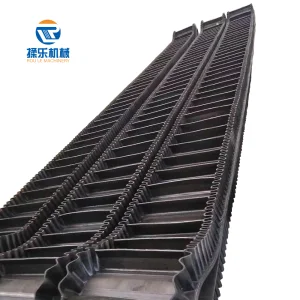
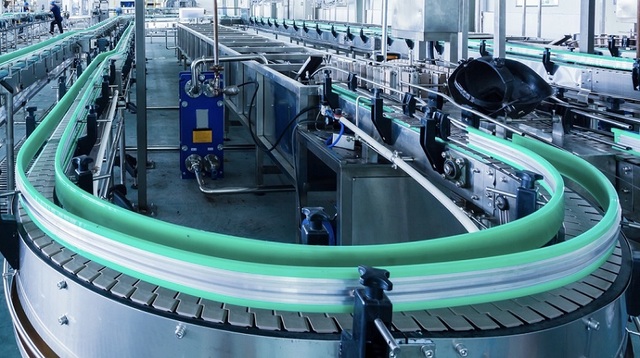
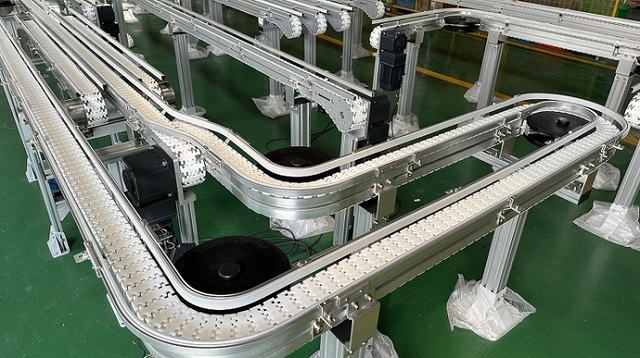
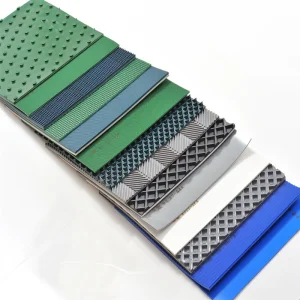
Tokyo's industrial operations face unique local constraints. High land valuation forces warehousing verticalization, resulting in complex spiral, inclined, and multi-tier sorting systems. This configuration requires belts with superior tensile strength, high lateral stability, and low coefficient of friction to minimize heat generation and electrical draw. Moreover, noise mitigation regulations (under Tokyo Metropolitan Environmental Protection Ordinance) require the application of noise-dampening textiles on the underside of conveyor belts, particularly for facilities operating 24/7 close to residential zoning zones.
Strategic Supply Chain Integration: The China-Tokyo Corridor
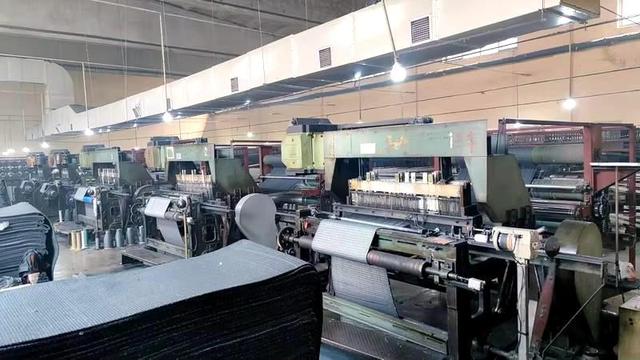
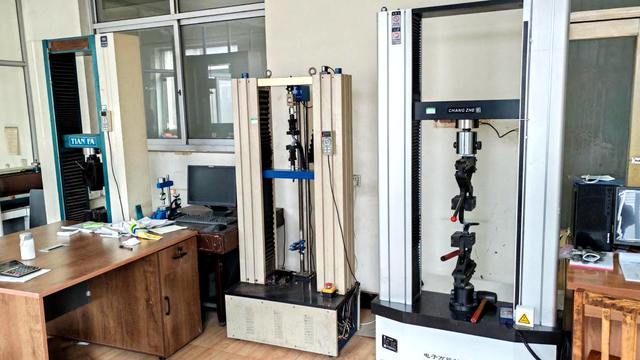
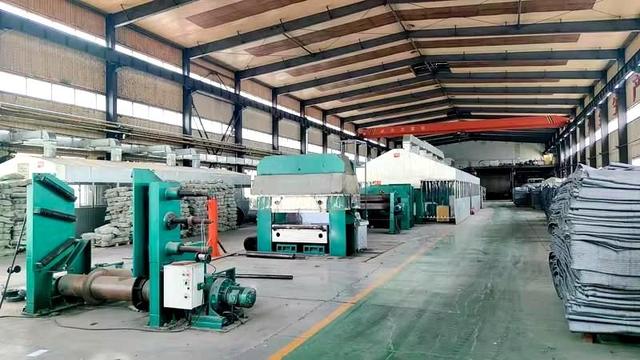
For Japanese system integrators and industrial plant managers, procurement is an exercise in balancing uncompromising quality standards against global macroeconomic cost pressures. This is where Dongguan Trakkx Tech Co., Ltd. offers structural advantages. By leveraging Dongguan's hyper-dense raw material supply chain and engineering expertise, Trakkx Tech manufactures belts that match the strict quality protocols of Japanese Industrial Standards (JIS) while realizing considerable cost efficiencies compared to domestic Japanese brands. Coupled with rapid shipping lines from Southern China ports to Yokohama and Tokyo Bay, the physical delivery latency is optimized to support just-in-time (JIT) facility maintenance schedules.