Direct access to our engineered-to-order conveyor belts configured for the high throughput logistics hubs and severe mining applications across São Paulo State.
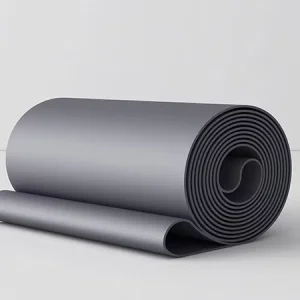
São Paulo stands as the economic engine of Brazil and the broader Mercosur region, contributing over 30% of Brazil's total GDP. The region acts as a high-density industrial corridor stretching from the ABC Region (the historical automotive and metalworking hub) to Campinas, Sorocaba, and the vital Port of Santos. In this demanding ecosystem, Industrial Material Handling Belts are the literal arteries of production lines, warehouse logistics, agricultural exports, and heavy manufacturing.
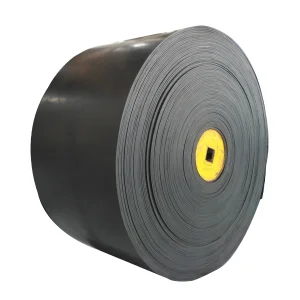
Unlike standard environments, São Paulo's industrial sectors operate under intense conditions marked by tropical climates, high relative humidity, and aggressive chemical exposures. For example, the food processing facilities in the countryside (such as Ribeirão Preto and Campinas) require FDA-compliant, antimicrobial polyurethane (TPU) and polyvinyl chloride (PVC) belts that prevent bacterial growth. Meanwhile, the heavy industrial operations along the logistics corridors of the Rodovia Anchieta and Rodovia dos Imigrantes demand high-tensile, multi-ply textile (EP/NN) belts capable of transporting severe abrasive loads like metallic ores, clinker, and cement continuously to the Port of Santos.
To meet the demands of Industry 4.0, conveyor belt technology is transitioning from simple load-bearing surfaces to highly engineered, smart mechanical components. Material science is at the core of this transition, focusing on compounding polymers and reinforcing internal cord designs to minimize energy consumption and eliminate sudden shear failures.
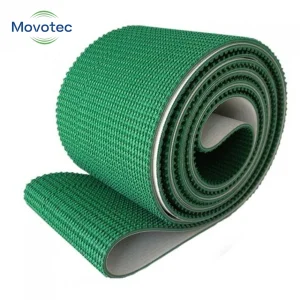
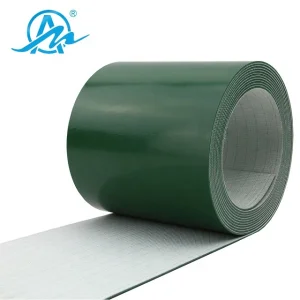
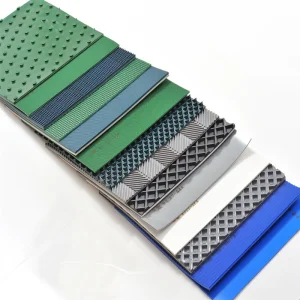
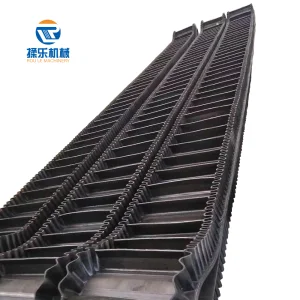
For lightweight manufacturing and warehouse sorting, traditional rubber is being replaced by TPU and specialized PVC. Our TPU coatings offer supreme resistance to vegetable oils, fats, and organic chemicals, which are crucial for food processing factories. The surface geometry is customized with rough-top, waffle, or diamond patterns to handle elevation changes up to 45 degrees without slippage.
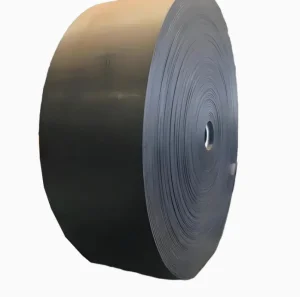
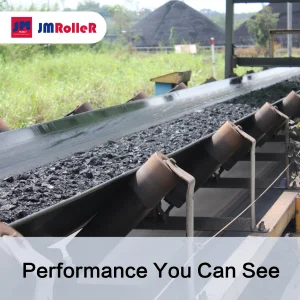
EP (polyester warp and polyamide weft) fabric offers low stretch elongation combined with high impact resistance. In high-tensile environments such as quarrying, mining, and aggregate production throughout São Paulo State, EP carcass construction ensures perfect troughability, enabling conveyor units to transport larger volume loads over long distances without belt mistracking.
Energy consumption represents up to 60% of a long-distance conveyor system's operating cost. By applying nano-composite structures to the bottom cover rubber, we minimize the indentation deformation of the belt as it passes over idlers. This technology decreases overall power consumption by up to 15%, aligning with the green energy initiatives of global corporations operating in Brazil.
Dongguan Trakkx Tech Co., Ltd. is a professional China conveyor belt manufacturer specializing in industrial material handling and conveying solutions for a wide range of industries worldwide. With years of experience in conveyor technology, we provide reliable, efficient, and customized conveyor systems that help businesses optimize production processes, improve workflow efficiency, and reduce operational costs.
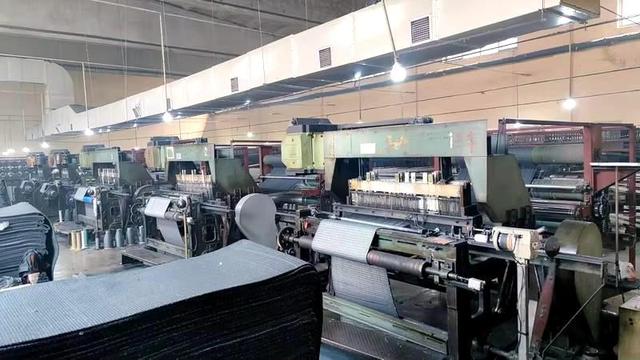
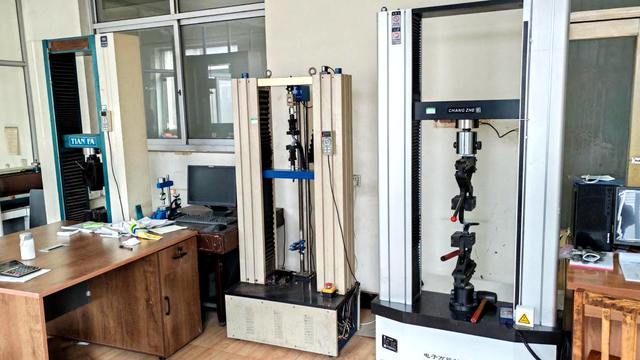
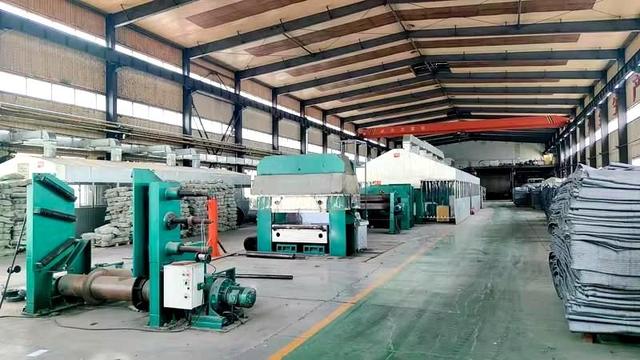
At Trakkx Tech, we combine engineering expertise with advanced manufacturing capabilities to deliver high-performance conveying systems tailored to specific customer applications. Our experienced technical team works closely with clients throughout the entire process, from project consultation and system design to prototyping, production, installation support, and after-sales service. Our modern production plant features automated vulcanization lines, precise thickness-control calendering machines, and advanced tensile testing rigs to guarantee structural integrity.
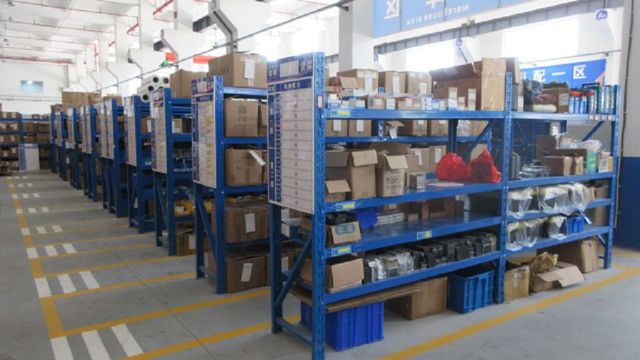
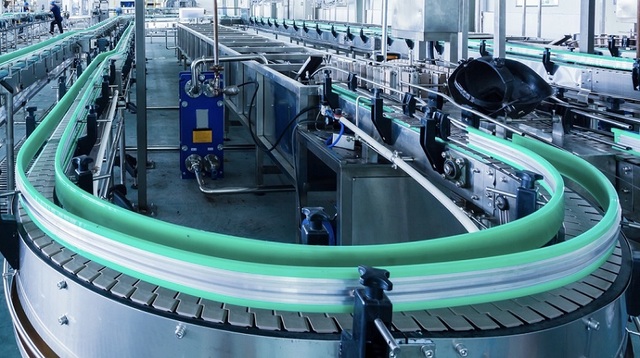
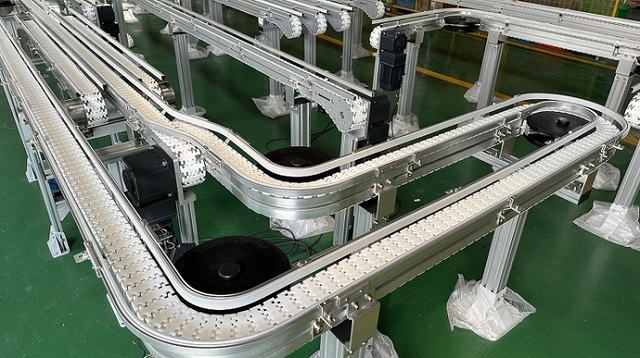
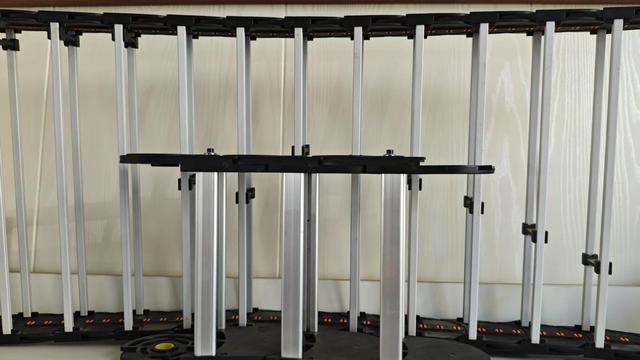
Our manufacturing facility is equipped with modern production equipment and strict quality control systems to ensure durability, reliability, and consistent performance. Every conveyor solution undergoes comprehensive testing and inspection before delivery, helping customers achieve smooth and uninterrupted material handling operations.
In addition to standard products, Dongguan Trakkx Tech Co., Ltd. offers flexible OEM and ODM services for global distributors, system integrators, equipment manufacturers, and industrial brands. We are committed to providing innovative conveying solutions that adapt to evolving industry needs and support long-term business growth. Serving customers across North America, Europe, Southeast Asia, the Middle East, and Latin American markets like São Paulo, Trakkx Tech has established a reputation for quality, efficiency, and customer-focused service.
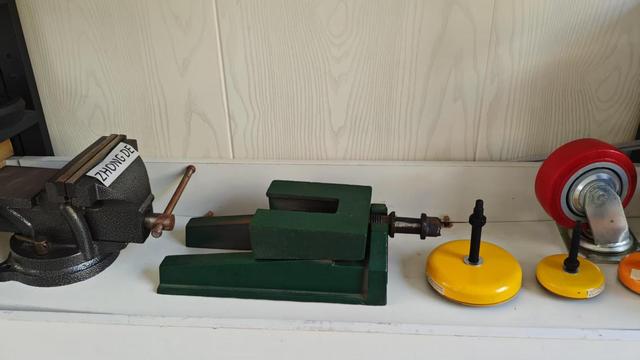
Exporting industrial material handling equipment to Brazil requires navigating complex regulatory standards and import protocols. As a strategic partner to São Paulo industries, we ensure all our products and systems conform to Brazilian local regulations:
Select your required material handling solution below. All products feature customizable width, ply configurations, and surface coatings.
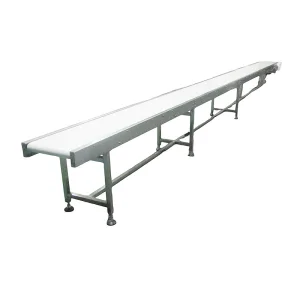
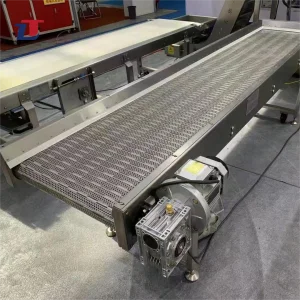
Engineered for complex structural routes, high inclinations, and precise positioning configurations within packing lines and processing plants.
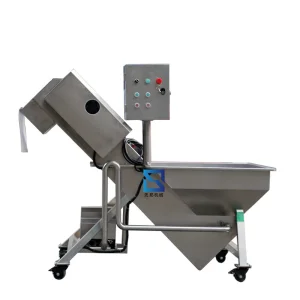
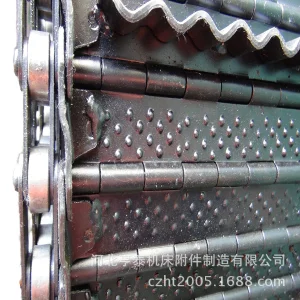
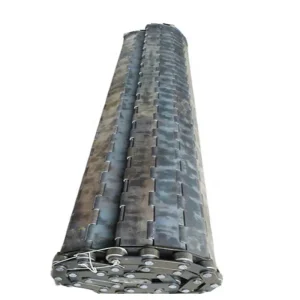
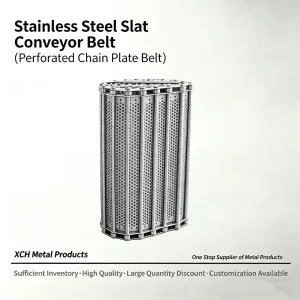
High-load modular steel slat conveyors designed to withstand extreme impact, lubricant runoff, and mechanical stress in mechanical machining and assembly lines throughout the ABC Region.
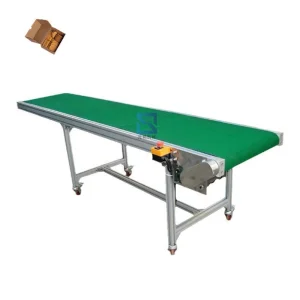
Low-noise, static-conductive PVC and TPU belts optimized for fast sorting warehouses in Cajamar, Guarulhos, and Campinas. High coefficient of friction prevents package shifts during fast accelerations.
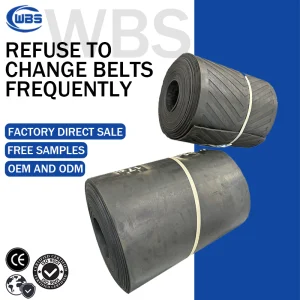
Heavy-duty EP/NN rubber belts built to resist environmental wear, UV exposure, and heavy abrasion. Ideal for moving bulk grains and sugar exports at port warehouses in Santos.
Direct answers to structural, chemical, and logistics questions commonly asked by procurement departments and system engineers in São Paulo.
Get in touch with our technical sales division. We provide comprehensive mechanical modeling, custom compound formulation, and end-to-end logistics solutions directly to the São Paulo industrial market.
 Trakkx Tech