Explore our elite collection of CE-marked PVC, PU, and industrial rubber belts engineered for extreme durability, food safety compliance, and maximum throughput stability.
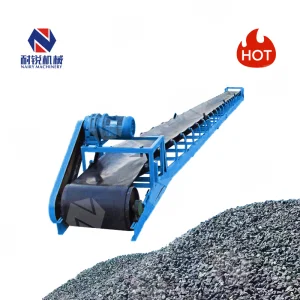
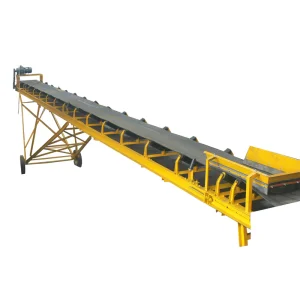
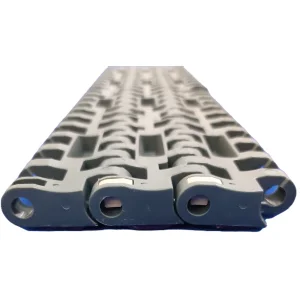
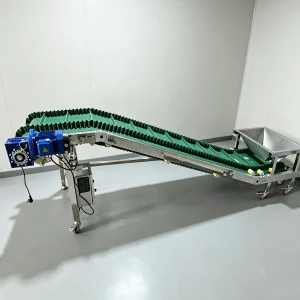
In the modern era of automated industrial logistics and high-throughput manufacturing, conveyor systems function as the vital circulatory system of production facilities. Among the various belting options, polyvinyl chloride (PVC) conveyor belts stand out due to their versatile chemical compound stability, custom texture variations, and excellent cost-efficiency metrics. Selecting a manufacturer and exporter that guarantees European Conformity (CE) certification is not merely a box-checking exercise for compliance—it is a baseline requirement that ensures operator safety, equipment reliability, and minimized downtime in highly demanding operational environments.
As a leading name in high-end material handling solutions, Dongguan Trakkx Tech Co., Ltd. has cemented its reputation as a prominent China conveyor belt manufacturer. Specializing in advanced industrial material handling systems, Trakkx Tech combines chemical engineering precision with state-of-the-art structural design to provide reliable, efficient, and customized conveyor belts. Our enterprise-scale production capacity, combined with rigorous testing laboratories, ensures that every square meter of belt exported to North America, Europe, Southeast Asia, and the Middle East conforms to absolute quality benchmarks.
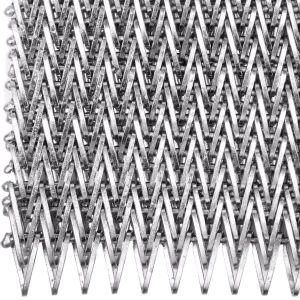
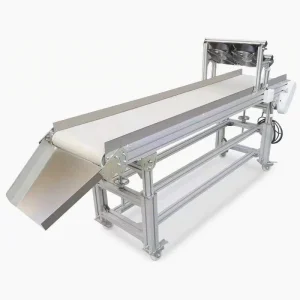
Our expansive product portfolio encompasses PVC conveyor belts, polyurethane (PU) food-grade tapes, modular plastic conveyors, high-impact rubber quarry belts, and flexible steel cord systems. We don’t just manufacture belts; we design tailored material handling pipelines that empower businesses to optimize production processes, improve workflow efficiency, and reduce overall operational costs.
How custom belting technology optimizes operational throughput, energy savings, and safety across major global industrial sectors.
High-speed sorting, distribution centers, and last-mile hubs demand extremely low-noise belts. Our flame-retardant and anti-static PVC belts are integrated with low-friction backings to reduce energy consumption in massive automated conveyor loops.
Hygiene is paramount. Our food-grade PU and PVC belts strictly adhere to FDA and EU 10/2011 regulations. Formulated with sealed edges, chemical washdown resistance, and antimicrobial coatings, they guarantee zero contamination.
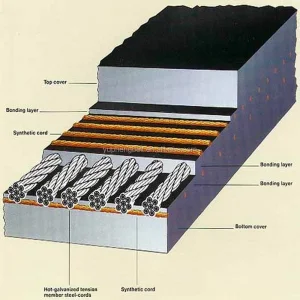
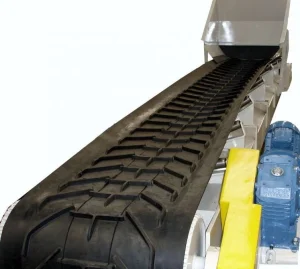
For quarrying, bulk ore handling, and coal transport, we produce premium ripstop reinforced rubber conveyor belts and steel cord systems. These belts endure severe mechanical impacts, high abrasion, and extreme outdoor weather elements.
CE Certification serves as the developer's declaration that the product conforms with the essential health, safety, and environmental protection requirements of all applicable European Directives. For industrial machinery parts like conveyor belts, this involves rigorous stress-testing of carcass tensile strength, flame retardancy (under standard ISO 340 test protocols), electrical conductivity (ISO 284 for anti-static behaviors), and toxicological safety of the polymer additives.
Understanding these specifications is crucial for systems integrators and factory engineers. The table below outlines the core differences in chemical formulation, strength profiles, and compliance features across Trakkx Tech's premium conveyor lineup:
| Belt Material Class | Typical Carcass Support | Shore Hardness (A) | Tensile Strength (N/mm) | Certifications & Compliance | Ideal Application Environment |
|---|---|---|---|---|---|
| Industrial PVC | Polyester (EP) / Nylon (NN) | 70 - 85 | 120 - 400 | CE, ISO 9001, REACH | General logistics, airport check-in, packaging lines |
| Food-Grade PU (Polyurethane) | Low-stretch rigid fabric warp | 80 - 95 | 80 - 250 | CE, FDA CFR 21, EU 10/2011 | Agro-food sorting, bakeries, raw meat, meat packaging |
| Heavy-Duty Rubber | Steel cord (ST) / Multi-ply EP | 60 - 75 | 500 - 3150 | CE, DIN 22102, ISO 15236 | Quarrying, coal mine processing, heavy bulk shipping |
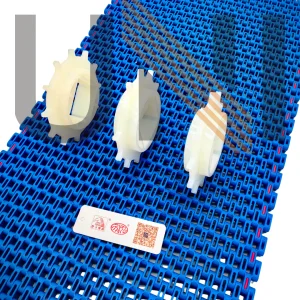
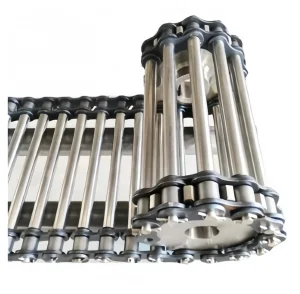
| Modular Plastic (PP/POM) | Interlocking pin system | - (Rigid) | N/A (Joint load capacity) | CE, FDA, USDA | Bottling lines, sterilization, spiral cooling systems |
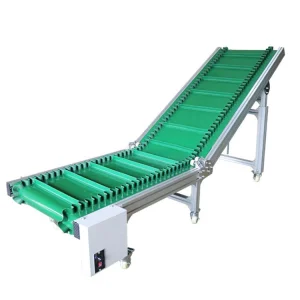
By using polyester (EP) or nylon (NN) fabric plies woven in-house, Trakkx Tech maintains strict control over the elongation-at-break metrics of the carcass. The high-tension warp and flexible weft ensure that our belts track perfectly right out of the box, mitigating edge wear and preventing premature structural failures. We offer specialized profile designs, including cleats, guide ribs, and corrugated sidewalls, to prevent material fallback in high-incline conveying setups.
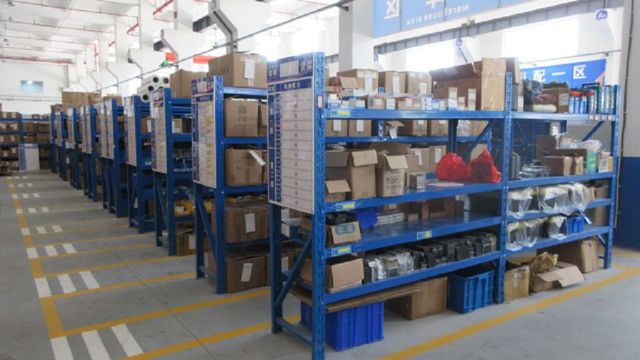
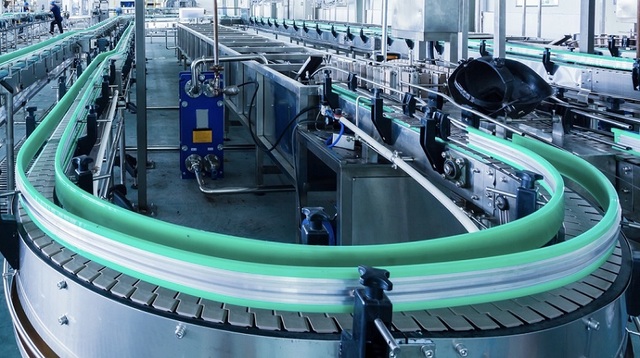
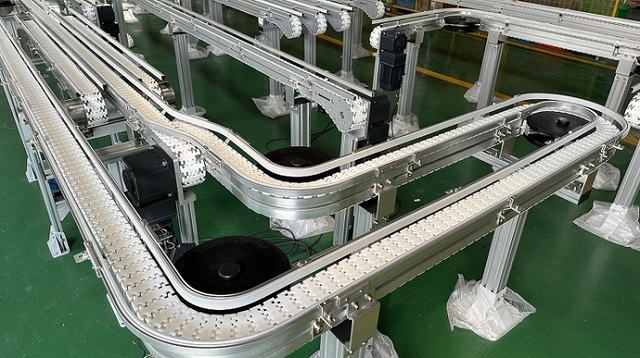
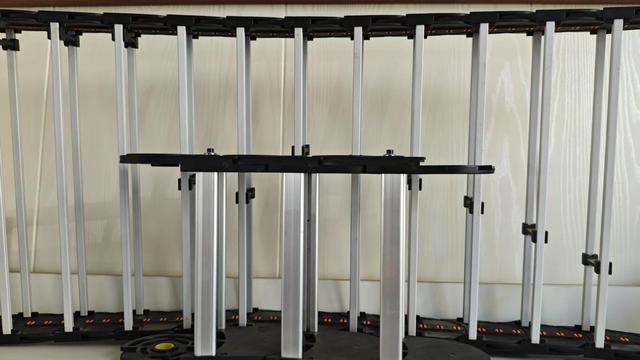
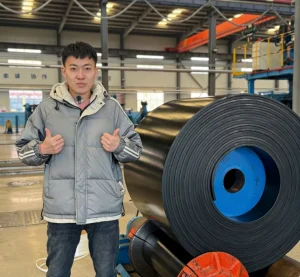
Inside Dongguan Trakkx Tech Co., Ltd.: Modern manufacturing lines, vulcanization presses, and state-of-the-art testing equipment supporting global distribution.
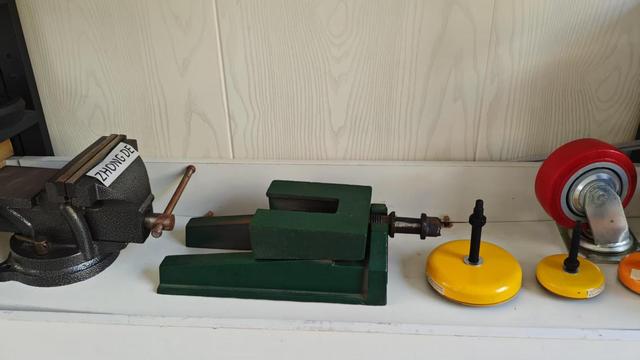
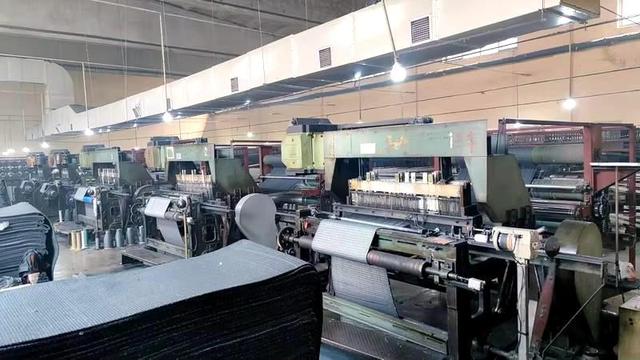
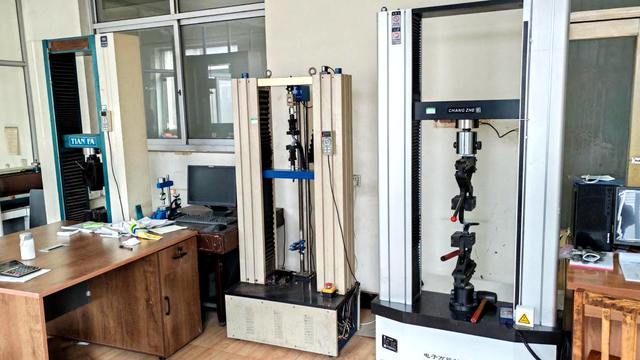
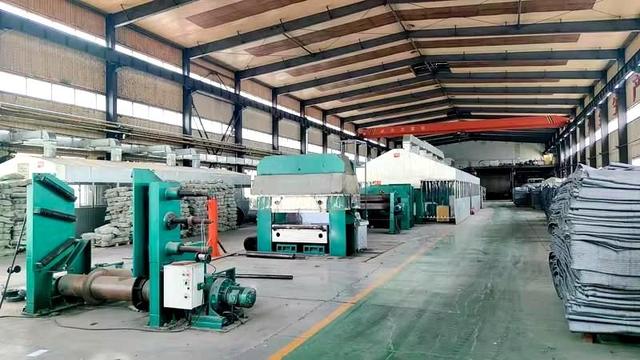
As a global exporter, we understand that industrial conveyor requirements vary drastically between climates, regulatory jurisdictions, and facility architectures. Our technical team works in close partnership with local distributors and system integrators to guarantee that the specified belt matches local realities:
Our localized support system extends beyond just export shipping. Through a network of verified global installation partners, Trakkx Tech offers professional on-site joint splicing, vulcanization workshops, laser-alignment tracking services, and emergency maintenance support. This ensures that global enterprises can enjoy both factory-direct pricing benefits and reliable localized post-sales services.
The convergence of material science and IoT sensor technology is rapidly transforming material handling. At Trakkx Tech, our R&D roadmap is heavily focused on green manufacturing and smart diagnostics:
1. IoT-Embedded Smart Belts: We are pioneering the integration of passive RFID tags and thin-film thermal sensors directly into the belt carcass. This allows sorting facilities and mines to monitor belt temperature, tracking errors, and rip occurrences in real-time, preventing catastrophic belt failures before they occur.
2. Eco-Friendly Thermoplastic Formulations: Traditional PVC can be difficult to recycle. We are actively expanding our line of eco-friendly, thermoplastic polyurethane (TPU) and bio-based ester belts that are completely recyclable at the end of their operational lifecycle, aligning with global carbon-neutrality initiatives.
3. Advanced Nano-Composite Covers: By utilizing graphene-infused rubbers and cross-linked polymers, our next-generation covers will double standard abrasion-resistance metrics while cutting the weight of heavy-duty belts by up to 15%, resulting in significant energy savings for continuous-running motors.
Clear, authoritative technical answers addressing key design and selection questions from procurement managers and field engineers.
Discover more professional conveying hardware designed by Dongguan Trakkx Tech, prioritizing mechanical stability and long service life.
 Trakkx Tech