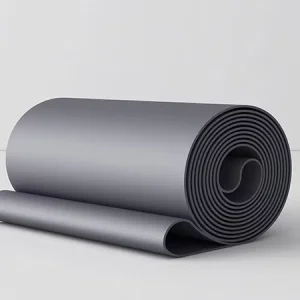
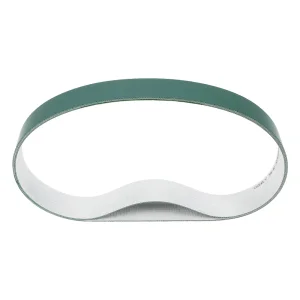
In the modern landscape of factory automation, logistical flow design, and mechanical design engineering, narrow width belts play an indispensable role. While typical heavy-duty industrial operations prioritize massive, wide belt systems capable of transporting tons of bulk materials, high-precision automated assembly lines, packaging setups, pharmaceutical processing, and electronics manufacturing rely heavily on specialized small-profile belts. These belts are engineered to fit compact footprints, manage delicate curves, perform zero-pressure accumulation, and seamlessly navigate tight spaces with minimal energy loss.
Selecting the correct narrow width conveyor belt is not simply a matter of dimension; it requires a deep understanding of polymer engineering, reinforcement fabrics, drive tracking dynamics, and edge finish treatments. With sizes typically spanning from 10mm to less than 300mm, these systems are subject to unique kinetic behaviors. For instance, narrow width structures exhibit lower lateral stability and are more prone to drift under uneven tension loading. Thus, sourcing from certified manufacturers who implement strict dimensional tolerances and advanced engineering patterns is critical for minimizing downtime and preventing tracking failure.
When global manufacturing giants and system integrators source belt solutions, they evaluate partners through a strict spectrum of parameters. To satisfy Google's E-E-A-T requirements, we outline these requirements below based on practical field experience:
Belts must comply with FDA regulations for direct food contact (e.g., in automated sushi chains or baking lines), possess anti-static properties (ESD-safe for semiconductor and circuit board assembly), or resist aggressive chemical solvents and oils in machining workshops.
Narrow profiles often require specialized thermo-vulcanized fingers or mechanical fasteners that won't compromise belt flexibility around micro-pulleys. Custom flight cleats (Z-type or L-type) must be fused homogeneously to prevent detachment.
The belt's inner core structure (EP fabric, steel cords, or aramid fibers) must allow extreme flex cycles over small diameter rollers without delaminating, splitting, or experiencing excessive elongation under high tension.
China has evolved from a mass-producer to a global leader in high-precision, customized industrial conveyor systems. Factories located in manufacturing hubs like Dongguan utilize advanced manufacturing ecosystems to deliver unmatched value to the global supply chain:
Using state-of-the-art automated slitting machines, Chinese manufacturers achieve width tolerances as low as ±0.5mm, ensuring that narrow-profile belts fit perfectly onto compact guiding rails without rubbing or wearing along the edges.
From raw synthetic rubber compounding and TPU/PVC extrusion to precision weaving of reinforcement fabrics, the local proximity of raw materials allows rapid prototyping, lowering manufacturing lead times to under 10 days for custom specifications.
Unlike rigid traditional western manufacturers that require massive minimum order quantities (MOQs) for custom designs, Chinese facilities provide agile, custom profiling (e.g., customized cleats, guide ropes, perforations, and anti-static coatings) for small-batch test runs.
Precision micro-conveying is a foundational component of many global industries. Let's look at the specific use-cases where specialized narrow width belts prove critical:
Challenge: Static discharge can destroy microchips and sensitive electronic components on conveyor tracks.
Solution: Specialized ultra-narrow, anti-static (ESD) PU belts designed for smooth, flat, vibration-free transport of circuit boards through pick-and-place systems.
Challenge: Heavy oil, moisture, and strict sanitation audits call for zero bacterial harbor points.
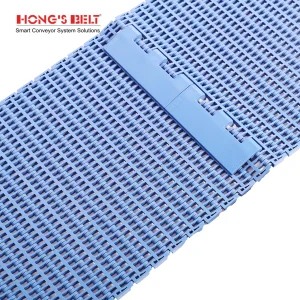
Solution: Homogeneous blue PU modular or flat narrow belts featuring sealed edges to block moisture ingress, resisting clean-in-place (CIP) chemicals.
Challenge: Rapid start-stop cycles, slip requirements, and precision package sorting lines.
Solution: High-friction, reinforced rubber or structured PU belts integrated with pop-up cleated modules to safely elevate and redirect carton products.
The conveyor belt industry is shifting toward smart, ecological, and resilient solutions. As AI automation tools optimize sorting configurations, manufacturers are developing smart belts equipped with RFID tracking tags and integrated temperature sensors. Additionally, carbon-reduction mandates from global brands have increased demand for bio-sourced polyurethanes and recyclable thermoplastic elastomers (TPE).
Another emerging technological trend is the use of laser-textured traction surfaces. By etching microscopic patterns onto the belt surface, manufacturers can optimize friction coefficients dynamically, eliminating the need for sticky chemicals or thick rubber coatings that degrade over time.
Dongguan Trakkx Tech Co., Ltd. is a professional China conveyor belt manufacturer specializing in industrial material handling and conveying solutions for a wide range of industries worldwide. With years of experience in conveyor technology, we provide reliable, efficient, and customized conveyor systems that help businesses optimize production processes, improve workflow efficiency, and reduce operational costs.
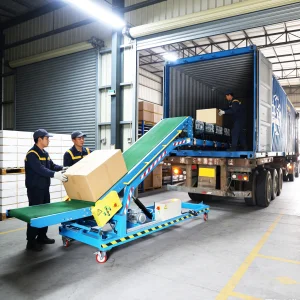
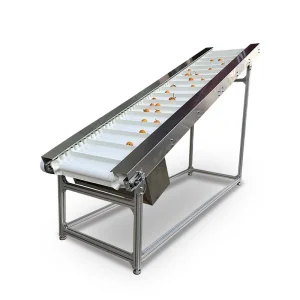
Our product portfolio includes conveyor belts, belt conveyor systems, modular conveyors, roller conveyors, inclined conveyors, assembly line conveyors, packaging conveyors, and customized material handling equipment. Designed to meet the demanding requirements of modern manufacturing environments, our solutions are widely used in logistics, food processing, electronics, automotive, warehousing, packaging, pharmaceuticals, and industrial production facilities.
At Trakkx Tech, we combine engineering expertise with advanced manufacturing capabilities to deliver high-performance conveying systems tailored to specific customer applications. Our experienced technical team works closely with clients throughout the entire process, from project consultation and system design to prototyping, production, installation support, and after-sales service.
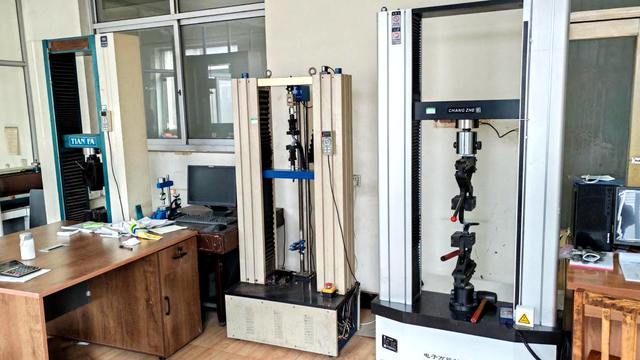
Our manufacturing facility is equipped with modern production equipment and strict quality control systems to ensure durability, reliability, and consistent performance. Every conveyor solution undergoes comprehensive testing and inspection before delivery, helping customers achieve smooth and uninterrupted material handling operations.
In addition to standard products, Dongguan Trakkx Tech Co., Ltd. offers flexible OEM and ODM services for global distributors, system integrators, equipment manufacturers, and industrial brands. We are committed to providing innovative conveying solutions that adapt to evolving industry needs and support long-term business growth.
Serving customers across North America, Europe, Southeast Asia, the Middle East, and other international markets, Trakkx Tech has established a reputation for quality, efficiency, and customer-focused service. Our mission is to become a trusted global partner for advanced conveyor belt systems and intelligent material handling solutions.
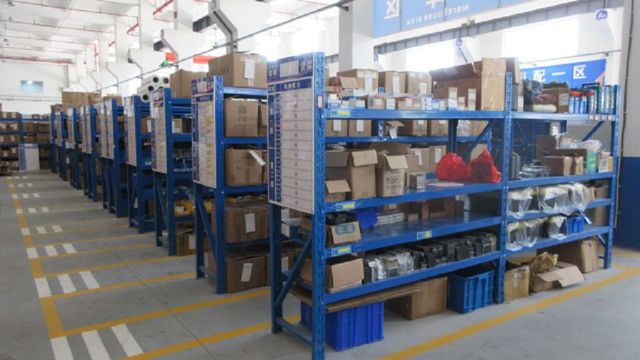
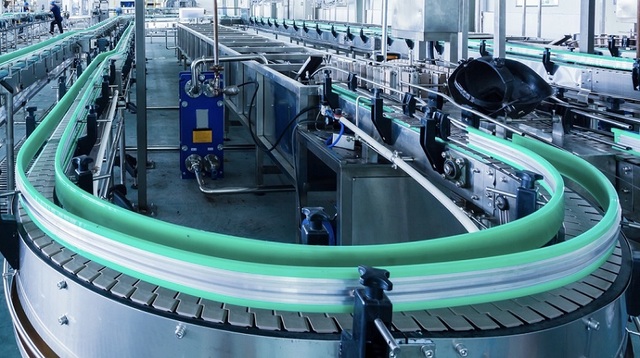
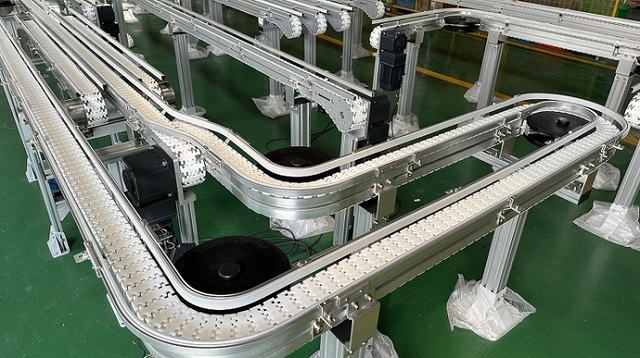
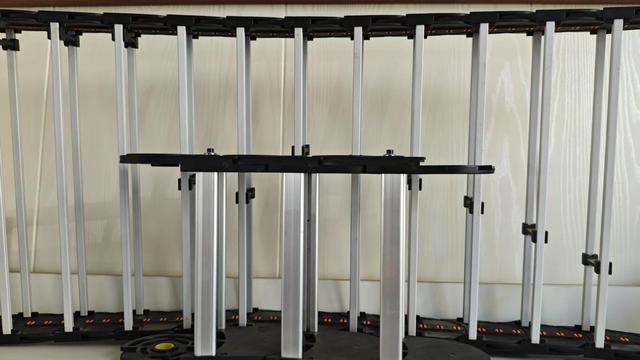
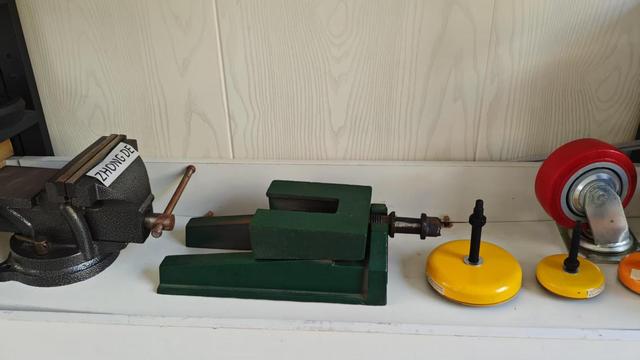
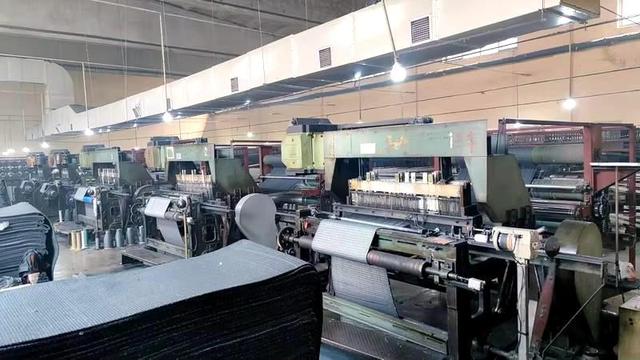
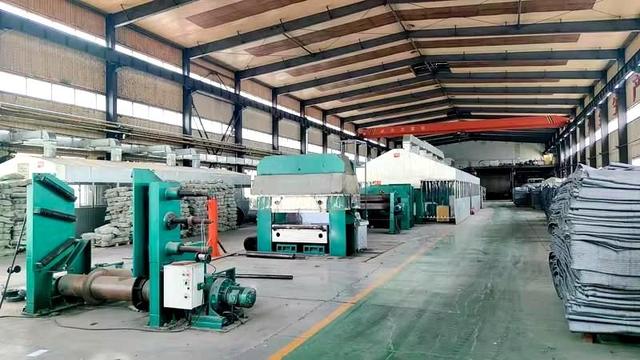
Explore our advanced manufacturing environment, equipped with high-precision extrusion machinery, automated vulcanization presses, and rigid quality inspection test rigs.
Before finalizing bulk orders for narrow width conveyor systems, ensure your engineering team reviews the following technical parameters:
Verify the minimum pulley diameter requirements for your chosen belt material. Forcing a thick or multi-ply narrow belt around tight pulleys will lead to rapid fatigue cracking, delamination, and joint failure.
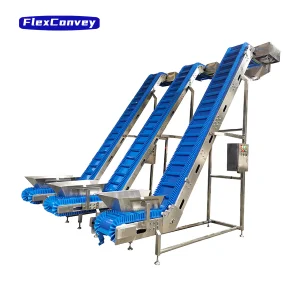
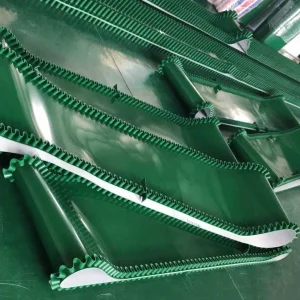
Depending on the inclination angle (such as incline bucket elevators or Z-type configurations), choose a structured surface pattern (like waffle, diamond, or ribbed profiles) to prevent product slip.
For narrow widths under 100mm, consider adding welded bottom V-guides (tracking profiles). These fit into corresponding pulley grooves to keep the belt centered on long conveyor beds.
Common technical inquiries regarding narrow width conveyor belt application, tracking adjustments, and material selection.
Mistracking in narrow width belts is often caused by uneven belt tension, misaligned terminal rollers, or off-center product loading. Because narrow belts have a smaller contact surface area with pulleys, they are more sensitive to alignment errors. Installing bottom V-guides and using automatic tracking rollers can help mitigate this issue.
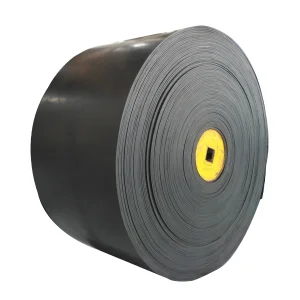
PU (Polyurethane) is highly flexible, abrasion-resistant, and ideal for food-grade and precision electronics applications. PVC is a cost-effective option for general warehousing but is less resistant to oils and extreme temperatures. Rubber (such as EP fabric reinforced rubber) offers high tensile strength and impact absorption, making it suitable for heavy industrial tasks like mining and aggregate processing.
Yes. By integrating corrugated sidewalls and custom transverse cleats (such as T-cleats or C-cleats) in a Z-type design, narrow belts can transport bulk materials at angles up to 90 degrees without spillback.
For critical applications, look for FDA (Food and Drug Administration) compliance, EU 10/2011 regulations for plastic materials in contact with food, and RoHS/WEEE certifications for electronic processing environments.
 Trakkx Tech