Top China Cleated Belts Manufacturer & Supplier

Empowering Industrial Automation with High-Performance Cleated Conveyor Systems and Precision-Engineered Belt Solutions.

Engineering Cleated Belt Conveying Systems

An Industrial Guide to Material Flow Dynamics, High-Incline Configurations, and Polymer Integrity in Modern Logistics

1. The Evolution of Cleated Conveyor Belts in Modern Industrial Logistics

In the globalized manufacturing era, high-efficiency vertical and inclined material transport remains the backbone of automation. Cleated conveyor belts are specifically designed to solve the physical limitations of flat conveyor systems, where gravitational forces cause back-sliding, material degradation, and spillage at angles exceeding 15 degrees. By integrating transverse profiles (cleats) onto the belt surface, industrial engineers can achieve controlled steep-incline or vertical conveying of up to 90 degrees.

Dongguan Trakkx Tech Co., Ltd. stands at the forefront of this industrial evolution. As a premier China conveyor belt manufacturer, Trakkx Tech designs specialized conveying solutions that optimize flow rates, minimize material fallback, and scale operational efficiency. Today's industrial environments require custom profiles (T-cleats, C-cleats, and scoop cleats) fabricated from advanced polymers to withstand massive shear stress, chemical cleanings, and high-frequency friction cycles.

15+
Years Experience
98.5%
Reliability Index
60+
Countries Exported
ISO9001
Certified Facility

2. Materials Science: Maximizing Lifespan in Extreme Operating Environments

Material failure in industrial belts leads to costly unscheduled downtime. Selecting the right elastomer is crucial:

  • Thermoplastic Polyurethane (TPU) & PVC: Ideal for food processing, packaging, and sorting. TPU offers excellent fat and oil resistance, outstanding cut performance, and prevents bacterial harboring on modular structures.
  • Ethylene Propylene Diene Monomer (EPDM) & SBR Rubber: Applied in mining (coal, quartz veins) and agriculture. These compounds resist abrasion, ozone weathering, and heat up to 150°C.
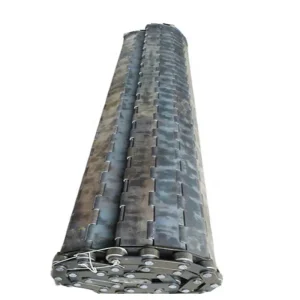
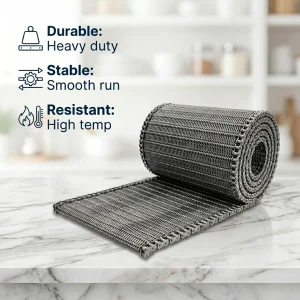
  • Stainless Steel & Polyoxymethylene (POM): Used in environments requiring metal mesh configurations or sanitization lines (e.g., cattle slaughterhouses, noodle baking machines).

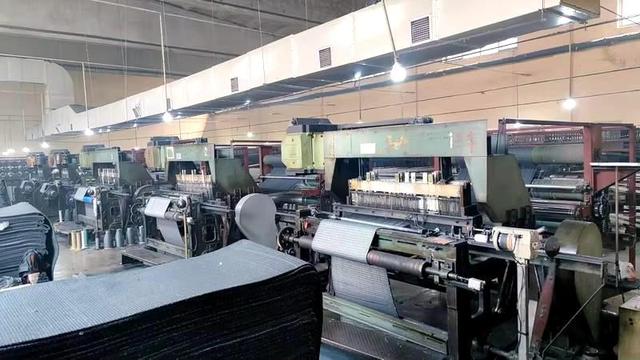
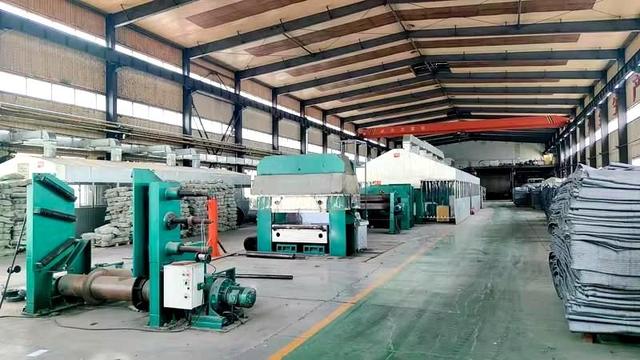
Dongguan Trakkx Tech utilizes high-frequency vulcanization and advanced heat fusion technologies to weld cleats directly to the base belt. This process creates a single, homogeneous structure that resists heavy impact and continuous flexing around pulleys without delamination.

China Factory 4.0: Supply Chain Resiliency & Engineering Agility

How Trakkx Tech combines smart manufacturing with customized development to support global distributors and integrators.

Advanced Customization

Flexible OEM and ODM capabilities allow Trakkx Tech to design modular belt geometries, custom pitch sizes, and specific cleat profiles tailored to unique mechanical requirements.

Strict Quality Control

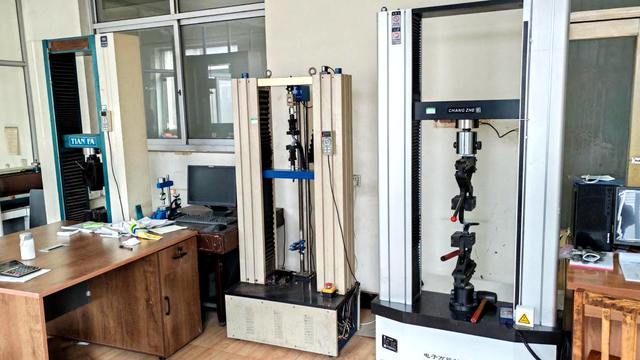
Every belt is run-in tested and inspected for tensile strength, elongation, and structural cohesion. Comprehensive testing ensures zero maintenance requirements upon deployment.

Global Logistics & Support

Positioned in Dongguan, the hardware manufacturing capital of China, we leverage local supply chain efficiencies to deliver products to North America, Europe, and Asia ahead of schedule.
Localized Applications: Solving Specific Flow Engineering Challenges

How Trakkx Tech addresses mechanical challenges in heavy mining, food sanitation, and smart warehousing.

1. Mining & Aggregates (Long-Distance Incline)

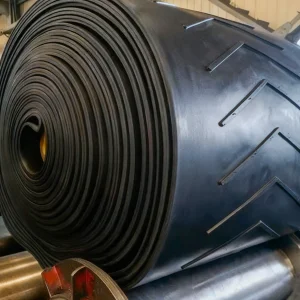
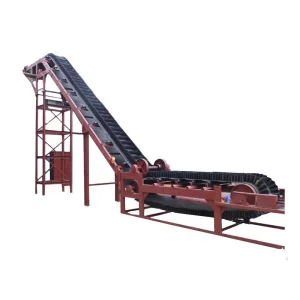
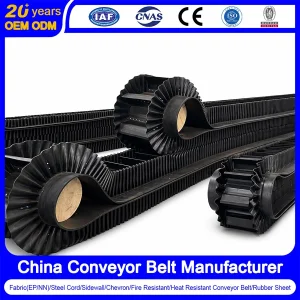
Transporting raw minerals, sand, or quartz veins over steep inclines demands exceptional tensile strength and wear resistance. In these scenarios, we deploy corrugated sidewall belts with dynamic T-cleats or scoop profiles. Heavy rubber layers (e.g., EP200-EP400) prevent punctures from sharp rocks, while sidewalls contain the bulk materials to eliminate lateral spillage.

2. Food Processing & Hygiene Standards

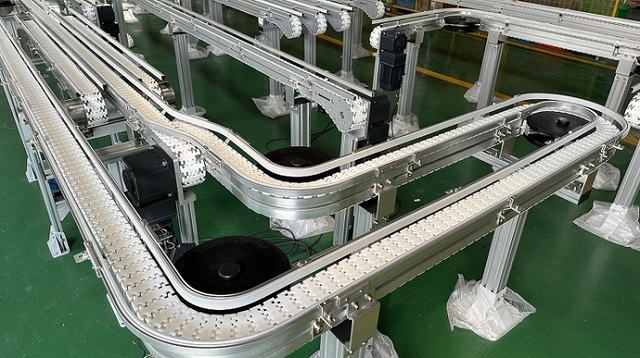
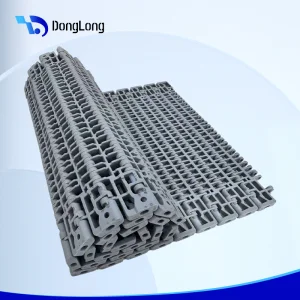
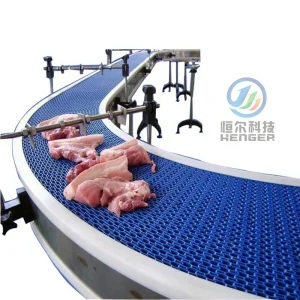
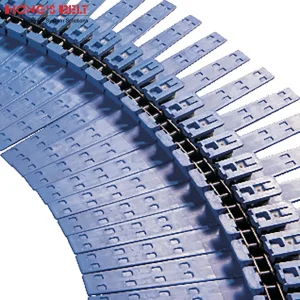
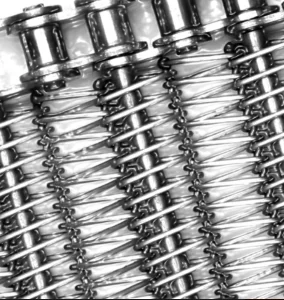
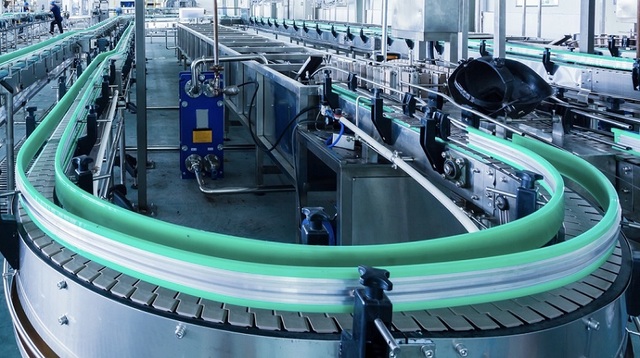
Slaughterhouses and commercial bakeries require strict FDA and USDA compliance. Trakkx Tech provides POM modular plastic conveyor belts and high-temperature stainless steel mesh belts. These modular systems allow rapid sanitation and fluid drainage, while integrated POM cleats support inclined transport of slippery proteins and dough items.

3. Heavy-Duty Agricultural Harvesters

In mechanical harvesting operations, rice, wheat, and combine harvesters require reliable crawler belts and high-capacity grain lifters. Our customized agricultural rubber tracks and grain handling belts with deep profile cleats perform consistently in mud, moisture, and variable outdoor temperatures.

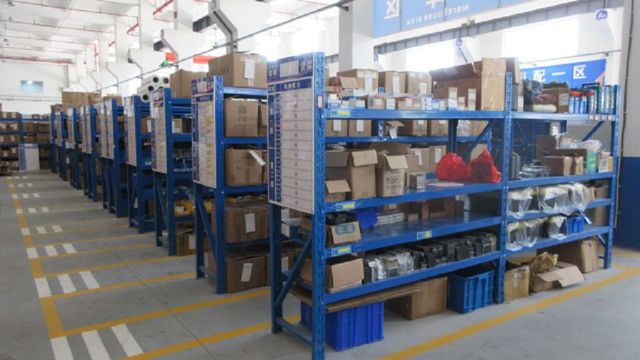
4. Warehouse Automation & Cross-Docking

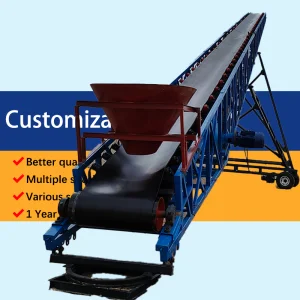
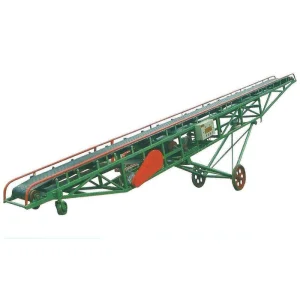
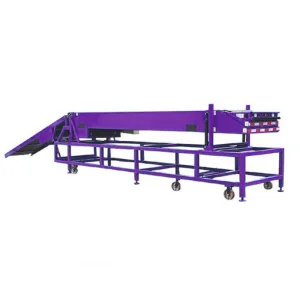
To meet the high speeds of modern e-commerce fulfillment, logistics facilities utilize mobile adjustable telescopic belt conveyors. Our high-grip, low-noise PVC and PU cleated belts ensure stable package singulation, high-speed sorting, and smooth transitions from horizontal lines to vertical sorting chutes.

Expert Knowledge Center: Cleated Belt Design & Application FAQ

Detailed technical answers to help engineering procurement departments select and maintain conveying systems.

Q1: What are the primary factors to consider when choosing between TPU, PVC, and Rubber cleated belts?
The decision is driven by the physical properties of the conveyed material and the operating environment. TPU (Thermoplastic Polyurethane) is ideal for food processing due to its excellent oil, fat, and chemical resistance, along with low temperature flexibility and compliance with FDA regulations. PVC is widely used in packaging and warehousing because of its high wear resistance and cost-effectiveness. Rubber (like EP100-EP400) is suited for heavy industrial material handling (such as mining, aggregates, and coal) where high impact resistance, heavy loads, and cut protection are needed.
Q2: How do you determine the correct height and profile of the cleats for an inclined conveyor?
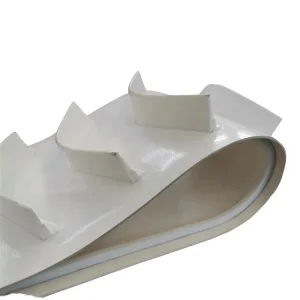
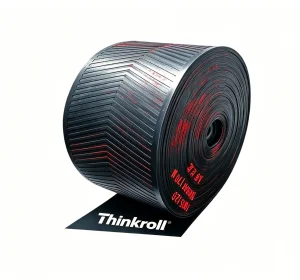
Cleat selection depends on the conveying angle, material size, and viscosity. Simple T-cleats are suitable for gentle slopes (15 to 30 degrees) and free-flowing items. C-cleats and scoop cleats are preferred for steeper inclines (30 to 45 degrees) as their curved profile prevents material rollback. For vertical conveying (up to 90 degrees), a corrugated sidewall belt with deep scoop cleats is required to completely contain the materials.
Q3: How does Trakkx Tech ensure the structural durability of the cleat-to-belt attachment?
We use high-frequency vulcanization and thermal hot-weld technology to permanently bond the cleats and sidewalls directly to the base belt. This process creates a chemical bond between the elastomers, preventing mechanical detachment under high tension, tight pulley bends, and heavy impacts.
Q4: Can modular plastic conveyor belts (e.g., POM) be customized for high-temperature meat processing or slaughterhouse applications?
Yes, POM (Polyoxymethylene) is highly suited for food processing and cattle slaughterhouse lines due to its high mechanical strength, low friction coefficient, and resistance to impact. It operates reliably within a wide temperature range and is highly resistant to sanitizing chemicals, making it ideal for clean-in-place (CIP) food handling procedures.
Q5: What are the main benefits of using corrugated sidewall conveyor belts in mining operations?
Corrugated sidewalls keep bulk materials contained on the conveyor, eliminating spillage at steep angles (up to 90 degrees). This design maximizes usable belt width, reduces the footprint of the conveying setup, and prevents loss of valuable materials like gold ore or quartz.
Q6: How does Dongguan Trakkx Tech Co., Ltd. handle customized OEM/ODM requirements for global machinery integrators?
We work closely with clients from system design to prototyping and testing. Our engineering team assists with CAD design, materials formulation, and stress testing. This collaborative approach ensures that our customized conveying components align with the client's mechanical specs, cycle times, and operational goals.
Q7: What is the typical lead time for custom industrial conveyor belts, and how do you ensure supply chain resilience?
Standard orders are typically processed and shipped within 2 to 3 weeks, while custom formulations or complex modular configurations take 3 to 5 weeks. Based in Dongguan's manufacturing hub, we maintain strategic safety stocks of raw elastomers, POM polymers, and steel cords, allowing us to manage global supply chains and avoid raw materials shortages.