Trakkx Tech
1 / 5
| Product Name | Specifications & Features |
|---|---|
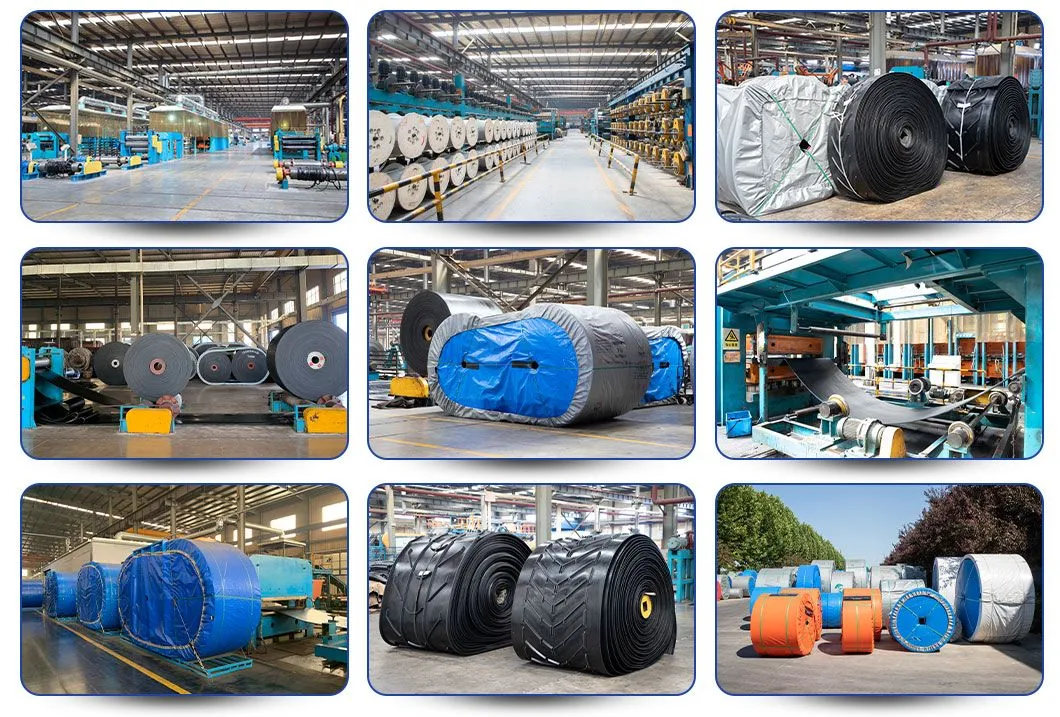
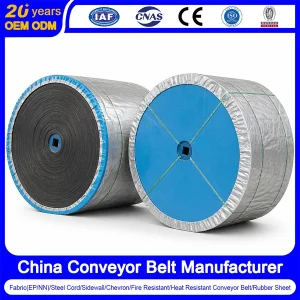
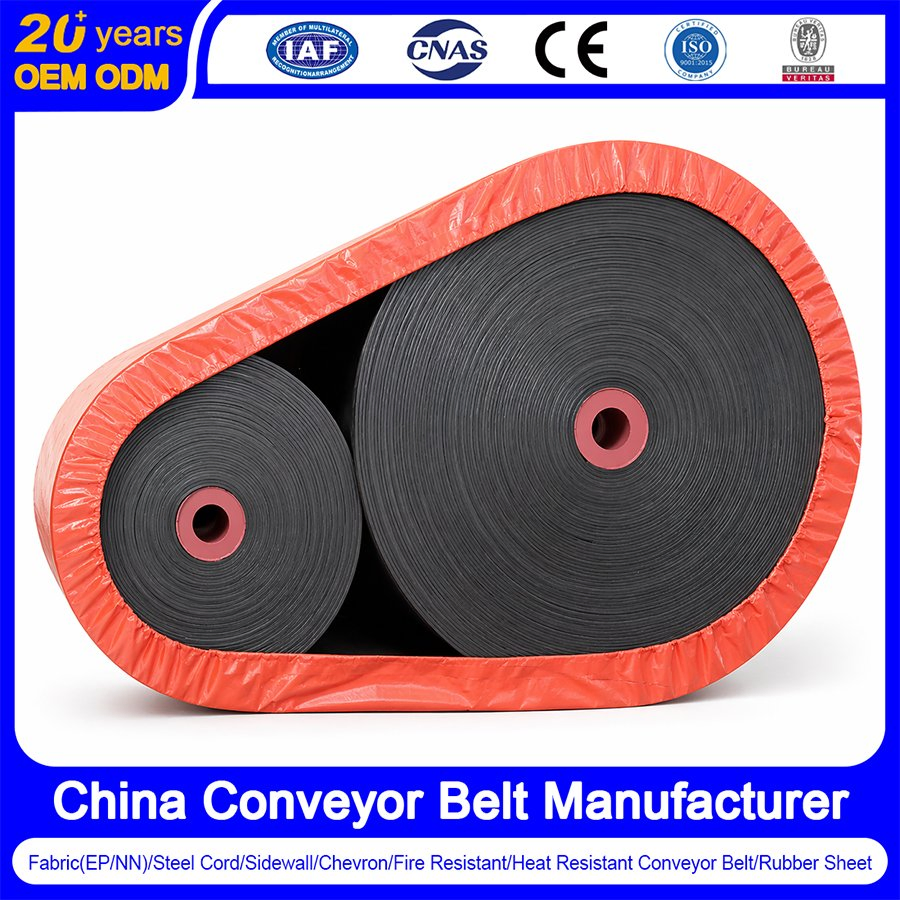
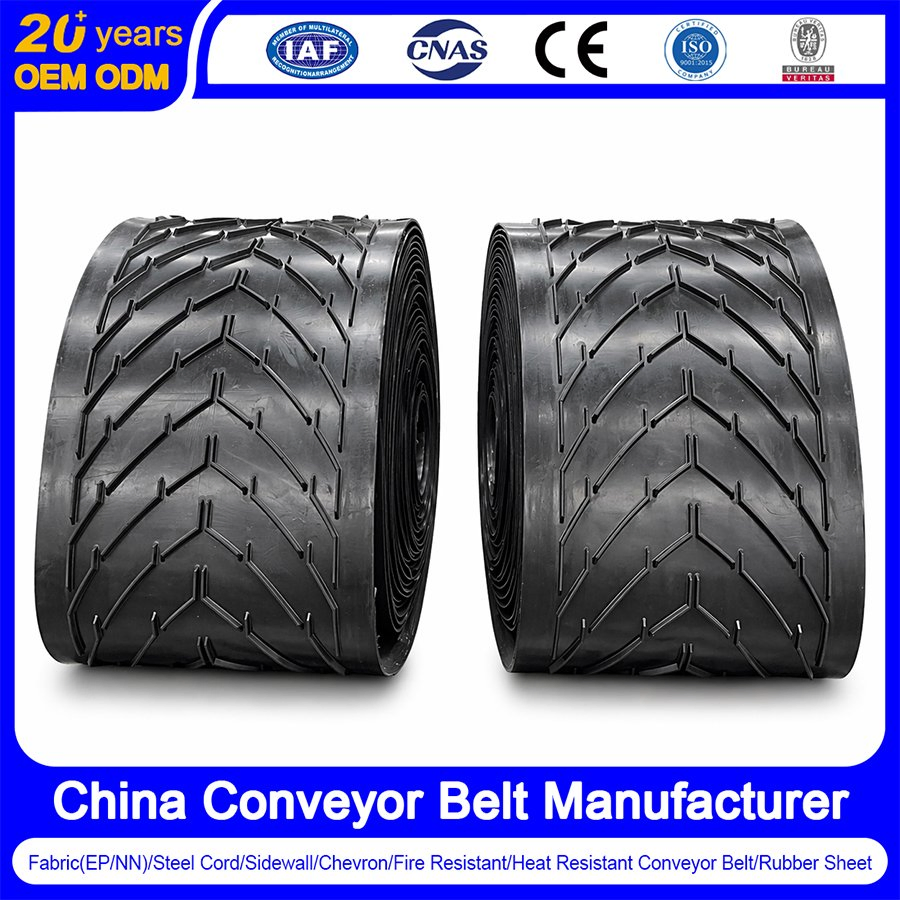
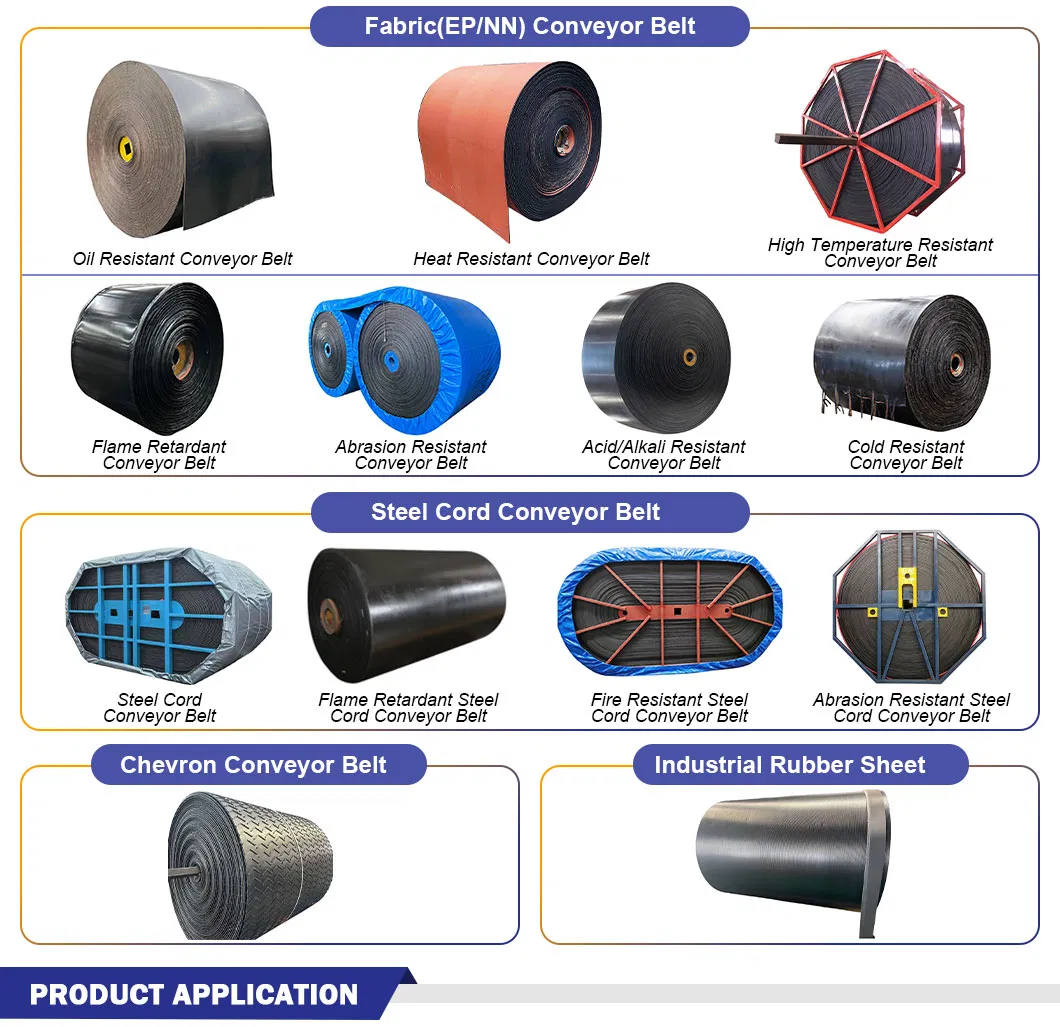
| Fabric Conveyor Belt | Oil Resistant, Heat Resistant, High Temperature Resistant, Flame Retardant, Fire Resistant, Abrasion Resistant, Acid/Alkali Resistant, Cold Resistant, Food Grade Fabric Belts, Chevron/Patterned Fabric Belts, EP/NN/CC Fabric Belts, PVC/PVG Fire Resistant Belts. |
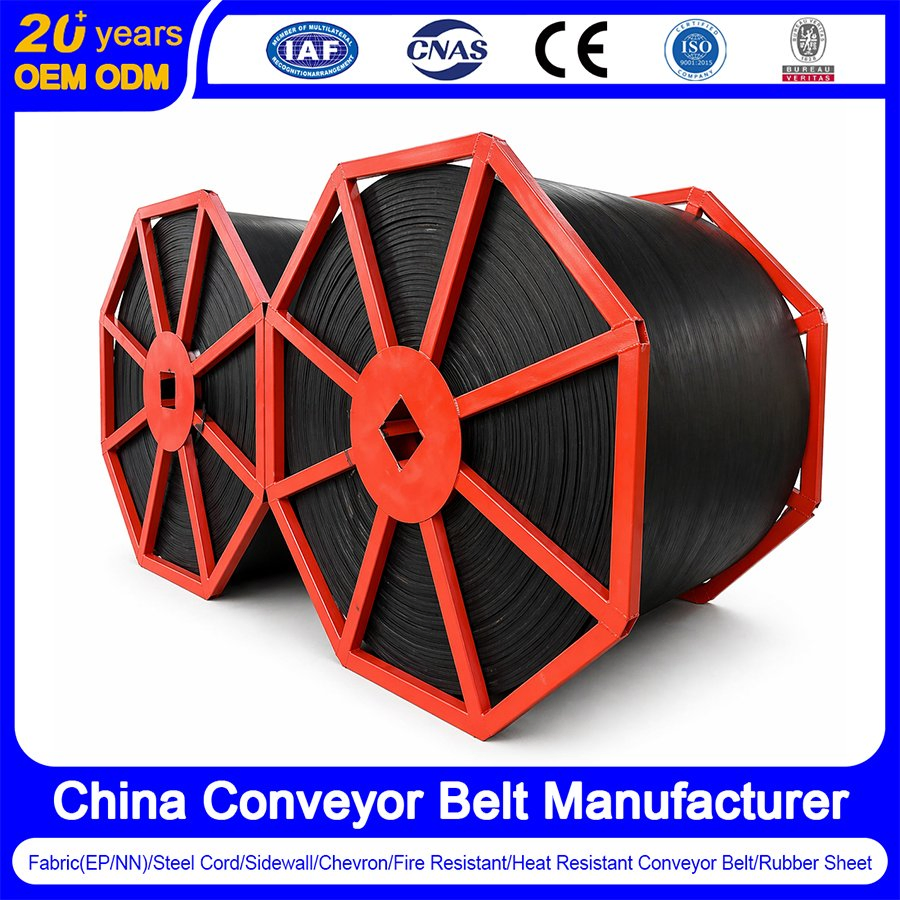
| Steel Cord Conveyor Belt | Steel Cord Conveyor Belt for General Purpose, Flame Retardant/Fire Resistant for Mining, Heat Resistant, Abrasion Resistant, Cold Resistant. |
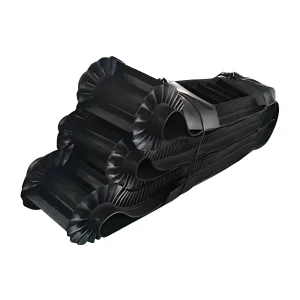
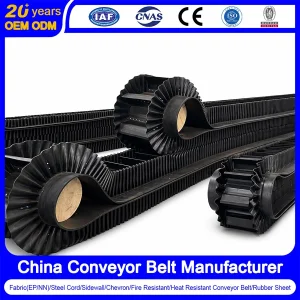
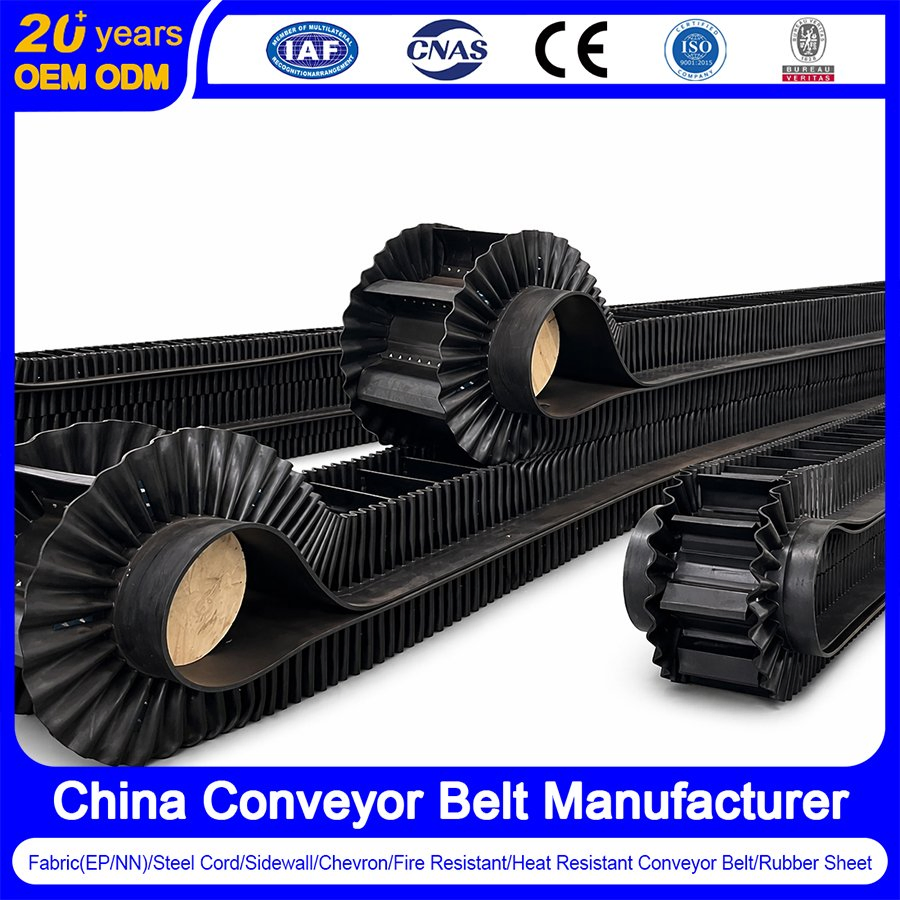
| Corrugated Sidewall Conveyor Belt | Heat Resistant Sidewall Conveyor Belt, Moderate Oil Resistant Sidewall Conveyor Belt, Abrasion Resistant Sidewall Conveyor Belt. |
| Conveyor Belt Application | For mining, cement, steel, power plants, ports, chemical industry, building materials, fertilizer, recycling, grain handling, food processing, logistics, and other industrial material handling fields. |
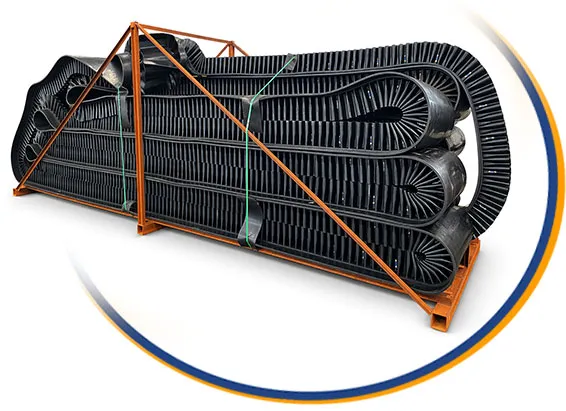
Sidewall belts require a certain tensile strength and abrasion resistance. The belt must have enough cross rigidity and flexibility longitudinally to meet the requirement of deflection parts of the conveyor. The specially designed base belt with cross rigidity solves the problem of belt deformation. The belt standards are in accordance with international standards.
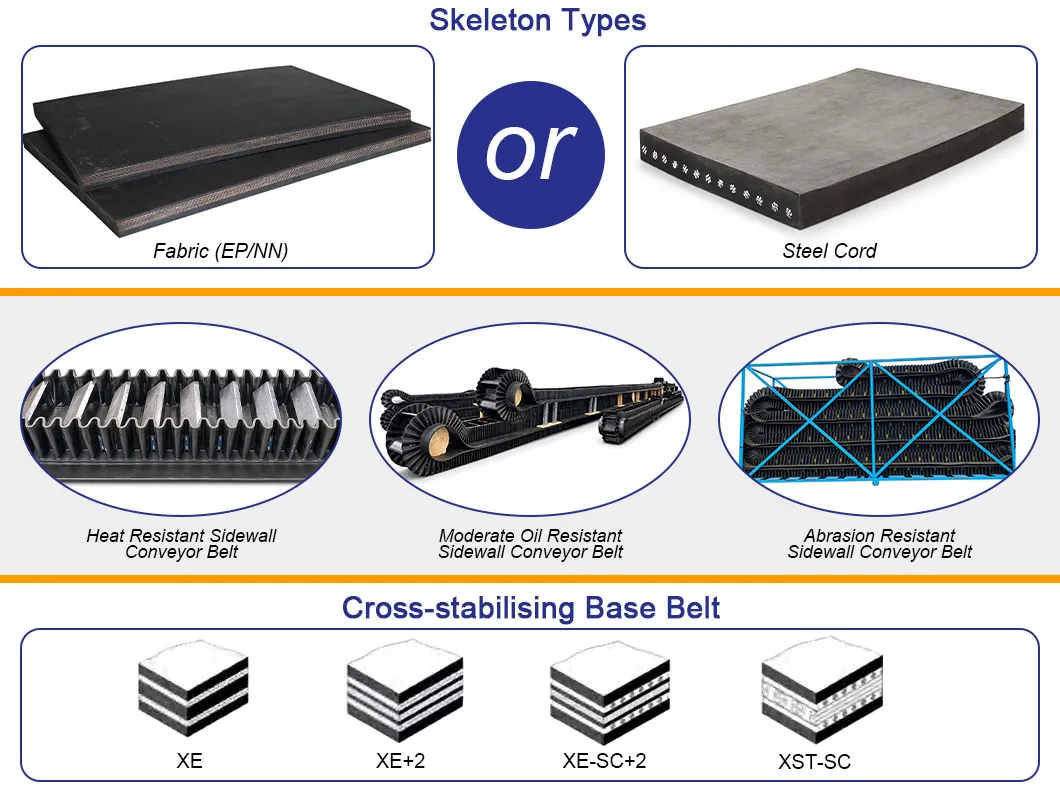
Type "XE": This belt incorporates the cross-stabilising ply in the tensioning ply, mainly used for medium duty applications.
Type "XE+2": The cross-stabilising ply and tensioning plies are separate. In this case, the belt has 2 cross-stabilising plies; application areas are medium to heavy.
Type "XE-SC+2": This belt incorporates textile tensioning plies with steel cord cross-stabilising layers. The high lateral stiffness means the belt can be used in applications where rigidity is a critical factor, such as high lift heights and wide belts.
Type "XST-SC": This belt incorporates steel cord tensioning with steel cord cross-stabilising layers. High tensile strength can be achieved, making the belt ideal for high vertical lift applications.
Sidewall design ensures maximum flexing without fatigue and allows for high compression to ensure smooth inner deflection around small radii. Sidewalls can be pressed from both sides when being applied to the base belt, offering much higher bond strengths and security.
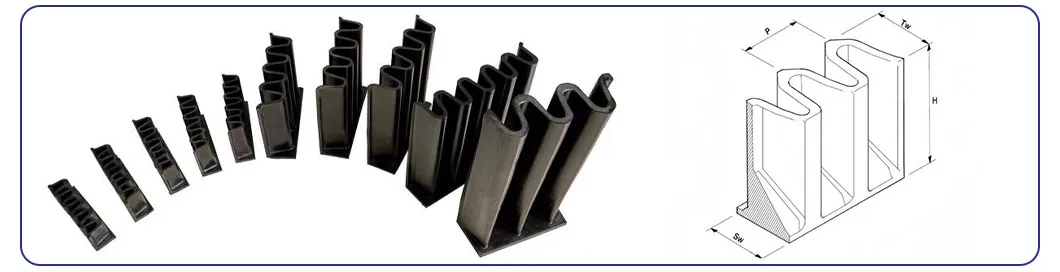
| Type | H (mm) | Sw (mm) | Tw (mm) | P (mm) | Weight (kg/m) | Min Pulley Din (mm) |
|---|---|---|---|---|---|---|
| S | 40 | 30 | 20 | 25 | 0.45 | 125 |
| 60 | 50 | 45 | 40 | 1.38 | 160 | |
| 80 | 50 | 45 | 40 | 1.70 | 200 | |
| 100 | 50 | 45 | 40 | 2.00 | 250 | |
| 120 | 50 | 45 | 40 | 2.65 | 315 | |
| MDSF | 120 | 75 | 65 | 63.5 | 3.20 | 315 |
| 160 | 75 | 65 | 63.5 | 4.20 | 400 | |
| 200 | 75 | 65 | 63.5 | 5.02 | 500 | |
| 240 | 75 | 65 | 63.5 | 7.50 | 630 | |
| 250 | 75 | 65 | 63.5 | 7.80 | 630 | |
| 280 | 75 | 65 | 63.5 | 8.70 | 800 | |
| 300 | 75 | 65 | 63.5 | 9.40 | 800 | |
| HHDF | 300 | 100 | 90 | 83 | 10.10 | 800 |
| 400 | 100 | 90 | 83 | 14.80 | 1000 | |
| 500 | 105 | 95 | 89 | 19.10 | 1250 |
C-type and TC-type cleats are molded with features of strong stiffness, abrasion resistance, and impact resistance to give the best shape retention even when conveying high-density materials.

| Cleat Type | Height (mm) | Base Width (mm) | Weight (kg/m) | Min Pulley Din (mm) |
|---|---|---|---|---|
| C | 55 | 100 | 1.45 | 125 |
| 75 | 100 | 2.00 | 150 | |
| 90 | 110 | 2.81 | 250 | |
| 110 | 110 | 3.27 | 315 | |
| T | 55 | 100 | 1.61 | 125 |
| 75 | 100 | 2.20 | 150 | |
| 90 | 110 | 2.70 | 250 | |
| 110 | 110 | 3.23 | 315 | |
| 140 | 160 | 5.49 | 400 | |
| 180 | 160 | 6.67 | 500 | |
| 230 | 160 | 8.60 | 630 | |
| TC | 55 | 75 | 1.13 | 125 |
| 75 | 100 | 1.82 | 150 | |
| 90 | 110 | 3.22 | 250 | |
| 110 | 110 | 3.94 | 315 | |
| 140 | 150 | 5.49 | 400 | |
| 180 | 150 | 6.81 | 500 | |
| 230 | 160 | 8.68 | 630 | |
| 280 | 180 | 14.90 | 800 | |
| TCS | 230 | 160 | 13.80 | 630 |
| 280 | 160 | 15.30 | 800 | |
| 360 | 230 | 22.80 | 1000 | |
| 470 | 230 | 30.80 | 1250 |

Sidewall conveyor belt is mainly used for steep-angle and vertical conveying where limited space or high lifting height is required. It is suitable for transporting bulk materials such as coal, ore, sand, gravel, cement, grain, fertilizer, and powder materials in mining, cement plants, ports, power plants, chemical plants, quarries, and bulk material handling systems. With corrugated sidewalls and cleats, the belt helps prevent material spillage and rollback, allowing continuous conveying at large inclination angles while reducing transfer points and saving installation space.
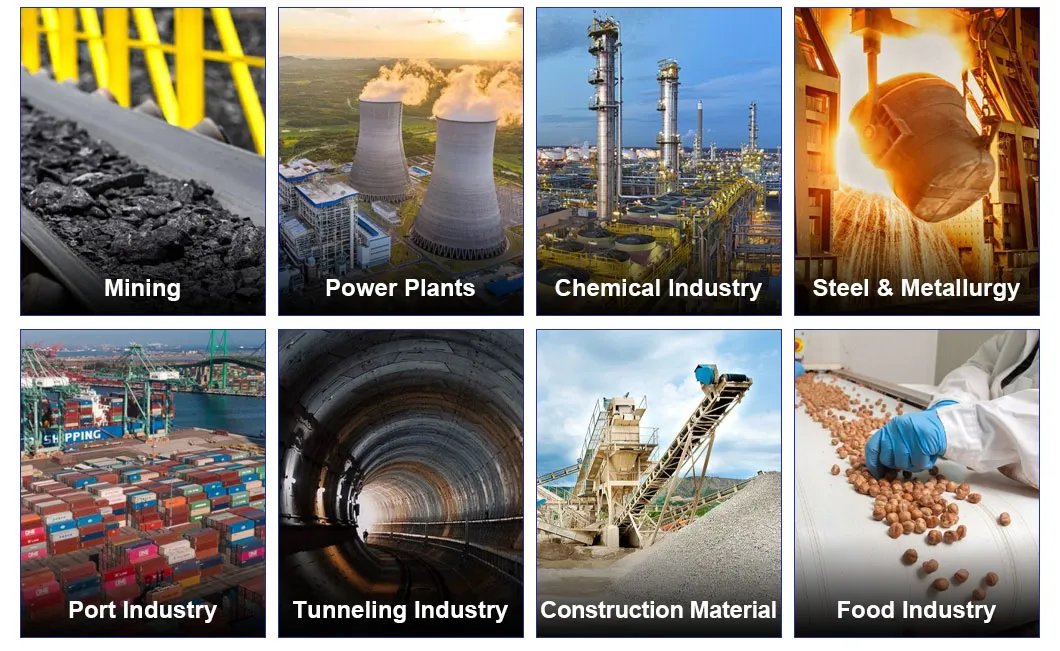
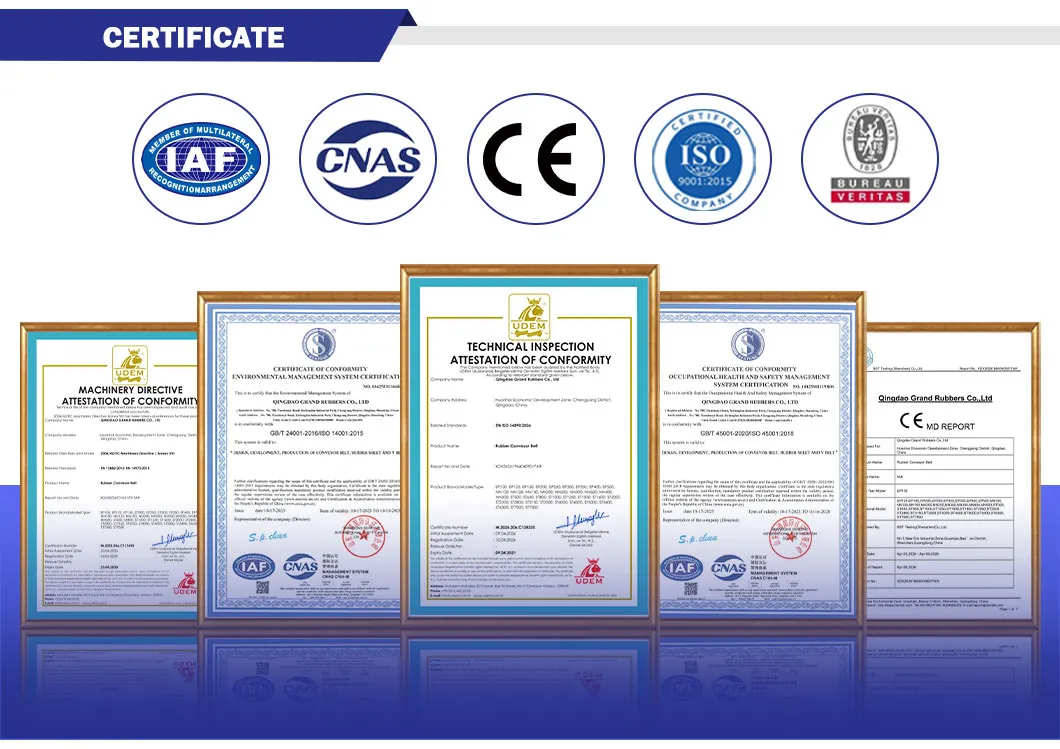
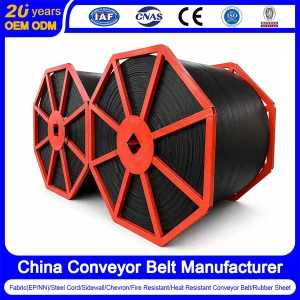
Instead of focusing only on country coverage, we support customers according to their real application needs, including mining, cement, steel, port, quarry, power plant, and bulk material handling systems. Our cooperation usually covers product selection, specification confirmation, customized production, quality inspection, export packing, and repeat order supply.