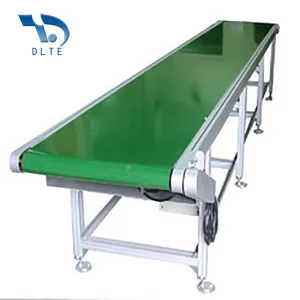
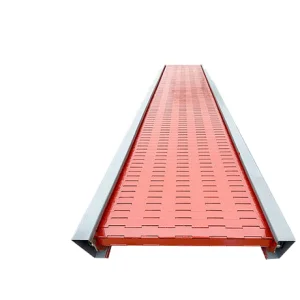
Engineered to withstand heavy duty mining, food-grade hygienic processing, extreme temperature fluctuations, and complex automated sorting pathways.
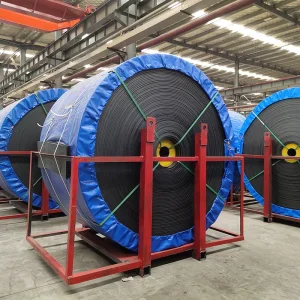
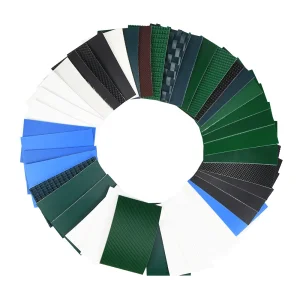
In the modern era of logistics automation and heavy industrial manufacturing, specialty conveyor belts serve as the vital arteries of material handling processes. No longer treated as simple passive hardware, specialty belts are highly engineered composite structures designed to optimize performance metrics, eliminate friction, handle extreme gradients, and ensure compliance with stringent international hygiene and safety standards.
Across North America and the European Union, the transition toward Industry 4.0 has driven an unprecedented demand for smart conveying mechanisms. Heavy-duty industries, such as open-cast mining, deep-shaft operations, and chemical plants, require high-tensile strength carcass configurations (such as Steel Cord or high-density EP synthetic fabrics) that operate reliably under high load pressures. Conversely, high-capacity e-commerce fulfillment hubs and distribution centers demand non-marking, quiet-running, flame-resistant PVC/PVG materials capable of undergoing rapid sorting sequences.
Simultaneously, the global food processing, beverage packaging, and pharmaceutical sectors operate under rigorous safety mandates regulated by the FDA, European Food Safety Authority (EFSA), and ISO 22000. These environments rely heavily on specialized polyurethane (PU) and polytetrafluoroethylene (PTFE) conveyor configurations that resist microbial growth, chemical washing solvents, and high thermal loads. As a result, global enterprises search for manufacturers who combine basic fabric chemistry with mechanical optimization.
"The market is moving from standardized bulk configurations to high-tolerance customized profiles. Modern manufacturing requires specialty belts with exact coefficients of friction, lateral rigidity, and mechanical resilience designed for specific operational environments."
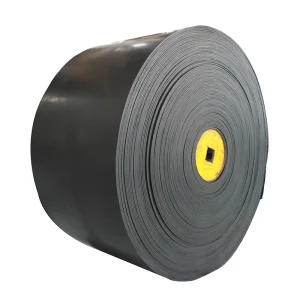
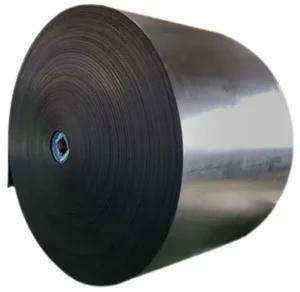
Designing high-performance specialty belts requires deep material science expertise. The structural profile of a industrial belt is typically divided into three functional elements: the Top Cover, the Carcass (reinforcement matrix), and the Bottom Cover. Each layer must be formulated to match specific industrial environments.
EP plies offer low elongation, high impact resistance, and strong mechanical bonding capacity. They are ideal for medium and long-distance bulk material handling under high load pressures.
Used for heavy-duty mining, steel cords provide ultra-low stretch profiles and long service life. Integrated steel cord webs prevent longitudinal tearing during high-impact loading.
Commonly used in cleanroom and food-contact environments. TPU materials exhibit high resistance to animal fats, vegetable oils, cleaning chemicals, and abrasive wear, ensuring hygienic operation.
Essential for high-temperature applications like industrial baking ovens and heat-sealing tunnels. PTFE coatings withstand continuous temperatures up to 260°C while maintaining non-stick properties.
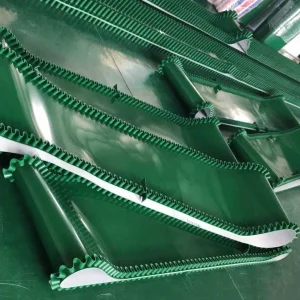
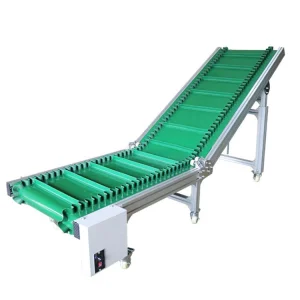
To achieve high vertical angles without material slip back, belts are configured with custom profile systems. Sidewall Conveyor Belts (V-Shaped & Corrugated Skirt structures) prevent bulk materials from spilling during steep incline transitions (up to 90 degrees). For flame retardancy in underground coal mines, specialized PVC/PVG formulations are vulcanized under high pressure to meet ISO 340 and EN 12882 anti-static and flame-retardant standards.
China is a global leader in specialty belt manufacturing, and industrial hubs like Dongguan stand at the center of this industry. Sourcing from Chinese facilities offers significant structural and supply chain advantages that extend beyond competitive pricing.
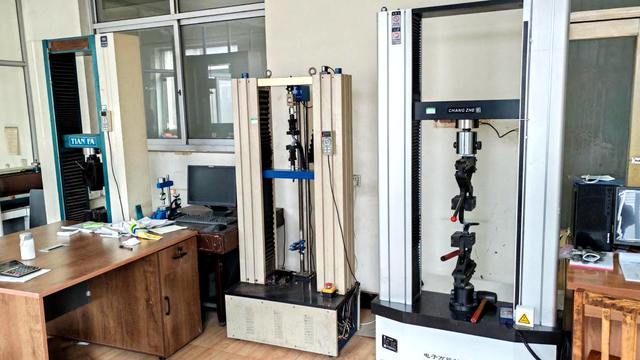
The Dongguan manufacturing cluster benefits from a highly integrated supply network. Specialized chemical suppliers, high-tensile fabric weavers, vulcanization engineering firms, and testing laboratories operate within a small geographic area. This concentration speeds up product development, allowing custom belt prototypes to be formulated, extruded, and tested much faster than in other regions.
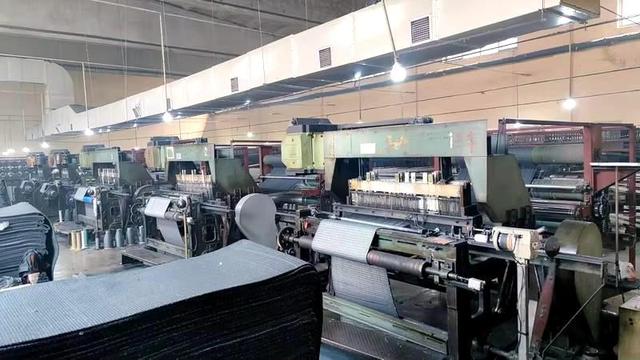
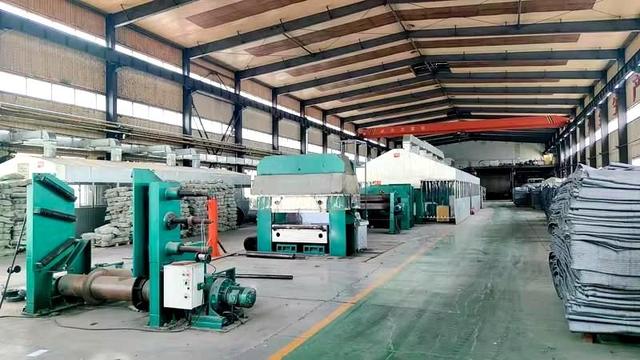
Additionally, Chinese facilities utilize advanced automation in their production lines. Modern multi-station high-speed calendering lines, computerized tension control systems, and automated high-pressure vulcanizing presses ensure consistent physical properties across large production runs. This automated manufacturing helps prevent belt tracking issues, delamination, and premature edge wear.
Dongguan Trakkx Tech Co., Ltd. is a professional China conveyor belt manufacturer specializing in industrial material handling and conveying solutions for a wide range of industries worldwide. With years of experience in conveyor technology, we provide reliable, efficient, and customized conveyor systems that help businesses optimize production processes, improve workflow efficiency, and reduce operational costs.
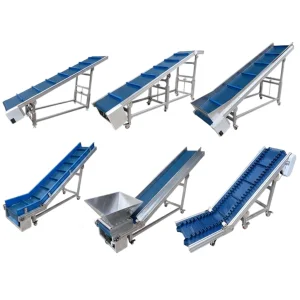
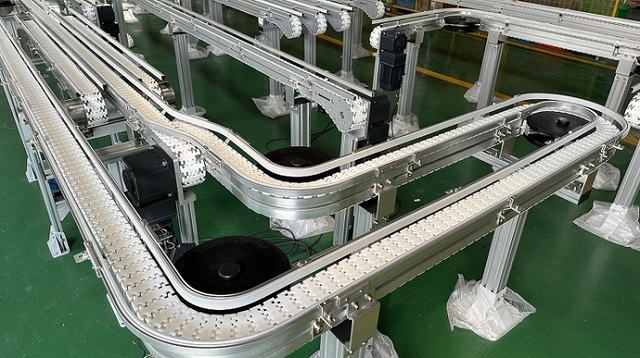
Our product portfolio includes conveyor belts, belt conveyor systems, modular conveyors, roller conveyors, inclined conveyors, assembly line conveyors, packaging conveyors, and customized material handling equipment. Designed to meet the demanding requirements of modern manufacturing environments, our solutions are widely used in logistics, food processing, electronics, automotive, warehousing, packaging, pharmaceuticals, and industrial production facilities.
At Trakkx Tech, we combine engineering expertise with advanced manufacturing capabilities to deliver high-performance conveying systems tailored to specific customer applications. Our experienced technical team works closely with clients throughout the entire process, from project consultation and system design to prototyping, production, installation support, and after-sales service.
Our manufacturing facility is equipped with modern production equipment and strict quality control systems to ensure durability, reliability, and consistent performance. Every conveyor solution undergoes comprehensive testing and inspection before delivery, helping customers achieve smooth and uninterrupted material handling operations.
In addition to standard products, Dongguan Trakkx Tech Co., Ltd. offers flexible OEM and ODM services for global distributors, system integrators, equipment manufacturers, and industrial brands. We are committed to providing innovative conveying solutions that adapt to evolving industry needs and support long-term business growth.
Serving customers across North America, Europe, Southeast Asia, the Middle East, and other international markets, Trakkx Tech has established a reputation for quality, efficiency, and customer-focused service. Our mission is to become a trusted global partner for advanced conveyor belt systems and intelligent material handling solutions.
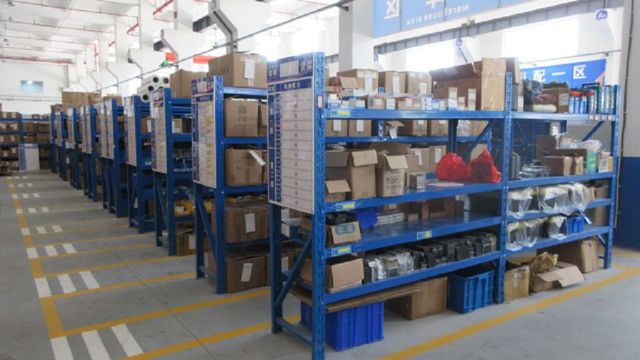
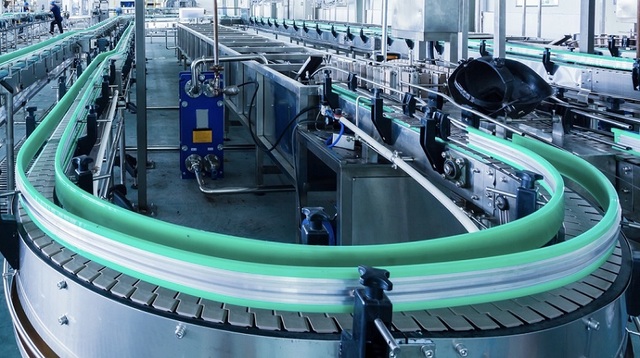
Our manufacturing facility uses modern production machinery and strict quality control processes to ensure every specialty belt meets global performance standards before dispatch.
The role of specialty conveying systems is expanding due to changes in e-commerce, environmental regulations, and automated food processing. Several key trends are shaping the industry:
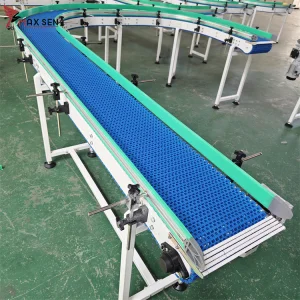
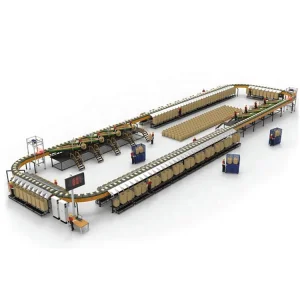
1. Smart Sorting and Zero-Friction Materials: The rapid growth of logistics fulfillment centers requires high-speed sortation systems, such as 90-degree curved turning tables. These systems demand low-friction backing fabrics, anti-static surfaces, and high lateral stability to prevent belt deformation at speeds exceeding 2.5 m/s.
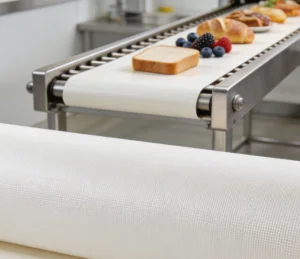
2. High-Hygienic Cleanroom Belting: In food processing and pharmaceuticals, standard joined belts are being replaced by monolithic polyurethane options. These belts do not feature fabric plies, eliminating the risk of fraying, fiber contamination, and moisture absorption, while making Clean-in-Place (CIP) procedures more efficient.
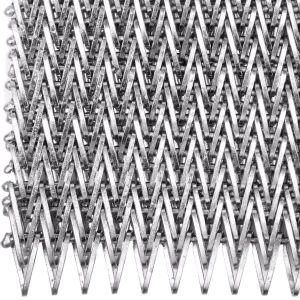
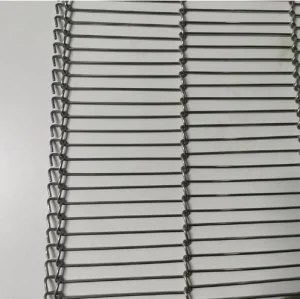
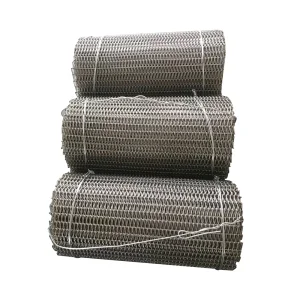
3. Durability under Extreme Heat: For drying, curing, and heat-sealing applications, high-performance mesh belts made from Ni-Cr spiral wire or PTFE-coated fiberglass are essential. These materials withstand continuous temperatures over 200°C while maintaining chemical resistance and dimensional stability.
When sourcing specialty belts for major industrial projects, procurement teams should evaluate key technical parameters to ensure long-term reliability and compatibility with automated systems:
Engineered to support modern manufacturing lines, food packaging plants, and sorting facilities worldwide.
 Trakkx Tech