Discover our premium range of industrial conveying solutions designed for high stability, thermal resistance, and high-load performance.
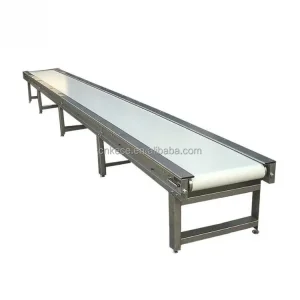
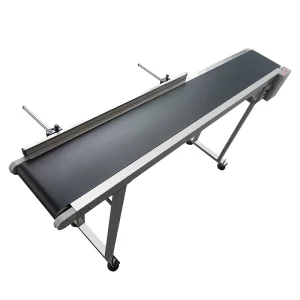
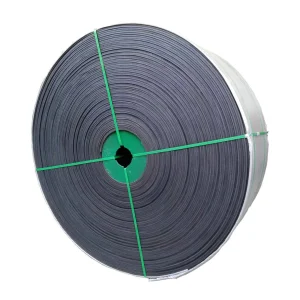
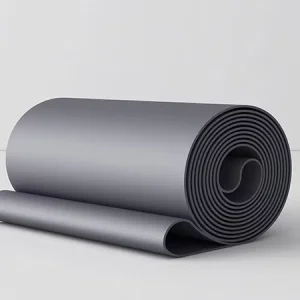
Within the matrix of global logistics, automated packaging, heavy mining, and chemical processing, conveying systems are the critical arteries of throughput. Among these, **temperature control belts** and heat-resistant thermal conveyor units constitute a highly specialized domain. Modern manufacturing lines operate under increasingly harsh conditions, ranging from cryogenic snap-freezing tunnels at -50°C to metal smelting discharge lines exceeding 300°C. Standard elastomeric belts fail rapidly under such thermal stress, leading to material degradation, loss of tensile strength, surface cracking, and catastrophic operational downtime.
Choosing the right temperature control belts is not merely a matter of selecting a material that resists melting. It is a comprehensive engineering discipline involving **heat dissipation dynamics**, polymer chemistry, vulcanization density, and load propagation. A high-performance belt must maintain dimensional stability, low stretch, precise coefficient of friction, and wear resistance even when subjected to intense, continuous thermal cycles.
When elastomer compounds are exposed to temperatures above their thermodynamic limits, thermal oxidation and chain scission occur. Polymer cross-links break down, resulting in loss of elasticity and hardening. Conversely, in low-temperature applications, polymers reach their glass transition temperature (Tg), making them brittle and prone to structural fracturing. Correct compounding using advanced EP (Ethylene Propylene), EPDM, high-grade silicones, and PTFE is critical to avoiding these failure modes.
As a leading exporter and technical pioneer, **Dongguan Trakkx Tech Co., Ltd.** has systematically addressed these challenges. By incorporating advanced rubber matrices, reinforcing steel wire cores, and modular engineering plastics, our products function as multi-tiered thermal barriers. This whitepaper analyzes the manufacturing advantages, industrial applications, future technologies, and procurement dynamics of modern temperature-controlled conveyor systems from China's premier industrial hubs.
Quantitative parameters that showcase the superior physical endurance and operational capabilities of Trakkx Tech systems.
| Belt Category | Primary Elastomer / Material | Optimal Temperature Threshold | Key Mechanical Properties | Core Application Scenarios |
|---|---|---|---|---|
| EPDM Heat-Resistant Belt | Ethylene Propylene Diene Monomer | -40°C to +200°C (Constant) | High oxidation, ozone, and steam resistance | Cement factories, sintering plants, steel mills |
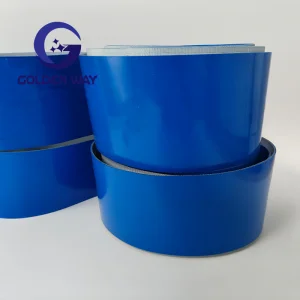
| Silicone / Food Grade PU | Synthetic Polymer / Polyurethane | -20°C to +110°C | FDA/USDA compliant, anti-microbial, oil-resistant | Baking ovens, chocolate cooling tunnels, pharmaceutical |
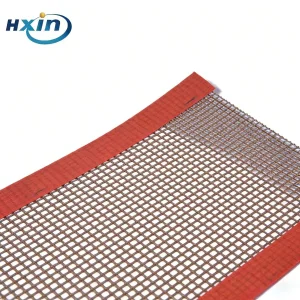
| PTFE & Metal Mesh Belts | Fluoropolymer & SUS304 / SUS316 | -70°C to +260°C / +400°C | Zero chemical reactivity, ultra-low friction coeff. | Industrial drying, heat sealing, sterilization |
| Cold-Resistant Rubber Belts | Natural/Butadiene Rubber Blend | Down to -55°C | Maintains flexibility below glass transition point | Arctic outdoor mining, deep-freeze warehousing |
Why global OEMs and plant managers increasingly look to South China hubs like Dongguan for thermal conveying solutions.
Located in the heart of China’s industrial powerhouse, Dongguan Trakkx Tech leverages a localized supply chain containing raw polymer compounders, vulcanization machinery developers, and high-precision steel wire manufacturers. This integration drastically reduces logistics costs and speeds up prototyping cycles.
Chinese research institutes have partnered with manufacturers to synthesize advanced rubber blends. These compound innovations improve molecular alignment under heat exposure, boosting tensile strength retention by up to 30% compared to standard generic materials.
Exporting to the EU, USA, and East Asia requires adherence to strict quality protocols. Leading factories operate in compliance with ISO 9001:2015, CE directives, and FDA-compliance checks, ensuring seamless entry into heavily regulated pharmaceutical and food markets.
The manufacturing capabilities in China have evolved from basic contract assembly to high-end engineering design. Plant managers no longer buy standard belts; they purchase customized, simulated solutions. Computational fluid dynamics (CFD) and finite element analysis (FEA) are now regularly used during the system design phase in Chinese facilities, ensuring that thermal expansion rates match the structural steel frames of the conveyors.
Dongguan Trakkx Tech Co., Ltd. is a professional China conveyor belt manufacturer specializing in industrial material handling and conveying solutions for a wide range of industries worldwide. With years of experience in conveyor technology, we provide reliable, efficient, and customized conveyor systems that help businesses optimize production processes, improve workflow efficiency, and reduce operational costs.
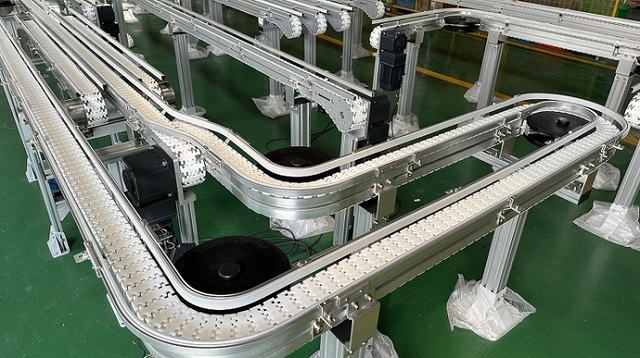
Our product portfolio includes conveyor belts, belt conveyor systems, modular conveyors, roller conveyors, inclined conveyors, assembly line conveyors, packaging conveyors, and customized material handling equipment. Designed to meet the demanding requirements of modern manufacturing environments, our solutions are widely used in logistics, food processing, electronics, automotive, warehousing, packaging, pharmaceuticals, and industrial production facilities.
At Trakkx Tech, we combine engineering expertise with advanced manufacturing capabilities to deliver high-performance conveying systems tailored to specific customer applications. Our experienced technical team works closely with clients throughout the entire process, from project consultation and system design to prototyping, production, installation support, and after-sales service.
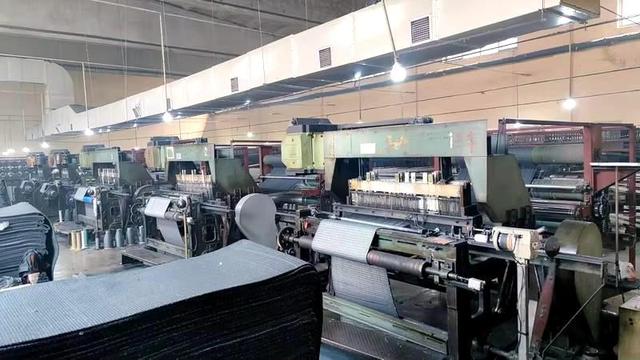
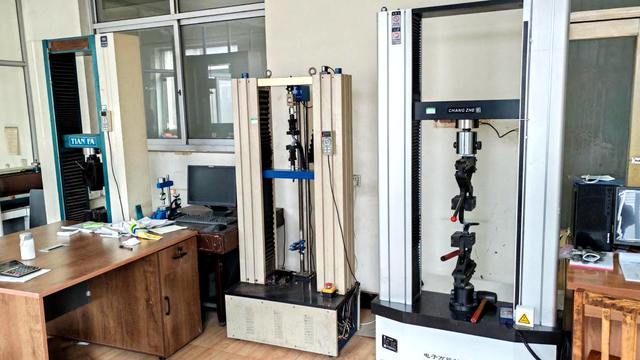
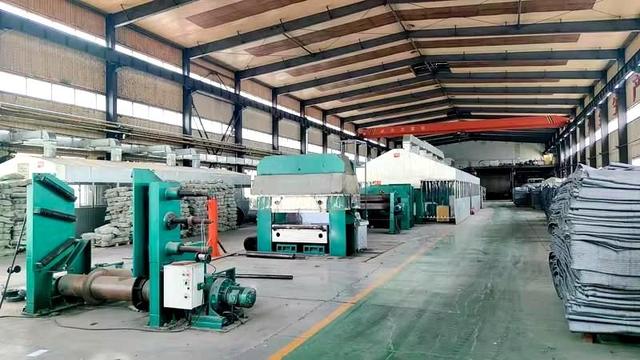
Our manufacturing facility is equipped with modern production equipment and strict quality control systems to ensure durability, reliability, and consistent performance. Every conveyor solution undergoes comprehensive testing and inspection before delivery, helping customers achieve smooth and uninterrupted material handling operations. In addition to standard products, Dongguan Trakkx Tech Co., Ltd. offers flexible OEM and ODM services for global distributors, system integrators, equipment manufacturers, and industrial brands. We are committed to providing innovative conveying solutions that adapt to evolving industry needs and support long-term business growth.
Serving customers across North America, Europe, Southeast Asia, the Middle East, and other international markets, Trakkx Tech has established a reputation for quality, efficiency, and customer-focused service. Our mission is to become a trusted global partner for advanced conveyor belt systems and intelligent material handling solutions.
How specific sectors leverage temperature control belts to optimize yield, protect product integrity, and scale throughput.
In commercial bakeries, cooling lines, and IQF (Individual Quick Freezing) tunnels, temperature control is essential. Modular plastic and food-grade PU belts prevent food products from sticking, cracking, or degrading due to rapid thermal transitions, ensuring compliance with strict global sanitation laws.
Transporting hot stamping components, engine blocks, or molten raw materials requires extreme thermal resistance. Steel mesh and heavy-duty EPDM conveyor lines ensure continuous operation under intense radiant heat, reducing deformation and ensuring structural integrity.
Precision PCB reflow assembly and sensor testing require micro-temperature controls. Anti-static (ESD) and heat-resistant PVC/PU belts protect fragile semiconductor components from static discharge and thermal shock during curing processes.
By implementing targeted thermal barriers, factories can mitigate energy loss. Properly insulated belt systems minimize the heat transferred from processed items into the conveyor structure, cutting down the energy required to maintain high-temperature drying ovens or refrigeration systems.
The convergence of the Internet of Things (IoT) and material science is reshaping the conveyor technology sector. The following innovations are expected to dominate the industry over the next decade:
Procuring industrial conveyor systems from overseas manufacturers requires a structured risk-mitigation strategy. Global procurement teams should evaluate the following parameters to ensure performance and reliability:
1. Verify Thermal Limits Under Load: A common failure point is specifying a belt's temperature resistance under static conditions rather than operational load. Ensure the manufacturer provides dynamic thermal cycle data that matches your throughput speed and tension requirements.
2. Interface Compatibility: Determine if the thermal belt system requires specialized drive pulleys, sprocket alignments, or tracking controls. Mismatched drive interfaces can cause localized friction, generating unwanted heat and leading to premature wear.
3. Comprehensive Quality Certification Vetting: Do not rely on standard self-declared certificates. Request complete raw material lab analyses, vulcanization test sheets, and dynamic load testing documents from recognized third-party agencies (such as SGS or TÜV).
Answers to common technical queries regarding temperature-controlled conveying systems.
EPDM offers superior tensile strength, wear resistance, and cost-effectiveness, making it ideal for heavy industrial uses like cement, ore, and chemical processing (up to 200°C). Silicone is softer, non-stick, and highly food-safe (FDA compliant), making it the standard choice for baking, confectionery, and pharmaceuticals, although it typically has lower mechanical tensile limits than EPDM.
High humidity combined with high temperatures can cause hydrolysis in standard polyurethane (PU) belts, resulting in rapid degradation. For humid environments, specialized polyester-urethane compounds or stainless steel modular systems are recommended to prevent moisture-induced damage.
Yes, we provide comprehensive OEM and ODM services. Our engineering team can design custom belt profiles, cleats, tracking guides, and modular layouts that integrate directly into your current setup, matching your existing motors, rollers, and space configurations.
Standard custom orders are manufactured, tested, and ready for export shipping within 15 to 25 working days. Prototyping and highly specialized material compounding may take slightly longer, depending on your project parameters and certification requirements.
Explore our specialized heavy-duty, anti-static, and multi-tier conveying systems designed for challenging operating environments.
 Trakkx Tech