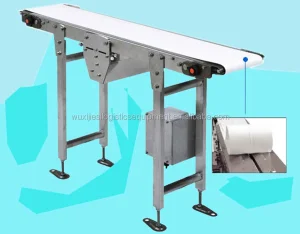
Explore our highly-engineered specialty conveyor belts, designed to optimize manufacturing plants, packaging assembly lines, and high-precision processing units.
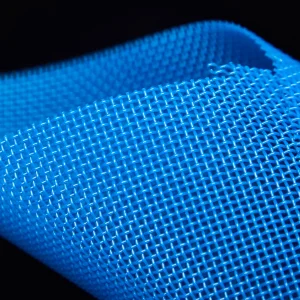
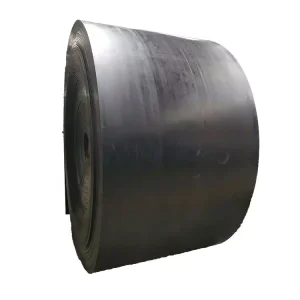
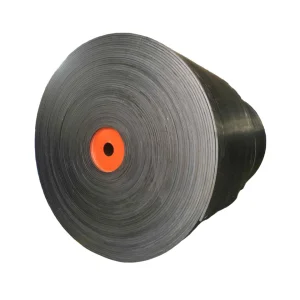
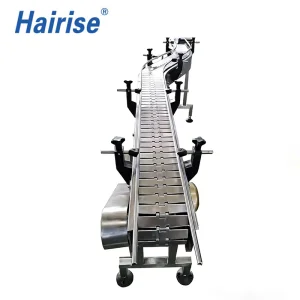
Within modern manufacturing, the efficiency of production lines is heavily reliant on the material handling mechanisms that govern the transportation of raw fibers, yarns, and finished textile structures. Textile handling belts have transformed from simple friction-based surfaces into highly engineered, application-specific transport systems. These systems are designed to operate under strict constraints of temperature, chemical exposure, and mechanical load.
From a global market perspective, the integration of advanced textiles in automotive, aerospace, healthcare, and retail sectors demands conveyor systems that minimize material distortion, static buildup, and slippage. High-speed spinning machines, drying ovens, printing equipment, and automated packaging lines require high-precision belting profiles that ensure seamless synchronization and long-term durability. Dongguan Trakkx Tech Co., Ltd. addresses these demands by designing and supplying premium-grade materials that resist abrasion, chemical cleaning agent degradation, and thermal wear.
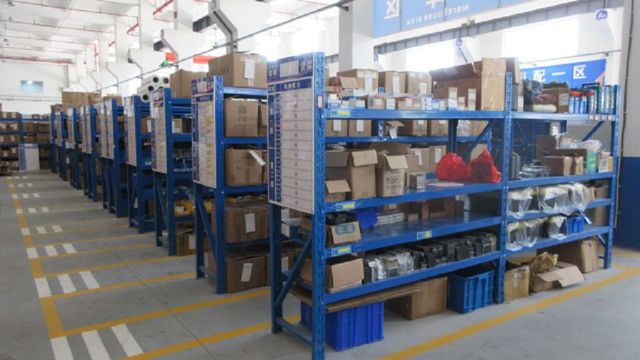
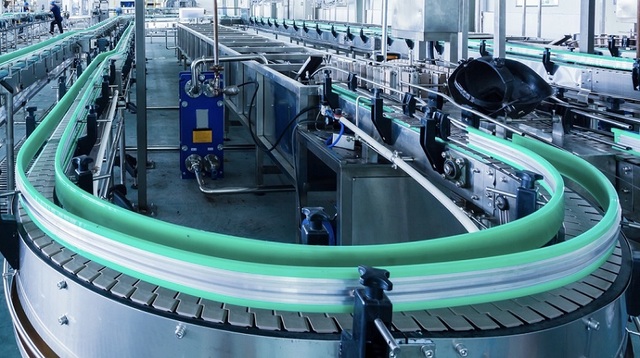
Dongguan Trakkx Tech Co., Ltd. is a professional China conveyor belt manufacturer specializing in industrial material handling and conveying solutions for a wide range of industries worldwide. With years of experience in conveyor technology, we provide reliable, efficient, and customized conveyor systems that help businesses optimize production processes, improve workflow efficiency, and reduce operational costs.
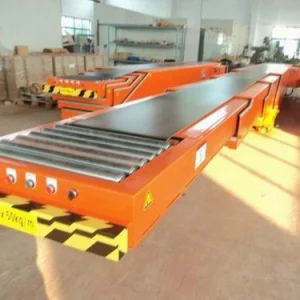
Our product portfolio includes conveyor belts, belt conveyor systems, modular conveyors, roller conveyors, inclined conveyors, assembly line conveyors, packaging conveyors, and customized material handling equipment. Designed to meet the demanding requirements of modern manufacturing environments, our solutions are widely used in logistics, food processing, electronics, automotive, warehousing, packaging, pharmaceuticals, and industrial production facilities.
At Trakkx Tech, we combine engineering expertise with advanced manufacturing capabilities to deliver high-performance conveying systems tailored to specific customer applications. Our experienced technical team works closely with clients throughout the entire process, from project consultation and system design to prototyping, production, installation support, and after-sales service.
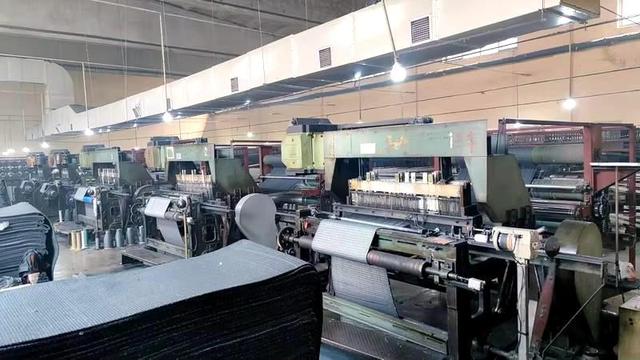
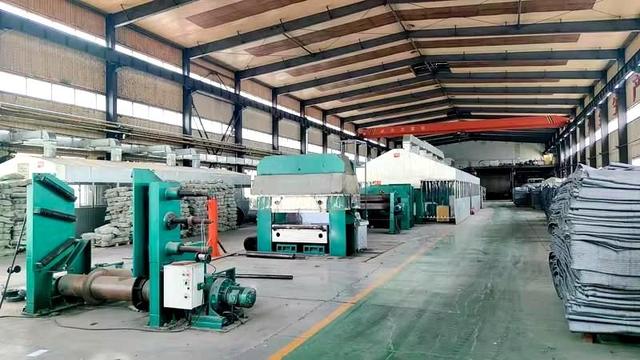
Our manufacturing facility is equipped with modern production equipment and strict quality control systems to ensure durability, reliability, and consistent performance. Every conveyor solution undergoes comprehensive testing and inspection before delivery, helping customers achieve smooth and uninterrupted material handling operations. In addition to standard products, we offer flexible OEM and ODM services for global distributors, system integrators, equipment manufacturers, and industrial brands. We are committed to providing innovative conveying solutions that adapt to evolving industry needs and support long-term business growth.
Quality Inspections
Exporting Countries
Engineering Support
Systems Deployed
Understanding the logistical and raw material sourcing benefits of partnering with Southern China's premium engineering corridors.
Our proximity to world-class steel mills, synthetic polymer production clusters, and raw chemical hubs allows us to procure premium materials, such as wear-resistant PVC, heat-resistant silicones, and high-tensile steels, at optimal cost-performance ratios.
Utilizing high-end CNC machining, advanced calendering systems, and laser vulcanization technologies, Dongguan Trakkx Tech maintains minimal tolerance deviations on conveyor belt track lengths and edge cuts, reducing belt mistracking risks in continuous plant operations.
Our location in Dongguan enables rapid transit to Shenzhen, Guangzhou, and Hong Kong ports, facilitating efficient multimodal transport routes for distributors, heavy equipment builders, and end-users across North America, Europe, and Asia.
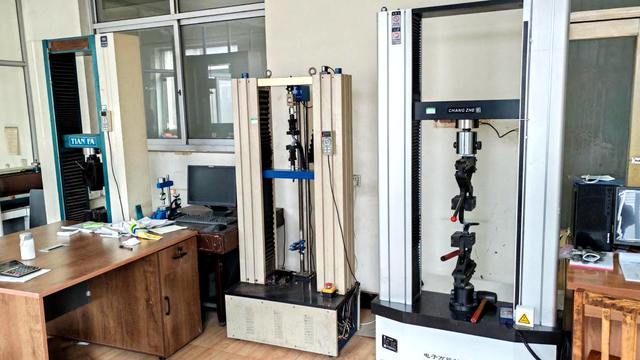
All conveyor belts undergo comprehensive tensile pull testing, heat resistance profiling, flame retardancy evaluation, and friction coefficient analysis to comply with global regulatory guidelines (ISO, CE, and FDA for food processing belts).
How Trakkx Tech products are custom-configured for highly demanding manufacturing environments.
Operating under temperatures up to 250°C, textile dryer lines require Teflon (PTFE) or specialized high-temperature nylon conveying networks that maintain structural integrity and do not outgas chemicals that could discolor premium fabrics.
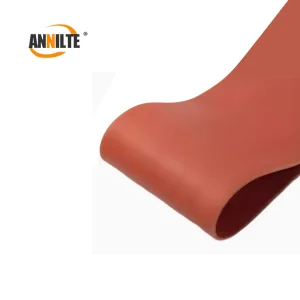
Bagging machine belts, particularly silicone-coated conveyor variants, provide high-release surfaces that prevent plastic wrap and packaging films from adhering during seal phases, facilitating high-speed throughput.
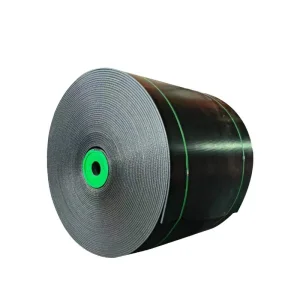
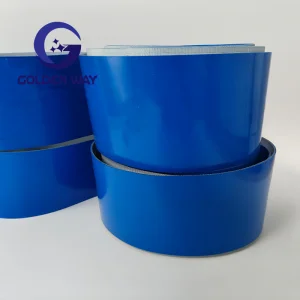
Warehousing facilities rely on high-coefficient PVC and antistatic green conveyor belts to prevent component damage on assembly line workbenches while maintaining grip on steep-angle inclines.
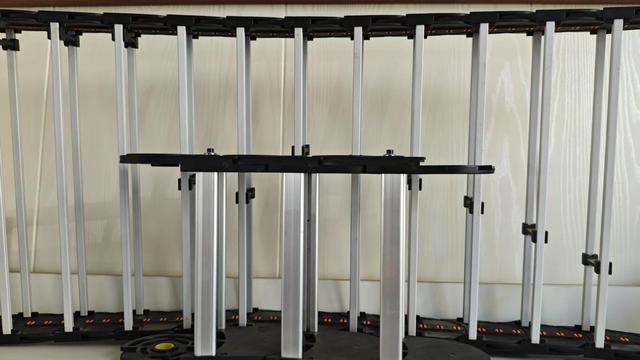
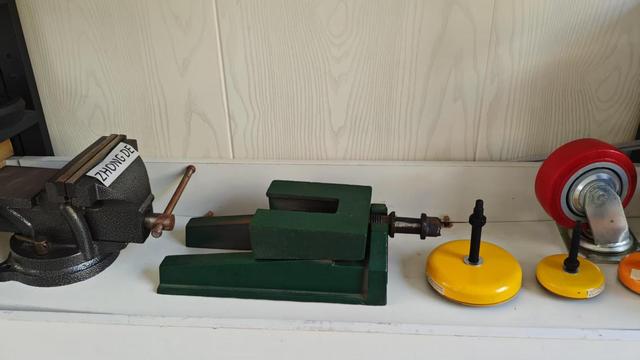
Visualizing our manufacturing floor, processing machinery, and strict production compliance procedures.
Choosing the correct textile handling belt requires careful consideration of structural and environmental parameters to avoid early fatigue or tracking failures:
Our engineering division calculates mechanical factors, load distributions, and drive pulley ratios to ensure that every belt system we deliver matches your operational environment.
Key technological shifts reshaping the design, operation, and maintenance of material handling equipment globally.
There is a growing global demand for non-halogenated PVC, thermoplastic elastomers (TPE), and highly recyclable TPU belts to minimize ecological footprints in line with corporate ESG initiatives.
By embedding passive RFID tracking chips and thermal sensor strips within the belt carcass, operators can detect delamination risks, wear, and structural fatigue before a breakdown occurs.
By using low-friction undersides made of impregnated fabrics or specialized weaves, plants can reduce the motor drive energy consumption of long run-out conveyor layouts by 15-20%.
Get answers to key technical questions about belt selection, tracking issues, and maintenance strategies.
Silicone conveyor belts are typically selected for application environments requiring high release properties (non-stick) and moderate-to-high temperature resistance (up to 200°C). They are commonly used in hot melt packaging machines, bag sealing lines, and food-grade packaging. The thickness of the silicone top coating depends on the abrasion level of the material being moved.
Antistatic PVC conveyor belts utilize carbon fibers or specialized conductive threads woven directly into the fabric carcass. This structure dissipates friction-generated static charges down to the grounded steel support bed, preventing high-voltage discharges that could damage electronic microprocessors, sensors, or semiconductors on assembly lines.
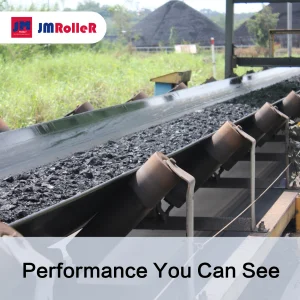
EP (Polyester-Nylon) rubber belts offer good flexibility, impact resistance, and cost efficiency over medium transport distances. Steel cord rubber belts are designed for long-distance, high-tension transport lines (e.g., heavy ore mining). They have minimal elongation properties, which prevents belt stretch under heavy loads.
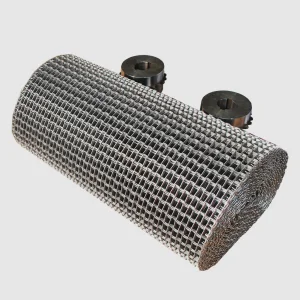
High-temperature nylon or mesh conveyor belts typically use mechanical alligator laces, pin joints, or vulcanized endless loops. For drying applications with high heat or air circulation, mechanical pin joints or finger-spliced vulcanized endless joints are preferred to maintain airflow efficiency and belt strength.
At Trakkx Tech, every conveyor belt undergoes strict tensile testing, thickness verification, and edge cut evaluation. Additionally, we provide guidance on mechanical pulley alignment, tracking profiles (e.g., guide strips or crowned pulleys), and structural engineering solutions to prevent belt mistracking in active production lines.
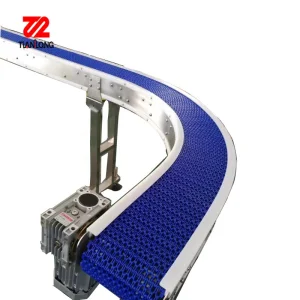
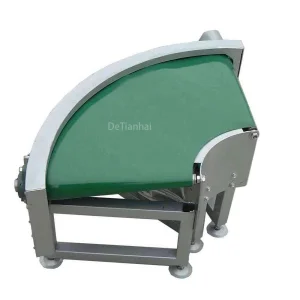
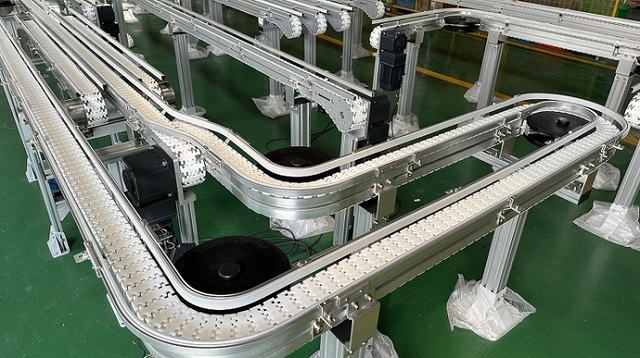
Yes, we offer comprehensive OEM and ODM services. We produce custom conveyor profiles, including curved turning belts, shuttle configurations, inclined walls, and specialized stainless steel wire networks, all meeting FDA food safety regulations.
Conveyor failure is often caused by overloading, abrasive wear from foreign materials, poor tracking, incorrect pulley tension, or exposure to chemically aggressive cleaning fluids. Regular cleaning, tension monitoring, and using application-specific materials help prevent early failure.
Thanks to our proximity to the major shipping ports of Guangzhou, Shenzhen, and Hong Kong, standard production batches are dispatched within 10 to 20 days. We offer full logistics support, including FOB, CIF, DDP, and express air transport options for critical parts.
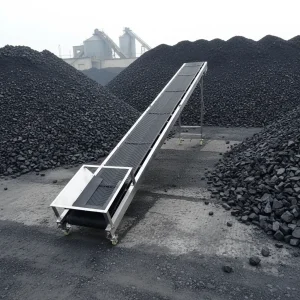
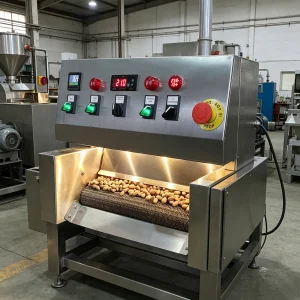
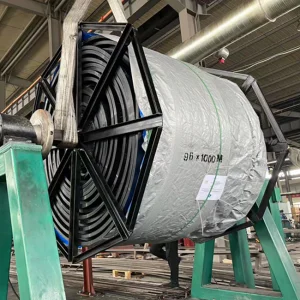
Explore our industrial-grade, heavy-duty belts and automated material handling systems designed for bulk handling, mining, and curved configurations.
Get professional engineering support, tailored OEM/ODM quotes, and technical specs for your conveying operations. Minimize downtime and optimize process flow with Trakkx Tech.
Contact Our Sourcing Team Trakkx Tech