Chile represents one of the most demanding terrains globally for heavy-duty bulk material handling. As the world's leading copper producer, home to mining operations like Escondida, Collahuasi, and El Teniente, the nation relies heavily on massive infrastructure pipelines. High-capacity conveyor belts in Chile are not merely accessory equipment; they are the lifelines of the national economy. These systems must consistently carry high-tonnage ore from subterranean deposits or massive open pits across miles of highly abrasive, rugged landscape down to processing mills and maritime port facilities along the Pacific coast.
Operating a heavy-duty conveyor system in Chile presents extreme environmental and geological hurdles. In the northern regions, primarily the Atacama Desert, belts are subjected to intense ultraviolet (UV) radiation, severe diurnal temperature fluctuations (ranging from sub-zero night-time conditions to scorching midday heat), and extremely dry, dusty atmospheres. Conversely, the southern regions pose challenges of excessive moisture, rainfall, and corrosive maritime air in ports like Valparaíso, San Antonio, and Antofagasta. Therefore, procuring standard off-the-shelf conveyor belts is not viable. Importers, mining EPC contractors, and system integrators in Chile demand premium DIN 22102, ISO, and AS 1332 certified rubber and steel-cord belts engineered specifically to mitigate cover wear, slice propagation, and high-impact degradation.
Furthermore, the physical dynamics of transporting raw copper ore—which possesses high density, sharp angular profiles, and severe hardness—require elastomeric cover compounds designed with maximum tear, cut, and gouge resistance. The failure of a single main overland conveyor belt at a major mine can lead to operational downtime costs exceeding $100,000 USD per hour. This risk profile has created a highly sophisticated Chilean procurement strategy that mandates strict vendor verification, exhaustive material testing records, and transparent structural engineering processes.
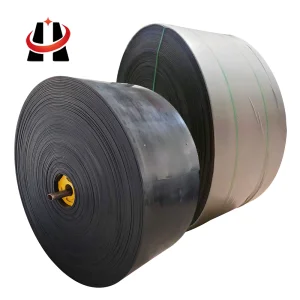
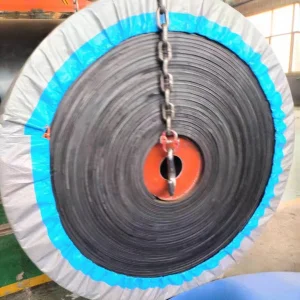
To withstand the rigorous operational loads of Chile’s mining and industrial ecosystems, heavy-duty belts must be categorized by specific mechanical configurations and vulcanized compound attributes. Broadly, these are classified into Steel Cord Conveyor Belts (ST series) and Textile Reinforced Belts (EP/NN series):
For high-tension, long-distance overland conveying (often exceeding 5km single-flight spans), steel-cord technology is the absolute standard in Chile. The high-modulus steel cords provide minimal elongation (typically < 0.2% under full load), which allows for shorter gravity take-up structures. This is particularly crucial in mountainous Andean terrains where structural space is at a premium. Internal steel sensors (RIP detect loops) are regularly embedded in these belts to allow real-time monitoring of longitudinal cuts, automatically triggering system stops to prevent catastrophic belt splitting.
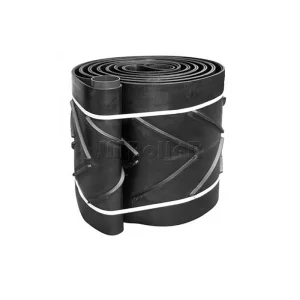
In mid-range handling networks, primary crushing stations, and secondary screen feeds, EP (Polyester warp / Polyamide weft) fabrics are preferred. EP belts offer exceptional dimensional stability, high impact resistance, and superb mechanical fastener holding ability. For operations dealing with steep inclines, heavy cleated profiles or high-chevron configurations are utilized to prevent rollback of copper concentrate, iron ore, or crushed aggregates.
By defining these exact parameters, Trakkx Tech enables Chilean procurement officers to optimize their Total Cost of Ownership (TCO) rather than focusing solely on upfront acquisition costs. Investing in a belt with 20% higher abrasion resistance can result in a 50% extension of operational lifespan, significantly lowering the frequency of costly plant outages.
As Chilean industrial operations scale up their throughput targets, the procurement focus has increasingly shifted toward Chinese manufacturing centers. Historically, European or North American manufacturers dominated the heavy-duty conveying sector. However, the rise of advanced manufacturing clusters in China, led by specialized engineering entities like Dongguan Trakkx Tech Co., Ltd., has revolutionized the global supply chain dynamic.
Dongguan Trakkx Tech Co., Ltd. serves as a premier manufacturer of heavy-duty industrial conveyor systems, modular belts, and customized material handling equipment. By positioning operations in Dongguan—a global hub of advanced mechanical fabrication and component sourcing—Trakkx Tech combines raw material cost advantages with state-of-the-art engineering. The company provides a reliable bridge to South American markets, particularly Chile, through direct ocean freight lanes departing from Shenzhen, Guangzhou, and Hong Kong ports directly to Valparaíso, San Antonio, and Iquique.
The strategic synergy between China’s manufacturing capability and Chile’s industrial demand is bolstered by the China-Chile Free Trade Agreement (FTA), which grants zero-tariff or highly preferential tariff treatment for industrial machinery, heavy rubber belting, and logistics equipment. This legal framework, paired with Trakkx Tech's flexible OEM/ODM capabilities, allows Chilean companies to commission bespoke, application-specific conveyor components at highly competitive prices compared to regional distributors.
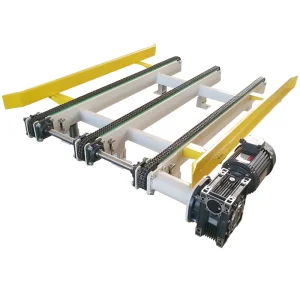
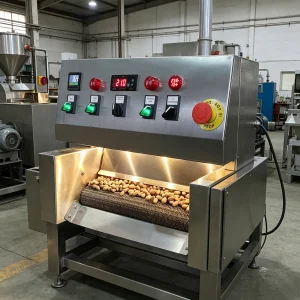
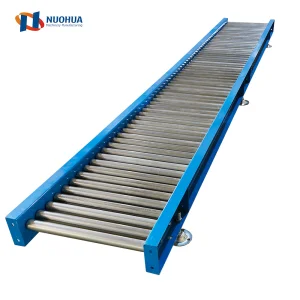
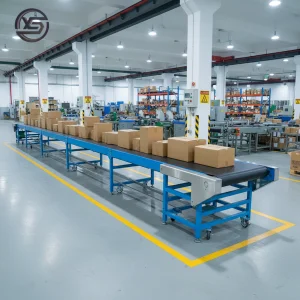
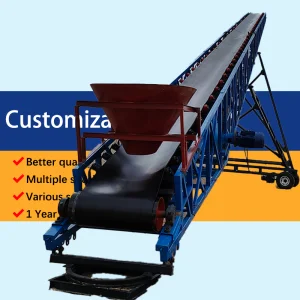
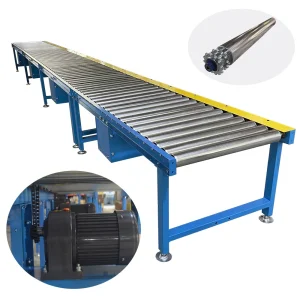
True expertise is demonstrated through successful industrial installations. At Trakkx Tech, we combine top-tier engineering design with modern production infrastructure to build heavy-duty systems suited for complex logistical, agricultural, and mineral environments. Below are actual snapshots of our production facilities and assembly systems, showing the raw craftsmanship and testing that goes into every heavy-duty component before it is loaded for South American export:
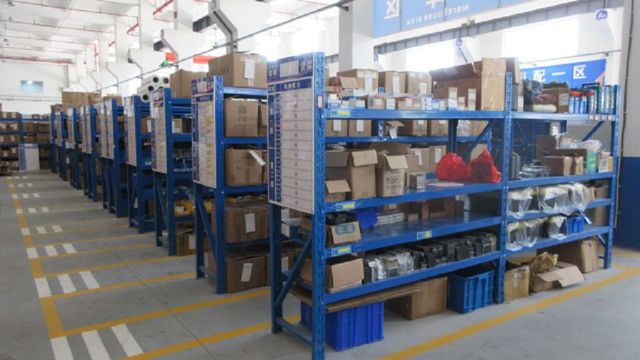
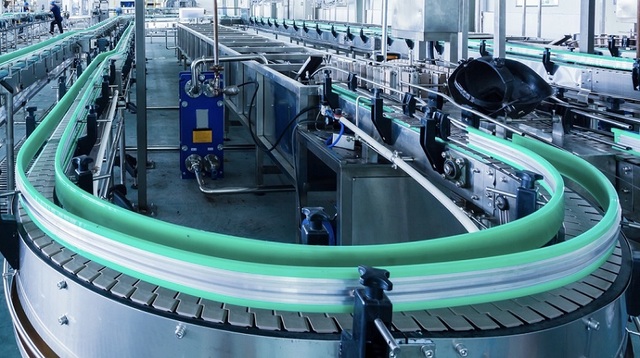
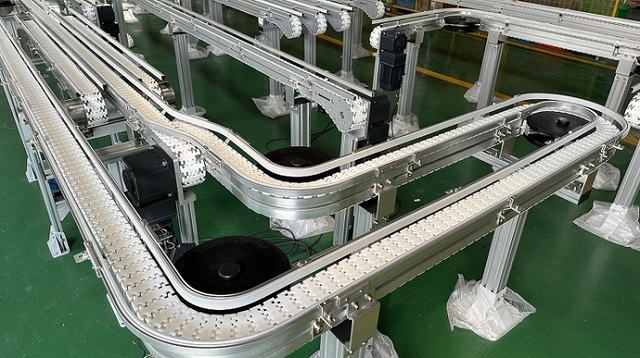
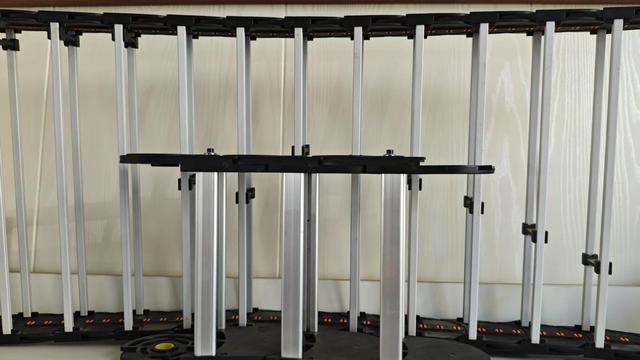
Whether assembling standard modular conveyors or heavy-duty steel-frame logistics systems, our focus remains on high structural integrity. Our steel profiles are treated with anti-corrosion primings and wear-resistant coatings to prevent degradation in high-salinity port terminals and dusty mining corridors. Additionally, the roller assemblies and bearing seals are designed with deep grease-retaining labyrinths to keep out abrasive rock dust.
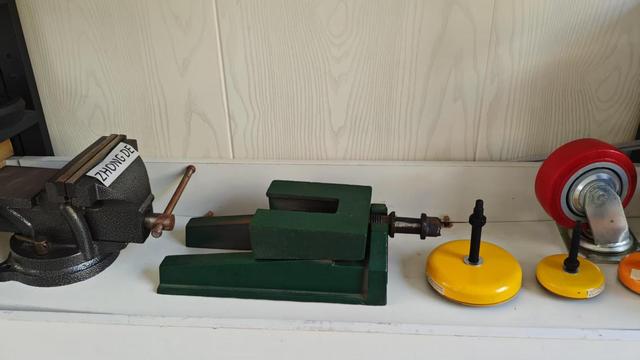
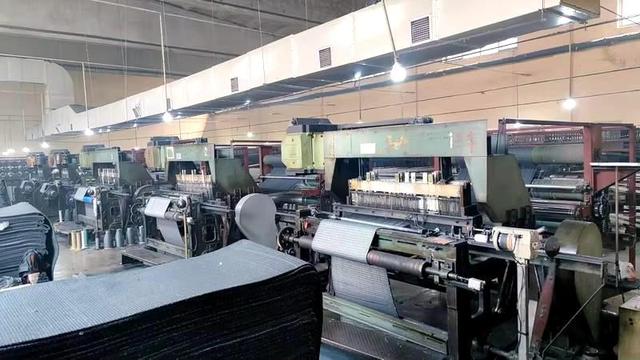
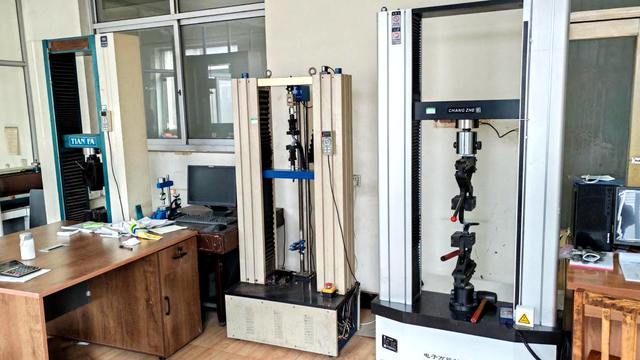
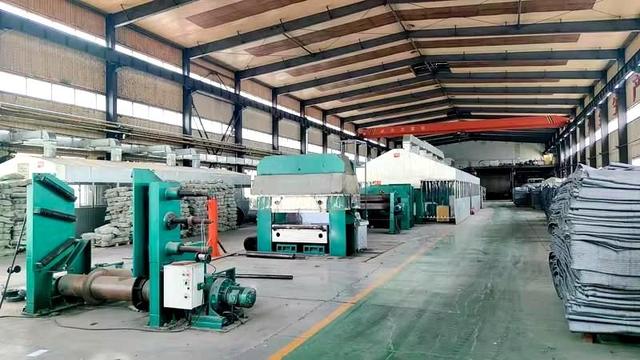
Every system undergoes pre-shipment dry runs at our manufacturing plant. Motors, gearboxes, and belt tracking systems are aligned and tested under load conditions to verify energy efficiency, noise thresholds, and thermal performance. This meticulous quality control ensures that once the components arrive at a port in Chile, they can be assembled on-site with minimal commissioning delays.
Operating in the international mining and heavy logistics sectors requires adherence to highly regulated compliance frameworks. For Chilean buyers, import standards are strictly monitored by internal quality systems and national entities like the Superintendencia de Electricidad y Combustibles (SEC) for electrical integrations, as well as general ISO compliance for mechanical parts. Trakkx Tech meets these stringent requirements with a robust engineering compliance matrix:
Through proactive alignment with these certifications, Trakkx Tech guarantees that its heavy-duty products pass Chilean customs smoothly, integrate seamlessly with existing mine setups, and satisfy local safety and union audits.
The landscape of bulk material handling in South America is undergoing a fundamental technological shift. In Chile, where environmental legislation is tightening and energy prices impact operational margins, mining groups are demanding smarter, more sustainable conveyor systems. Three major trends dominate the engineering requirements for upcoming installations:
Up to 60% of the energy consumed by a long overland conveyor system in Chile is spent overcoming the indentation rolling resistance of the belt running over the idlers. By formulating specialized LRR backing compounds, Trakkx Tech reduces energy demand by up to 15%. Over an 8km mining flight, this translates to millions of kilowatt-hours saved annually, directly lowering the operation's carbon footprint and energy overheads.
With mining depths increasing and processing plants running 24/7, manual belt inspections are no longer sufficient. Modern conveyor networks incorporate real-time monitoring technology, including:
As space at crushing facilities becomes more constrained, steep-angle conveying solutions like pocket belts or high-chevron corrugated sidewalls are in high demand. These systems allow material transportation at angles of up to 90 degrees, maximizing structural space and lowering the capital cost of constructing long, sprawling structural galleries.
For copper mining tailing systems, where raw crushed ore is extremely abrasive and contains sharp edges, we recommend a DIN Grade W rubber compound (abrasion loss < 90 mm³). If the feed point has high drops (over 3 meters) with large rocks, a DIN Grade X compound is advised to prevent impact cuts and gouges. For wet or slurry tailings, we add anti-hydrolysis agents to the rubber matrix to prevent moisture degradation.
Manufacturing lead times for standard rubber or fabric-reinforced belts vary from 15 to 25 days depending on the volume and width requirements. Ocean transit from Shenzhen or Hong Kong ports to San Antonio or Valparaíso, Chile, averages 35 to 45 days. We prepare all customs and shipping documents under the China-Chile Free Trade Agreement (Form F) to ensure zero-tariff or highly reduced duty entry.
Yes. Trakkx Tech provides complete technical installation manuals, detailed 2D/3D CAD models, and video commissioning guides. For large mining and logistics installations, we offer remote engineering support to assist your local mechanical contractors during splice vulcanization, belt tensioning, and initial tracking calibration.
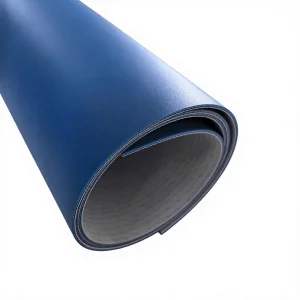
For the aquaculture and agricultural packing sectors in central and southern Chile, we supply PU and PVC food-grade belts certified to FDA and EU regulations. These belts are designed to resist animal fats, vegetable oils, and harsh sanitizers without cracking or delaminating. This keeps the conveyor surface smooth, hygienic, and easy to clean, preventing bacterial growth.
Steel Cord (ST) belts are designed for long-distance, high-tension systems because they exhibit very low elongation (less than 0.2%). This makes them perfect for long overland mining runs. EP (Polyester/Nylon) belts are more flexible, offering excellent impact resistance and elastic recovery, making them ideal for shorter conveyor lines within aggregate quarries, processing plants, and recycling facilities.
We work closely with engineering companies and EPC contractors. You can send us your structural drawings (DWG/DXF files), and our technical team will verify the belt tension requirements, drive capacities, and roller spacing. We customize belt widths (up to 2400 mm), rubber compounds, profile cleat designs, and framework structures to match your project specifications.
 Trakkx Tech